
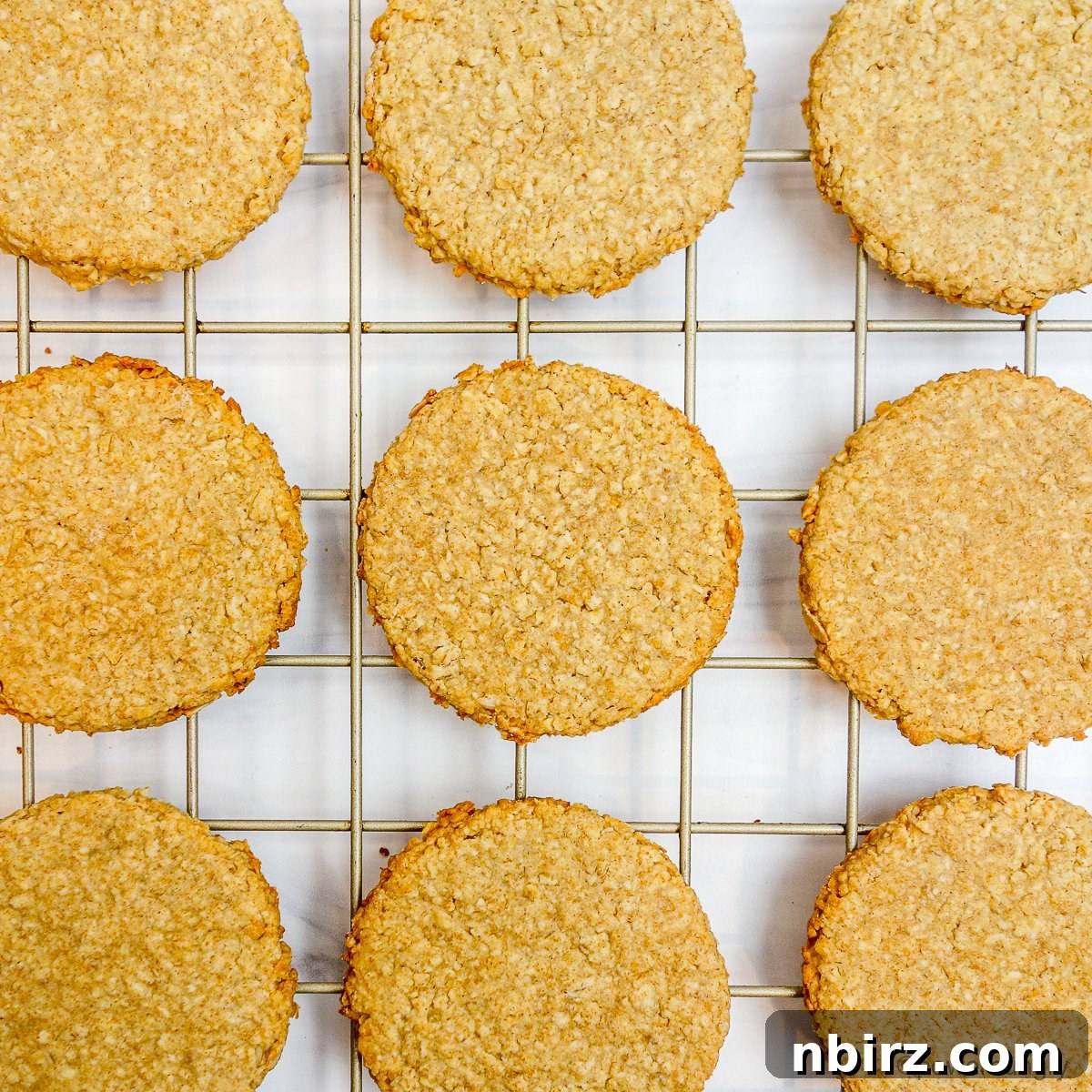
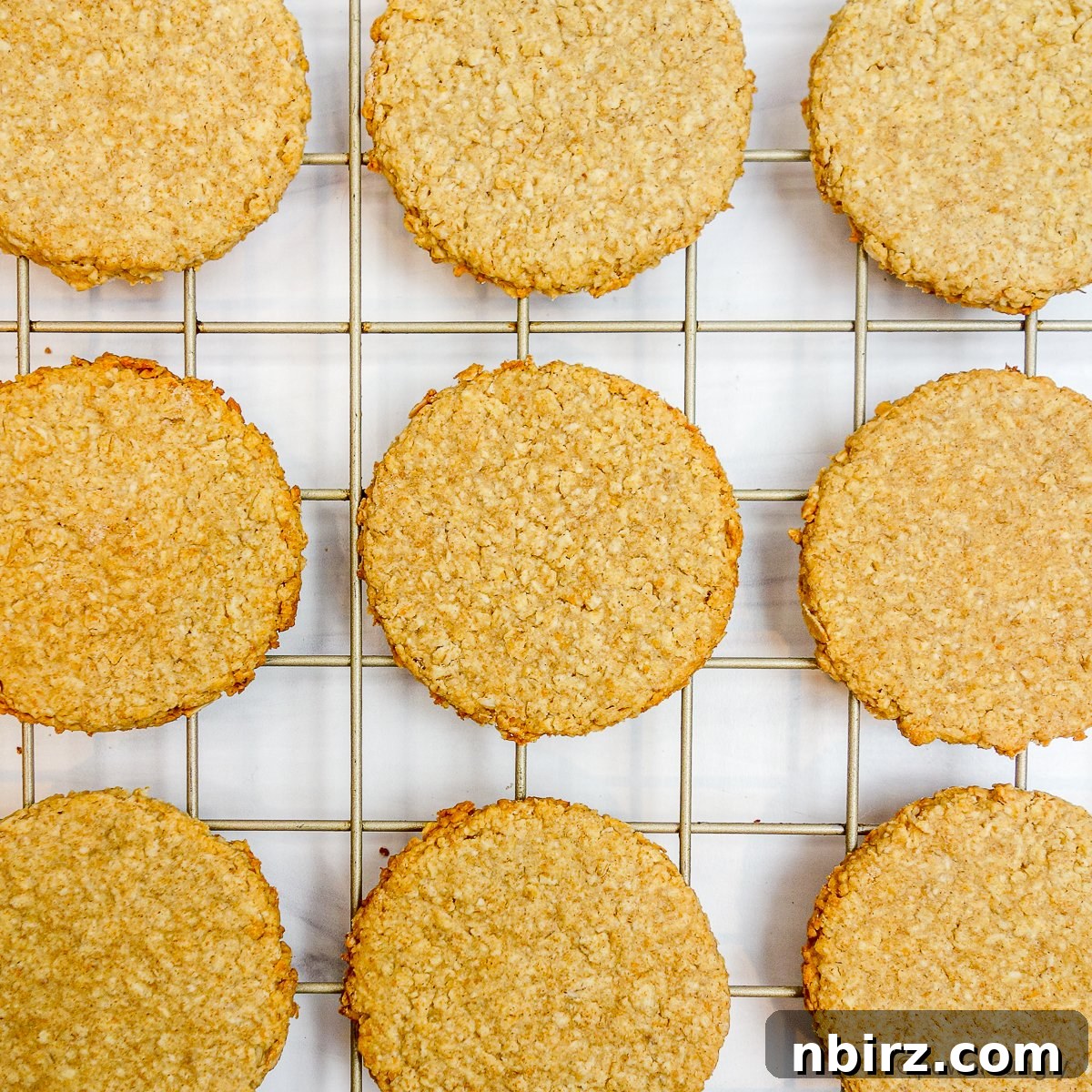
If you cherish the rustic charm of Walker’s Highland Oatcakes, prepare to be captivated by these homemade Scottish Oatcakes! Resembling thick, hearty crackers, these wonderfully crisp oat rounds are incredibly versatile, serving as the perfect base for an array of sweet and savory accompaniments. From creamy soft cheeses and vibrant fruit jams to zesty lemon curd, the possibilities are endless. Pair them with a comforting cup of tea for an authentic and satisfying experience.
This past weekend here in sunny Texas was a true reprieve, a blissful pause after a hectic week of travel. There’s something uniquely fulfilling about simply “being” – waking up naturally (which, for me, means around 6:15 AM when my energetic little one makes his grand entrance into our bed!), savoring an extra-large pot of freshly brewed coffee, cheering at a lively soccer game, and even embarking on an ambitious mud castle construction project in the backyard, thanks to a glorious torrential thunderstorm on Saturday night.
While the morning’s coffee eventually waned by mid-afternoon, my little adventurer was still brimming with unstoppable energy. To keep my own spirits and strength up, I brewed a soothing pot of tea and whipped up a batch of these delectable Scottish oatcakes. This simple act of baking transformed a regular afternoon into a delightful, cozy escape, proving that sometimes, the most profound satisfactions come from the simplest pleasures.
If you’re familiar with the delightful crunch and wholesome flavor of Walker’s Highland Oatcakes, you’ll be absolutely thrilled with this recipe, as these homemade versions are virtually identical – if not even better! This brings me immense joy, knowing my sister, mother, and father, all fellow enthusiasts of the afternoon tea ritual accompanied by a plate of jam-slathered oatcakes, will share in this excitement. Finding Walker’s oatcakes in local stores can often be a challenge, making homemade a truly superior and more accessible option for satisfying those inevitable cravings.
What Exactly Are Scottish Oatcakes?
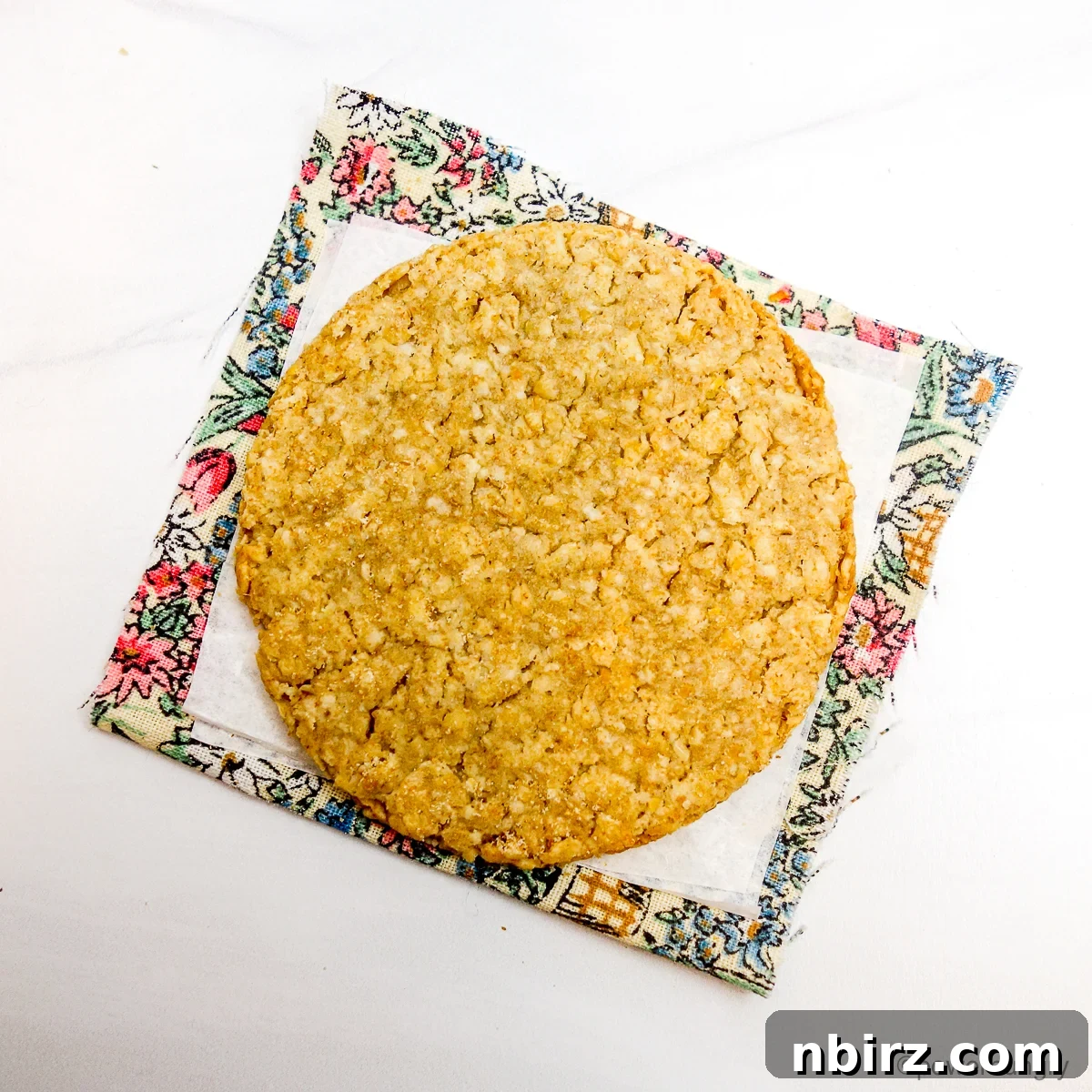
Often mistaken for sweet biscuits or cookies, oatcakes are, in fact, an entirely different culinary experience. They are a traditional Scottish staple, deeply rooted in the country’s culinary history, celebrated for their unique texture and robust, earthy flavor. Think of them as a thicker, more substantial, and wonderfully crisp cracker, crafted primarily from oats. Unlike many baked goods, oatcakes are generally not sweet; their primary flavor profile is a toasty, wholesome oat taste that offers a neutral canvas for a wide variety of toppings.
Historically, oatcakes were a crucial part of the Scottish diet, especially in areas where wheat was difficult to grow. They were a versatile food, often eaten as a staple with meals, or as a portable, energy-rich snack for farmers and travelers. Today, they continue to be cherished for their simplicity, versatility, and healthful properties. Their firm, crisp texture makes them an ideal vehicle for everything from savory spreads like my homemade Vegan Cashew Boursin or creamy Cashew Cream Cheese, to delightful sweet toppings such as your favorite berry jam, tangy marmalade, or a bright lemon curd. A couple of these thoughtfully topped oatcakes, especially alongside a warming cup of tea, provide just the nourishment and comfort any weary or famished soul needs to power through the afternoon.
Beyond their delicious taste and satisfying crunch, oatcakes are also an excellent source of dietary fiber, contributing to digestive health and providing sustained energy. Their simple ingredients and straightforward preparation make them a fantastic choice for anyone looking for a wholesome, easy-to-make snack that appeals to a variety of palates and dietary needs. Convinced yet? I certainly hope so!
Why You’ll Love This Oatcake Recipe: Key Benefits
This homemade Scottish Oatcakes recipe isn’t just easy; it’s packed with benefits that make it a fantastic addition to your culinary repertoire. Here’s why these oatcakes will become your new favorite:
- Completely Vegan: Made without any animal products, these oatcakes are free from eggs and dairy, making them suitable for plant-based diets and those with related allergies.
- Naturally Gluten-Free: By using certified gluten-free oats, this recipe ensures everyone can enjoy these delicious treats without worry.
- Minimal Ingredients: With just 4 core ingredients, plus water and optional salt, this recipe is incredibly simple and uses staples you likely already have in your pantry.
- Budget-Friendly: Oats are an economical ingredient, making these oatcakes a frugal and satisfying snack option compared to store-bought alternatives.
- High in Fiber: Oats are renowned for their high fiber content, which supports digestive health, helps regulate blood sugar, and keeps you feeling full and satisfied for longer.
- Perfectly Portable: Their sturdy, crisp nature makes them an ideal snack for on-the-go. Pack them for work, school, picnics, or hiking adventures.
- Quick and Easy: From mixing the dough to baking, this recipe is designed for efficiency, allowing you to enjoy fresh oatcakes in under an hour.
- Versatile Pairing: Their subtly savory flavor profile makes them a superb companion for both sweet and savory toppings, adapting to any craving.
Essential Ingredients for Your Homemade Oatcakes
The precise measurements for each ingredient are thoughtfully detailed in the recipe card located at the conclusion of this post. You can easily switch between US Customary (volume) and Metric (weights) for your preferred measurement system.
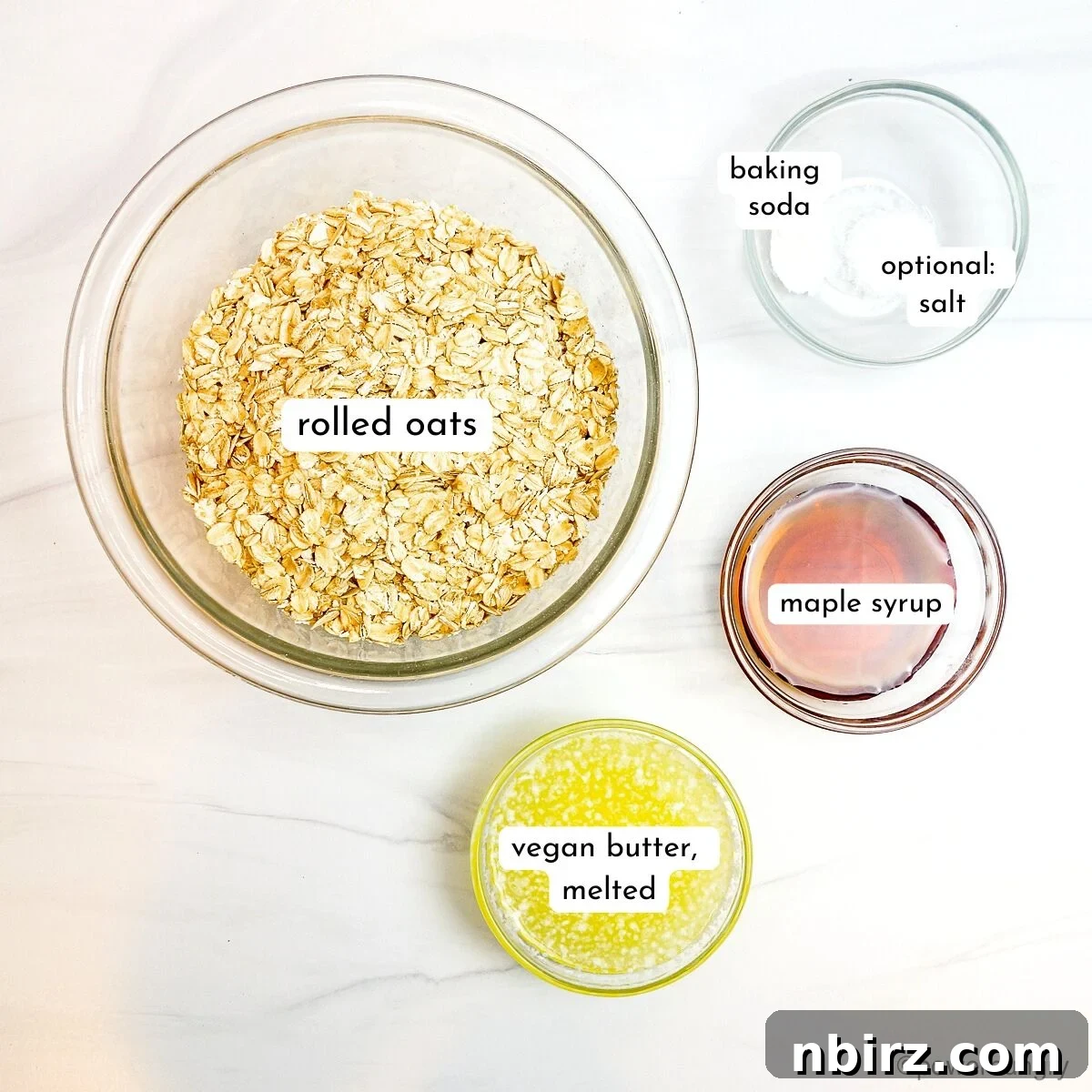
- Rolled Oats: The star ingredient! You can use any variety of rolled oats for this recipe, whether they are old-fashioned oats or quick-cooking oats. In other parts of the world, these might be referred to as porridge oats or fine oatmeal. If you need your oatcakes to be strictly gluten-free, be sure to select oats that are certified as such. We’ll be grinding some of these to create a unique texture, and there’s also an option in the recipe notes for using pre-made oat flour.
- Baking Soda: This acts as a leavening agent, contributing to the crisp texture of the oatcakes. It’s a vital component, so a quick reminder that baking soda is distinct from baking powder and they are not interchangeable for this recipe.
- Maple Syrup: Used to provide a very subtle sweetness, balancing the inherent savoriness of the oats. For those seeking alternatives or not following a strict vegan diet, the recipe notes offer other suitable options.
- Plant Butter / Vegan Butter: Crucial for flavor and texture, ensuring a rich mouthfeel. It is essential to choose a solid stick variety of plant butter rather than the spreadable tub-style types, as the latter contains a higher proportion of water which can negatively impact the dough consistency. If your diet permits, or you’re making a traditional version, dairy butter can be used as an alternative (see recipe notes for details).
Additionally, you will need a small quantity of hot water to bring the dough together. I typically use filtered tap water for this purpose. I also find that a pinch of salt significantly enhances the overall flavor of the oatcakes, though its inclusion and amount are entirely optional and adjustable according to your personal taste preferences and dietary needs.
Step-by-Step Guide: How to Make Scottish Oatcakes
For comprehensive and detailed instructions, please refer to the recipe card provided further down this page.
Crafting these homemade Scottish Oatcakes is a straightforward and rewarding process. Follow these simple steps for perfectly crisp and flavorful results:
Step One: Prepare Your Oven and Baking Sheet
Begin by preheating your oven to 350°F (180°C). This ensures your oven is at the optimal temperature when your oatcakes are ready to bake. Line a large, rimmed baking sheet with parchment paper. This prevents sticking and makes for easy cleanup.
Step Two: Grind the Oats for Optimal Texture
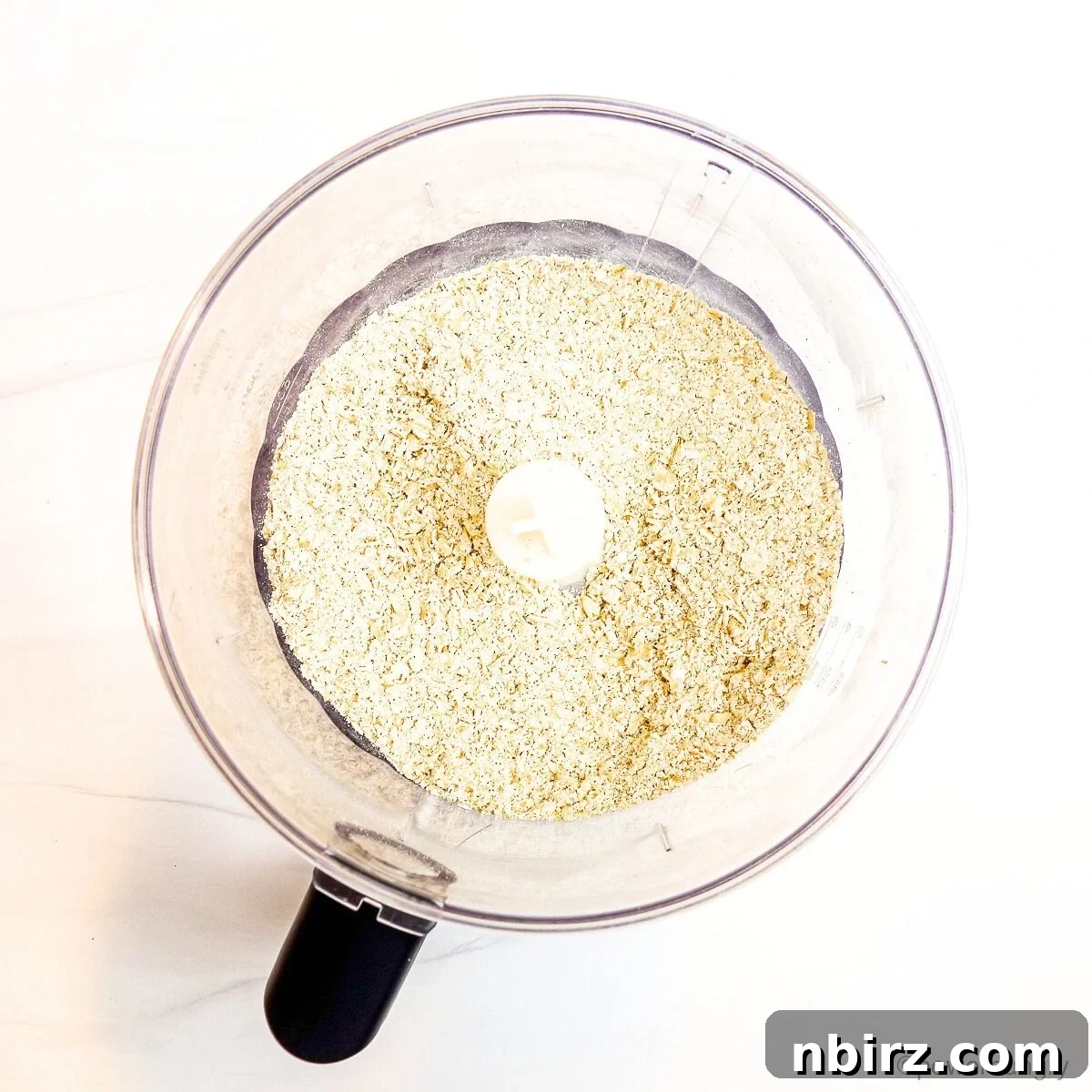
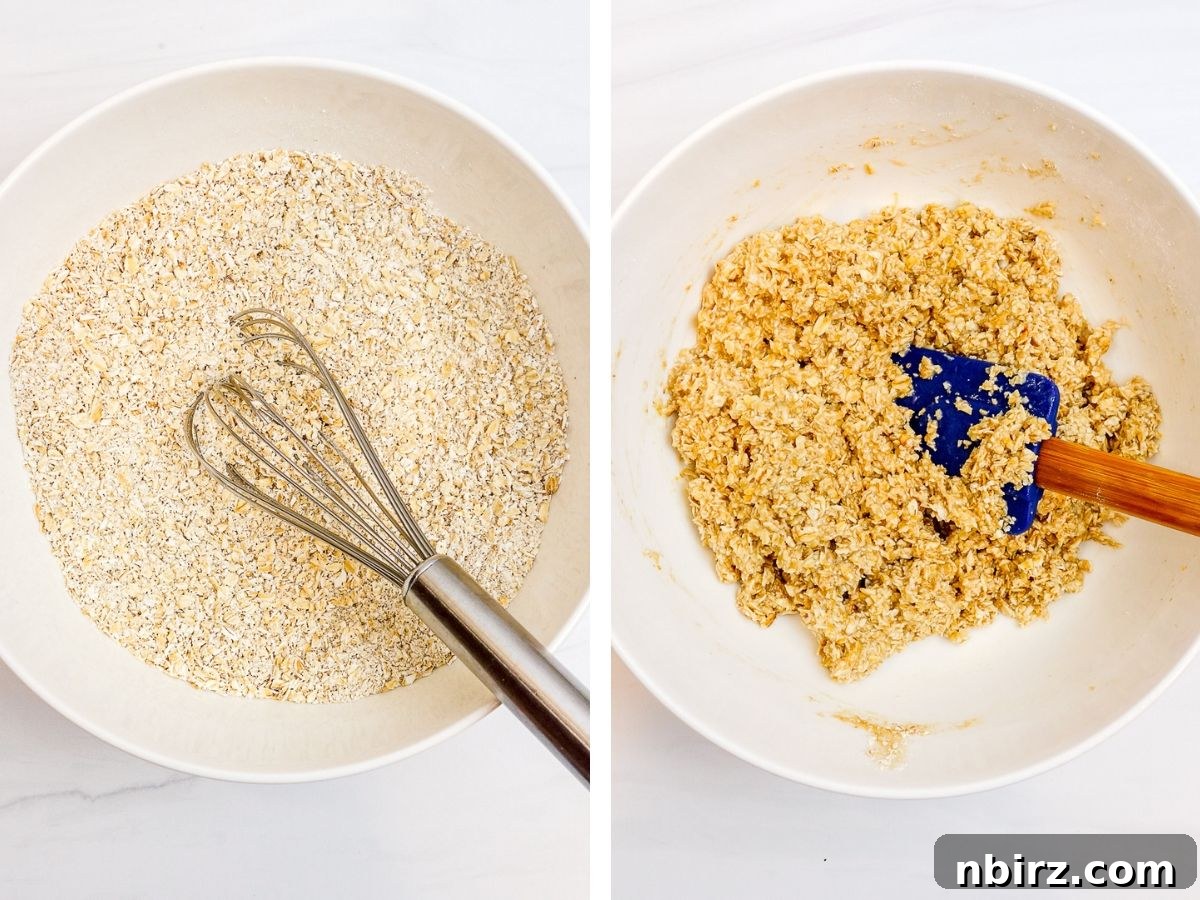
In a food processor, pulse the rolled oats until they are coarsely ground. This initial grind provides a lovely rustic texture to the finished oatcakes. Transfer half of these coarsely ground oats to a large mixing bowl. Continue processing the remaining oats in the food processor until they are very finely ground, almost like flour. Add these finely ground oats to the bowl with the coarser oats. This combination of textures is key to achieving the perfect oatcake consistency.
Step Three: Combine the Dry Ingredients Thoroughly
Into the bowl containing both the coarsely and finely ground oats, stir in the baking soda and salt. Ensure these dry ingredients are well combined with the oats, distributing them evenly for consistent leavening and flavor throughout the batch.
Step Four: Incorporate the Wet Ingredients to Form Dough
Now, add the melted vegan butter (or your chosen alternative), hot water, and maple syrup to the dry oat mixture. Stir diligently until all the ingredients are thoroughly blended and a cohesive dough forms. The dough should hold together without being overly sticky or crumbly. If the dough appears too dry, add a few extra drops of hot water, one at a time, until the desired consistency is achieved.
Step Five: Roll Out the Oatcake Dough Evenly
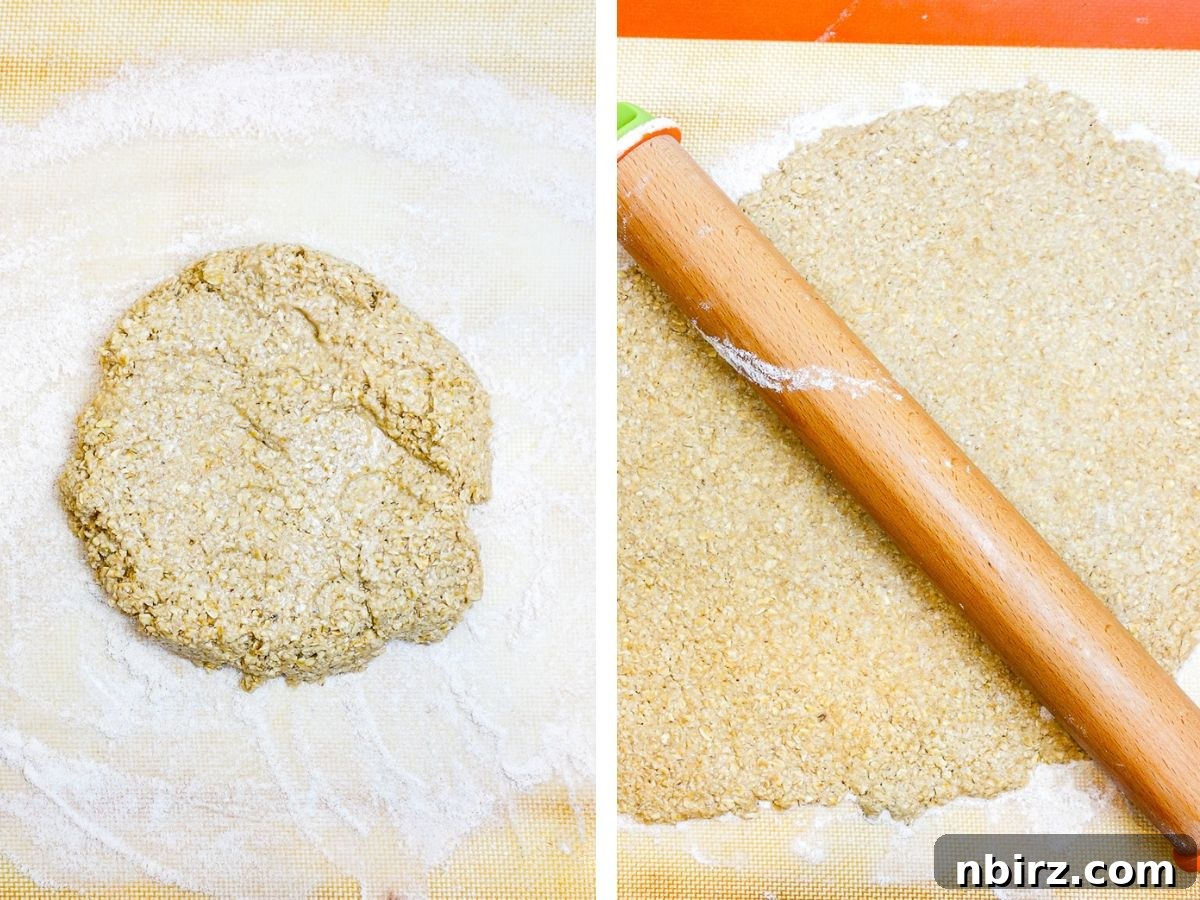
Lightly flour a clean work surface (using oat flour is recommended here). Turn the prepared oatcake dough out onto this surface. Using a rolling pin, carefully roll the dough out to an even thickness of approximately 1/4 inch (about 4 to 5 mm). Aim for uniformity to ensure even baking and consistent crispness in every oatcake.
Step Six: Cut the Dough into Classic Oatcake Rounds
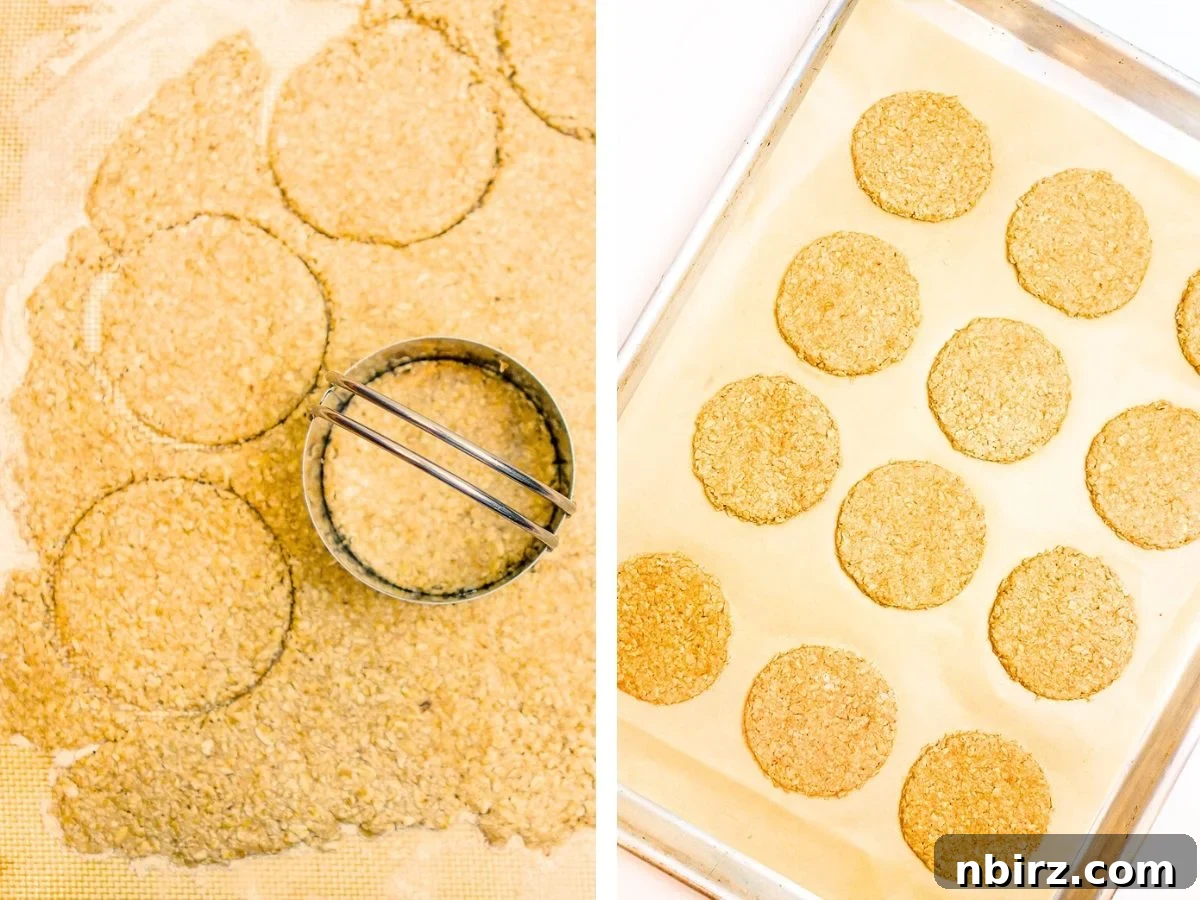
Take a 2.5-inch (6.35 cm) round cookie cutter and begin cutting the rolled-out dough into neat circles. Carefully transfer these cut oatcake rounds to your prepared baking sheet, leaving a little space between each. Gather the dough scraps, gently press them together, re-roll, and cut more circles until all the dough is used. This ensures minimal waste and maximum oatcakes!
Step Seven: Bake to Golden Perfection
Place the baking sheet with the oatcakes into the preheated oven. Bake for approximately 25 to 28 minutes, or until the edges are golden brown and the oatcakes feel firm and set. The exact baking time may vary slightly depending on your oven, so keep an eye on them towards the end. Once baked, remove the sheet from the oven and let the oatcakes rest on the sheet for about 5 minutes before carefully transferring them to a wire rack.
Step Eight: Cool Completely for Ultimate Crispness
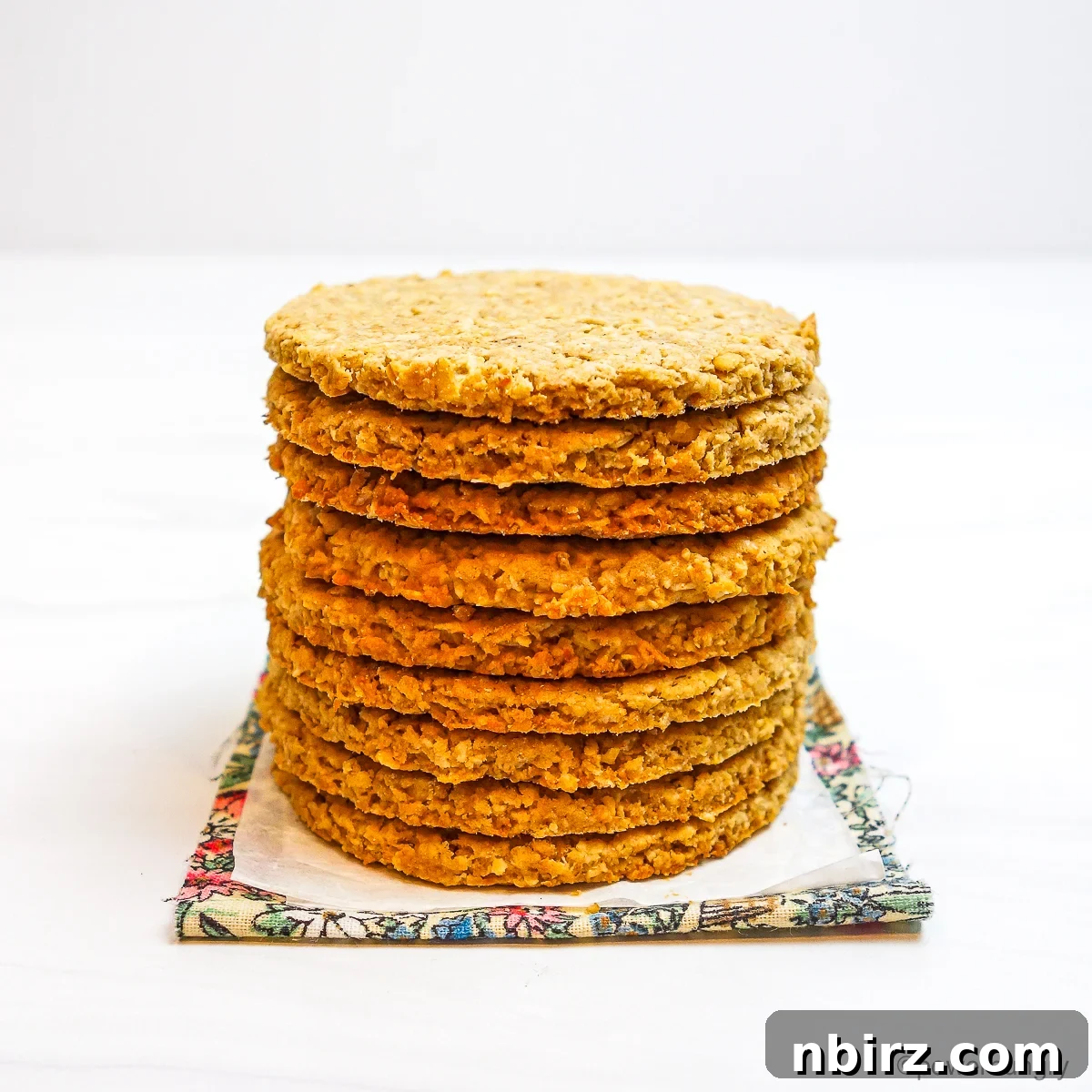
Allow the oatcakes to cool completely on the wire rack. This cooling period is crucial, as it allows them to firm up and achieve their characteristic crisp texture. Rushing this step might result in softer oatcakes. Once fully cooled, they are ready to be enjoyed with your favorite sweet or savory toppings!
Proper Storage for Maximum Freshness
To keep your homemade Scottish oatcakes at their best, ensure they are completely cooled before storing. Once cool, transfer them to an airtight container. At cool room temperature, they will remain fresh and crisp for up to 1 week. If you need to extend their shelf life, you can store them in the refrigerator for up to 2 weeks. For longer preservation, oatcakes freeze exceptionally well; simply place them in a freezer-safe bag or container, and they will keep for up to six months. When you’re ready to enjoy them from the freezer, let them thaw at room temperature or gently warm them in a toaster oven for a few minutes to restore their crispness.
Smart Substitutions for Your Oatcakes
This recipe is quite flexible, allowing for several substitutions to accommodate different dietary needs or preferences. Here are some common questions about ingredient swaps:
- Vegan Butter Alternatives: If you’re not strictly adhering to a plant-based diet, traditional dairy butter can be melted and used as a direct 1:1 substitute for the vegan butter. For other plant-based options, an equal amount of melted coconut oil or vegetable shortening will also work effectively, providing a similar fat content and texture to the dough.
- Using Oat Flour Instead of Rolled Oats: Absolutely! If you prefer a smoother texture or simply have oat flour on hand, you can use pre-prepared oat flour instead of grinding rolled oats. For this recipe, use an equal weight of oat flour, which is approximately 250 grams (just over 2 cups). Keep in mind that using oat flour will result in a less “nubby” texture than grinding whole oats, but the oatcakes will still be incredibly delicious and wholesome.
- Maple Syrup Alternatives: To replace maple syrup, you have several options. An equal amount of honey can be used if you are not following a strict vegan diet. Agave nectar or brown rice syrup are also excellent plant-based alternatives that will provide similar sweetness and consistency. If you prefer using granulated sweeteners, an equal amount of coconut sugar or brown sugar can be substituted, though you might need to add up to a tablespoon more hot water to achieve the right dough consistency, as granulated sugars absorb liquid differently.
- Can I Use Steel Cut Oats? While steel cut oats (also known as Scottish oats, Irish oats, or pinhead oats) are fantastic, I do not recommend using them for this recipe unless you possess a high-speed blender capable of grinding them into a fine flour-like consistency. Their robust and hard nature requires significant processing to break down sufficiently for a smooth dough. If you can achieve a fine grind, use an equal weight (250 grams) or about 1.75 cups of steel-cut oats, but be prepared for a slightly different texture than with rolled oats.
Explore More Delicious & Healthy Recipes
If you enjoyed making these wholesome oatcakes, you might love some of these other delightful and health-conscious recipes:
- Easy Vegan Gluten-Free Pumpkin Bread (Oil-Free Option)
- Quinoa Flour Chocolate Chip Cookies (Vegan, Gluten-Free, Oil-Free)
- Vegan Chocolate Almond Flour Oat Muffins (Oil-free, Gluten-Free)
- Decadent Vegan & Gluten-Free Double Chocolate Cookies
- Simply 4-Ingredient 100% Oat Flour Bread (Vegan, Gluten-Free, Oil-Free)
Pin Recipe
Scottish Oatcakes (Vegan, Gluten-Free, & Traditional Option)
Equipment
-
1 Large Baking Sheet
-
Food Processor (for grinding oats)
-
Large Mixing Bowl
-
Rolling Pin
-
2.5 inch (6.35 cm) Round Cookie Cutter
-
Wire Rack
Ingredients
- 2.5 cups rolled oats (any variety), (certified gluten-free, as needed)
- 1/4 teaspoon baking soda
- 1/2 teaspoon salt
- 1/4 cup plant butter/ vegan butter (not a spread), melted (see notes for options)
- 1/4 cup hot water , (filtered tap water recommended)
- 2 tablespoons maple syrup, (see notes for options)
- oat flour for rolling, (use finely ground oats from step 2, or extra oat flour)
Measurements provided are in US Customary. Refer to the metric conversions in the detailed ingredient list above if preferred.
Instructions
- Preheat oven to 350°F (180°C). Line a large rimmed baking sheet with parchment paper.
- In a food processor, process the oats until coarsely ground. Transfer HALF of the ground oats to a large mixing bowl. Continue grinding the remaining oats until they are very finely ground. Transfer to the bowl with the other oats.
- Stir the baking soda and salt into the bowl with the oats.
- Add the melted butter, hot water and maple syrup to the oat mixture. Stir until well blended into a cohesive dough (add a few more drops hot water if dough seems too dry).
- Turn dough out onto a floured surface and roll out into approximately 1/4 inch-(4 to 5 mm) thickness.
- Using a 2.5 inch (6.35 cm) round cookie cutter, cut dough into circles. Transfer to prepared baking sheet. Repeat process with dough scraps.
- Bake in preheated oven for 25 to 28 minutes until golden and set at edges. Let cool on sheet on a wire rack for 5 minutes, then transfer to the rack.
- Let cool completely for optimal crispness.
Notes
Vegan Butter Alternatives: For traditional oatcakes, use melted dairy butter. Other plant-based options include melted coconut oil or vegetable shortening (refer to the ‘Substitutions’ section for more details).
Oat Flour Option: You can substitute 250 grams (approx. 2 cups) of prepared oat flour for the rolled oats if preferred, noting a smoother texture (see ‘Substitutions’ for more info).
Maple Syrup Substitutions: Honey (if not vegan), agave nectar, brown rice syrup, or granulated sweeteners like coconut sugar or brown sugar can be used (adjust water as needed, refer to ‘Substitutions’).
Steel Cut Oats Usage: Not recommended unless you have a high-speed blender to finely grind them (see ‘Substitutions’ for more details).
Nutrition Information
|
Calories: 45 kcal
|
Carbohydrates: 6 g
|
Protein: 1 g
|
Fat: 2 g
|
Saturated Fat: 0.4 g
|
Polyunsaturated Fat: 1 g
|
Monounsaturated Fat: 1 g
|
Trans Fat: 0.3 g
|
Sodium: 72 mg
|
Potassium: 28 mg
|
Fiber: 1 g
|
Sugar: 1 g
|
Calcium: 10 mg
|
Iron: 0.3 mg
Enjoyed this recipe? Share your thoughts below!