
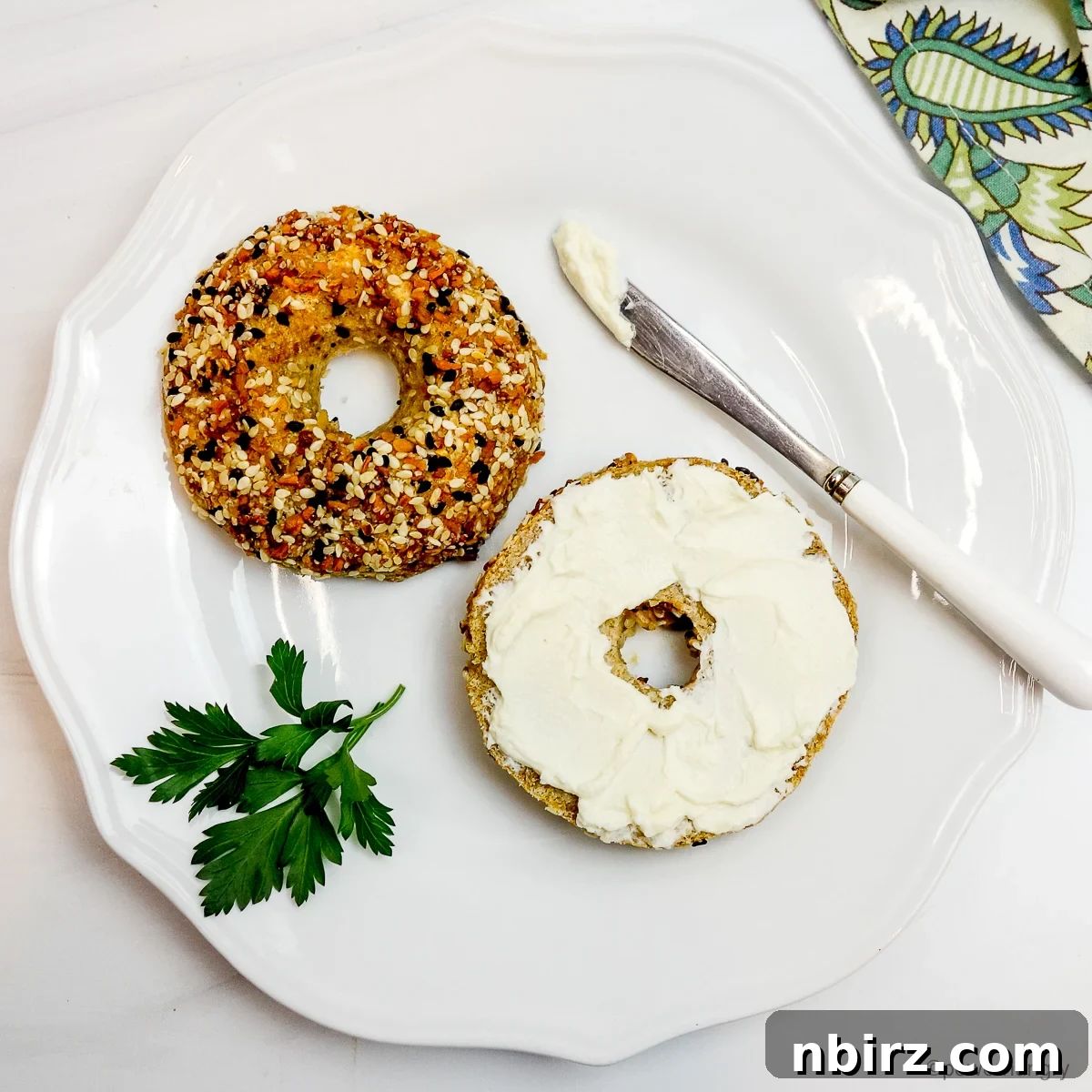
Welcome to your new favorite breakfast sensation: **White Bean Protein Bagels**! Each bagel delivers a remarkable 13 grams of protein, making them an ideal way to start your day. These incredibly simple yet satisfying bagels are crafted to be versatile, allowing for countless flavor customizations to perfectly suit your palate. Best of all, they are entirely vegan, grain-free, gluten-free, oil-free, and yeast-free, making them accessible to a wide range of dietary needs and preferences. Get ready to elevate your breakfast game with these wholesome, homemade delights!
Protein Bagels: A Game-Changer Made with Wholesome Dried Beans
For years, I’ve explored innovative ways to create delicious, satisfying breads without relying on traditional grains. My culinary journey led me to the fascinating world of bean-based baking. A few years ago, I introduced my Chickpea Flour Bagels, a quick and easy recipe that quickly became a fan favorite and a staple in my kitchen. While I still adore that recipe, its lighter texture and the requirement of a special donut pan sometimes left me yearning for a more traditional bagel experience.
My quest for a heartier, more classic bagel led me to revisit my successful recipes for Split Pea Bread Rolls and Lentil Bread Rolls. The idea sparked: could I adapt these robust, bean-based bread concepts to create a true bagel, complete with that iconic hole in the middle? After a few exciting trials and adjustments, these incredible White Bean Protein Bagels were born!
What makes these new bagels so special? They combine simplicity with superior results:
- Hearty, Authentic Texture: Unlike some grain-free alternatives, these bagels boast a substantial texture that closely resembles traditional bagels – firm on the outside, delightfully chewy on the inside.
- Commonly Available Ingredients: Made with readily available white beans (any variety works beautifully!), there’s no need for specialty gluten-free flours. This makes them not only accessible but also incredibly cost-effective.
- No Special Equipment Required: Forget about specialty pans! These bagels bake perfectly on a standard baking sheet, simplifying the process and making them achievable for any home baker.
During my recipe development, I primarily used white navy beans, but the beauty of this recipe lies in its flexibility. Feel free to use any dried white beans you have on hand, such as cannellini, Great Northern, or even lima beans. For the adventurous baker, nearly any dried bean variety – like black beans, kidney beans, pinto beans, or chickpeas – can be used if you’re open to a different, yet equally delicious, color for your bagels. The core structure and nutritional benefits will remain the same. Now, let’s get baking and create some truly extraordinary bagels!
Unmatched Nutritional Benefits of These Protein Bagels
These white bean bagels aren’t just delicious; they are a nutritional powerhouse designed to fuel your day and satisfy your cravings. Here’s a closer look at the remarkable benefits packed into every single bagel:
- 13 Grams of Protein Per Bagel: A significant amount of plant-based protein helps keep you feeling full and energized, supporting muscle health and satiety.
- 13 Grams of Fiber Per Bagel: High fiber content is crucial for digestive health, blood sugar regulation, and prolonged fullness, making these bagels incredibly satisfying.
- Vegan (Egg-Free, Dairy-Free): Perfectly suited for a plant-based diet, these bagels contain no animal products, making them an ethical and healthy choice.
- Gluten-Free: Ideal for individuals with gluten sensitivities or celiac disease, these bagels offer a safe and delicious alternative to traditional wheat-based options.
- Grain-Free: Going beyond just gluten-free, this recipe is entirely grain-free, making it suitable for paleo-friendly diets or those looking to reduce grain consumption.
- Yeast-Free: No active dry yeast or instant yeast is required, simplifying the baking process and eliminating the need for proofing times. This makes them much quicker and easier to prepare.
- Oil-Free: Prepared without any added oils, these bagels are a lighter and healthier option, reducing unnecessary fats without sacrificing flavor or texture.
- No Added Sugar: Enjoy the natural goodness of the ingredients without any refined sugars, contributing to better blood sugar control and overall health.
- Flourless: Made entirely from whole beans, psyllium husks, and flaxseed meal, these bagels are completely flourless, offering a unique nutritional profile.
- Easy to Make: With straightforward steps and common kitchen appliances, this recipe is designed for home bakers of all skill levels.
- Frugal: Using dried beans and other inexpensive pantry staples makes this a very budget-friendly recipe compared to store-bought specialty bagels.
- No Protein Powder Required: All the impressive protein comes naturally from the whole food ingredients, ensuring a clean and wholesome nutritional boost without processed supplements.
Essential Ingredients for Your White Bean Protein Bagels
For precise measurements and detailed instructions, please refer to the comprehensive recipe card located at the conclusion of this article. You can easily switch between US Customary (volume) and Metric (weights) for your preferred measurement system.
Crafting these nutrient-dense bagels requires a handful of simple, wholesome ingredients. Each plays a crucial role in achieving the perfect texture and flavor:
- Uncooked (Raw) White Beans: The star of our show! Varieties like Great Northern beans, cannellini beans, lima beans, or white navy beans are all excellent choices. They provide the foundational structure and significant protein content. Using dried beans is essential for this recipe; canned beans will not yield the correct results due to their pre-cooked nature and moisture content.
- Whole Psyllium Husks: This is a non-negotiable ingredient for grain-free baking. Psyllium acts as a binder and provides the necessary structure and chewiness, mimicking the role of gluten in traditional bread. It’s vital for the success of these bagels. (Please refer to the FAQ section and recipe notes for guidance on using psyllium powder, though whole husks are recommended).
- Flaxseed Meal (Golden or Dark): Finely ground flaxseeds contribute to the binding properties and add a boost of healthy omega-3 fatty acids and fiber. Both golden and dark varieties work equally well.
- Baking Soda: This leavening agent works in conjunction with the acid to create a light and airy texture within the hearty dough, giving the bagels a gentle rise without yeast.
- Lemon Juice (or Light-Colored Vinegar): An acidic component like fresh lemon juice, apple cider vinegar, or white vinegar reacts with the baking soda to help the bagels rise and achieve their desired texture.
- Salt: While a suggested amount is provided in the recipe card to enhance flavor, salt is entirely optional and can be adjusted or omitted based on your dietary needs and taste preferences. Rest assured, omitting or reducing salt will not compromise the recipe’s success.
- Optional Toppings: These bagels are delicious plain, but they also serve as a perfect canvas for customization! Consider keeping them simple, or get creative with a mix of seeds, “everything bagel” seasoning, or other flavorful additions. Detailed topping suggestions are included in the recipe card for more inspiration.
You will also need plain water to rehydrate the beans and assist in forming the dough. The quality of your water won’t impact the recipe, so regular tap water is perfectly fine.
Achieving High Protein Naturally: No Protein Powder Needed!
One of the most remarkable aspects of these White Bean Protein Bagels is their impressive protein content – 13 grams per bagel – achieved entirely through whole, natural ingredients. You won’t find any processed protein powders here. This recipe celebrates the power of simple, frugal, and wholesome pantry staples to deliver a genuinely nutritious and satisfying breakfast option. By focusing on ingredients like white beans and flaxseed meal, we harness nature’s best to create a clean, high-protein food that supports your health goals without compromise.
Understanding Whole Psyllium Husks: The Gluten-Free Game Changer
For anyone delving into grain-free, gluten-free, and yeast-free baking, whole psyllium husks are an indispensable ingredient. Understanding what they are and how they function is key to mastering recipes like these protein bagels.
Psyllium is a natural plant product derived from the husks of the seeds of the *Plantago ovata* plant. When these husks come into contact with liquid, they have an extraordinary ability to swell and form a gelatinous, mucilaginous gel. This gel performs several critical functions in grain-free baking:
- Binding Agent: It acts as a powerful binder, similar to eggs, holding the ingredients together to create a cohesive dough.
- Structure Provider: In gluten-free and grain-free breads, psyllium effectively replaces the role of gluten, providing elasticity, structure, and chewiness that would otherwise be lacking. This is what gives these bagels their satisfying, traditional texture.
- Moisture Retention: The gel helps retain moisture, preventing the baked goods from drying out and contributing to a tender crumb.
I typically purchase whole psyllium husks online, where numerous suppliers offer quality products. You might also find them in well-stocked natural foods grocery stores or health food sections. Once opened, store your psyllium husks in an airtight container to maintain their potency and freshness for years, making them a wise and economical investment for your pantry. With psyllium husks on hand, you’ll unlock a world of amazing gluten-free and vegan bread possibilities, including my popular 100% Millet Sandwich Bread, Easy Multigrain Sandwich Bread, Coconut Flour Sandwich Bread, 100% Millet Banana Bread, Buckwheat Sandwich Bread, Oat Sandwich Bread, 4-Ingredient Power Bread, and the robust 100% Chia Firm Sandwich Bread, among many others!
Step-by-Step Guide: Crafting Your White Bean Protein Bagels
For a comprehensive list of ingredients and precise measurements, please refer to the detailed recipe card at the bottom of this page.
Step One: Quick Soak the White Beans for Optimal Texture
Begin by placing your uncooked (raw) white beans into a large, heat-proof bowl. Pour enough boiling water over the beans to ensure they are covered by at least one inch of water. Allow them to soak for a minimum of 45 minutes. During this time, the beans will absorb the water, plump up significantly, and nearly double their original size. This quick-soak method helps to tenderize the beans, making them easier to process and ensuring a smooth dough.
Alternatively, if you prefer a longer soak, you can submerge the beans in cold or room temperature water for 8 to 12 hours (overnight). They will achieve a similar plumped state, ready for the next step.
Step Two: Drain and Prepare the Soaked Beans
Once the beans are thoroughly plumped, carefully drain them using a colander or a fine-mesh sieve. It’s crucial to discard the soaking water, as it contains compounds that can hinder digestion and affect the final taste. Rinse the beans briefly under cold water if desired, then let them drain well to remove excess moisture.
Step Three: Preheat Your Oven and Prepare the Baking Surface
Before moving on to dough preparation, preheat your oven to 350°F (180°C). This ensures the oven is at the correct temperature when your bagels are ready to bake, promoting an even rise and golden crust. Line a large baking sheet with parchment paper to prevent sticking and facilitate easy cleanup.
Step Four: Transform Beans into a Smooth, Hummus-like Paste
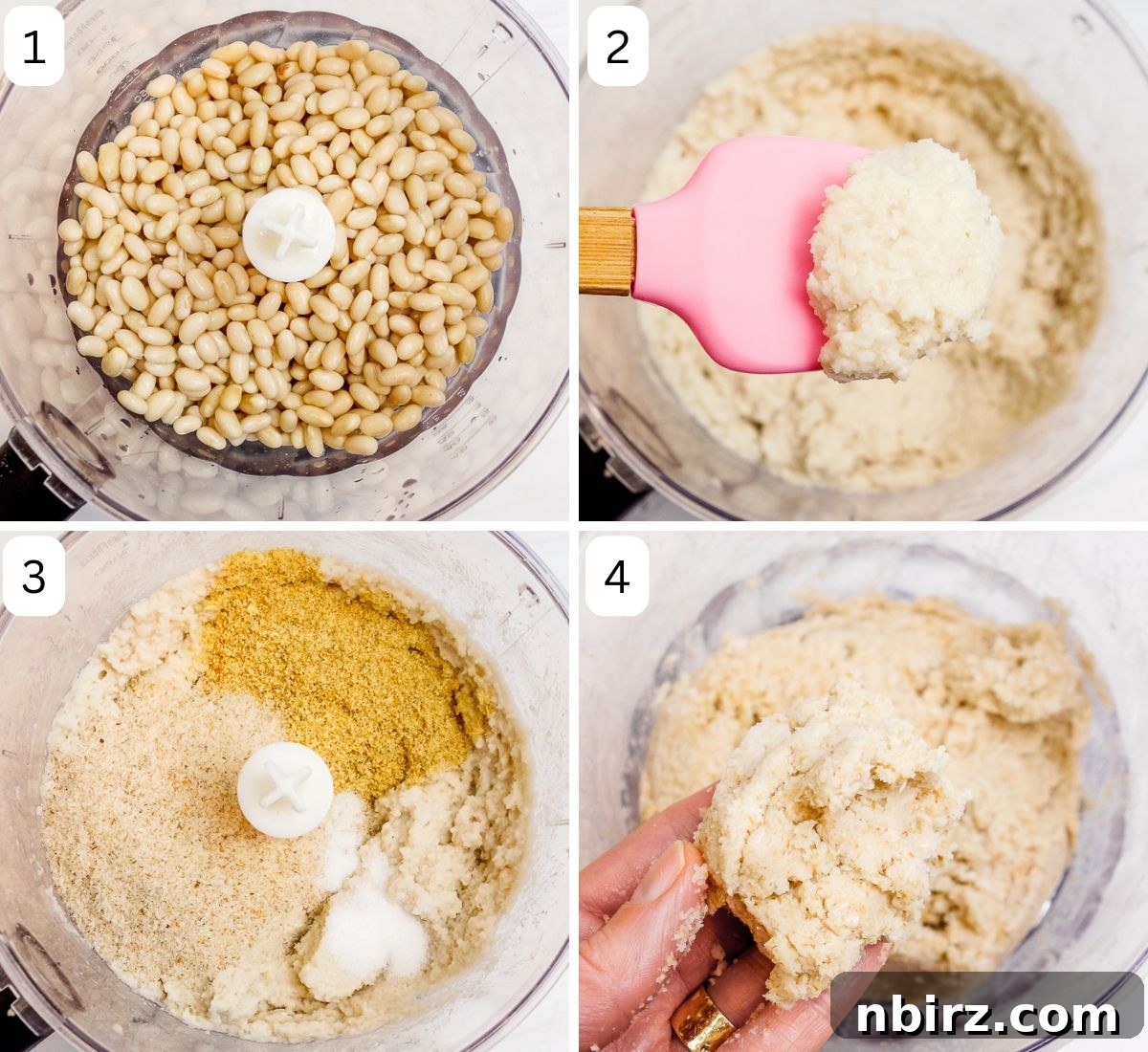
Place the drained, soaked white beans into the bowl of a food processor (a high-speed blender or bullet blender can also work). Add 1/3 cup (79 mL) of fresh water and the lemon juice. Begin processing, pausing frequently to scrape down the sides of the bowl. This step requires patience and persistence, typically taking about 3 to 5 minutes. Initially, the mixture will appear rough and textured, with visible bean skins. Continue processing, scraping down the sides thoroughly each time, until the beans transform into a remarkably smooth, uniform paste – akin to the consistency of hummus. This smooth base is crucial for the bagel’s final texture (refer to photo 2 in the collage above for visual guidance).
Step Five: Incorporate Dry Ingredients to Form the Dough
To the smooth bean paste in your food processor, add the whole psyllium husks, flaxseed meal, baking soda, and the optional salt. Process again, stopping once or twice to scrape down the sides, until all the ingredients are thoroughly combined and a soft, pliable dough forms. The dough should come together into a ball that is easy to handle (visible in photo 4 of the collage above).
Step Six: Expertly Shape Your Bagels
This is where your bagels take their classic form:
- Divide the Dough: Gently gather the soft white bean bagel dough into a cohesive ball. Divide this dough into four equal portions. For precision, you can weigh the dough, or simply eyeball it. Another effective method is to roll the dough into an even log and then cut it into four uniform pieces.
- Shape Each Piece: Take each portion and roll it into a smooth ball. Then, gently flatten each ball into a round shape, approximately 4 inches (10 cm) in diameter. Aim for an even thickness across the round.
- Create the Iconic Hole: Use your thumb to carefully poke a hole directly into the center of each round. Widen this hole to about 1 inch in diameter. If you notice any small cracks forming in the dough during shaping, simply dampen your fingers with a little water and gently smooth them out. The moisture helps to seal the dough and create a flawless surface.
Once shaped, if desired, lightly brush a small amount of water onto the surface of each bagel. This helps toppings adhere better. Sprinkle your chosen toppings (see suggestions in the “Flavor Variations” section and recipe card below). Carefully arrange the shaped bagels on your prepared baking sheet, ensuring they are spaced about 2 inches (5 cm) apart to allow for proper air circulation and expansion during baking.
Step Seven: Bake to Golden Perfection
Place the baking sheet with your shaped bagels into the preheated oven. Bake for approximately 33 to 38 minutes. The bagels are ready when they have visibly risen, their surface appears dry, and they achieve a beautiful light golden-brown color. Baking for the full recommended time ensures they are cooked through and not gooey inside, which is a common concern with grain-free breads.
Step Eight: Cool for the Best Texture and Flavor
Once baked, promptly transfer the bagels from the hot baking sheet to a cooling rack. This allows air to circulate around them, preventing the bottoms from becoming soggy. It is absolutely essential to let the bagels cool completely before slicing into them. This cooling period is critical for the internal structure to set properly. Slicing warm bagels can result in a gummy texture. Patience will be rewarded with perfectly textured, delicious bagels!
And just like that, you’ve created beautiful, wholesome, and delicious high-protein bagels from scratch. Enjoy your baking success!
The Delectable Taste and Satisfying Texture of White Bean Protein Bagels
You might be wondering, “What do bagels made from beans actually taste like?” The answer is wonderfully simple: they taste like **bagels**! These white bean bagels boast a remarkably neutral flavor profile, allowing them to pair perfectly with any topping, sweet or savory. There’s no overwhelming bean taste; instead, you’ll experience a clean, satisfying bread flavor that makes them incredibly versatile.
When it comes to texture, these bagels truly shine. They offer a delightful combination of firmness and tenderness, reminiscent of classic bakery bagels. The exterior has a subtle crispness, giving way to a wonderfully chewy interior. This robust texture makes them incredibly satisfying, whether you enjoy them fresh from the oven, toasted, or as the base for a hearty sandwich.
The unique combination of a high 13 grams of protein and an equally impressive 13 grams of fiber per bagel means they are not only tasty but also exceptionally filling. They will keep you satiated for hours, making them an excellent choice for a power-packed breakfast or a substantial snack. For an extra touch of deliciousness and to restore some of that fresh-baked crispness, simply toast your bagels a day or two after baking. This rewarms them beautifully and adds a lovely crunch to the edges.
Exciting Flavor Variations to Personalize Your Protein Bagels
One of the joys of making these white bean protein bagels is how easily they can be customized to suit your mood and cravings. You can enhance their flavor profile in countless ways, either by adding delicious toppings after baking or by incorporating ingredients directly into the dough before shaping. Here are some fantastic suggestions to inspire your creativity:
Savory Topping & Dough Add-in Ideas:
- Seeds: Sprinkle classic bagel seeds like poppy seeds, black sesame seeds, or white sesame seeds on top before baking for added texture and nutty flavor.
- Flaky Sea Salt or Coarse Salt: A simple sprinkle of flaky sea salt or coarse salt on the surface can elevate the savory notes and add a delightful crunch.
- Everything Bagel Seasoning: For the ultimate savory bagel experience, generously coat with a store-bought or homemade “everything bagel” seasoning blend, typically containing sesame seeds, poppy seeds, dried garlic, and dried onion.
- Dried Onion Flakes or Garlic Flakes: Mix these into the dough for an aromatic burst, or sprinkle them on top before baking for a more intense flavor.
- Cheeze-y Bagels: For a savory, umami kick, add 1 to 2 tablespoons of nutritional yeast to the bagel dough during Step Five (when adding other dry ingredients) before shaping. This gives them a distinct cheesy flavor without dairy.
Sweet Dough Add-in Ideas:
For a sweeter treat, incorporate these ingredients directly into the bagel dough after Step Five and before shaping:
- Cinnamon Raisin: Stir in about 1/3 to 1/2 cup of coarsely chopped raisins and 1.5 teaspoons of ground cinnamon into the dough. These classic flavors are perfect for a sweet breakfast bagel.
- Cranberry Orange: Add about 1/3 to 1/2 cup of dried cranberries and 2 teaspoons of finely grated orange zest. The tartness of cranberries paired with bright orange zest creates a wonderfully vibrant flavor.
- Blueberry: Mix in about 1/3 to 1/2 cup of dried blueberries for a naturally sweet and fruity bagel.
Experiment with these suggestions or create your own unique combinations. The neutral base of these white bean bagels makes them incredibly adaptable to almost any flavor profile you can imagine!
Proper Storage for Longevity and Freshness
To ensure your homemade white bean protein bagels remain delicious and fresh, proper storage is key. Once the bagels have cooled completely to room temperature on a cooling rack (this is crucial!), transfer them to an airtight container. Because these bagels have a relatively high moisture content compared to traditional flour-based breads, they are more susceptible to molding if left at room temperature for too long.
Here are the recommended storage guidelines:
- Room Temperature: Store in an airtight container at a cool room temperature for up to 1 day.
- Refrigerator: For extended freshness, move the bagels to an airtight container in the refrigerator, where they will keep well for up to 1 week.
- Freezer: For the longest storage, these bagels freeze beautifully. Place them in a freezer-safe airtight container or freezer bags, and they will maintain their quality for up to 6 months. To enjoy from frozen, simply thaw at room temperature or toast directly from frozen for a quick and convenient breakfast.
Always ensure your bagels are completely cool before storing to prevent condensation, which can lead to sogginess and spoilage.
Frequently Asked Questions About White Bean Protein Bagels
- Can I Use Canned White Beans for This Recipe?
No, this recipe specifically requires dried (uncooked) beans. Canned beans have a different moisture content and texture due to being pre-cooked, which will significantly alter the dough consistency and prevent the bagels from forming and baking correctly. Always start with dried beans for the best results.
- My Protein Bagels are Gooey Inside. What Went Wrong?
These grain-free bagels should be firm and tender throughout, never gooey. If you encounter a gooey interior, it’s typically due to one or more of the following common issues:
- Inaccurate Oven Temperature: Ovens can sometimes be inconsistent. Invest in an inexpensive oven thermometer to regularly check and ensure your oven’s temperature is accurate. An underheated oven will not cook the bagels through properly.
- Insufficient Baking Time: Even if the bagels look golden and done on the outside after 25-30 minutes, they might still be raw inside. It’s crucial to bake for the full recommended time of 33 to 38 minutes to ensure the interior is thoroughly cooked and set.
- Slicing Too Soon: Patience is key! Slicing the bagels before they have completely cooled can lead to a gummy, gooey texture. The internal structure needs time to set as it cools.
- Inaccurate Ingredient Measurements: With minimalist gluten-free bread recipes like these, precision in measuring ingredients is paramount. I highly recommend using a kitchen scale to accurately measure dried beans, flaxseed meal, and whole psyllium husks, especially as volume measurements for these ingredients can vary significantly.
- Can I Substitute All Flaxseed Meal for Psyllium Husks?
No, this specific gluten-free bread recipe relies on both whole psyllium husks and flaxseed meal, each playing distinct roles in the dough’s structure and binding properties. Flaxseed meal alone cannot fully replicate the unique gelling and binding capabilities of psyllium. If you’re looking for a different bean bread recipe that doesn’t use psyllium husks, I have other fantastic options:
- 4-Ingredient White Bean Flatbread
- Chickpea Flour Flax Sandwich Bread
- Can I Use Psyllium Powder Instead of Whole Psyllium Husks?
Possibly. While I have not personally tested these gluten-free bagels with psyllium powder, it should theoretically work. However, psyllium powder is much more concentrated than whole husks. If you opt to use psyllium powder, it is essential to replace the whole psyllium husks with an equal weight of psyllium powder, not an equal volume. Using a kitchen scale is critical for accurate conversion to avoid overly dense or dry bagels.
Delicious and Healthy Topping Ideas for Your White Bean Bagels
Once your white bean protein bagels are baked to perfection and cooled, the possibilities for toppings are endless! Their neutral flavor profile makes them an ideal canvas for both sweet and savory combinations. Here are some healthy and delicious ideas to get you started, enhancing both flavor and nutrition:
- Vegan Cream Cheese: A classic bagel pairing! Try making your own with my Easy Cashew Cream Cheese for a rich and creamy spread.
- Avocados: Slice or mash fresh avocado for a dose of healthy fats and a creamy texture. Season with a pinch of salt and red pepper flakes for extra flavor.
- Hummus: Elevate your bagel with a savory spread of hummus. Explore unique flavors like my vibrant Beet Hummus, refreshing Green Pea Hummus, or the earthy Roasted Carrot Hummus.
- Herbed Vegan Cheese: For a gourmet touch, spread on my Easy Cashew Boursin, a delectable herbed vegan cheese that adds sophisticated flavor.
- Nut Butter or Seed Butter: A quick and satisfying option. Spread your favorite nut butter like almond butter, peanut butter, or try making your own DIY Sunflower Seed Butter, creamy Pepita Butter, or homemade Almond Butter. A drizzle of maple syrup or a sprinkle of cinnamon can complete this sweet treat.
- Bagel Sandwich: Transform your protein bagel into a wholesome sandwich! Layer it with a savory spread (like hummus or vegan cream cheese) and an abundance of fresh vegetables such as thinly sliced tomatoes, crisp cucumbers, fresh sprouts, and shredded carrots.
Happy baking and even happier topping!
Discover More Wholesome Grain-Free Recipes
If you loved these high-protein white bean bagels, you’re in for a treat! Explore more of my innovative, health-conscious recipes that redefine grain-free baking:
- Vegan Chickpea Flour Bagels (Oil-free, GF)
- 4-Ingredient White Bean Flatbread (Vegan, Grain-Free)
- Chocolate Almond Flour Mug Cake (Vegan, GF)
- Grain-Free Powdered Sugar (Gluten-free, Corn-free)
- High Protein Lentil Bread (Vegan, Grain-Free, Oil-Free)
White Bean Protein Bagels (13 grams each!)
Equipment
- 1 Large Baking Sheet
- Food Processor or High-Speed Blender
Ingredients
- 200 grams dried white beans (about 1 cup), (e.g., navy beans, cannellini beans, Great Northern beans, lima beans)
- Boiling water for soaking
- 1/3 cup water
- 1 tablespoon lemon juice (or light colored vinegar like apple cider vinegar)
- 3 tablespoons flaxseed meal
- 1/4 cup whole psyllium husks (see notes regarding psyllium powder)
- 1/2 teaspoon baking soda
- 1/2 teaspoon salt (optional / adjustable according to needs or taste)
Instructions
- Place the beans in a large bowl. Cover with enough boiling water to ensure the beans are covered by 1 inch (2.5 cm) of water. Let soak for at least 45 minutes until the beans are plump and almost twice their size (refer to notes for overnight cold water soaking option).
- Preheat the oven to 350°F (180°C). Line a large baking sheet with parchment paper.
- Drain the soaked beans thoroughly through a colander or fine mesh sieve. Discard the soaking water.
- Place the drained, soaked beans, 1/3 cup (79 mL) water, and lemon juice into the bowl of a food processor (or bullet blender or blender). Process, stopping multiple times to scrape down the sides of the bowl, until the mixture is very smooth and has the consistency of hummus. This typically takes 3 to 5 minutes.
- Add the psyllium husks, flaxseed meal, baking soda, and optional salt to the pureed beans in the food processor. Process, stopping once or twice to scrape down the sides, until the ingredients are just blended and form a soft dough.
- Gather the dough into a ball. Divide the dough into four equal portions. Roll each piece into a ball, then flatten and smooth each ball into a 4-inch (10 cm) diameter round. Place the rounds 2 inches (5 cm) apart on the prepared baking sheet.
- Use your thumb to poke a hole into the middle of each round, making it about 1 inch in diameter. Use damp fingers to smooth out any cracks in the dough. If desired, brush a little bit of water onto each bagel and sprinkle with your choice of toppings (see “Flavor Variations” section for suggestions).
- Bake for 33 to 38 minutes, or until the bagels are risen, firm, and golden brown on the surface.
- Transfer the baked bagels to a cooling rack. Let them cool completely before slicing to allow their internal structure to set properly.
Notes
- Beans Weight Tip: 200 grams of dried (uncooked) white beans is approximately 1 cup. For the most consistent results, it is highly recommended to weigh your beans using a kitchen scale.
- Overnight Soak Option: If preferred, you can soak the dried white beans in cold or room temperature water for 8 to 12 hours (overnight) instead of the quick soak method. They should be plump and nearly double in size when ready.
- Psyllium Husks Tip: This recipe was developed using whole psyllium husks. While psyllium powder may work, it is much more concentrated. If using psyllium powder, replace the whole psyllium husks with an equal weight of powder, not an equal volume.
- Canned Beans: This recipe relies on the specific properties of dried (uncooked) beans for proper dough formation. Canned beans will not yield the same results and should not be used.
- Flavor Variations/Ideas: Personalize your bagels with various toppings or by adding ingredients directly into the dough before shaping. Some suggestions include:
- Seeds (e.g., poppy seeds, sesame seeds)
- Flaky sea salt or coarse salt
- Everything bagel seasoning
- Dried onion flakes or garlic flakes
- Cinnamon raisin: Add about 1/3 to 1/2 cup coarsely chopped raisins and 1.5 teaspoons ground cinnamon to the bagel dough before shaping.
- Cranberry orange: Add about 1/3 to 1/2 cup dried cranberries and 2 teaspoons finely grated orange zest to the bagel dough before shaping.
- Blueberry: Add about 1/3 to 1/2 cup dried blueberries to the bagel dough before shaping.
- Cheeze-y: Add 1 to 2 tablespoons of nutritional yeast to the bagel dough before shaping.
Nutrition Facts (per bagel)