
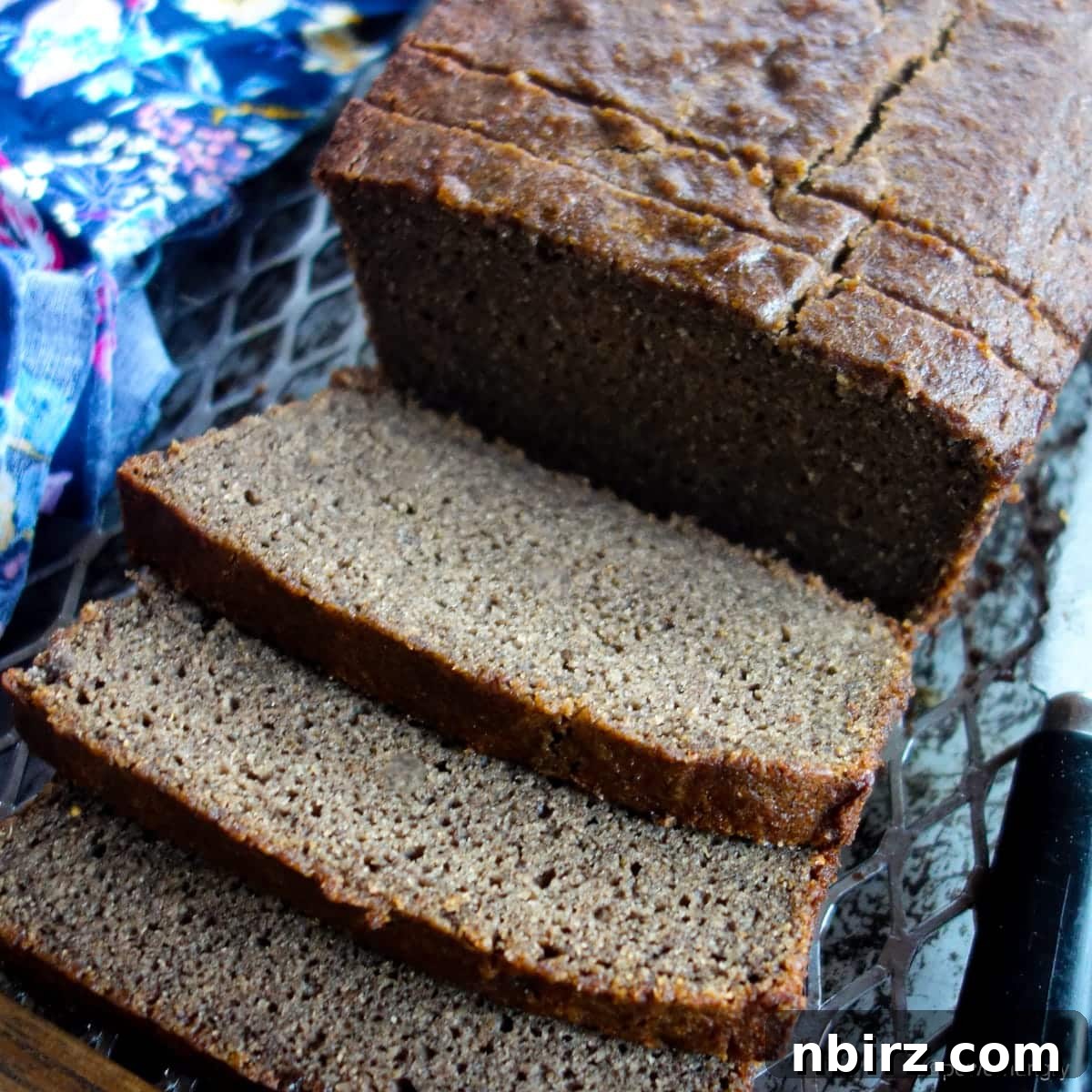
Are you searching for a delicious, wholesome, and guilt-free treat that caters to various dietary needs? Look no further! This **Vegan Buckwheat Flour Banana Bread** recipe is about to become your new kitchen obsession. It’s a delightful blend of rich flavor and incredible texture, all while being naturally gluten-free, egg-free, and dairy-free. Plus, it’s thoughtfully crafted with minimal added sugar, making it a perfect choice for a healthier lifestyle. Prepare to be amazed by how such a simple recipe can yield such an extraordinary result.
The Allure of Vegan & Gluten-Free Banana Bread Crafted with Buckwheat Flour
For years, banana bread has held a special place in the hearts of home bakers. Its comforting aroma filling the kitchen, its moist, tender crumb, and its delightful sweetness make it an undeniable classic. However, for those navigating dietary restrictions or simply seeking healthier alternatives, traditional banana bread recipes often fall short. That’s where our Vegan Buckwheat Flour Banana Bread steps in, offering a revolutionary twist on a beloved favorite.
My culinary journey has always been marked by a keen interest in exploring diverse whole grains. While buckwheat has long been a secret ingredient in my baking—often combined with wheat flour—I’ve recently embarked on a mission to let it shine on its own. Its unique properties and incredible versatility have genuinely captivated me. When it came to choosing a solo debut for buckwheat flour, a moist, cake-like banana bread felt like the perfect canvas. The result? A truly magnificent, wholesome, and utterly satisfying loaf that will quickly become your go-to recipe.
Demystifying Buckwheat: A Gluten-Free Ancient Seed
Despite its misleading name, buckwheat is not a type of wheat, nor is it related to wheat in any way. This is crucial information for anyone with gluten sensitivities or celiac disease. Buckwheat is, in fact, a fruit seed that belongs to the same family as rhubarb and sorrel. It’s one of the oldest cultivated crops globally, revered for centuries for its robust nutritional profile and distinctive flavor. Its history dates back thousands of years to Asia, and it has since become a staple in many cuisines worldwide.
You might already be a fan of buckwheat without even realizing it! Think of the savory French galettes, those thin crepes often filled with melting Gruyere cheese, or the hearty, earthy Japanese soba noodles that are a delight in broths or stir-fries. These traditional dishes highlight buckwheat’s versatility and its ability to add a unique depth of flavor. If your experience with buckwheat has been primarily limited to savory applications, prepare for a delightful surprise as we explore its potential in sweet baking.
Why Buckwheat Flour is a Baking Game-Changer
When buckwheat groats are milled into flour, they produce a wonderfully light and fine-textured flour. This characteristic alone makes it a fantastic alternative for various baked goods. Beyond its texture, buckwheat flour is exceptionally absorbent, even more so than traditional wheat flour. This absorbency contributes to incredibly moist and tender results in everything from cookies to muffins, and, of course, our star banana bread.
But let’s talk about the flavor! Buckwheat flour imparts a rich, earthy, and subtly nutty taste to baked goods. Many describe it as having notes akin to walnuts or pecans, adding a sophisticated depth that elevates even the simplest recipes. This distinct flavor profile makes it a superb choice for creating wholesome treats that don’t compromise on taste. Instead, they offer a complex and satisfying culinary experience.
A Nutritional Powerhouse: Fueling Your Body
If you need further convincing to integrate buckwheat flour into your baking repertoire, consider its impressive nutritional benefits. Buckwheat, whether in its whole form (groats) or milled into flour, is packed with essential nutrients. It stands out as one of the few plant-based sources that contain a complete spectrum of essential amino acids, rivaling the protein quality found in fish or meat. This makes it an excellent source of complete protein for vegans and vegetarians, and a valuable addition to anyone’s diet. It’s rich in fiber, which aids digestion and promotes satiety, and contains various minerals like magnesium, manganese, copper, and zinc. This combination of nutrients truly earns it the moniker of a “power food.” Perhaps we should even rename this recipe “power banana bread”?
The Unbeatable Benefits of This Vegan Buckwheat Flour Banana Bread
This particular banana bread recipe isn’t just delicious; it’s a testament to how wholesome ingredients can create truly extraordinary results while accommodating a wide range of dietary preferences. Here are some of the key benefits that make this recipe a must-try:
- Vegan (Egg-Free, Dairy-Free): Perfect for those following a plant-based diet or managing egg and dairy allergies. We use ripe bananas and flaxseed meal to create the perfect texture without any animal products.
- Gluten-Free: Made entirely with buckwheat flour, this bread is naturally free of gluten, making it safe and enjoyable for individuals with celiac disease or gluten sensitivity.
- Nut-Free: Ideal for households or school environments with nut allergies, this recipe relies on the natural richness of buckwheat and oil for moisture and flavor.
- High in Fiber: Buckwheat flour and bananas contribute significantly to the fiber content, promoting digestive health and helping you feel full and satisfied.
- No Refined Sugars: We sweeten this bread primarily with ripe bananas and a touch of coconut sugar, offering a healthier, more natural sweetness profile compared to recipes loaded with white sugar.
- Quick and Easy to Make (One Bowl!): Streamlined for convenience, this recipe requires minimal cleanup. All the wet and dry ingredients come together in a single bowl, making it perfect for busy mornings or spontaneous baking sessions.
Gather Your Ingredients: What You’ll Need
Creating this magnificent banana bread requires just a handful of simple, wholesome ingredients. The magic truly happens when these elements come together, transforming into a tender, flavorful loaf. Remember, the exact amounts are crucial for the perfect texture and taste, so please refer to the recipe card below for precise measurements. For your convenience, you can toggle between US Customary (volume) and Metric (weights) measurement options.
Key Ingredient Spotlight:
- Very Ripe Bananas: The riper, the better! Overripe bananas with plenty of brown spots are crucial for both sweetness and moisture. They are the natural binder and sweetener in this vegan recipe.
- Coconut Sugar: A natural, unrefined sugar that adds a caramel-like depth to the bread without being overly sweet. Brown sugar can be used as an alternative.
- Avocado Oil: Chosen for its neutral flavor and healthy fat profile, avocado oil contributes to the bread’s moist crumb. Feel free to use your preferred neutral-flavored oil.
- Vanilla Extract: Enhances all the other flavors, adding a comforting, aromatic note.
- Buckwheat Flour: The star of our show, providing the unique flavor, structure, and gluten-free nature of the bread.
- Flaxseed Meal: This acts as our vegan egg replacer, binding the ingredients together. Ground chia seeds can also be used.
- Baking Powder: The leavening agent that helps the bread rise and achieve a light, airy texture. Ensure it’s certified gluten-free if necessary.
- Ground Cinnamon: Adds warmth and a classic banana bread spice, complementing the earthy notes of buckwheat.
- Salt: A pinch of salt balances the sweetness and enhances the overall flavor profile.
Effortless Baking: Step-by-Step Guide
Making this vegan buckwheat banana bread is incredibly straightforward, perfect for bakers of all skill levels. Follow these simple steps for a perfect loaf every time. The complete, detailed directions are also provided in the recipe card at the end of this post.
- Prepare Your Pan and Preheat Oven: Begin by preheating your oven to 350°F (180°C). Lightly spray a 9×5-inch (22.5 x 12.5 cm) loaf pan with nonstick cooking spray, or for easier removal, line it with parchment paper, leaving an overhang on the longer sides.
- Combine Wet Ingredients: In a large mixing bowl, whisk together the finely mashed or pureed ripe bananas, coconut sugar, oil, and vanilla extract. Mix until all these ingredients are well blended and smooth.
- Add Dry Ingredients: To the same bowl, add the buckwheat flour, flaxseed meal, baking powder, ground cinnamon, and salt.
- Mix Until Just Combined: Stir the wet and dry ingredients together gently until just blended. Be careful not to overmix; a few small lumps are perfectly fine and will ensure a tender loaf. Overmixing can lead to a tough texture.
- Transfer to Pan: Spread the batter evenly into your prepared loaf pan.
- Bake to Perfection: Bake in the preheated oven for 45 to 50 minutes. You’ll know it’s ready when a wooden toothpick inserted into the center of the loaf comes out with only a few moist crumbs attached, or clean. The top should be golden brown.
- Cool Before Slicing: Let the banana bread cool in the pan on a wire rack for at least 20 minutes. This allows the bread to set properly and prevents it from crumbling. After 20 minutes, carefully remove the loaf from the pan and cool it completely on the wire rack before slicing and serving. Patience is key for the best texture!
Pro Tips for the Best Vegan Buckwheat Banana Bread
Achieving a perfect loaf of banana bread is simple, but a few expert tips can elevate your baking experience and ensure fantastic results every single time.
- Use Very Ripe Bananas: This cannot be stressed enough! Bananas with heavily spotted or even black skins are ideal. They are naturally sweeter and contribute essential moisture, reducing the need for more added sugar and fat.
- Don’t Overmix the Batter: Once you add the dry ingredients to the wet, mix only until just combined. Overmixing develops gluten (even in gluten-free flours, it can affect texture slightly) and can lead to a dense, tough bread. A few small lumps of flour are perfectly acceptable.
- Check for Doneness: The toothpick test is your best friend. Insert a wooden toothpick into the center of the loaf. If it comes out clean or with moist crumbs, your bread is done. If it comes out with wet batter, continue baking for a few more minutes and retest.
- Cool Completely: Resist the urge to slice into your warm banana bread immediately. Cooling allows the structure to set and helps the flavors meld beautifully. Slicing too soon can result in a crumbly loaf.
- Line Your Loaf Pan: Using parchment paper to line your loaf pan (with an overhang) makes removing the finished bread incredibly easy and guarantees no sticking.
Serving Suggestions & Creative Variations
This vegan buckwheat banana bread is incredibly versatile and can be enjoyed in many ways. Here are some ideas to inspire you:
- Classic Enjoyment: Serve a warm slice as is for a simple, satisfying snack or breakfast. It’s fantastic with a cup of coffee or tea.
- Toasted with Toppings: Lightly toast a slice and spread it with a dollop of vegan butter, a sprinkle of cinnamon, or a drizzle of maple syrup for an extra treat. Almond butter or peanut butter also make excellent toppings for added protein and flavor.
- Add-ins: Feel free to customize your bread with various mix-ins. Consider folding in a half-cup of vegan chocolate chips, chopped walnuts or pecans (if not nut-free), dried cranberries, or shredded coconut before baking.
- Make Muffins: This recipe can easily be adapted into muffins! Simply divide the batter into a greased or lined 12-cup muffin tin and reduce the baking time to about 20-25 minutes, or until a toothpick comes out clean.
Storage Solutions: Keeping Your Bread Fresh
Proper storage is essential to maintain the freshness and deliciousness of your homemade vegan buckwheat banana bread. Here’s how to keep it at its best:
- Room Temperature: Once completely cooled, store the bread at room temperature. Place it in an airtight container, a cake keeper, or loosely wrapped in foil or plastic wrap. It will stay fresh and moist for up to 3 days.
- Freezer Storage: For longer storage, this bread freezes beautifully. Once the loaf has cooled completely, wrap it tightly in plastic wrap, then enclose it in a layer of aluminum foil. Label and freeze for up to 6 months. To enjoy, simply thaw the frozen bread at room temperature for 2 to 3 hours before serving. You can also slice the bread before freezing, making it easy to grab individual portions to thaw as needed.
Frequently Asked Questions (FAQ)
Here are answers to some common questions about making and enjoying vegan buckwheat banana bread:
Q: Can I substitute buckwheat flour with another gluten-free flour?
A: While buckwheat flour gives this bread its unique flavor and texture, you might be able to substitute it with a gluten-free all-purpose flour blend. However, results may vary significantly in terms of texture and flavor, as buckwheat is quite absorbent and has a distinct taste. If substituting, choose a blend that includes a binder like xanthan gum.
Q: My bananas aren’t ripe enough. What should I do?
A: Very ripe bananas are key for sweetness and moisture. If your bananas aren’t ripe enough, you can try to ripen them quickly by baking them in their peels at 300°F (150°C) for 15-30 minutes, or until they are black and soft. Let them cool completely before mashing.
Q: Is this bread truly nut-free?
A: Yes, this recipe is formulated to be naturally nut-free, using avocado oil instead of nut oils and avoiding any nuts as optional add-ins. However, always check ingredient labels for cross-contamination warnings, especially for flours and other packaged goods, if severe allergies are a concern.
Q: Can I reduce the sugar even further?
A: The recipe is already low in added sugar, relying heavily on the natural sweetness of ripe bananas. You could try reducing the coconut sugar by another tablespoon or two, but this might slightly alter the texture and moisture content. Taste the batter (before adding leavening) and adjust if you wish.
More Gluten-Free & Vegan Buckwheat Creations
If you’ve fallen in love with buckwheat flour through this banana bread, there’s a whole world of delicious, wholesome recipes waiting for you to explore! Here are some other fantastic gluten-free and vegan buckwheat recipes:
- Wholesome Buckwheat Flour Carrot Muffins (Vegan, Oil-Free, GF)
- Hearty Gluten-Free Buckwheat Sandwich Bread (Vegan, No Yeast)
- Simple 4-Ingredient Buckwheat Flax Chia Bread (Vegan, GF, Oil-Free)
- Healthy No-Bake Buckwheat Granola Bars (Vegan, Gluten-Free)
- Flavorful Oil-Free Vegan Buckwheat Banana Bread (GF)
Recipe Card: Vegan Buckwheat Flour Banana Bread (Gluten-Free)
This delightful vegan buckwheat banana bread is naturally gluten-free, egg-free, and dairy-free, with a low amount of added sugar. It’s quick to make and incredibly satisfying!
By: Camilla
- Prep Time: 10 minutes
- Cook Time: 40 minutes
- Total Time: 50 minutes
- Servings: 12 slices
Ingredients
- 1 3/4 cups finely mashed or pureed very ripe banana
- 1/3 cup coconut sugar (or brown sugar)
- 1/3 cup avocado oil (or the oil of your choice)
- 1 teaspoon vanilla extract
- 1 2/3 cups buckwheat flour
- 3 tablespoons flaxseed meal (or ground chia seeds)
- 2 1/4 teaspoons baking powder (certified GF, as needed)
- 2 teaspoons ground cinnamon
- 1/4 teaspoon salt
Instructions
- Preheat oven to 350°F (180°C). Lightly spray a 9×5-inch (22.5 x12.5 cm) loaf pan with nonstick cooking spray (or line with parchment paper).
- In a large bowl, whisk together the bananas, coconut sugar, oil, and vanilla until blended.
- Add the buckwheat flour, flaxseed meal, baking powder, cinnamon, and salt. Stir until just blended. Do not overmix.
- Spread batter evenly in the prepared pan.
- Bake in the preheated oven for 45 to 50 minutes or until a toothpick inserted in the center comes out with a few moist crumbs attached.
- Let cool 20 minutes in the pan on a wire rack. Remove loaf and cool completely before slicing.
Notes
Storage: Store the cooled bread at room temperature in an airtight container, or loosely wrapped in foil or plastic wrap, for up to 3 days. Alternatively, wrap the cooled bread in plastic wrap, then foil, completely enclosing bread, and freeze for up to 6 months. Let the bread thaw at room temperature for 2 to 3 hours before serving.
Nutrition
Serving: 1 slice (1/12 of loaf)
Calories: 120 kcal | Carbohydrates: 22.1g | Protein: 2.6g | Fat: 2.8g | Saturated Fat: 0.2g | Sodium: 140.3mg | Fiber: 3.5g | Sugar: 10g