
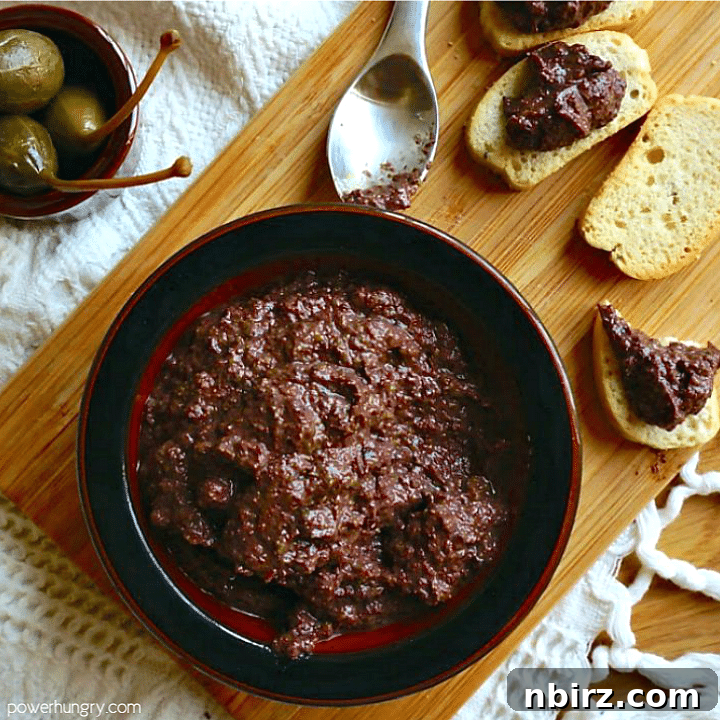
Welcome to the ultimate guide for creating a vibrant, flavorful, and incredibly healthy **Oil-Free Olive Tapenade**. This piquant spread is a true Mediterranean delight, offering a burst of savory goodness that instantly elevates any meal or snack. Perfect for those following a keto, paleo, low-carb, or vegan lifestyle, our recipe is designed to be both delicious and health-conscious, proving that you don’t need added oils to achieve rich, satisfying flavors.
Summer brings with it a delightful desire for simplicity, especially when it comes to cooking. The idea of spending hours over a hot stove often clashes with the desire to soak up the long, warm days. This is precisely why light, no-cook, or minimal-cook meals become invaluable. Imagine effortlessly assembling a refreshing spread of fresh fruits, crisp salads, artisan breads, and delectable plant-based cheeses like Cashew Boursin or Chickpea Flour Feta Cheese. To truly complete such a spread and infuse it with an irresistible zing, a healthy and vibrant dip or spread is essential. And for me, an all-time summer favorite that transcends seasons is tapenade.
What is Tapenade? Unveiling the Mediterranean Classic
At its heart, tapenade is a thick, intensely flavorful spread crafted from finely chopped or pureed olives, capers, and traditionally, olive oil. Originating from the sun-drenched region of Provence in the south of France, tapenade is a culinary staple often enjoyed as an appetizer, spread lavishly on bread, or integrated into a variety of main dishes to impart a distinctively salty and umami-rich flavor. Its name, “tapenade,” is actually derived from the Provençal word for capers, “tapenas,” underscoring the crucial role this tangy ingredient plays in defining the spread’s characteristic taste.
While the core ingredients of olives, capers, and olive oil remain central, tapenade’s beauty lies in its adaptability. Regional variations are common, with chefs and home cooks adding their unique touches. Common additions can include anchovies (for those who appreciate a deeper umami profile), fresh or dried garlic for an aromatic kick, various fresh or dried herbs such as thyme or rosemary, a splash of lemon juice for brightness, a hint of vinegar for acidity, or even a dash of brandy for complexity. My personal preference leans towards embracing most of these exciting additions, creating a robust flavor profile, though I typically omit the anchovies to keep it strictly vegan and plant-based.
Endless Culinary Possibilities: How to Serve Your Tapenade
While the most idyllic way to savor tapenade might be on toasted baguette slices in a charming Provençal villa, basking in sunshine with a glass of rosé and the scent of lavender fields drifting by, its versatility extends far beyond this dream. A freshly made batch of tapenade is truly transportive, bringing a touch of Mediterranean sophistication to countless meal and snack options. Its rich flavor and adaptable nature make it an invaluable addition to your culinary repertoire. Consider these fantastic ways to incorporate tapenade into your diet:
- Quick Topping for Crackers & Crisps: Spread a generous dollop on your favorite whole-grain crackers, rice crisps, or even vegetable slices for an instant gourmet snack.
- Stand-Alone Dip or Creamy Blend: Enjoy it as a hearty dip for raw vegetables like bell peppers, carrots, and celery sticks. For a creamier, richer dip or spread, blend it with a spoonful of my cashew cream cheese.
- Savory Spread for Sandwiches & Wraps: Replace traditional condiments like mayonnaise or mustard with tapenade on sandwiches, bagels, pita breads, or plant-based burgers for an explosion of flavor. It pairs exceptionally well with grilled vegetables or fresh greens.
- Instant Pasta Sauce: Toss it with hot pasta, adding a handful of halved cherry tomatoes, sun-dried tomatoes, or fresh basil for a quick, vibrant, and incredibly flavorful meal.
- Elevated Salad Component: Drizzle or dollop tapenade directly onto potato salads, green salads, or roasted vegetable salads. Its bold flavor acts as a fantastic dressing, tying all the ingredients together.
- Gourmet Pizza Spread: Use tapenade as a base sauce for your homemade pizza. Spread it thinly, top with thick-cut tomatoes, artichoke hearts, or red onions, and bake. Finish with a handful of fresh arugula or basil leaves before serving for an unforgettable experience.
- Bruschetta Topping: Spoon it over toasted bread, perhaps with a sprinkle of fresh herbs or a drizzle of balsamic glaze.
- Accompaniment to Grilled Vegetables: Serve alongside grilled zucchini, eggplant, or bell peppers for a healthy and flavorful side dish.
- Stuffed Mushrooms: Mix tapenade with breadcrumbs and herbs, then use it as a delicious filling for baked mushroom caps.
Why Choose Oil-Free Tapenade? Health, Flavor, and Simplicity
Given the inherent flexibility of tapenade, I saw an exciting opportunity to craft an oil-free version. The question isn’t “why remove the oil?” but rather, “why add more?” Olives themselves are wonderfully rich in natural, healthy oils, brimming with monounsaturated fats and antioxidants. By omitting additional olive oil, we not only reduce the overall calorie and fat content, making this version even lighter and more health-conscious, but we also allow the authentic, nuanced flavors of the olives and other fresh ingredients to truly shine through. This makes our tapenade an excellent choice for those seeking to minimize added fats without sacrificing taste, fitting perfectly into keto, paleo, low-carb, and vegan dietary frameworks.
Dispelling any myths, losing the oil absolutely does not equate to a loss of flavor. On the contrary, by focusing on fresh, high-quality ingredients, we achieve a depth and vibrancy that stands on its own. My oil-free tapenade recipe retains the essential, defining components – olives and capers – but enhances them with a thoughtful selection of aromatic and zesty elements. Fresh garlic provides a pungent warmth, while a generous helping of dried Herbes de Provence (or a quality dried Italian herb blend, which works equally well) infuses it with classic Mediterranean fragrance. Fresh lemon juice and lemon zest are critical; the zest contributes a bright, aromatic lift, and the juice provides the necessary liquid for achieving a perfectly thick, yet spreadable consistency, preventing the tapenade from becoming stiff or dry. A final touch of freshly ground black pepper adds a delightful kick, tying all the flavors together in a harmonious blend.
Crafting Your Own Oil-Free Olive Tapenade: A Step-by-Step Guide
Making this oil-free olive tapenade is refreshingly simple, requiring minimal effort for maximum flavor. The entire process takes just minutes in a food processor, making it a perfect last-minute addition to any meal or gathering. However, a few key tips will ensure you achieve the optimal consistency and flavor:
- Gather Your Ingredients: Before you begin, ensure all your ingredients are prepped. Drain your pitted Kalamata olives and capers thoroughly. Mince your garlic and finely grate your lemon zest, then juice the lemon. Having everything ready streamlines the process.
- The Power of the Pulse: Place all the measured ingredients – the drained olives, capers, herbs, minced garlic, lemon zest, and lemon juice – into a small food processor. Instead of continuous blending, utilize the “on/off” pulse option. Tapenade purees surprisingly quickly, and pulsing gives you much greater control over the final texture. This helps prevent over-processing and turning your spread into an undesirable paste.
- Scrape Down the Sides: As you pulse, the ingredients will inevitably stick to the bottom and sides of the food processor bowl. Periodically stop the machine and use a rubber spatula to scrape everything down towards the blades. This ensures all components are evenly chopped and blended, preventing pockets of whole olives or capers. Repeat this a few times until you reach your desired consistency.
- Embrace Texture: While the tapenade should be smooth and spreadable, it’s crucial to retain some texture. The best tapenades have a rustic charm, with tiny pieces of olives and capers visible, offering a delightful chew and visual appeal. Avoid processing it into a completely homogenous paste; stop when there’s still a subtle coarseness. This fine chop is what I prefer, providing a satisfying mouthfeel.
- Season to Taste: Once blended, taste your tapenade. Olives and capers are naturally salty, so additional salt is often unnecessary. However, now is the time to add freshly ground black pepper to taste. You can also adjust the lemon juice or add a tiny pinch more herbs if you feel it needs an extra boost of flavor.
- The Magic of Chilling: For the best possible flavor, transfer the finished tapenade to a small bowl, cover it, and chill in the refrigerator for at least one hour before serving. This crucial step allows all the incredible flavors to meld and deepen, resulting in a more complex and harmonious spread.
Customizing Your Tapenade: Beyond the Basics
One of the most appealing aspects of tapenade is its inherent flexibility. While there are foundational ingredients, there’s ample room for creativity and substitution, allowing you to tailor the spread to your personal preferences or what you have on hand. Don’t be afraid to experiment!
- Caper Considerations: Capers are fundamental to *authentic* tapenade; in fact, the very word “tapenade” is derived from the Provençal word for capers, “tapenas.” Their briny, tangy pop is distinctive. However, if you find yourself in a pinch or simply prefer to omit them, you can increase the quantity of olives slightly to maintain volume and flavor. Alternatively, a tiny amount of finely chopped cornichons or gherkins could offer a similar piquant note.
- Herb Harmony: The recipe calls for dried Herbes de Provence or an Italian herb blend, which provides a classic, robust flavor. But fresh herbs can elevate your tapenade even further. In the summer months, consider adding fresh basil or thyme for a bright, aromatic twist. As the seasons change, rosemary or sage can lend a more earthy, autumnal character – proving that tapenade is a wonderful year-round delight, not just a summer exclusive. Feel free to use about double the amount of fresh herbs compared to dried.
- Olive Odyssey: While Kalamata olives offer a wonderfully bold and fruity flavor, you truly can use almost any pitted olives you like in this recipe. For a milder tapenade, opt for canned, ripe black olives, which have a less intense briny flavor. Green olives, such as Picholine or Castelvetrano, will yield a brighter, slightly fruitier tapenade. A mix of different olive varieties can create a complex and interesting flavor profile. Tapenade is also a fantastic way to utilize those odds and ends of olives left in almost-empty jars in your refrigerator, preventing food waste.
- Additional Flavor Boosters: For extra depth and complexity, consider incorporating other oil-free ingredients into your blend. Rehydrated sun-dried tomatoes (ensure they are oil-free or thoroughly rinsed if oil-packed) can add a sweet, tangy dimension. A pinch of red pepper flakes can introduce a subtle heat, while roasted red peppers (drained well) can add a smoky sweetness. A tiny splash of good quality balsamic vinegar or red wine vinegar can also enhance the acidity and balance.
Storage Tips for Longevity
Once prepared, your homemade oil-free olive tapenade can be stored in a small, airtight container. I personally love using small glass jars for this purpose, as they keep the flavors fresh and prevent any absorption of odors. When properly sealed and refrigerated, the tapenade will maintain its vibrant flavor and texture for up to 3 weeks. However, given how utterly delicious and versatile it is, you’ll be lucky if it lasts that long!
Delicious Pairings: What to Serve with Tapenade
Looking for the perfect canvas for your incredible oil-free olive tapenade? Here are some fantastic, easy, vegan, and often gluten-free accompaniments that will make your tapenade shine. These options are designed to complement the bold flavors of the tapenade without overpowering it, offering a delightful textural contrast and satisfying crunch:
- Cheese-y Chickpea Flour Crackers {grain-free}: A savory, crunchy option that’s surprisingly easy to make and packed with plant-based protein.
- 2-ingredient Almond Flour Crackers {oil-free, grain-free}: For a minimalist approach, these crackers are quick, simple, and perfectly suited to an oil-free spread.
- Power Crackers: A robust and nutritious cracker option, offering a satisfying crunch.
- 3-ingredient Teff Crackers: A unique and gluten-free choice, providing a distinctive flavor and texture.
- Multiseed Quinoa Crackers: Loaded with healthy seeds, these crisps offer incredible texture and nutritional benefits.
- Scottish Oatcakes: A traditional and hearty option, perfect for a rustic pairing.
- 3-Ingredient Vegetable Chickpea Flour Flatbread: A soft, pliable flatbread that makes an excellent scoop or wrap for your tapenade.
- Fresh Vegetable Sticks: Classic choices like cucumber slices, carrot sticks, celery stalks, and bell pepper strips are always a healthy and refreshing complement.
- Endive or Radicchio Leaves: For a sophisticated presentation, use sturdy endive or radicchio leaves as edible cups for your tapenade.
Oil-Free Olive Tapenade: The Super-Easy Vegan Spread
This oil-free tapenade is a piquant spread perfect for sandwiches and snacks, offering a healthy, light, and vegan option. It’s also keto, paleo, and low-carb friendly.
Prep Time: 5 minutes
Total Time: 5 minutes
Yields: Approximately 1 cup (250 mL)
Ingredients
- 1 1/2 cups drained, pitted Kalamata olives (loosely packed)
- 2 tablespoons drained, jarred capers
- 1 1/2 teaspoons Herbes de Provence or Italian herb blend
- 2 or 3 small cloves garlic, minced (adjust to your preference for garlic intensity)
- 2 teaspoons finely grated lemon zest
- 3 tablespoons freshly squeezed lemon juice
- Freshly ground black pepper to taste
Instructions
- Place the drained olives, capers, dried herbs (Herbes de Provence or Italian blend), minced garlic, fresh lemon zest, and freshly squeezed lemon juice into a small food processor.
- Process the mixture using the on/off pulse function. This allows for better control over the consistency. Continue pulsing until the tapenade is smooth but still retains some visible texture; avoid over-processing into a completely smooth paste. Stop occasionally to scrape down the sides and bottom of the bowl with a spatula, ensuring all ingredients are evenly incorporated.
- Once the desired consistency is achieved, taste the tapenade and season with freshly ground black pepper as needed. Additional salt is usually not required due to the olives and capers.
- Transfer the prepared tapenade to a small, clean bowl or an airtight container. Cover tightly and refrigerate for at least 1 hour before serving. This crucial chilling period allows the flavors to deepen and meld together, enhancing the overall taste experience.
Recipe Notes
- Storage: Store any leftover tapenade in a small, covered container in the refrigerator for up to 3 weeks. Its vibrant flavor will remain intact for an extended period.
- Olive Options: Feel free to experiment with different types of pitted olives. While Kalamata olives provide a strong, fruity, and brine-cured flavor, you can also use green olives for a brighter taste, or canned ripe black olives for a milder tapenade. A combination of different olives can create a complex and nuanced flavor profile.
- Herb Customization: If fresh herbs are available, you can substitute 1-2 tablespoons of finely chopped fresh basil, thyme, or oregano for the dried herbs to add a fresh aromatic note.
- Spice It Up: For a subtle kick, consider adding a tiny pinch of red pepper flakes during the blending process.
Nutrition Information (per 1 tablespoon serving)
- Calories: 23 kcal
- Carbohydrates: 1.5g
- Protein: 0.3g
- Fat: 1.8g
- Saturated Fat: 0.2g
- Sodium: 278.1mg
- Fiber: 0.7g
Happy blending, and enjoy this incredibly versatile and delicious oil-free olive tapenade!