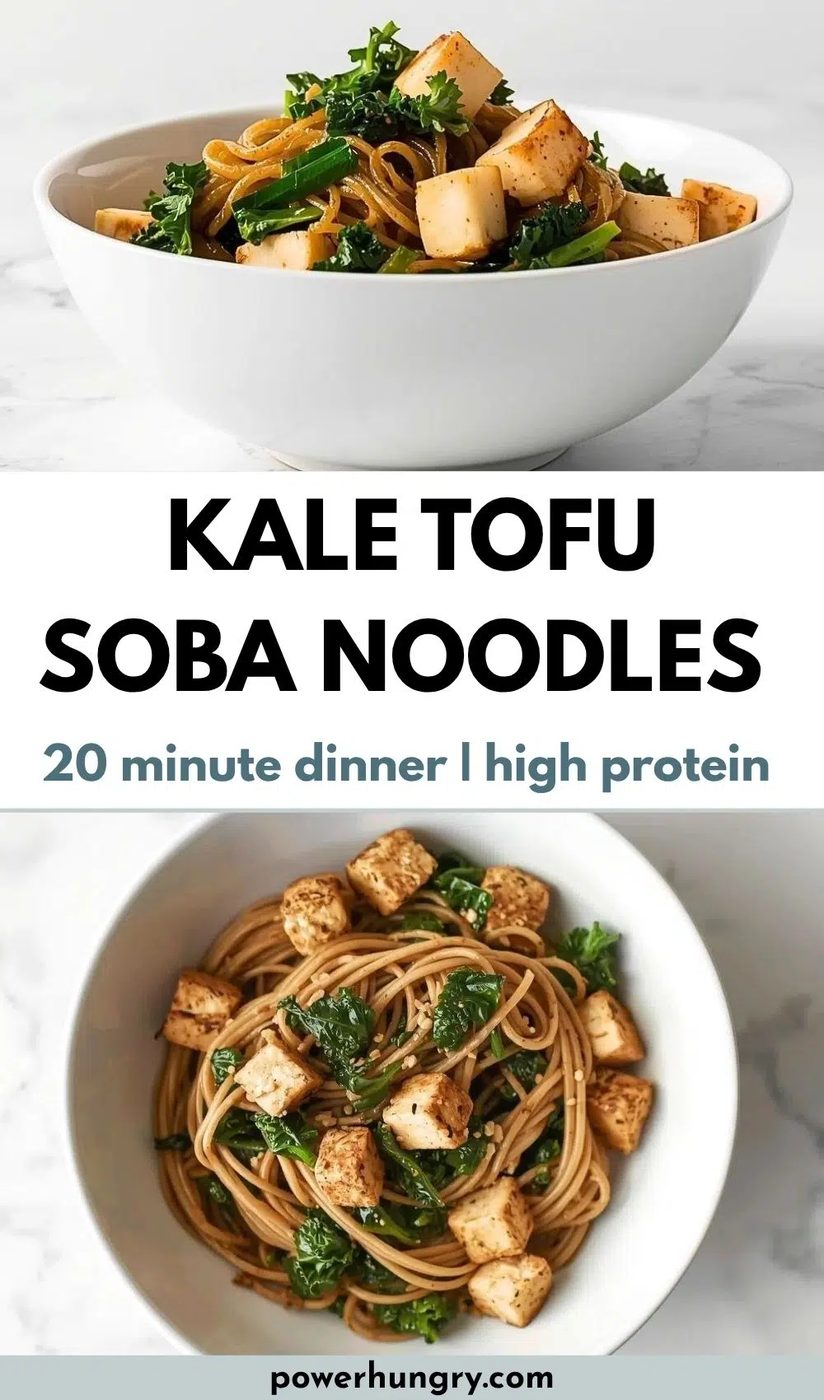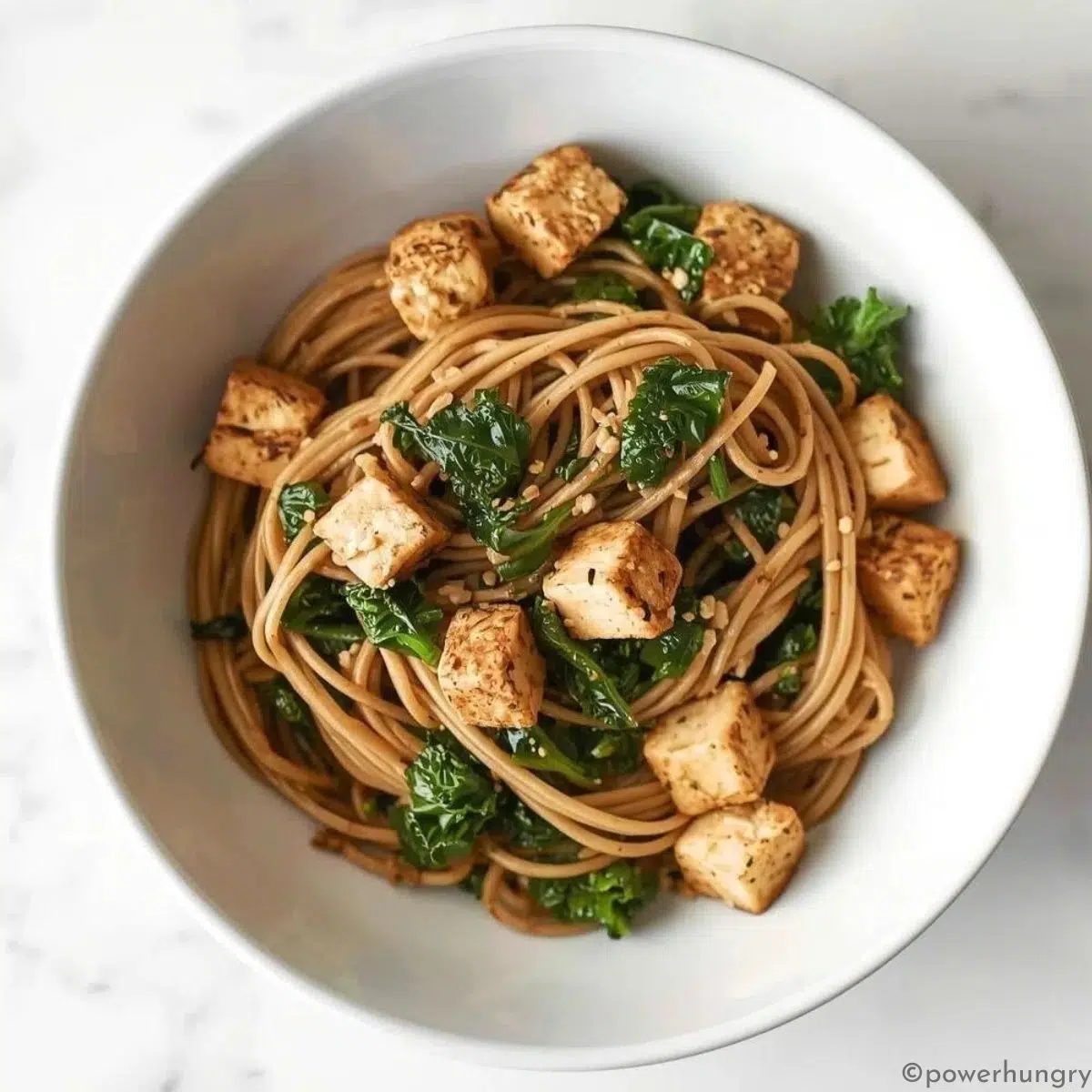
Fast, savory, and built for excellent leftovers, this kale tofu soba noodle stir-fry combines earthy buckwheat noodles, golden tofu, and an entire pound of kale with ginger, garlic, sesame, and a sweet-savory sauce. Dinner is ready in 18 minutes, with 20 grams of protein and 5 grams of fiber per serving.
Kale Tofu Soba Noodles: An 18-Minute Dinner
Some dinners earn their place in the regular rotation by being extravagant. Others succeed because they respect a busy evening.
My kale tofu soba noodles belong firmly in the second category. The entire dish takes 18 minutes from start to finish, yet it delivers the protein, fiber, vegetables, and staying power of a far more elaborate meal. Earthy soba noodles, crisp-edged tofu, and tender kale are tossed with fresh ginger, garlic, dark sesame oil, and a streamlined kecap-style sauce made from soy sauce and dark molasses.
The first time I made it, my son surveyed my bowl and asked:
“Mommy, why are you eating brown noodles and marshmallows?! With LEAVES?!”
To be fair, cubes of tofu do bear a passing resemblance to marshmallows. My explanation—that they were buckwheat noodles with tofu and kale—did little to clarify the situation from his perspective.
The grown-up assessment is considerably more enthusiastic. Soba brings an appealing earthy flavor; tofu supplies 20 grams of protein per serving; and a full pound of kale contributes substance, color, and 5 grams of fiber. The sweet-savory sauce ties everything together without requiring a long list of condiments.
Convenience is only half the story. The leftovers are outstanding. Once chilled, the noodles absorb more of the gingery sesame sauce and become a ready-made cold noodle lunch. I often enjoy the second-day version every bit as much as dinner—possibly more, since lunch has already made itself.
Why You’ll Love This Recipe
- Dinner is ready in 18 minutes.Preparation takes about 10 minutes, followed by only 8 minutes of cooking.
- Each serving has 20 grams of protein.Tofu and buckwheat noodles make the dish satisfying and sustaining.
- You get 5 grams of fiber per serving.Kale and soba bring considerably more to dinner than color and carbohydrates.
- It uses an entire pound of kale.The seemingly mountainous quantity softens into a manageable, generous serving of greens.
- The cooking method is exceptionally efficient.The kale and noodles soften together in one bowl of boiling water.
- A short ingredient list produces substantial flavor.Ginger, garlic, sesame oil, lime, and a quick sweet-soy sauce do the heavy lifting.
- The leftovers are superb.Enjoy them cold for lunch or gently reheat them for another fast meal.
- It can be made gluten-free.Choose certified gluten-free soba made without wheat.
- It can also be made soy-free.Use kitchen-made red lentil tofu or another firm soy-free tofu with coconut aminos.
Ingredients
The exact amounts of each ingredient are indicated in the recipe card at the end of the post.Toggle betweenUS Customary(volume) andMetric(weights) for preferred measurement option.
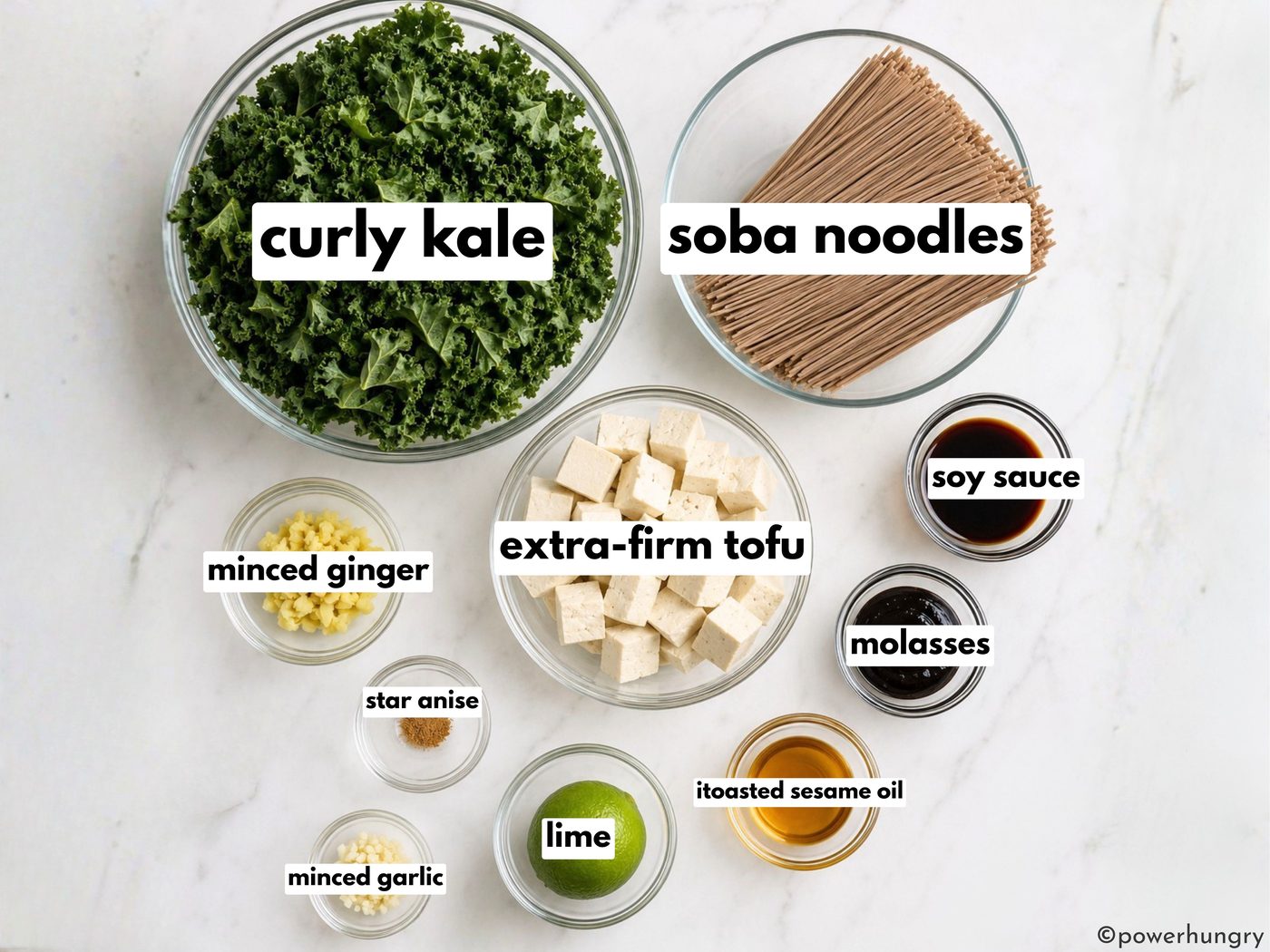
- Dried soba noodles:Soba are Japanese buckwheat noodles with an earthy, lightly nutty flavor. Not every brand is gluten-free; many contain both buckwheat and wheat flour.
- Curly kale:One full pound of chopped kale gives the dish its color, substance, and fiber. Remove the tough center stems before chopping the leaves.
- Reduced-sodium soy sauce:Forms the savory, umami-rich base of the sauce. Reduced-sodium sauce provides better control over the final seasoning.
- Dark cooking molasses:Adds sweetness, color, and deep caramel flavor. Use regular dark cooking molasses, not blackstrap, which is too bitter and intense for this recipe.
- Ground star anise:An optional pinch gives the sauce a subtle aromatic quality reminiscent of Indonesian kecap manis. A little goes a very long way.
- Extra-firm tofu:Provides protein and satisfying crisp-creamy texture. Extra-firm tofu holds its shape during browning and tossing.
- Dark sesame oil:Used to brown the tofu and sauté the aromatics. Its concentrated toasted flavor permeates the noodles without requiring a large amount.
- Fresh ginger:Two generous tablespoons give the dish warmth, brightness, and unmistakable gingery character.
- Garlic:Adds savory depth and becomes fragrant after only a brief turn in the hot pan.
- Lime wedges:A final squeeze of lime cuts through the sweet-savory sauce and wakes up every other flavor.
About the Quick Kecap-Style Sauce
The sauce is my streamlined riff on kecap manis, the thick, sweet soy sauce used in Indonesian cooking. Soy sauce supplies salt and umami, while dark molasses contributes sweetness and a deep caramel undertone. The optional star anise adds a quiet aromatic note.
If you have kecap manis, you can replace the soy sauce, molasses, and star anise with1/3 cup kecap manis. Check the label if you need the dish to be vegan or gluten-free.
How to Make Kale Tofu Soba Noodles
Note that the complete instructions are also in the recipe card below.
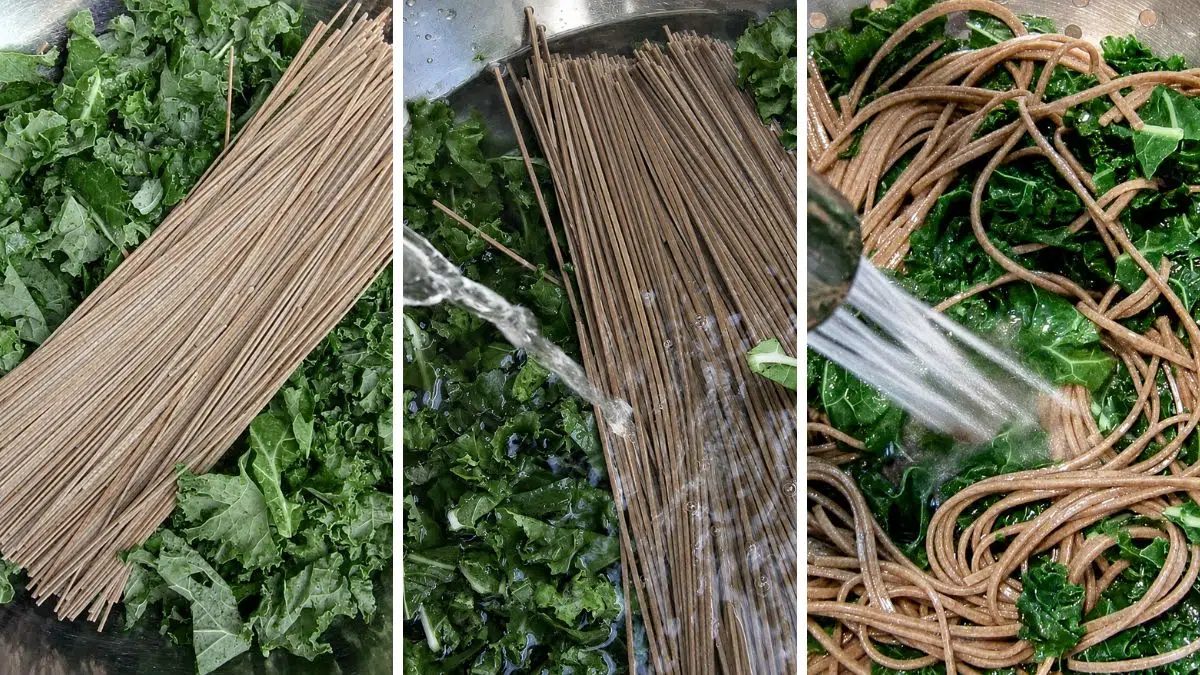
- Soften the Soba and Kale.Place the dried soba noodles and chopped kale in a large heatproof bowl. Carefully pour in enough boiling water to cover both. Let the mixture stand for 4 minutes. Drain it thoroughly in a colander, then rinse with cold water. The rinse stops the noodles from cooking further and removes excess surface starch that could make them sticky.
- Mix the Sauce.In a small bowl, whisk together the reduced-sodium soy sauce, dark cooking molasses, and optional ground star anise. Make sure the molasses is completely incorporated rather than sitting at the bottom of the bowl in one determined little puddle.
- Prepare the Tofu.Drain the tofu and cut it into approximately 1-inch cubes. Arrange the cubes on a clean kitchen towel or several layers of paper towel, then press gently to remove excess surface moisture. (Tip:Dry tofu browns. Wet tofu steams. It is a small distinction with significant dinner consequences.)
- Brown the Tofu.Heat a large nonstick wok or skillet over high heat. Add 2 teaspoons of the sesame oil. When the oil is hot, add the tofu in batches and brown it on multiple sides. Avoid crowding the pan, which traps steam and prevents the edges from becoming golden. Transfer the browned tofu to a plate.
- Cook the Aromatics.Add the remaining 2 teaspoons sesame oil to the pan. Add the ginger and garlic and stir-fry briefly, just until fragrant and lightly golden. Watch the garlic closely. At high heat, the journey from golden to scorched can happen quickly!
- Add the Kale and Noodles.Add the drained kale and soba noodles to the pan. Toss well to distribute the ginger, garlic, and sesame oil throughout the noodles.
- Finish with the Sauce and Tofu.Return the tofu to the pan and pour in the sauce. Cook and toss for 1 to 2 minutes, until everything is coated and heated through. Serve immediately with lime wedges—or cool and refrigerate the noodles for an excellent cold lunch.
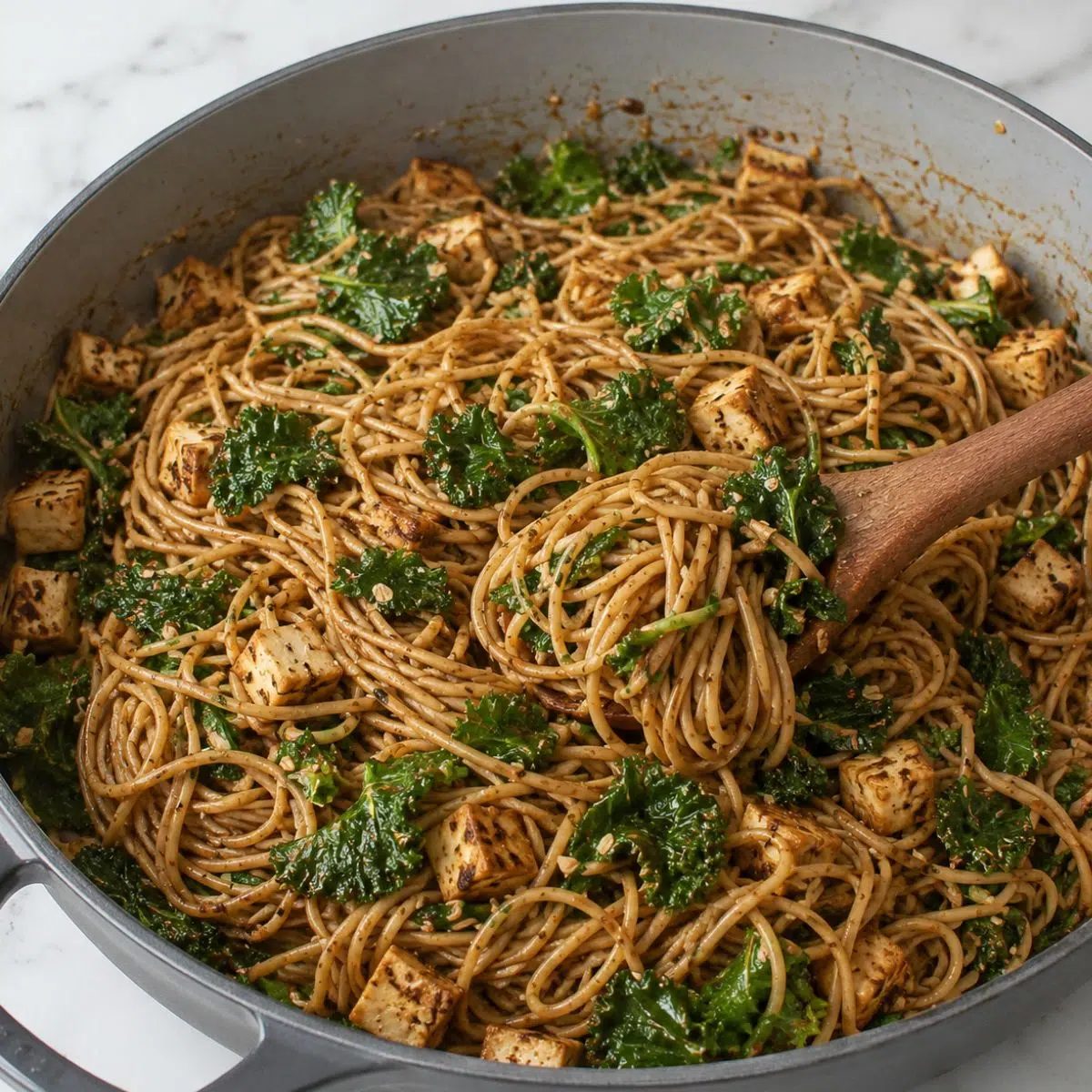
Taste and Texture
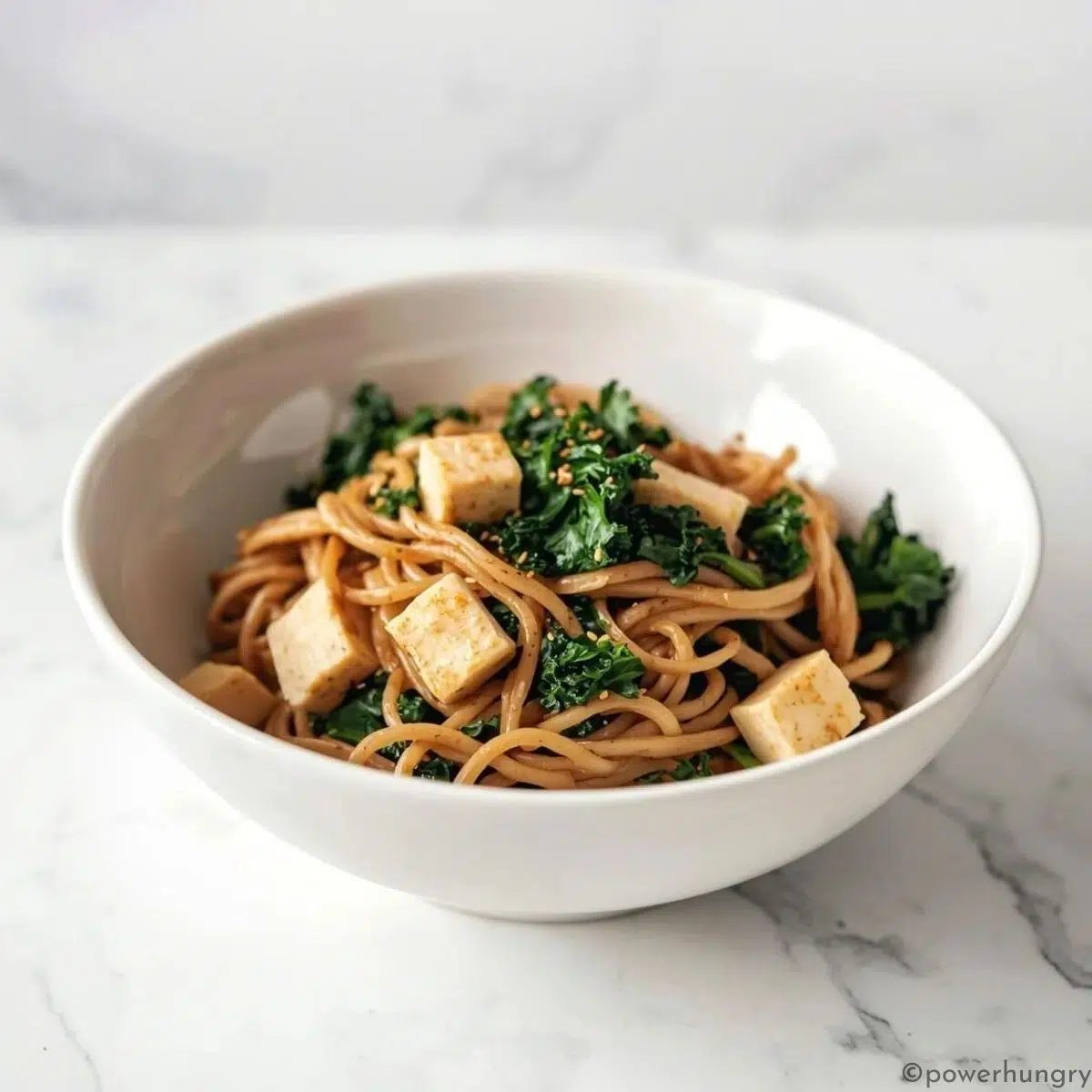
Earthy buckwheat noodles form the foundation of the dish, with enough chew to stand up to the kale and tofu. The kale becomes tender but retains some texture, preventing the noodles from feeling soft or one-dimensional.
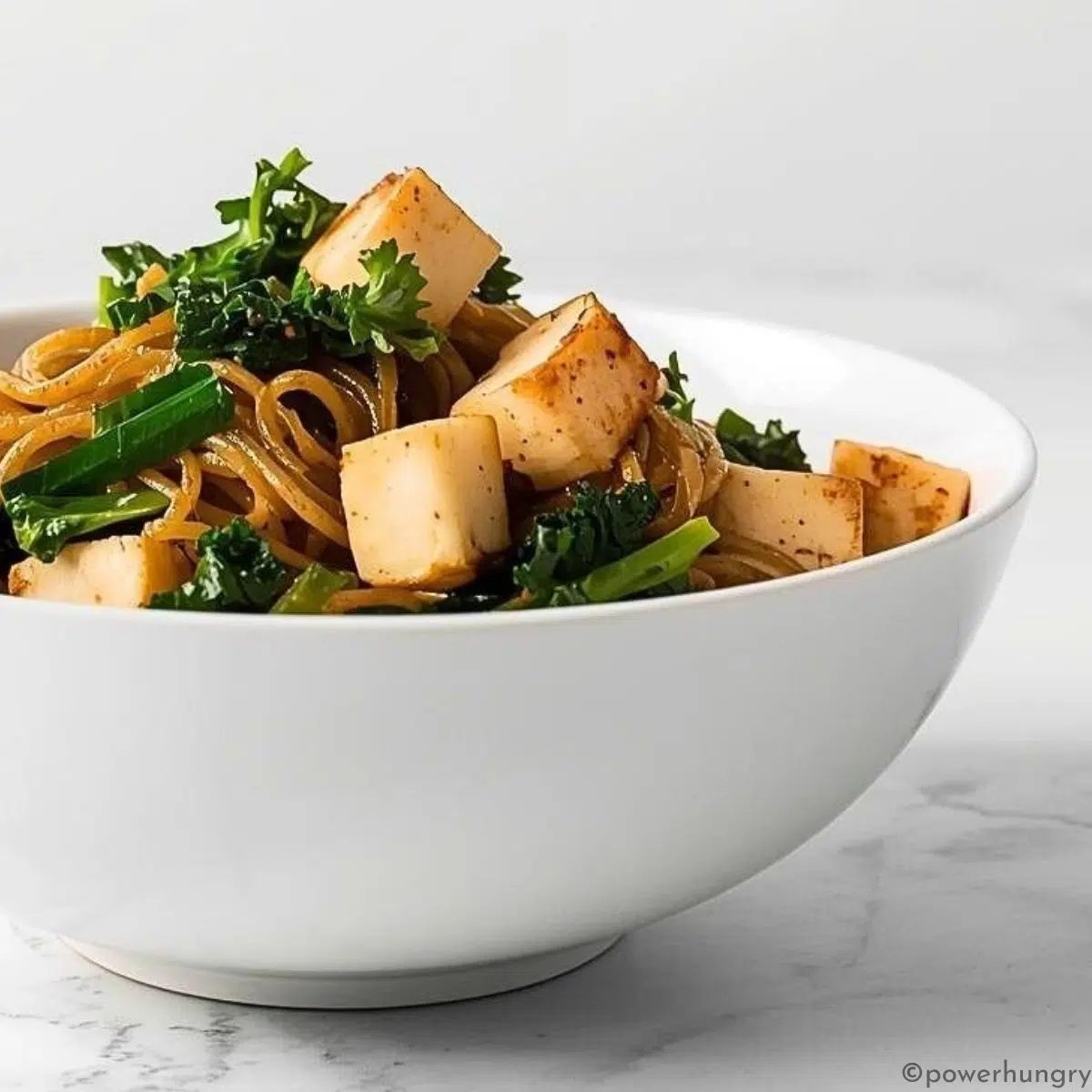
Browning gives the tofu lightly crisp, golden edges while the interior remains creamy and tender. The contrast is especially satisfying against the springy noodles.
The sauce is savory, sweet, and aromatic rather than heavy. Molasses adds dark caramel depth, while sesame oil, ginger, and garlic provide warmth and fragrance. If you include the star anise, it contributes a subtle licorice-like note rather than an overt anise flavor. Fresh lime supplies the final sharp, juicy contrast.
The chilled leftovers have a slightly firmer, more cohesive texture as the noodles absorb the sauce. They are particularly good eaten cold or allowed to stand at room temperature for 10 to 15 minutes before serving.
Storage for the Kale Tofu Soba Noodles
Let the noodles cool before transferring them to an airtight container.
- Refrigerator:Store for up to 2 days.
- To serve cold:Remove the noodles from the refrigerator and add a fresh squeeze of lime. They make an exceptionally convenient packed lunch.
- To reheat on the stovetop:Place the noodles in a skillet with a small splash of water. Cover and warm over medium-low heat, tossing occasionally.
- To microwave:Cover loosely and heat in short intervals, stirring between each interval.
- Freezer:Freezing is not recommended. Soba noodles and kale can become overly soft after thawing, while the tofu may develop a spongier texture.
Flavor Variations
- Spicy Soba Noodles:Add 1 to 2 teaspoons sriracha, sambal oelek, or chili-garlic sauce to the soy sauce mixture. Chili crisp is also excellent spooned over individual servings.
- Peanut-Sesame Noodles:Whisk 2 tablespoons smooth peanut butter and 2 to 3 tablespoons hot water into the sauce. Add enough water to make it easily pourable.
- Mushroom and Kale Soba:After removing the browned tofu, stir-fry 8 ounces of sliced mushrooms until golden. Proceed with the ginger and garlic.
- Extra-Vegetable Stir-Fry:Add thinly sliced bell peppers, shredded carrots, snow peas, broccoli, or bok choy. Cook firm vegetables before adding the ginger and garlic.
- Smoked Tofu Soba Noodles:Replace plain extra-firm tofu with smoked tofu for a deeper, savory flavor.
- Cold Soba Noodle Salad:Cool the completed noodles and add thinly sliced cucumber, shredded carrots, scallions, and toasted sesame seeds.
- Crunchy Topping:Finish with chopped roasted peanuts, cashews, or toasted sesame seeds.
- Kecap Manis Shortcut:Replace the soy sauce, molasses, and star anise with 1/3 cup prepared kecap manis.
Tips for Success
- Prepare every ingredient before heating the pan.Once the tofu begins cooking, the recipe moves quickly.
- Use a genuinely heatproof bowl.The bowl must safely withstand enough boiling water to cover both the kale and noodles.
- Check the noodles after 4 minutes.Soba thickness varies among brands. The noodles should be tender but still retain some bite.
- Rinse the soba with cold water.This stops the cooking process and washes away excess starch, helping the noodles remain separate.
- Drain the kale and noodles thoroughly.Excess water will dilute the sauce.
- Use extra-firm tofu.Softer tofu is more likely to break apart when browned and tossed with the noodles.
- Dry the tofu before cooking.Removing surface moisture encourages browning instead of steaming.
- Brown the tofu in batches.Give the cubes enough room to make direct contact with the pan.
- Use a large skillet or wok.A generous cooking surface makes it much easier to toss one pound of kale with the noodles.
- Do not use blackstrap molasses.Its bitterness and mineral intensity will overwhelm the sauce.
- Add the sauce near the end.Soy sauce and molasses can scorch if exposed to high heat for too long.
- Taste before adding salt.Soy sauce, liquid aminos, and kecap manis already contain substantial salt.
- Finish with fresh lime.The acidity is important; it balances the molasses and sesame oil.
- Read the soba label if gluten is a concern.Buckwheat is naturally gluten-free, but many soba noodles also contain wheat.
Ingredient Substitutions
- Soba noodles:Substitute rice noodles, brown rice noodles, or gluten-free spaghetti. Prepare alternative noodles according to their package directions rather than using the 4-minute soaking method automatically.
- Curly kale:Lacinato kale works equally well. Baby kale, spinach, or chopped bok choy can also be used, but softer greens should be added directly to the skillet near the end rather than soaked for the full 4 minutes.
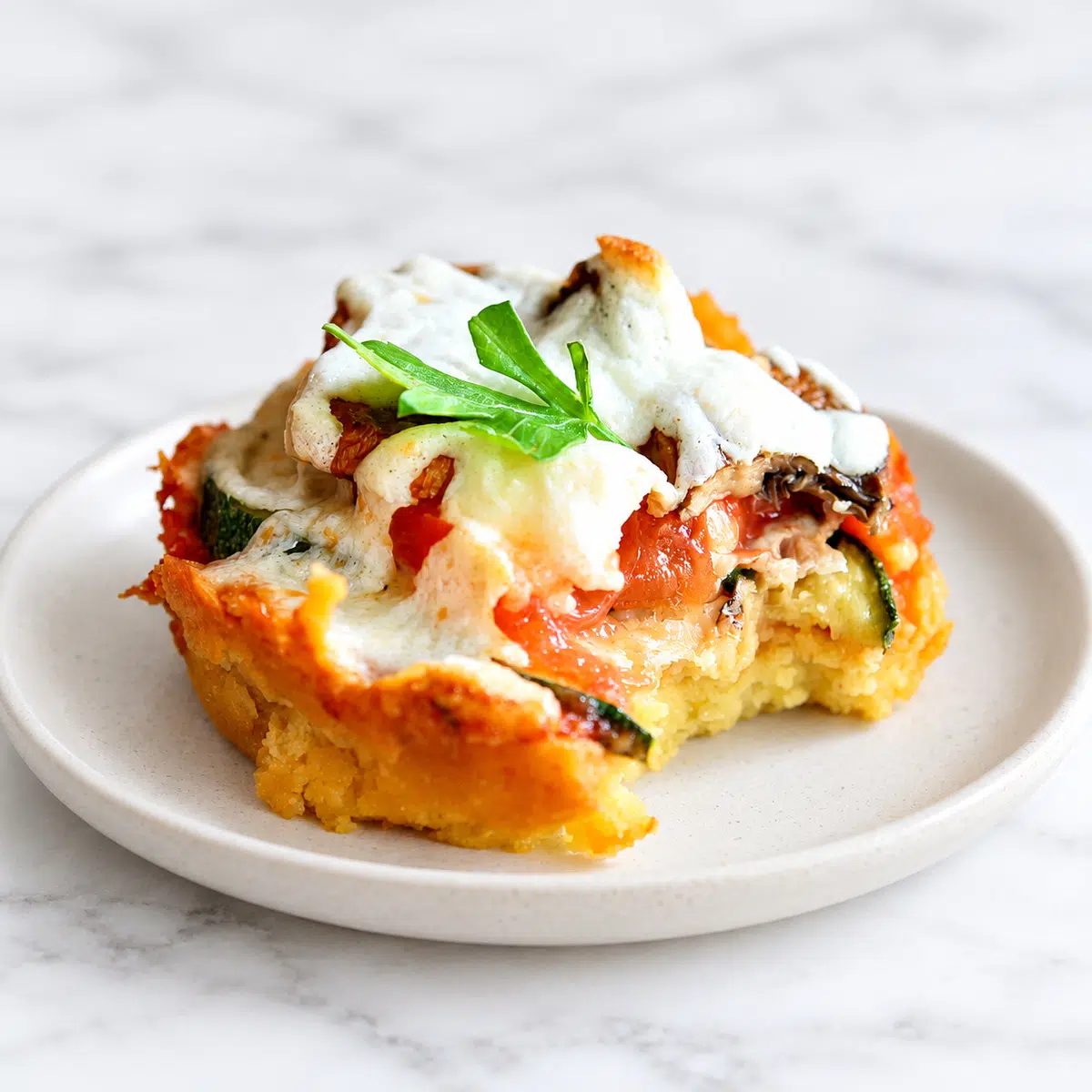
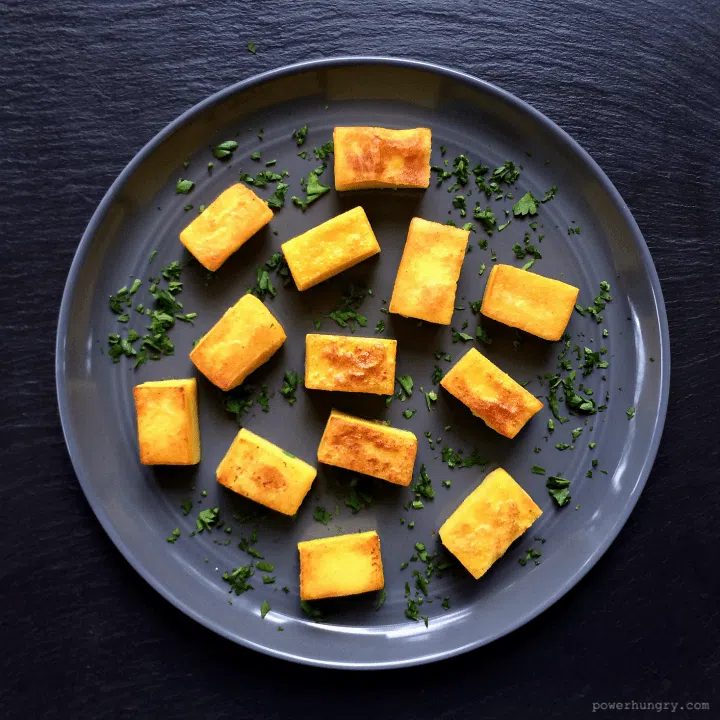
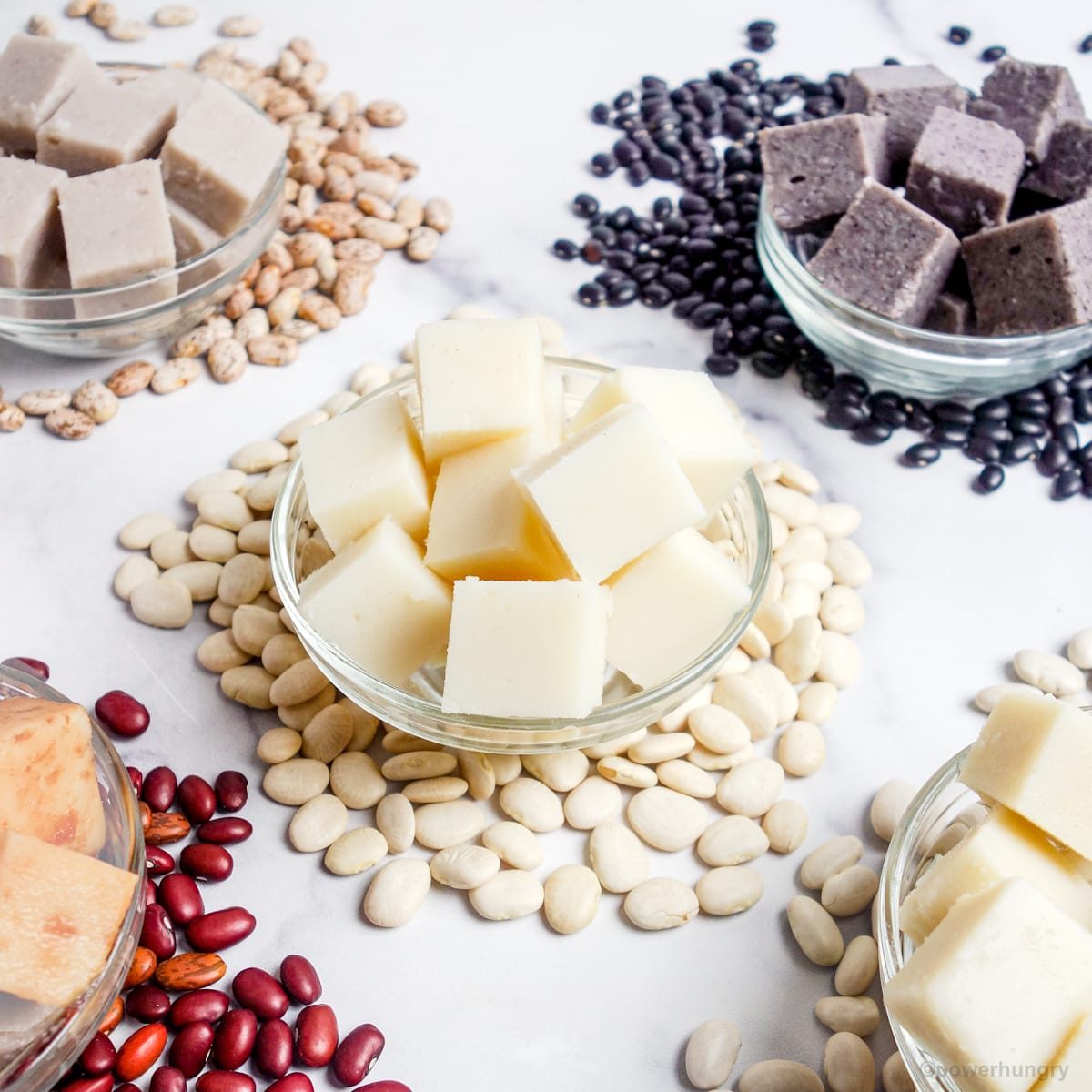
- Extra-firm tofu:Use extra-firm versions ofred lentil tofu,dried-bean tofu,split pea tofu, orchickpea flour tofufor a soy-free variation. You can also usehemp tofuorpumpkin seed tofu. Cubed tempeh is another option.
- Soy sauce:Use gluten-free tamari or liquid aminos as a one-to-one substitute. Coconut aminos provide a soy-free option but are sweeter and less salty, so you may wish to reduce the molasses slightly.
- Soy sauce, molasses, and star anise:Replace all three with 1/3 cup prepared kecap manis. Check the label for gluten, soy, and animal-derived ingredients if those are concerns.
- Dark cooking molasses:Mild molasses can be used. Do not substitute blackstrap molasses.
- Ground star anise:Omit it without making any other changes.
- Dark sesame oil:A neutral cooking oil can be used for browning, although the dish will lose some of its toasted sesame flavor. Add toasted sesame seeds before serving to restore some of that nuttiness.
- Fresh ginger:Substitute about 1/2 teaspoon ground ginger in a pinch, although fresh ginger provides a brighter and more complex flavor.
- Fresh garlic:Substitute 1/2 teaspoon garlic powder and add it to the sauce rather than the hot oil.
- Lime:Lemon wedges work well, or add a small splash of rice vinegar to the finished noodles.
Frequently Asked Questions
What are soba noodles?Soba are thin Japanese noodles traditionally made with buckwheat flour. They have an earthy, lightly nutty flavor and can be served hot or cold. Many commercial soba noodles contain a mixture of buckwheat and wheat flour, so the ingredient list matters if you avoid gluten.
Are soba noodles gluten-free?Not always. Buckwheat itself is naturally gluten-free, but many soba noodles also contain wheat flour. For a gluten-free dish, select soba that are labeled gluten-free and check that the soy sauce or tamari is gluten-free as well.
Can I make the recipe soy-free?Yes. Replace the extra-firm tofu with firm red lentil tofu or dried-bean tofu, and replace the soy sauce with coconut aminos. Because coconut aminos are sweeter and less salty than soy sauce, begin with slightly less molasses and adjust the sauce to taste.
Do I need to press the tofu?A long press is not essential, but removing excess surface moisture is important. Pat the cubes thoroughly with a clean kitchen towel or paper towels before cooking. Drier tofu browns more readily and is less likely to steam in the pan.
Why should I rinse the soba noodles?Rinsing stops the noodles from continuing to cook and removes excess starch from their surfaces. This prevents gummy, clumped noodles and gives the finished stir-fry a cleaner, springier texture.
Can I use prepared kecap manis?Yes. Replace the soy sauce, molasses, and optional star anise with 1/3 cup prepared kecap manis. Different brands vary in sweetness and saltiness, so taste before adding any additional seasoning.
Is the stir-fry spicy?No. Ginger and garlic provide warmth, but the original recipe does not contain chile. Add sriracha, sambal oelek, red pepper flakes, or chili crisp if you would like some heat.
Can I make kale tofu soba noodles ahead of time?Yes. The completed dish can be refrigerated in an airtight container for up to 2 days. The tofu will lose some of its initial crispness, but the noodles absorb more of the sauce and become particularly flavorful. Add fresh lime immediately before serving.
Can I eat the leftovers cold?Absolutely. The cold leftovers make an excellent packed lunch. Eat them directly from the refrigerator or let them stand at room temperature for 10 to 15 minutes, then refresh them with a squeeze of lime.
How should I reheat the noodles?Warm them gently in a covered skillet over medium-low heat with a small splash of water. You can also microwave individual portions in short intervals, stirring between each interval so the noodles heat evenly.
Can I freeze kale tofu soba noodles?Freezing is not recommended. The noodles and kale can become overly soft after thawing, and tofu often develops a spongier texture. Refrigeration preserves the dish much better.
Kale Tofu Soba Noodle Stir-Fry
- Prep Time: 10 minutes
- Cook Time: 8 minutes
Ingredients
- 8 ounces dried soba
- 16 ounces curly kale cleaned, tough stems removed, and chopped
- 3 tablespoons reduced sodium soy sauce
- 2 tablespoons dark cooking molasses (not blackstrap)
- Optional: 1/8 tsp ground star anise
- 14 ounces extra-firm tofu
- 4 teaspoons dark sesame oil (divided use)
- 2 tablespoons chopped peeled fresh ginger
- 2 cloves garlic minced
- Lime wedges for serving
Method
- Put the noodles and kale in a large bowl ; cover with enough boiling water to cover. Let stand 4 minutes. Drain in a colander and rinse with cold water.
- In a small bowl , whisk the soy sauce, molasses and (optional) star anise until blended.
- Drain the tofu, then cut into 1 inch (2.5 cm) cubes. Place cubes on paper towels (or dish towels), pressing down to remove any excess moisture.
- Heat a large non-stick wok or pan over high heat. Add 2 teaspoon of the sesame oil and when hot, add the tofu in batches, browning on all sides. Remove and set aside.
- Heat remaining 2 teaspoons sesame oil, then stir-fry the ginger and garlic until golden. Add the kale and soba and toss well.
- Add the tofu and soy sauce mixture. Cook and stir 1 to 2 minutes until heated through.
- Serve with lime wedges.
Notes
Storage: Store the leftover soba tofu kale stir-fry in an airtight container in the refrigerator for up to two days. Serve cold, or gently rewarm on the stovetop of microwave. Soy-free Tofu Options: Use one of my straightforward soy-free tofu recipes in place of the extra-firm tofu.For example, my Red Lentil Tofu or my Straightforward DIY Dried Bean Tofu . Soy-free soy sauce alternative: You can use coconut aminos as a 1:1 soy-free substitute for soy sauce. TIP–Check that soba are gluten-free: No. Soba noodles made from 100% buckwheat are gluten-free (buckwheat is a gluten-free grain). However, some brands of soba noodles are made from a combination of buckwheat flour and wheat flour (not gluten-free). If you need the dish to be gluten-free, read the label carefully and select noodles that are certified gluten-free.