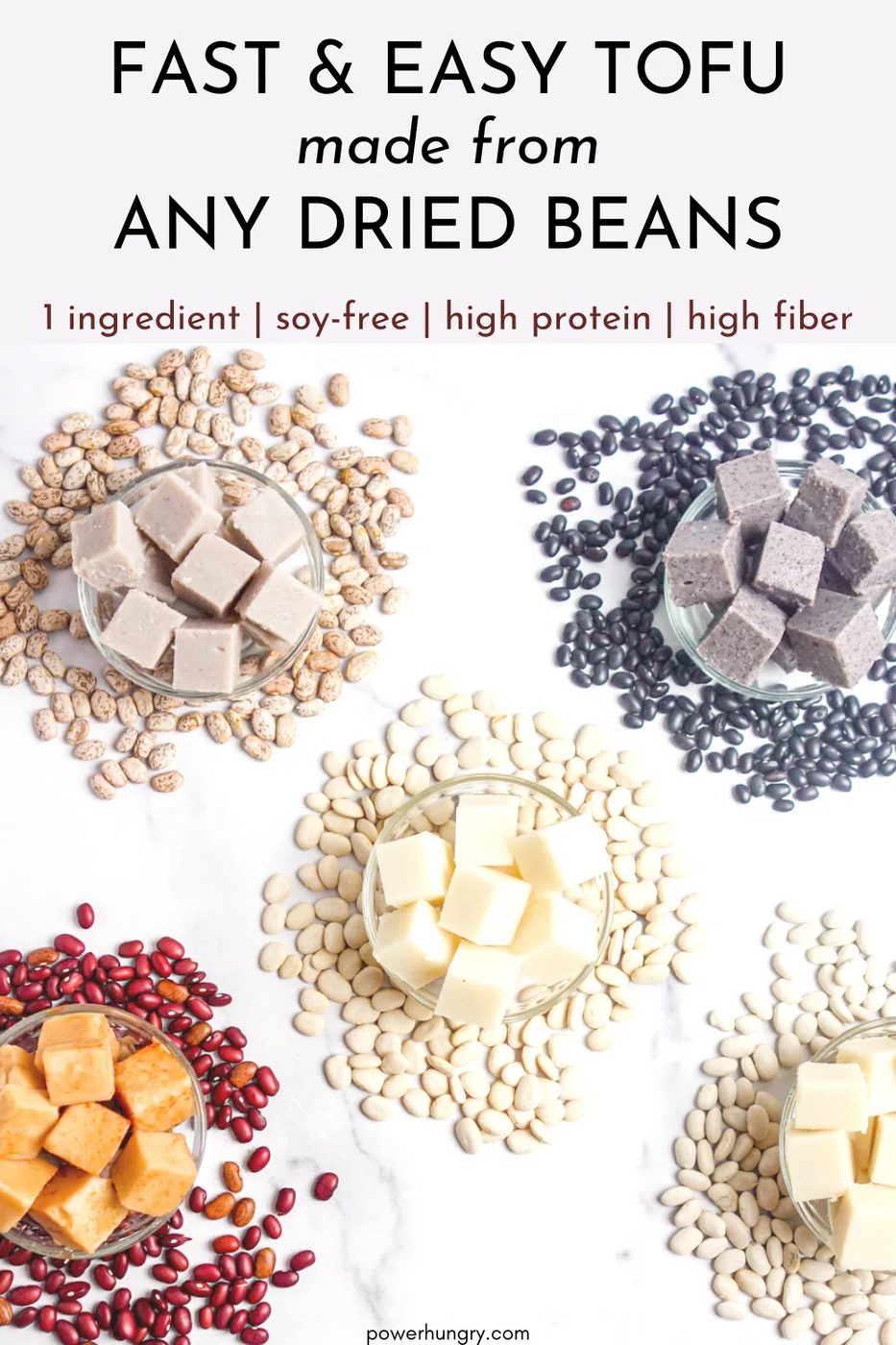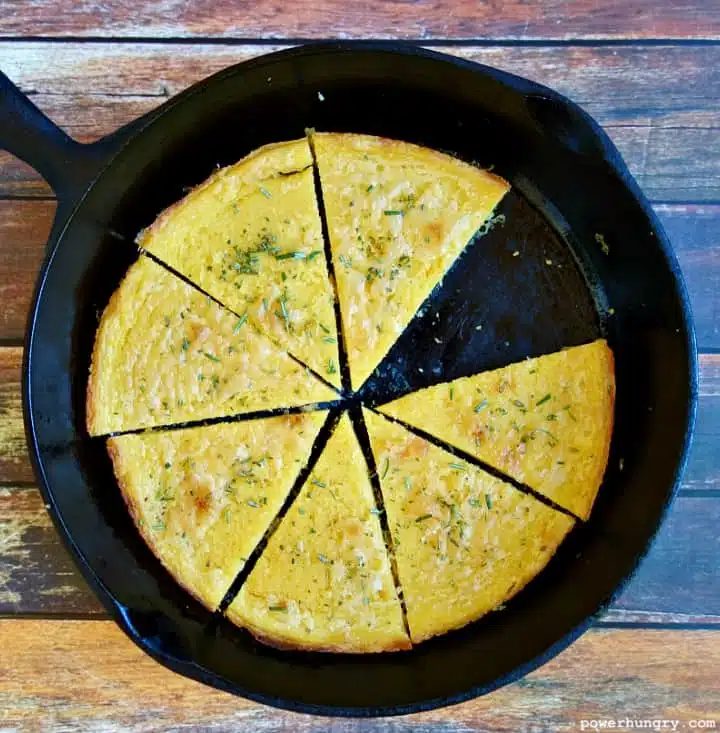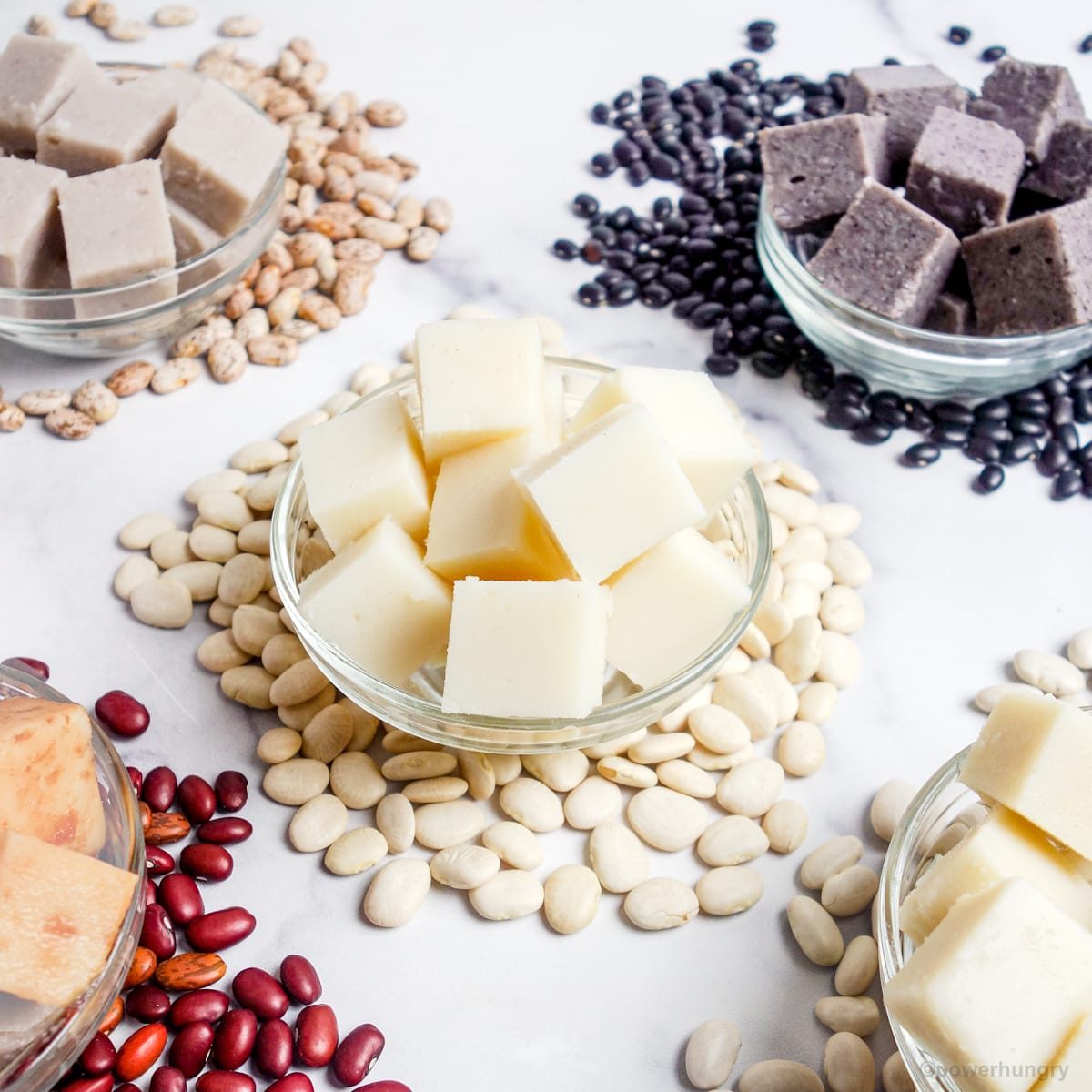
Turn a handful of dried beans into firm, sliceable bean tofu with one plain ingredient—no soy, coagulant, pressing, or special tofu mold required. This straightforward, economical recipe works with almost any dried bean and delivers 9 grams of protein and 10 grams of fiber per generous serving. Choose white beans for a mild, creamy tofu or darker beans for a heartier flavor and texture.
Introduction
A bag of dried beans is all you need to make a firm, sliceable block of bean tofu. No soybeans, coagulants, tofu press, or marathon project required—just soak, blend, cook, and chill.
My recipe began with a question: Could I adapt myred lentil tofumethod to ordinary dried beans? I put the idea on my testing list, where it sat for several months. Oops and apologies. But also: better late than never.
Part of the delay was ambition. I did not want a method that worked with one carefully selected bean; I wanted to know whether it would work with almost any dried bean. That meant a great deal of tofu and a great deal of refrigerator space. With fair warning to my husband and son, I got to work.
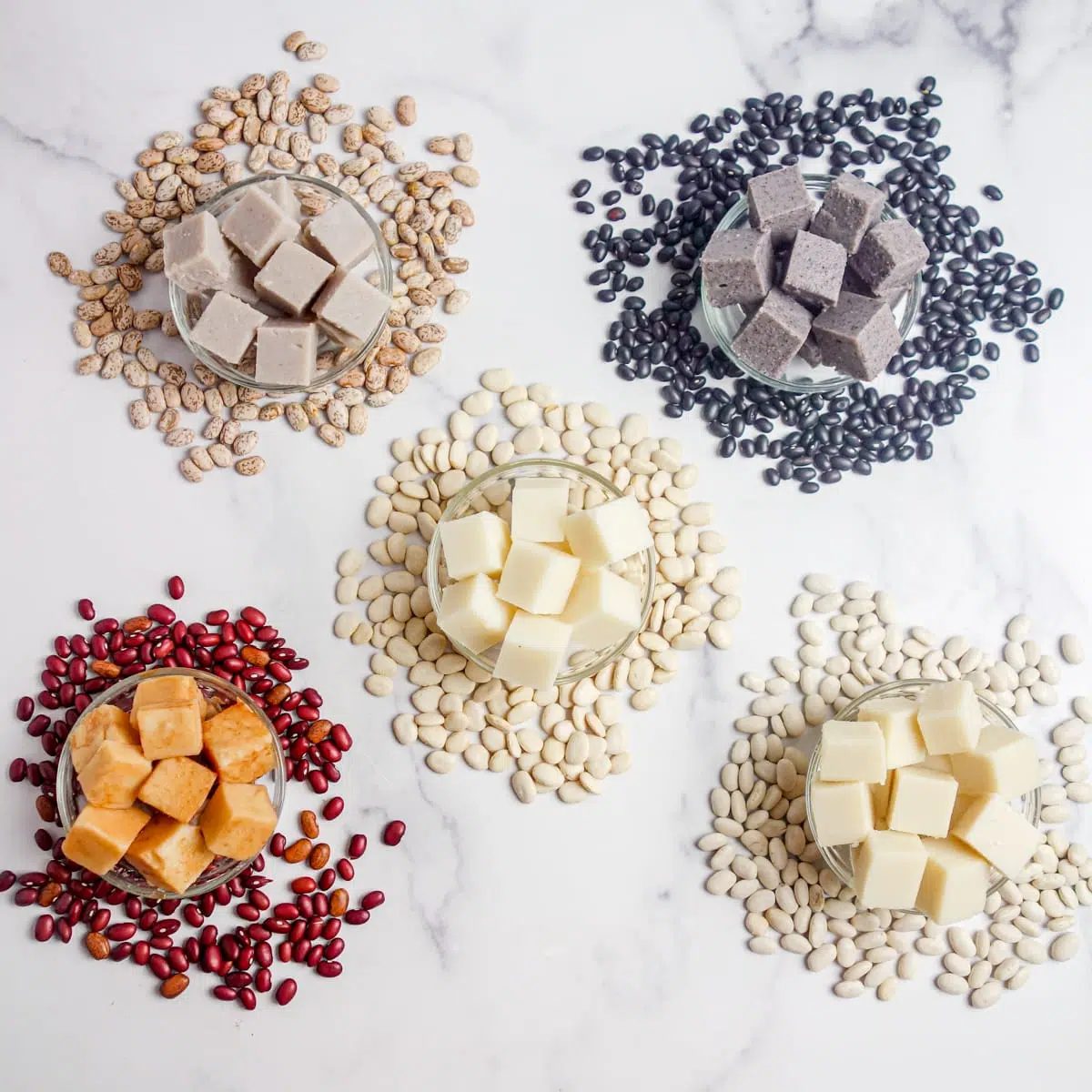
And—drumroll, or dried bean shaker—success! Black beans, pinto beans, lima beans, adzuki beans, Great Northern beans, small red beans, and chickpeas can all be transformed into kitchen-made tofu with the same basic technique. The beans provide both the protein and the structure, so the recipe needs no starch, oil, or setting agent.
This is not traditional curd-style soy tofu. The whole-bean method is closer to Burmese or Shan chickpea tofu: the soaked beans are blended with water, cooked until thick and glossy, and then chilled until firm. The result is inexpensive, satisfying, wonderfully versatile, and especially useful for anyone who needs or wants a soy-free tofu option.
Why You’ll Love This Bean Tofu Recipe
- One main ingredient:Dried beans do all the structural work; water and salt are the only additions.
- Almost any dried bean works:Change the bean and you change the color, flavor, and texture.
- A useful soy-free option:It can stand in for tofu in stir-fries, scrambles, bowls, sandwiches, and many other dishes.
- High in protein and fiber:Each generous 8-ounce serving is high protein and high fiber, with 9 grams of protein and 10 grams of fiber.
- Friendly to many dietary needs:The recipe is vegan, gluten-free, grain-free, oil-free, nut-free, and seed-free.
- Frugal and pantry-friendly:A modest amount of inexpensive dried beans makes four large servings.
- No tofu press required:The mixture sets directly in a glass or ceramic dish.
- Adjustable texture:A small change in the blending water produces silken, firm, or extra-firm bean tofu.
Ingredients for Straightforward DIY Dried Bean Tofu
The exact amounts of each ingredient are indicated in the recipe card at the end of the post.Toggle betweenUS Customary(volume) andMetric(weights) for preferred measurement option.
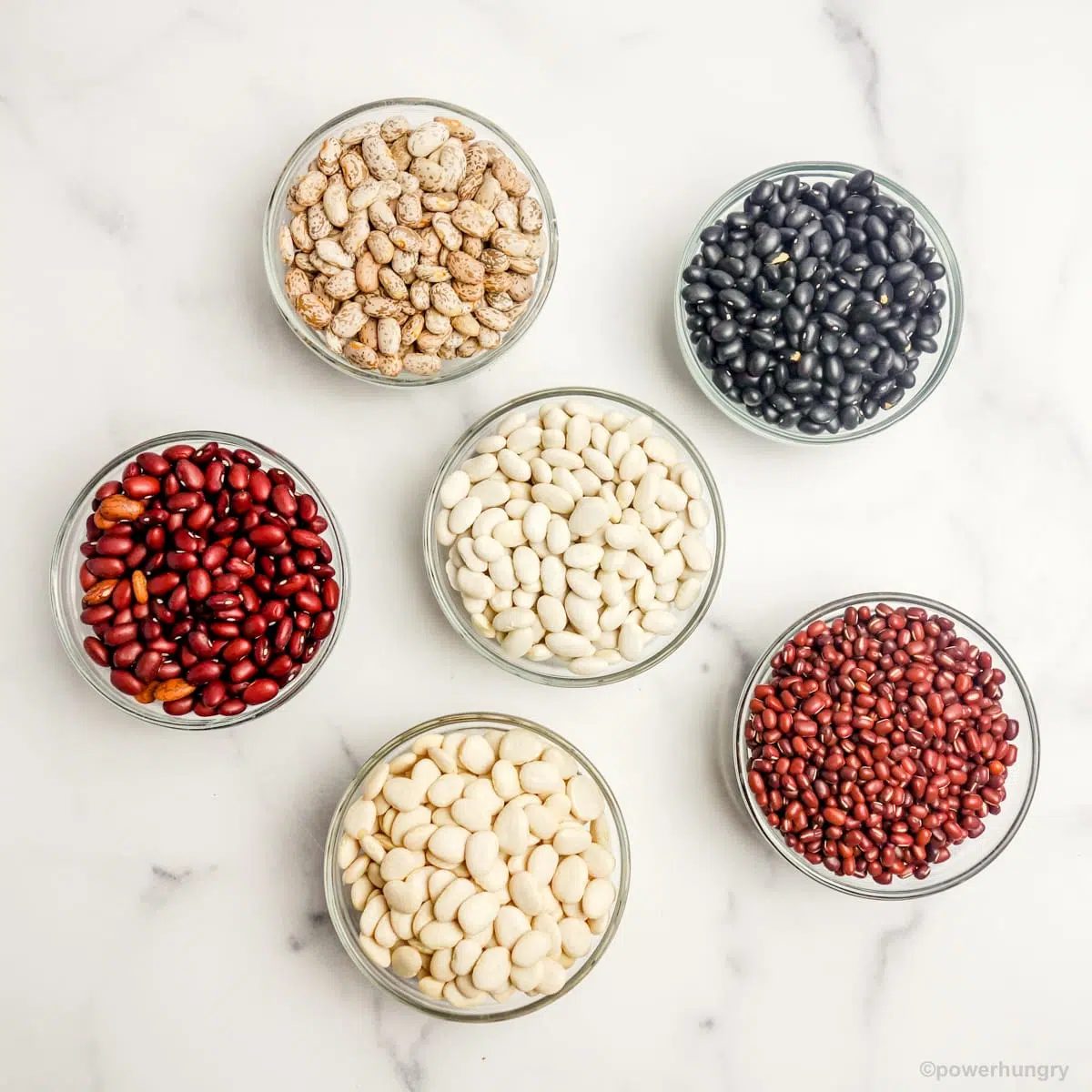
- Dried beans:Use uncooked dried beans,not canned, cooked, or frozen beans.I have had excellent results with a range of red legumes, such as black beans, pinto beans, baby lima beans, adzuki beans, Great Northern beans, small red beans, and chickpeas. White beans create the mildest, silkiest tofu; baby lima beans are my hands-down go-to. Avoid large red kidney beans, which have thick skins and did not produce a texture I liked.
- Boiling water:This is used for the quick soak, softening the beans enough to blend them into a very fine mixture. A long, cool-water soak is also an option and is the better choice at high altitude.
- Fresh water:Blend the drained beans with fresh water. I use filtered tap water; no specialty water is needed. The amount determines the final texture of the tofu.
- Fine sea salt (optional):Salt gives the tofu a more rounded flavor, but it can be reduced or omitted according to your needs and how you plan to use the tofu.
How to Make Bean Tofu from Dried Beans
Note that the complete instructions are also in the recipe card below.
- Rinse the beans.Place the dried beans in a colander or fine-mesh sieve and rinse well under cold running water to remove any dust or debris.
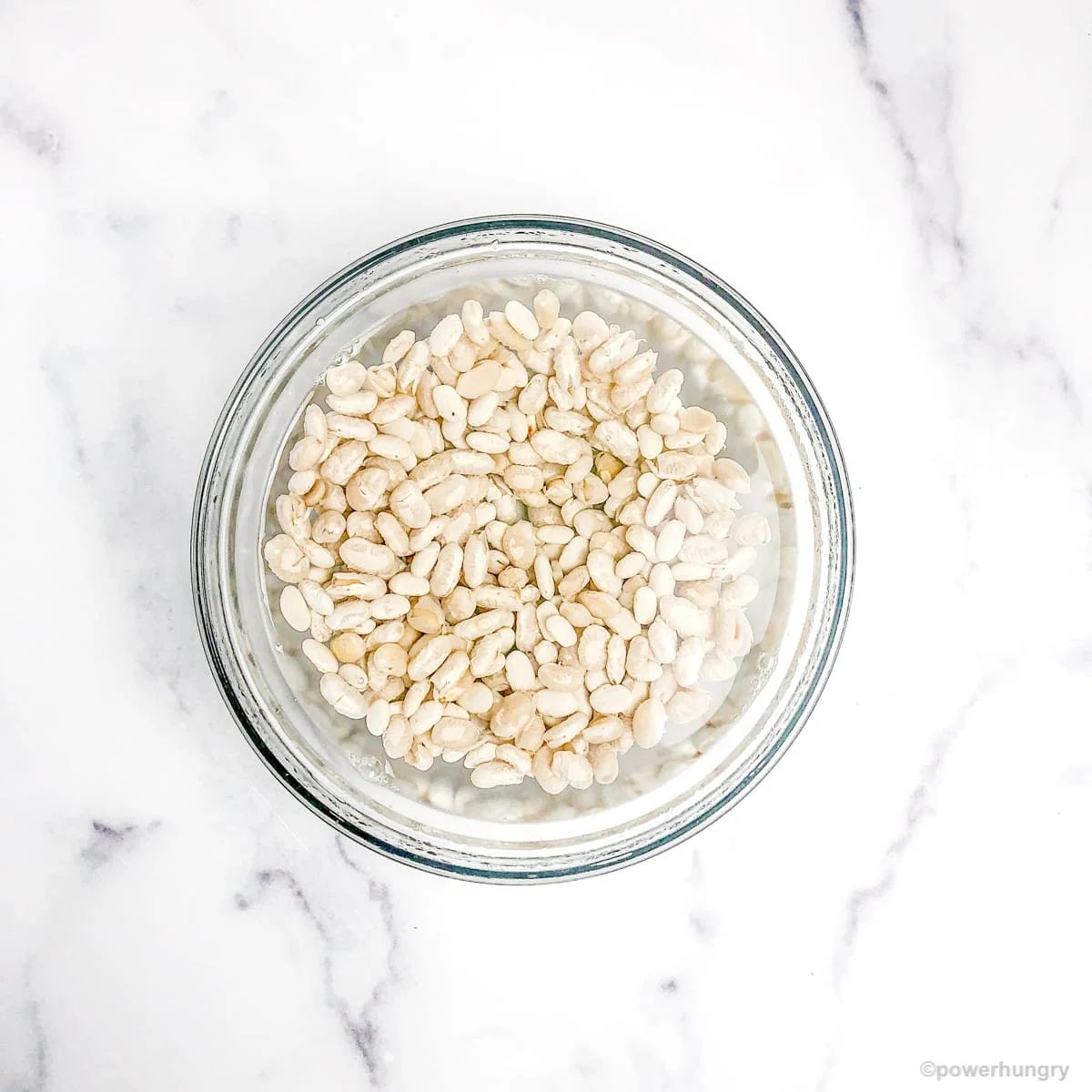
- Quick-soak the beans.Place the rinsed beans in a medium bowl and cover them with boiling water by at least 1/2 inch (1.25 cm). Let them stand for 20 minutes, until slightly plumped and the water has cooled. For the long-soak option, cover the beans with cool water and let them stand for 12 to 24 hours.
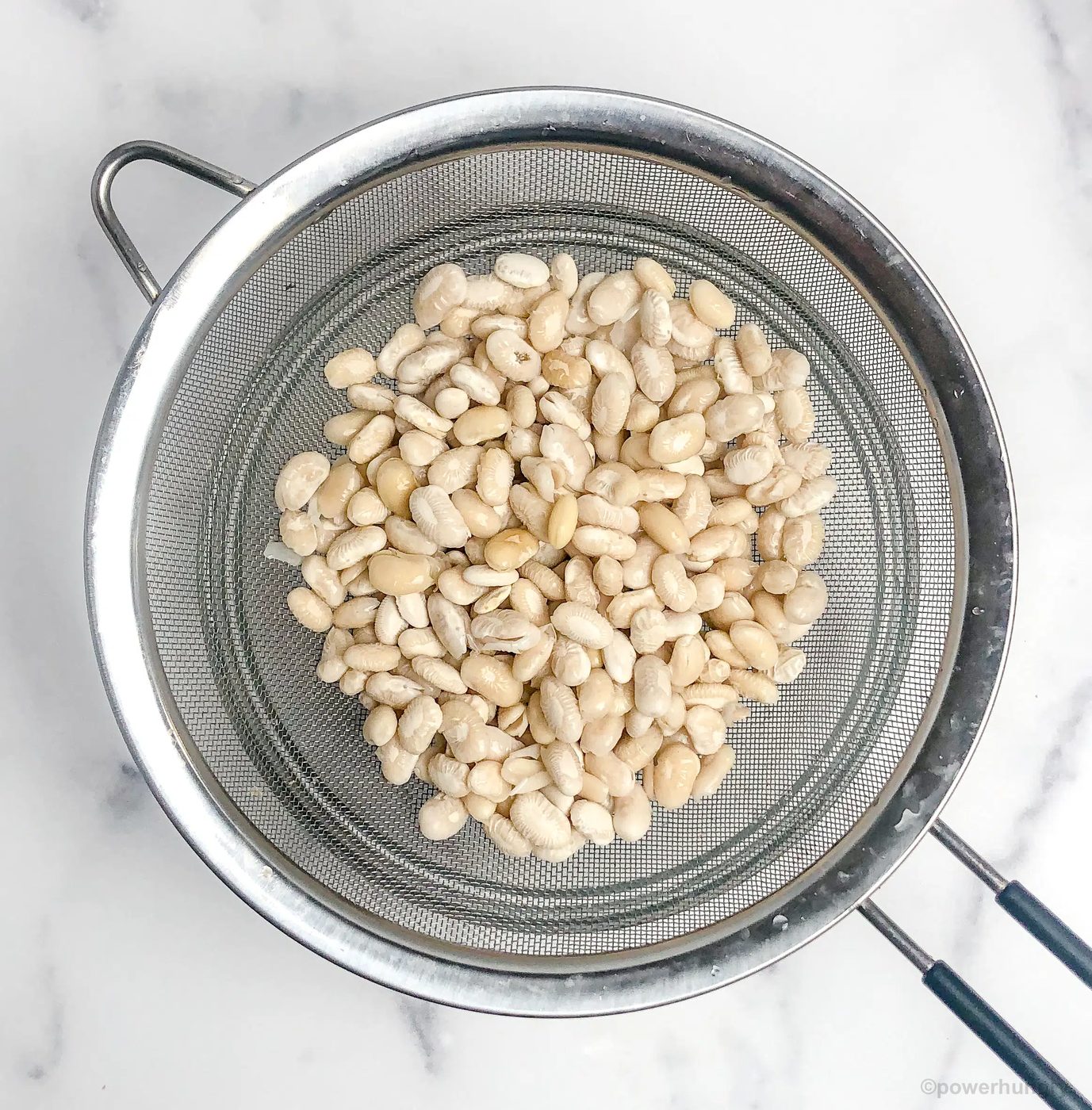
- Drain and rinse.Drain the soaked beans, discard the soaking water, and rinse again. Black bean soaking water will be quite dark and inky; that is completely normal.
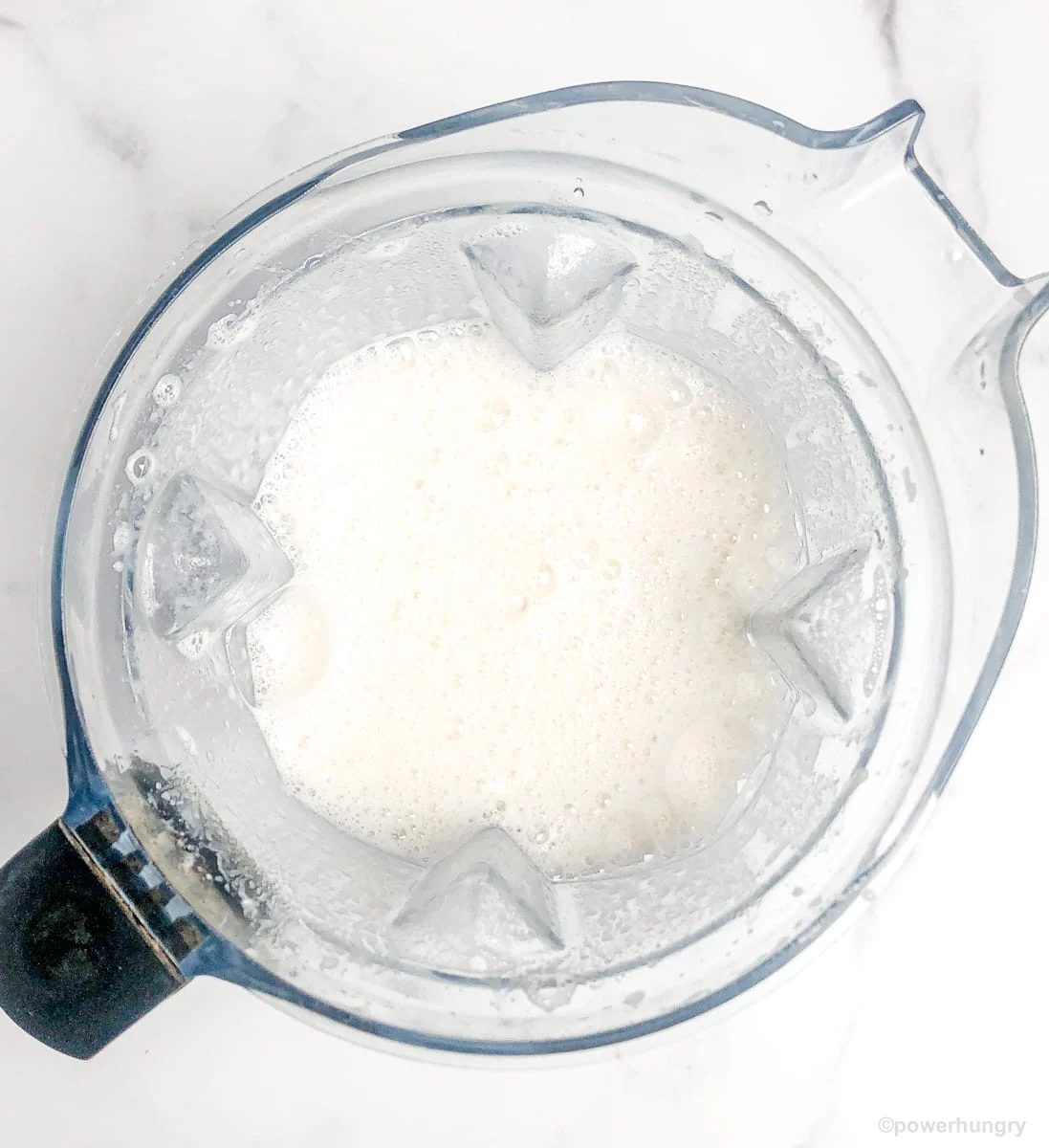
- Blend until completely smooth.Combine the drained beans, 2 and 3/4 cups fresh water, and the optional salt in a blender. Blend on high, stopping to scrape down the container as needed, until no bean pieces remain. A faint, fine-grained texture from the skins of darker beans can be normal, but there should be no larger bits. If only a few tiny pieces remain, strain the mixture through a fine-mesh sieve and discard them.
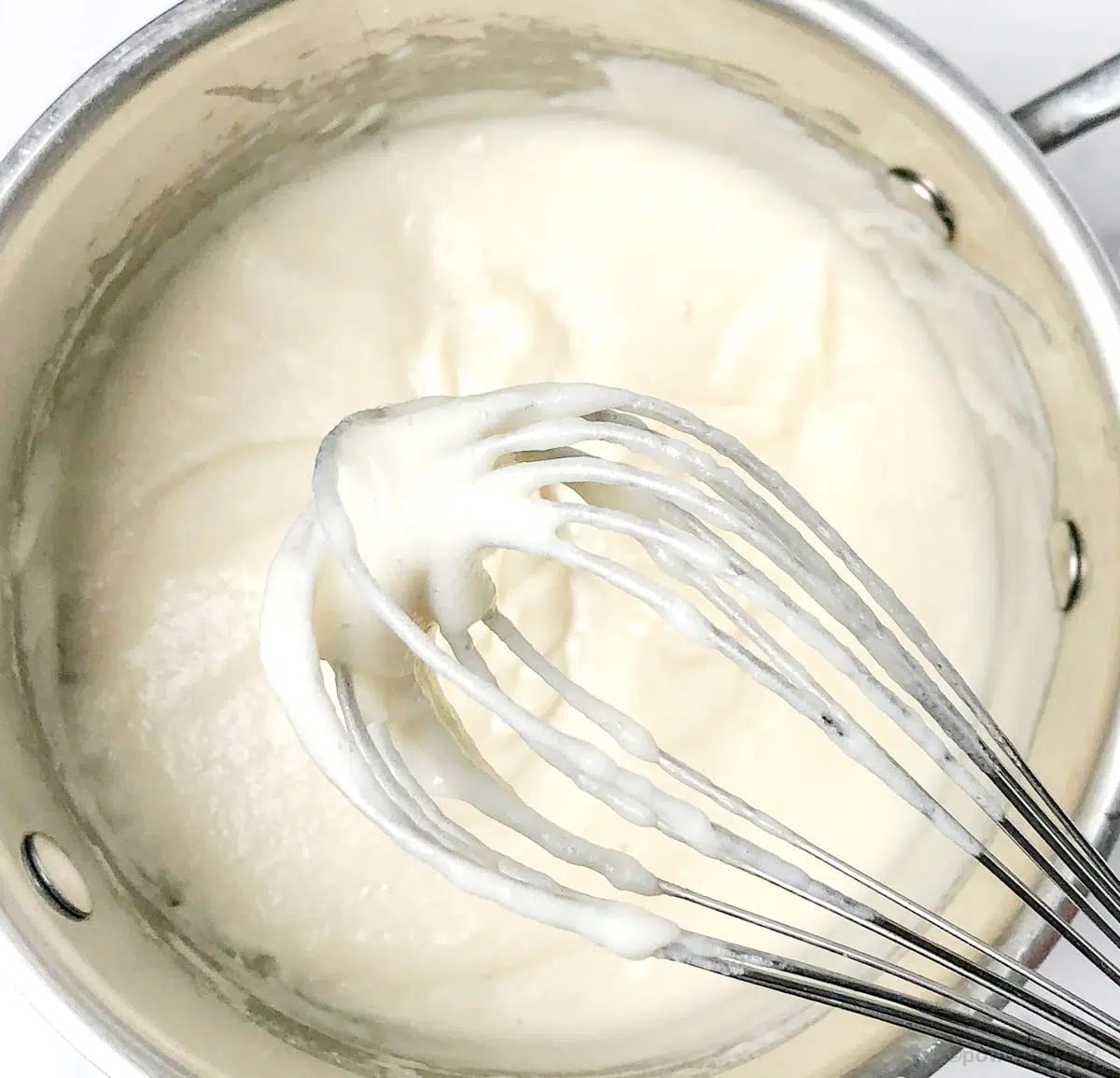
- Cook until very thick and glossy.Pour the bean mixture into a medium, heavy-bottomed saucepan. Cook over medium-high heat, whisking constantly, for 6 to 8 minutes. Reduce the heat to medium or lower as needed so the mixture cooks steadily rather than seizing and thickening too quickly. It is ready when it is very thick and glossy, pulls away from the sides of the pan, and clings heavily to the whisk. Thickness alone is not enough; if it looks dull or pasty, continue cooking and whisking over lower heat until glossy.
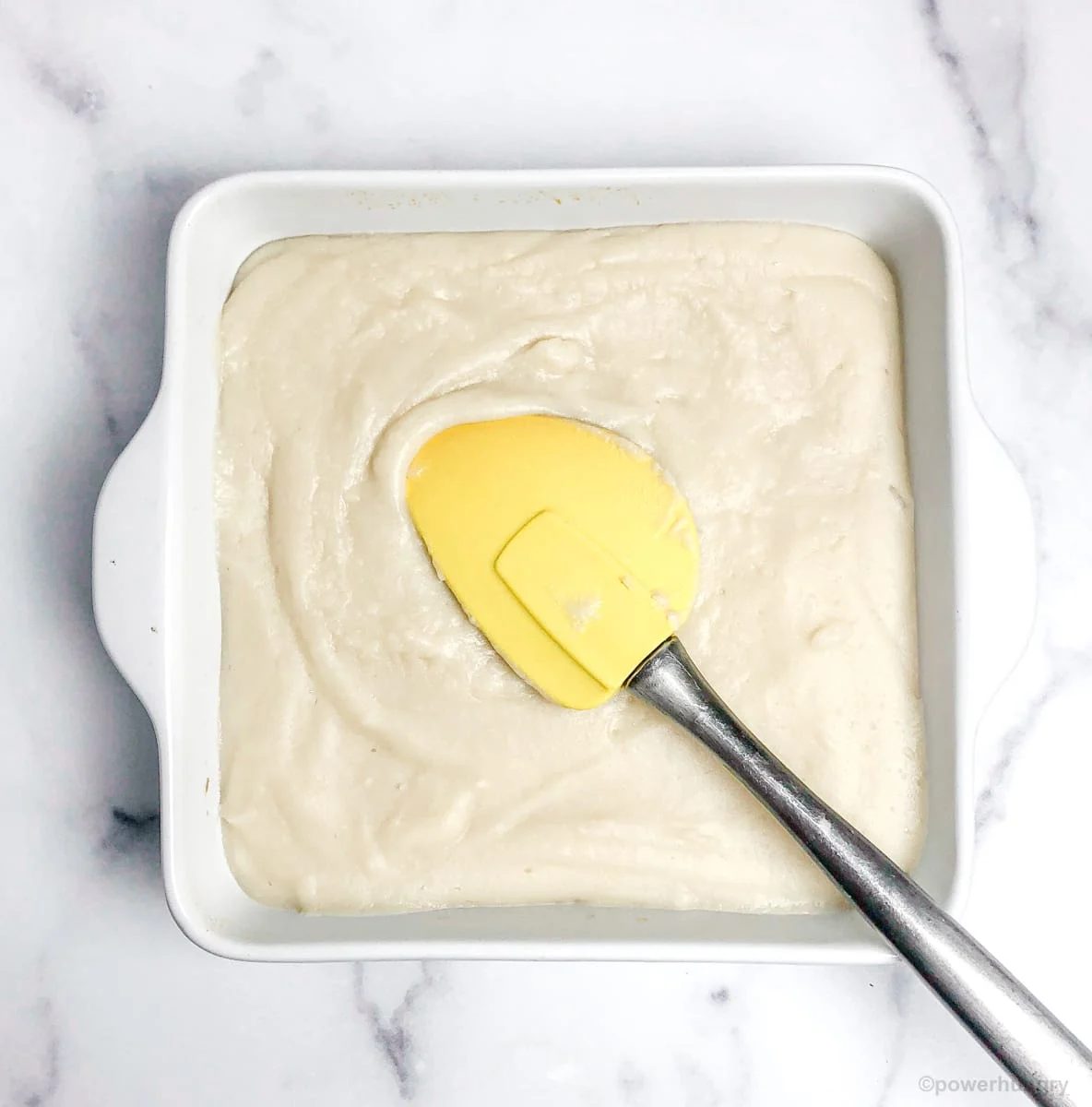
- Transfer to the dish.Scrape the mixture into an 8-inch (20 cm) square glass or ceramic baking dish and smooth the top. There is no need to oil the dish. A similarly sized nonreactive dish—or several smaller containers—will also work. Aim for a block roughly 1 inch (2.5 cm) deep and avoid one very deep container.
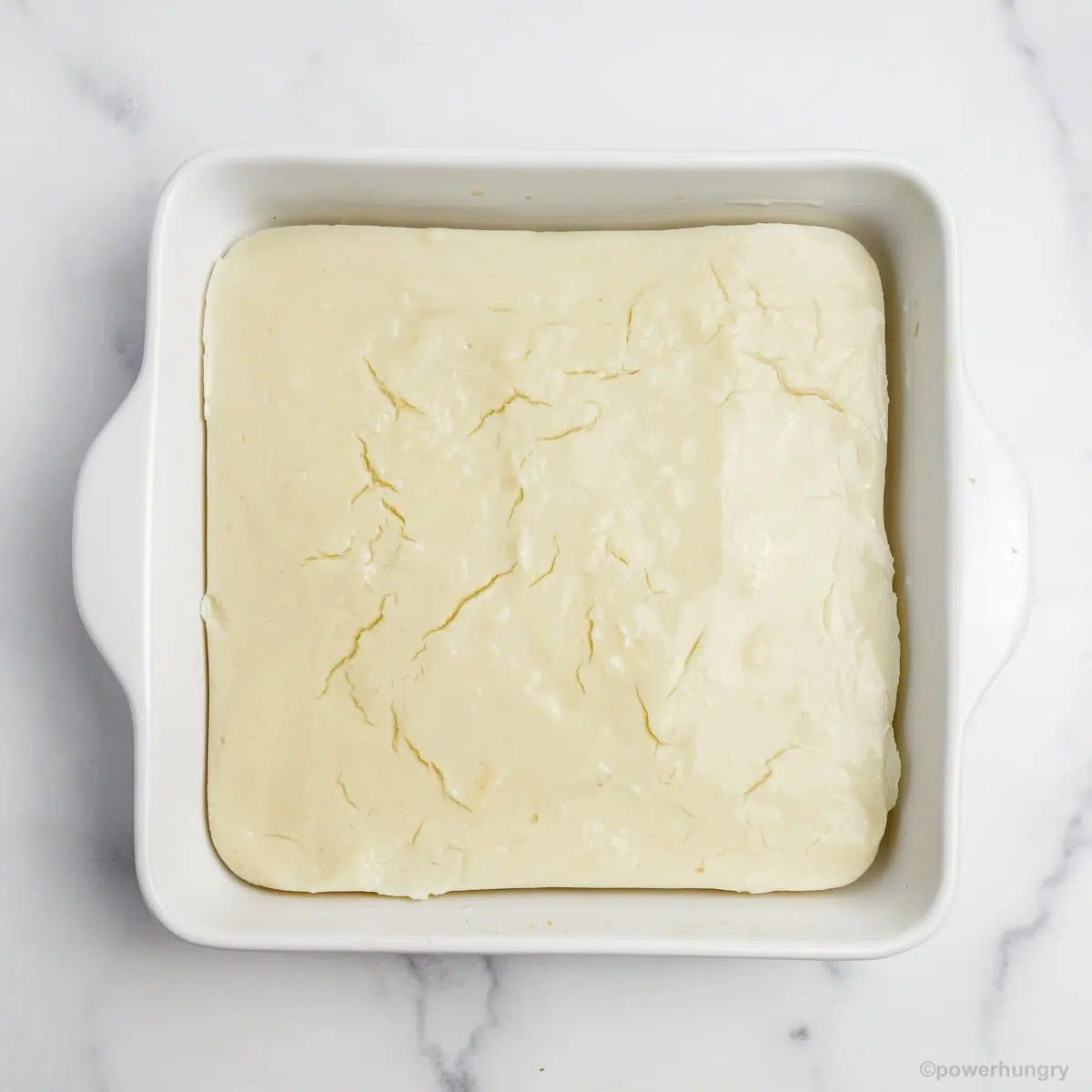
- Chill until firm.Refrigerate the tofu, uncovered, for at least 8 hours or overnight. The surface may look dry or develop a few cracks, and the edges may begin to pull away from the dish. Cracks are not required; the appearance varies with the bean.
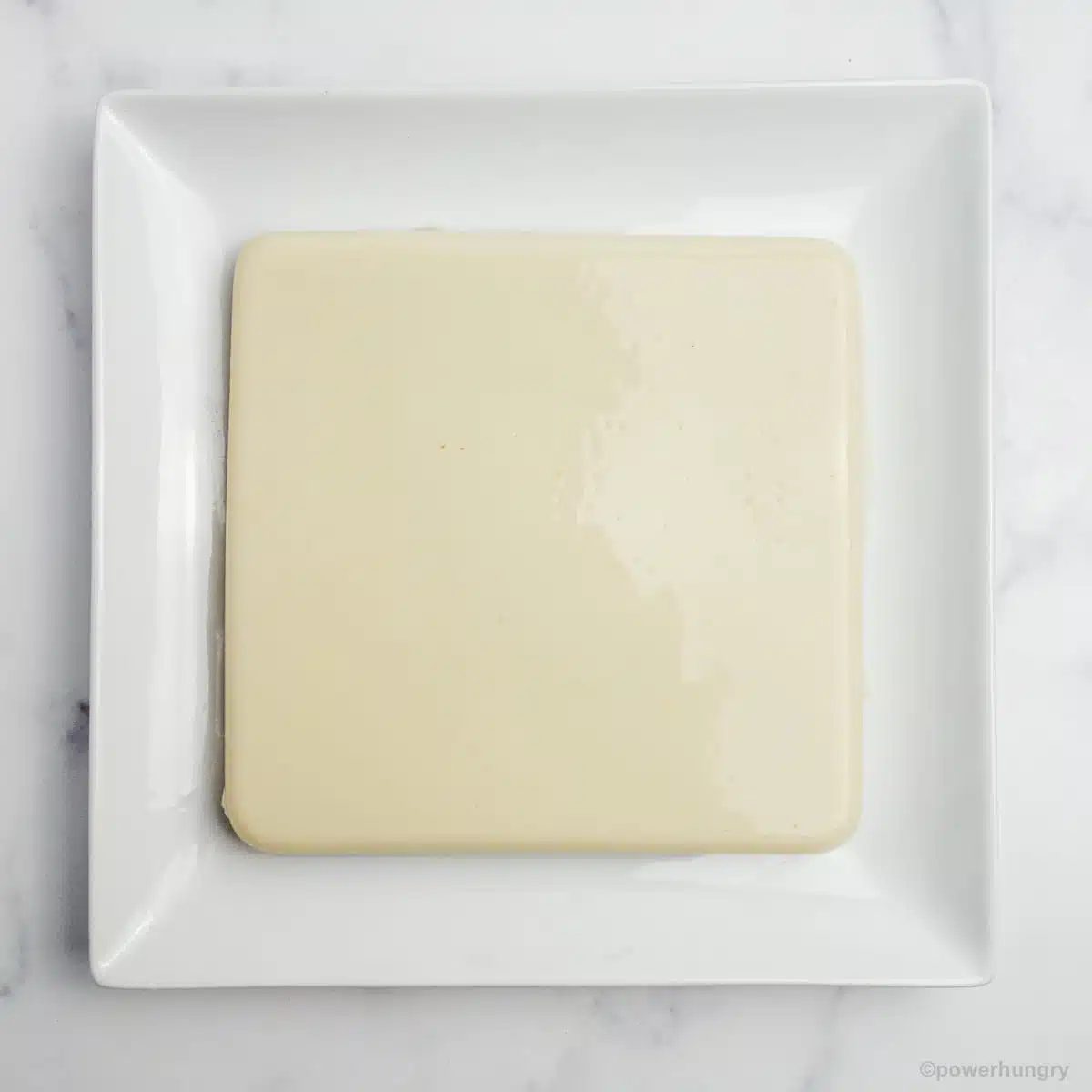
- Unmold. Tip away any liquid released during chilling. Run a silicone spatula or dull knife around the edge of the dish, then invert the tofu onto a rimmed plate or cutting board. The underside will be smooth and glossy.
Cut the Tofu
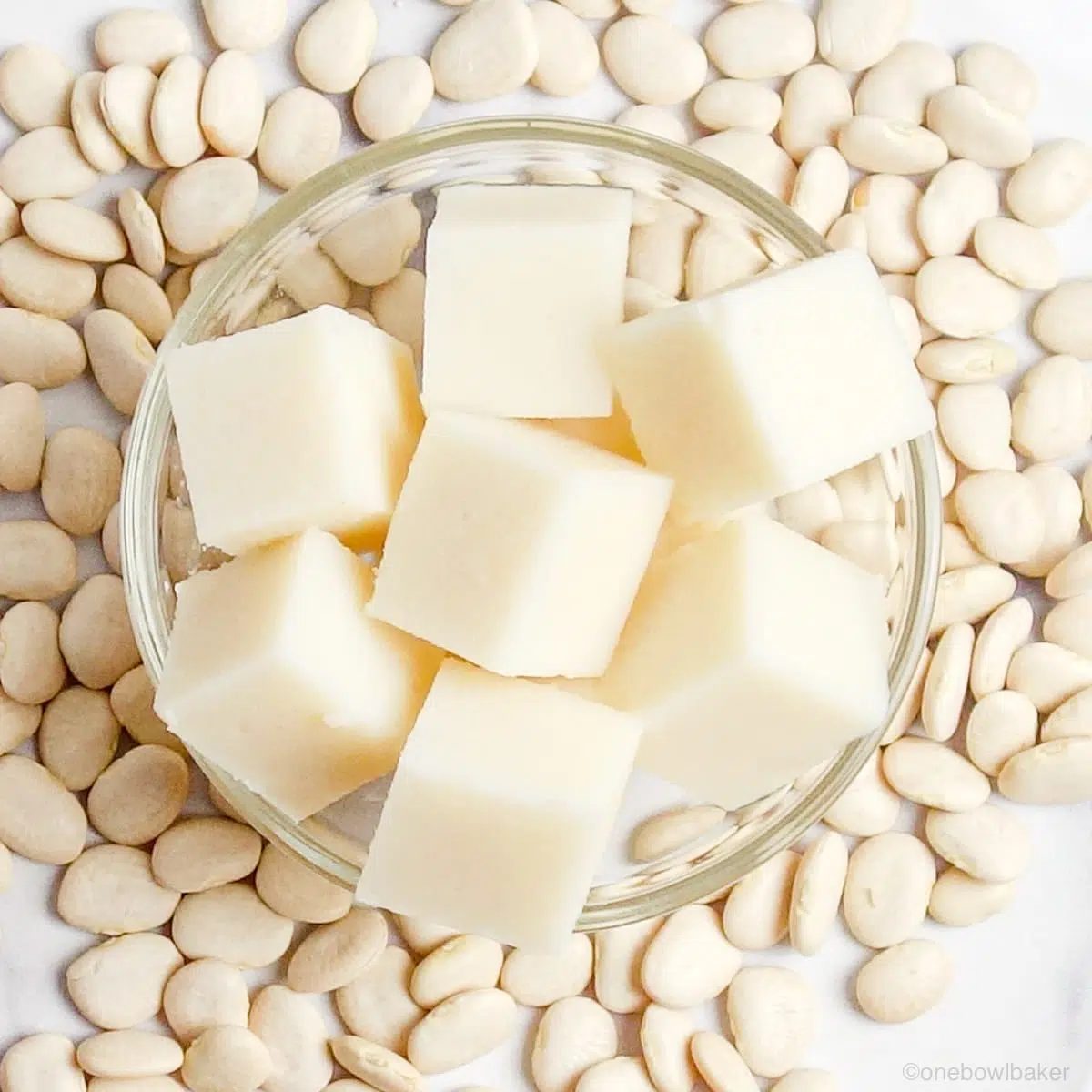
Cut the tofu into the desired shapes and sizes you prefer for recipes and/or storing in the refrigerator.
Taste and Texture
The flavor and texture of bean tofu depend on the beans you choose.
White beans make the most neutral, silky tofu. Baby lima beans are my go-to: they have an exceptionally creamy finish, yet the tofu sets remarkably firm. Great Northern, cannellini, and navy beans are also excellent choices when you want a mild tofu that can move easily between savory dishes.
Darker beans—including black, pinto, adzuki, and small red beans—produce tofu with a little more character. Their thicker skins create a slightly less silky texture, and the tofu retains a faint flavor of the original bean. That makes them especially good for bold sauces, hearty crumbles, crisp-edged cubes, and slabs for sandwiches.
Bean tofu is firm and sliceable, but it is not identical to curd-style soy tofu. Because it is made from the entire bean, its texture is cohesive and creamy rather than porous or spongy. It takes beautifully to browning and seasoning, but it does not absorb marinades as readily as conventional tofu.
Storage
- Refrigerator:Leave the bean tofu in its original dish, or unmold it and store the pieces in an airtight container in the fridge. Refrigerate for up to 5 days. The tofu will continue releasing a little liquid and become firmer as it sits.
- Freezer:Extra-firm bean tofu freezes reliable. Cut it into cubes, place them in an airtight container, and freeze for up to 3 months. Thaw in the refrigerator. The defrosted tofu will be wetter and springier; place the cubes between clean kitchen towels or paper towels and press very gently to remove excess moisture. Firm pressure can make the cubes crumble.
Flavor Variations
Add seasonings when you blend the soaked beans with the fresh water. Keeping the additions finely chopped or fully blended protects the tofu’s structure.
- Garlic and herb:Add garlic powder or a small amount of fresh garlic with dried or finely chopped fresh herbs.
- Smoky:Add smoked paprika, black pepper, and a pinch of chile powder.
- Taco-spiced:Blend in your go-to taco seasoning. One reader reported excellent results using taco seasoning with black bean tofu.
- Hot and savory:Add sriracha, finely minced chile, or another smooth hot sauce.
- Italian-style:Add dried Italian herbs, garlic, and black pepper for tofu that can be crumbled into pasta fillings.
- Fresh green:Finely chopped green onions or tender greens can work, but avoid large pieces of watery vegetables, which can interfere with setting.
Serving Suggestions
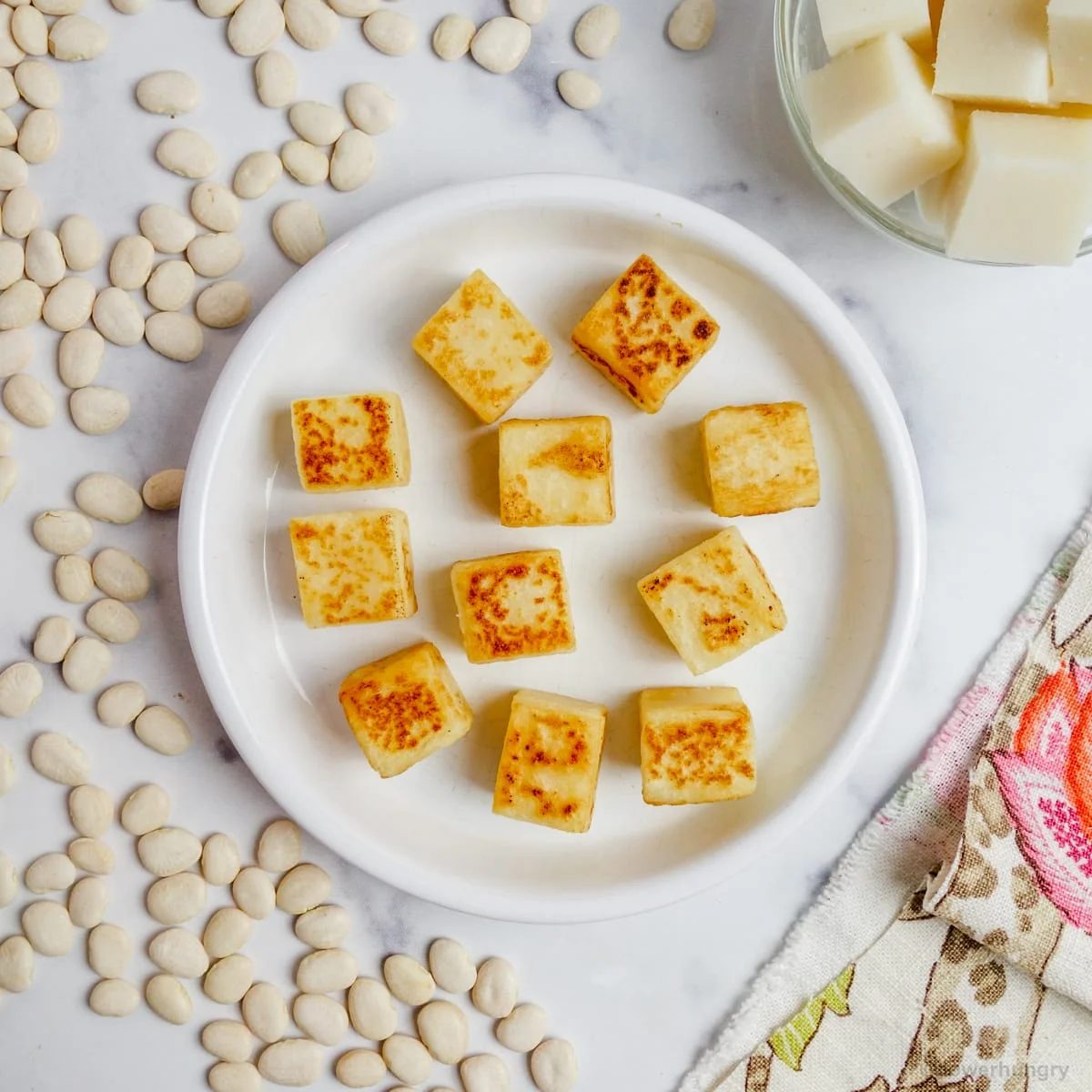
- Pat the tofu dry, cut it into cubes, and pan-fry until browned for stir-fries, grain bowls, and salads.
- Slice extra-firm tofu into slabs, sear both sides, and add your go-to sauce for a substantial sandwich.
- Crumble it into a skillet for a quick tofu scramble.
- Mash firm or extra-firm white bean tofu with herbs and seasonings for a ricotta-style filling for lasagna, stuffed shells, or ravioli.
- Bake seasoned cubes or slabs until lightly crisp at the edges.
- Pair darker bean tofu with assertive sauces; use mild white bean tofu in dishes where you want the other flavors to lead.
Because this style of tofu is less porous than curd-style soy tofu, I prefer to season it before it sets or add a sauce after browning rather than rely on a long marinade.
Tips for Success
- Use Uncooked Beans.Useuncooked dried beans only. Canned, cooked, and frozen beans will not work in this recipe.
- Weigh, If Possible.Weigh the dried beans when possible. The published weight on the bags of beans is the most consistent measure across beans of different sizes.
- Use a Stand Blender.Use a high-speed blender or other stand blender. A food processor or immersion blender does not have the high speed power to break down the beans finely enough.
- Blend Until Completely Smooth.Blend until no hard or visible bean pieces remain. If there are only a few small pieces, strain them out through a fine-mesh sieve.
- Cook Until Thick.Cook the mixture until it isboth very thick and glossy. A thick but dull, paste-like mixture needs more time over lower heat.
- Monitor the Heat.If the mixture becomes thick within the first minute or two, the heat is too high. Lower the heat, whisk in a small splash of water, and continue cooking slowly until smooth and glossy.
- Try Original Recipe First.If this is your first batch, begin with the original firm version. Its slightly higher water content gives the beans more time to cook before the mixture becomes extremely thick.
- Check Doneness.A spoonful of properly cooked mixture should begin setting at room temperature. If the finished tofu remains loose after chilling, do not eat it; return it to the saucepan and cook it longer.
- Transfer to Pan Quickly.The mixture sets quickly and can be difficult to spread. Dip a silicone spatula or large spoon in water, then use it to press and smooth the top.
- Do Not Use a Tofu Press.This is whole-bean tofu, not curd-style tofu, and its firmness is controlled by the amount of blending water.
- High Altitude Needs Adjustments.At high altitude, use the 12- to 24-hour cool-water soak rather than the 20-minute quick soak. The stovetop cooking time may also be longer.
- Boil Pan for Straightforward Cleaning.For straightforward cleanup, fill a coated saucepan halfway with water, bring it to a boil for a few minutes, remove it from the heat, and let it stand for 10 to 15 minutes before loosening the residue.
Ingredient Substitutions
- Mixed beans:I have not tested every possible blend, but because soaked and finely blended beans cook at a similar rate in this method, a combination of dried beans should work. Keep the total dry weight the same.vention!
- Dried bean options:Black, pinto, baby lima, adzuki, Great Northern, cannellini, navy, small red beans, and dried chickpeas all work. The flavor, color, and silkiness will vary.
- Red kidney beans:I do not recommend large red kidney beans for this method. Their thick skins produced red flecks and a less appealing texture in my tests. Smaller red beans work much better.
- Canned, cooked, or frozen beans:Do not substitute them. Cooking changes the bean proteins, so they will not set properly in this formula.
- Bean flour:Do not replace the dried beans with flour in the same formula. Use my separatechickpea flour tofu recipeas the template for chickpea or other bean flours.
- Salt:Reduce or omit it for a lower-sodium or neutrally flavored tofu. You can also replace some or all of it with a dry seasoning blend, keeping the salt level of that blend in mind.
- Extra-firm texture:Reduce the fresh blending water to 2 and 1/2 cups (591 mL). This version is especially good for baking, frying, and stir-frying.
- Silken texture:Increase the fresh blending water to 3 cups plus 1 tablespoon (about 680 mL). White beans are reliable for the smoothest flavor and finish.
Frequently Asked Questions
What is bean tofu?Bean tofu is a firm, sliceable tofu alternative made by soaking and finely blending dried beans with water, cooking the mixture until thick and glossy, and chilling it until set. Unlike traditional soy tofu, this whole-bean version does not require straining out bean milk, adding a coagulant, or pressing curds. The method is closer to Burmese or Shan chickpea tofu.
Which dried beans make the reliable bean tofu?Baby lima beans are my go-to because they produce tofu that is both exceptionally creamy and very firm. Great Northern, cannellini, and navy beans are also good choices for mild, neutral tofu. Black, pinto, adzuki, and small red beans have a slightly heartier flavor and texture. I do not recommend large red kidney beans.
Can I make bean tofu with canned or cooked beans?No. This recipe must begin with uncooked dried beans. Cooking changes the bean proteins, so canned or previously cooked beans will not thicken and set in the same way. Frozen fresh beans will not work, either.
Can I use a food processor instead of a blender?I do not recommend it. A food processor usually leaves pieces of uncooked bean that may not cook fully in this method. If a powerful food processor is your only option, process the mixture as finely as possible and then pass it through a fine-mesh sieve, discarding every remaining bean piece.
How smooth should the blended bean mixture be?It should be completely blended, with no visible or hard bean pieces. Darker beans can leave the mixture with a faint, very fine texture—almost like soft sand—from their skins; that is normal so long as the beans are finely pulverized. If only a few small pieces remain, strain them out before cooking.
How do I know when the bean mixture is fully cooked?The mixture will be very thick and glossy, begin pulling away from the sides of the saucepan, and cling heavily to the whisk. A small amount left on the whisk or a spoon should begin setting at room temperature. Do not stop when the mixture is merely thick: if it still looks dull or pasty, lower the heat and continue whisking until it becomes glossy.
Why did my bean tofu fail to set?Loose, unset tofu means the bean mixture was not cooked long enough. Do not eat it in that state. Scrape it back into the saucepan and cook it longer over moderate to low heat, whisking constantly, until it is very thick and glossy. Transfer it back to the dish and chill again.
Can I make the tofu extra-firm or silken?Yes. For extra-firm tofu, use 2 and 1/2 cups (591 mL) fresh water in the blender; it is the reliable choice for baking, frying, and stir-frying. For silken tofu, use 3 cups plus 1 tablespoon (about 680 mL) fresh water and choose a mild white bean. The original recipe uses 2 and 3/4 cups water and produces firm tofu.
How should I make bean tofu at high altitude?Use the 12- to 24-hour cool-water soak instead of the quick soak so the beans absorb enough water to blend properly. Expect the stovetop cooking time to be longer, too. One reader at about 7,000 feet reported needing 20 to 25 minutes to reach the very thick, glossy stage, so rely on the visual cues rather than the clock.
Can I freeze bean tofu?Yes. The extra-firm version freezes reliable. Cut it into cubes, store them in an airtight container, and freeze for up to 3 months. Thaw in the refrigerator, then place the cubes between clean towels or paper towels to absorb excess water. Press very gently so the tofu does not crumble.
Does bean tofu absorb marinade like soy tofu?Not quite. Whole-bean tofu is less porous than traditional curd-style soy tofu, so it does not absorb marinades as readily. For the most even flavor, add herbs, spices, or a smooth hot sauce when blending the beans, or add a flavorful sauce after browning the tofu.
Do I need a tofu press or tofu mold?No. Scrape the cooked mixture into a glass or ceramic dish and let it set without pressing. A tofu press is designed for curd-style tofu and is not suitable for this whole-bean method. You can use small silicone molds if you want individual pieces; they will set more quickly than one large block.
More DIY Soy-Free Tofu Recipes
- Red Lentil Tofu
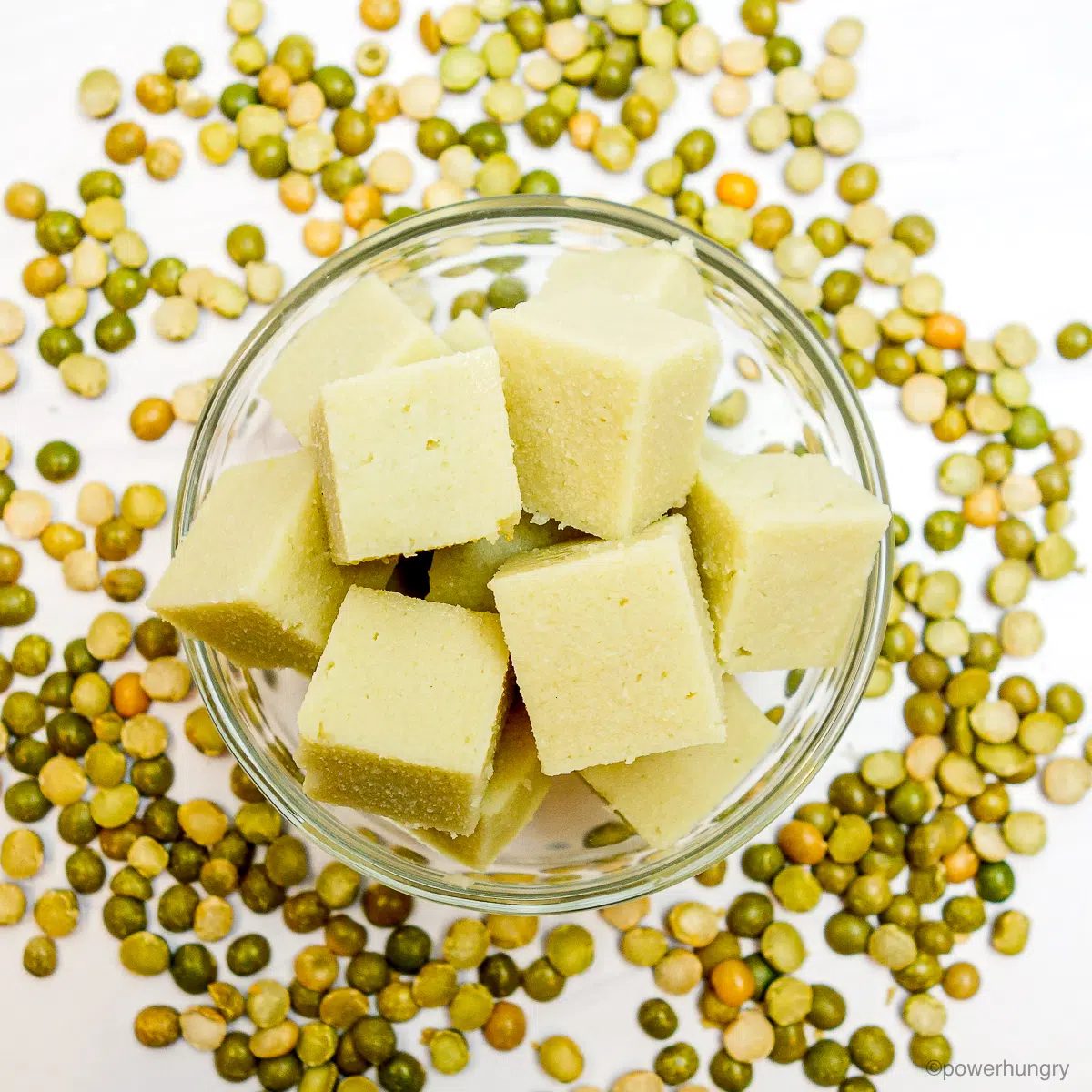
- Split Pea Tofu
- Chickpea Flour Tofu(aka Burmese Tofu)
- Hemp Tofu
- Pumpkin Seed Tofu
Straightforward DIY Dried Bean Tofu (1 ingredient, soy-free, high-protein)
- Prep Time: 5 minutes
- Cook Time: 10 minutes
- Total Time: 15 minutes
- Servings: 4 4 servings (each 8-ounce/227 g)
Ingredients
- 140 grams dried beans (about 3/4 cup; e.g., dried white beans, black beans, lima beans, chickpeas)
- boiling water (to cover and soak beans)
- 2 3/4 cups water (I use filtered tap water)
- Optional: 1 teaspoon salt
Method
- Place the dried beans in a colander or mesh sieve and rinse under cold water. This removes any dust or debris from the dried beans.
- Place the drained beans in a medium bowl . Add enough boiling water to the bowl to cover the beans by 1/2 inch (1.25 cm). Let stand for 20 minutes until the beans are slightly plumped and the water has cooled.
- Drain and rinse the beans in a mesh sieve or colander, discarding the soaking water.
- Place the drained beans, 2 and 3/4 cups tap water and optional salt in a blender. Blend on high speed until completely smooth, stopping several times to scrape down the sides of the blender container. ( see note below about straining the mixture if it is not smooth) .
- Pour the bean mixture into a medium-size, heavy-bottomed saucepan.
- Whisk over medium-high heat for 6 to 8 minutes until the mixture is VERY THICK, glossy and begins to pull away from the sides of the pan as you whisk (turn heat down to medium, as needed).
- Scrape the batter into an 8-inch (20 cm) square glass or ceramic baking dish, smoothing the top (the dish does not need to be oiled).
- Refrigerate the tofu, uncovered, for at least 8 hours, or overnight (Alternatively, leave the tofu in the refrigerator for up to 5 days until ready to use.) Note: If your tofu did not set up, as pictured above, it was not cooked long enough. You MUST NOT EAT IT IF IT IS NOT SET.
- Run a silicone spatula or dull knife around the edge of the dish; invert the tofu onto a cutting board. Cut the tofu into the desired shapes and sizes you prefer for recipes and/or storing in the refrigerator.
Notes
Straining the Bean Mixture: It is very important that the mixture be 100% smooth for it to cook properly. Any larger pieces will not cook properly using this method for cooking (and could make you ill). If you are unable to blend until completely smooth, do not use the mixture . Alternatively, if there are only a few small pieces, strain the mixture through a fine mesh sieve and discard the pieces. High Altitude: Following comments from several readers, this recipe will very likely not work, as written, at higher altitude. Instead of a quick soak, the beans will need to be given a long soak in cool water (12 to 24 hours) for proper water absorption. Storage: The tofu can be prepared up to 5 days ahead. Leave it in the original dish, or unmold it, cut into pieces, and store in an airtight container in the refrigerator until ready to use. Note that the tofu will become firmer the longer it sets. Freezing the Tofu: Cut the tofu into cubes and place in an airtight container . Defrost the tofu in the refrigerator. The tofu will feel wet and springy once defrosted. Place the cubes between layers of paper towels to remove excess water (very gently press, as needed). Do not press hard or the tofu will fall apart. Extra-Firm Tofu Option: The original recipe produces a firm tofu. For extra-firm tofu (ideal for frying, baking, and stir-frying), prepare the recipe as directed but only add 2 and 1/2 cups (591 mL) of tap water in step 4. Silken Tofu Option: For silken tofu, prepare the recipe as directed but add 3 cups plus a tablespoon (about 680 mL) water (instead of 2 and 3/4 cups) in step 4. Tip: Use the bean tofu as you would in any recipe calling for soy tofu. For a neutral tofu, use white beans (baby lima beans, Navy beans, cannellini, Great Northern).