
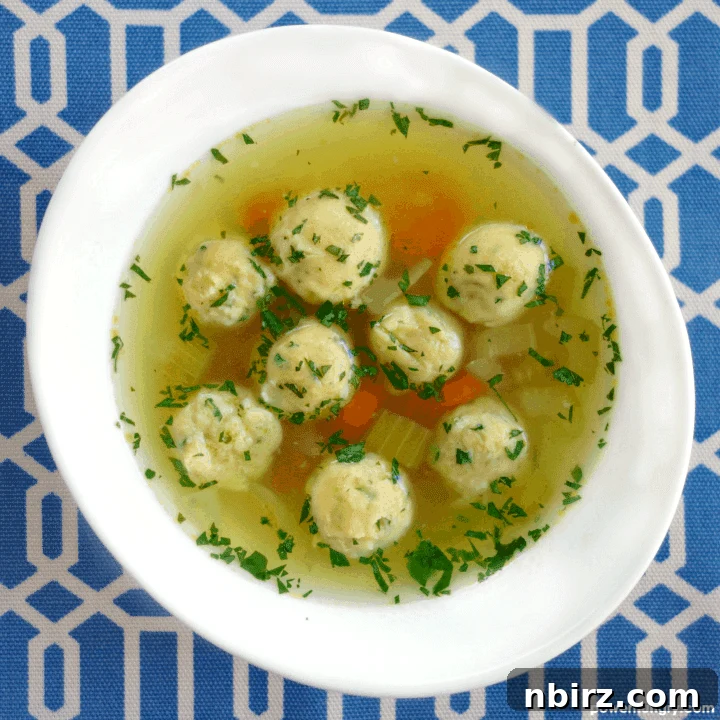
Experience the warmth of a classic with our innovative Grain-Free Vegan Matzo Ball Soup. Crafted meticulously with chickpea flour and whole psyllium husks, this recipe offers a unique egg replacer for fluffy, tender matzo balls. It is 100% gluten-free, nut-free, and kosher, making it a perfect, wholesome option for everyone.
The Ultimate Guide to Grain-Free Vegan Matzo Ball Soup: A Wholesome & Kosher Delight
The comforting embrace of matzo ball soup holds a special place in many hearts, mine included. My earliest affection for this heartwarming dish blossomed during my college years, where the cafeteria served a rendition rich with fragrant broth, perfectly tender vegetables, and matzo balls that were both fluffy and wonderfully substantial. Having only encountered descriptions of matzo ball soup in childhood books like the All-of-a-Kind Family series – whose food passages I adored – a single serving was all it took to make me a lifelong fan.
Over the years, I’ve ventured into my own kitchen to recreate this beloved classic, drawing inspiration from culinary luminaries such as Joan David and Mark Bittman. However, a significant period passed without me tackling a fresh batch. That changed recently when an intriguing email landed in my inbox. The sender posed a fascinating challenge: could I offer any insights or a recipe for crafting grain-free, vegan matzo balls? At that moment, I had no immediate answer. But that question ignited a culinary quest, prompting me to rethink and innovate. The result? A triumphant solution that I’m thrilled to share: my very own Grain-Free Vegan Matzo Ball Soup! This recipe isn’t just a workaround; it’s a celebration of flavor and texture, tailored for modern dietary needs without sacrificing tradition.
Why Choose Grain-Free Vegan Matzo Ball Soup? Healthy Highlights & Benefits
This reimagined matzo ball soup isn’t just delicious; it’s designed with several significant dietary benefits in mind, making it accessible and enjoyable for a wider audience. Here’s why this recipe stands out:
- Grain-Free & Gluten-Free: For individuals avoiding grains or those with celiac disease or gluten sensitivities, this soup offers a safe and satisfying option. By using chickpea flour instead of traditional matzo meal, we eliminate gluten without compromising on taste or texture. This can lead to improved digestion and overall well-being for many.
- Vegan & Plant-Based: Aligning with vegan principles, this soup contains no animal products whatsoever. It’s a compassionate choice that’s also environmentally friendly and packed with wholesome plant-based nutrients. It provides a hearty meal without dairy or eggs.
- Nut-Free: Catering to common allergen concerns, this recipe is entirely nut-free, making it a suitable choice for those with nut allergies, allowing more people to enjoy this comforting dish without worry.
- 100% Kosher: Beyond being plant-based, all ingredients selected ensure this soup adheres strictly to kosher dietary laws, making it appropriate for observant Jewish families, especially during Passover, when traditional matzo products are consumed.
- Effortless & Efficient: One of the surprising advantages of these unique matzo balls is their preparation and cooking time. They are simple to mix and cook in a fraction of the time compared to their traditional counterparts. This efficiency means you can enjoy a homemade, wholesome matzo ball soup even on busy weeknights.
Due to the innovative binding agent used (which we’ll explore below), the matzo balls are intentionally kept small. This not only aids in quicker cooking but also makes them incredibly easy to scoop and enjoy by the spoonful, ensuring a perfect bite every time.
Key Ingredients: The Magic Behind Our Matzo Balls
For precise measurements of each ingredient, please refer to the detailed recipe card located at the conclusion of this post. You can easily switch between US Customary (volume) and Metric (weights) options for your preferred measurement system.
The journey to creating truly grain-free and vegan matzo balls required a creative rethinking of traditional ingredients. Instead of relying on matzo meal, which is grain-based, this recipe pivots to two stellar ingredients that deliver on both taste and texture.
Chickpea Flour: The Heart of Grain-Free Matzo Balls
The foundation of these innovative matzo balls is chickpea flour, also known as garbanzo bean flour or besan. I’ve long known the incredible potential of chickpea flour for crafting delicious dumplings and a variety of other dishes. Its rich, nutty, and subtly savory flavor profile is inherently satisfying and brings a wonderful depth to baked goods and savory preparations alike. This versatile flour is a staple in many global cuisines, forming the basis of numerous dumplings across the Middle East and contributing to the unique character of pastas and gnocchi in Italy.
Beyond its culinary versatility, chickpea flour boasts an impressive nutritional profile. It’s an excellent source of plant-based protein and dietary fiber, contributing to a feeling of fullness and supporting digestive health. Being naturally gluten-free, it makes these matzo balls accessible to those with gluten sensitivities or celiac disease. When sourcing, always ensure you choose a brand that is certified kosher, such as Bob’s Red Mill, if you are strictly adhering to a kosher diet.
Psyllium Husks: A Revolutionary Egg Replacer
The true “super-challenge” in developing this recipe was creating chickpea dumplings that were also entirely egg-free. My initial hypothesis was that chickpea flour, given its binding properties in many of my other concocted baked goods, might be sufficient as both a binder and a starch. Alas, this proved incorrect. The early test matzo balls looked promising as they entered the boiling water, only to completely disintegrate minutes later, leaving a disheartening mess.
Undeterred, I experimented with various conventional egg replacements. I tried ready-to-use egg replacement mixes, ground chia seeds, and flaxseed meal – but each attempt met with failure, resulting in either crumbly or overly sticky mixtures that lacked the desired structure. I even combined chickpea flour with other grain-free flours like almond flour or coconut flour, or both, hoping for a breakthrough. Multiple sticky bowls and pots later, I was still stumped, with no cohesive matzo ball in sight.
Racking my brain for alternative binders, I suddenly recalled one more option I had previously explored in other recipes: psyllium husks. After a few more rounds of careful testing and adjustments, it worked like an absolute charm! Psyllium husks proved to be the exact ingredient needed to provide structure and prevent disintegration, leading to perfectly formed, tender matzo balls.
What is Psyllium Husk? Understanding this Fiber-Rich Binder
Psyllium husk is derived from the seeds of the Plantago ovata plant, a shrub-like herb. It’s widely recognized for its high fiber content and unique gelling properties.
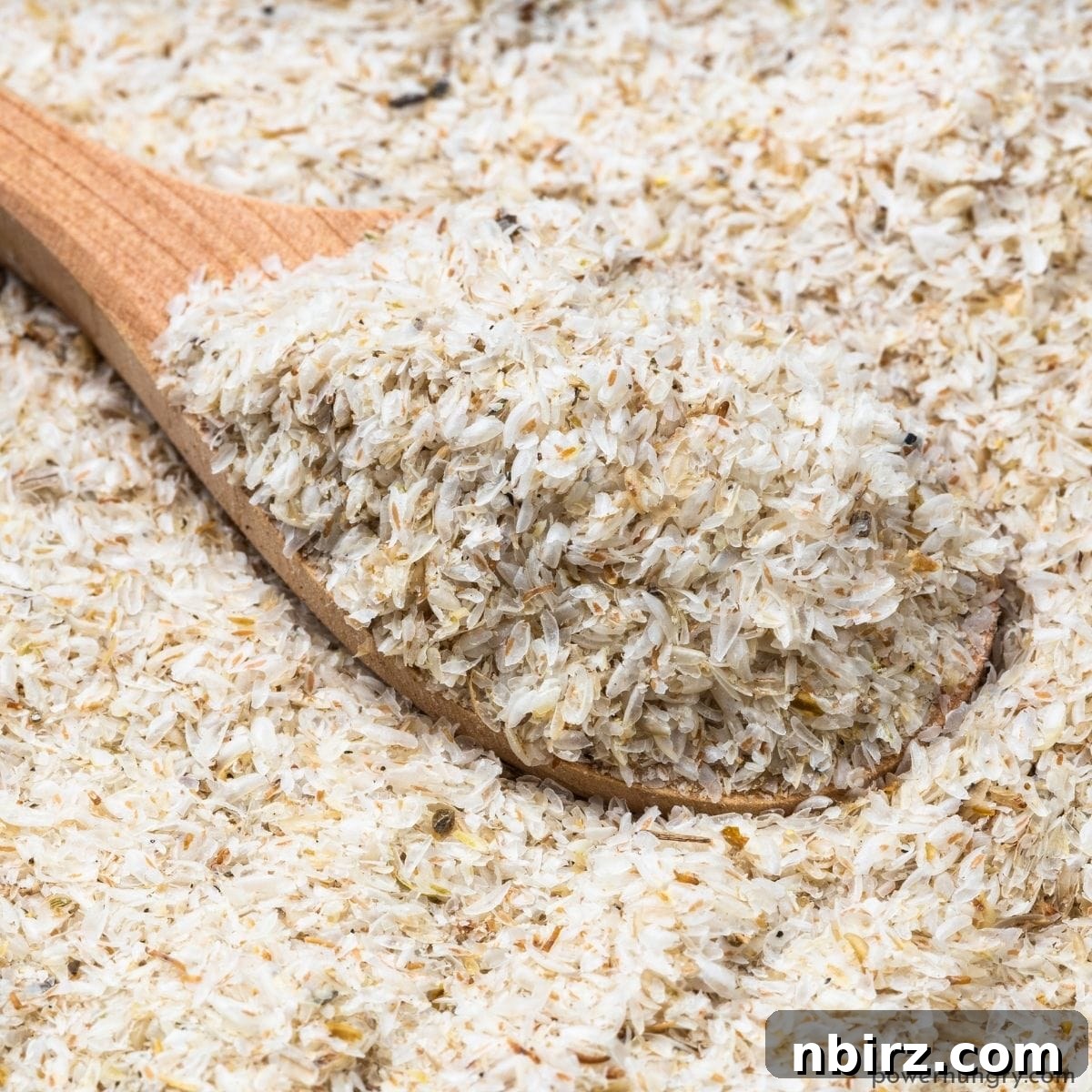
The outer layer, or “husk,” of the plantago seeds is remarkably rich in both soluble and insoluble fiber. This husk is primarily composed of mucilage, a natural dietary fiber that possesses incredible water-absorbing capabilities. When psyllium husk comes into contact with liquid, it expands significantly and forms a thick, viscous gel. This gel-forming ability is precisely what makes it such an exceptional and unique egg replacement in certain baking and cooking applications. It’s a truly nifty natural binder!
I’ve successfully incorporated psyllium husk into quite a few recipes here on PowerHungry, leveraging its binding power to create diverse healthy dishes. It turned out to be the perfect, indispensable ingredient these grain-free vegan matzo balls needed to hold their shape and achieve that desired tender-yet-firm texture. If you’re new to using whole psyllium husks, they typically appear as light-colored, small, flaky fibers, as seen in the image above.
Whole Psyllium Husks vs. Psyllium Powder: Understanding the Conversion
A common question arises regarding the form of psyllium husk: can you use psyllium powder instead of whole psyllium husks? The answer is yes, you absolutely can, but with a crucial adjustment regarding measurement.
Psyllium husk powder is simply whole psyllium husks that have been ground into a finer consistency. Because it’s more concentrated by volume, a smaller amount of powder is needed to achieve the same gelling effect as whole husks. While measurements can vary slightly by brand, a general guideline is that 1 tablespoon of whole psyllium husks typically weighs around 5 grams, whereas 1 tablespoon of psyllium husk powder is denser, weighing approximately 9 grams. Therefore, for this recipe, which calls for 2 tablespoons (10 grams) of whole psyllium husks, you would use an equal weight – 10 grams – of psyllium powder instead. Always measure psyllium powder by weight for accuracy to ensure your matzo balls have the correct consistency and don’t become too dense or crumbly.
Crafting Your Perfect Bowl: Step-by-Step Guide to the Soup
Please remember that the complete, detailed instructions are also available in the recipe card found below this section.
Creating this Grain-Free Vegan Matzo Ball Soup is a straightforward and rewarding process, broken down into manageable steps for both the matzo balls and the flavorful broth.
Preparing the Grain-Free Matzo Ball Dough
The journey to perfect matzo balls begins with the dough. In a medium bowl, combine the dry ingredients: chickpea flour, whole psyllium husks, baking powder, dried dill, and a pinch of salt. Whisk them together thoroughly to ensure even distribution. Next, gradually add the wet ingredients: water and a generous drizzle of olive oil. If you choose to include it, now is also the time to stir in the chopped fresh parsley, which adds a wonderful burst of fresh flavor and vibrant color.
Mix everything until it’s completely blended. The dough will feel noticeably moist and quite sticky – this is exactly the correct consistency. Don’t be tempted to add more flour; the psyllium needs time to work its magic. Once mixed, loosely cover the bowl and refrigerate the dough for at least 15 minutes. This crucial resting period allows the psyllium husks to fully absorb the water and form a cohesive gel, thickening the dough to a workable consistency, essential for shaping your matzo balls.
Simmering a Flavorful Soup Base
While your matzo ball dough chills, turn your attention to the aromatic soup base. The ingredients are wonderfully classic and minimal, ensuring a clean, rich flavor that perfectly complements the matzo balls. You’ll need fresh carrots, celery, and onion, along with a touch of olive oil for sautéing, and a high-quality vegetable broth (ensure it’s kosher if following dietary laws). For an extra layer of warmth and complexity, I highly recommend adding a pinch of ground cloves and freshly ground black pepper, though these are entirely optional and can be adjusted to your preference.
In a large, wide pot, heat the olive oil over medium-high heat. Add the chopped onions, sliced carrots, and celery. Sauté these vegetables for about 5 to 6 minutes, stirring occasionally, until they begin to soften and release their sweet aromas. If you’re incorporating ground cloves, add them along with the black pepper during the last 30 seconds of sautéing; this short cooking time helps to bloom their flavors without burning. Next, pour in the vegetable broth, bringing the mixture to a rolling boil. Once boiling, reduce the heat to a gentle simmer and let it cook, allowing the vegetables to become tender and the flavors to meld beautifully, all while you prepare the matzo balls.
Shaping and Cooking Your Fluffy Matzo Balls
Once the dough has adequately chilled and firmed up (thanks to the psyllium), it’s time to shape your matzo balls. It’s crucial to roll the dough into small, uniform balls. Remember, these matzo balls will approximately double in size as they simmer, so starting small prevents them from becoming too large and ensures even cooking. Resist the temptation to make them bigger; larger balls require a longer cooking time, which can unfortunately lead to disintegration with this specific grain-free and egg-free formulation. I find a small cookie scoop incredibly helpful for portioning the dough, ensuring consistency in size.
Traditionally, matzo balls are simmered in a separate pot of water or broth to maintain the clarity of the soup (as they release starches during cooking). However, with these little darlings, that extra step and additional pot aren’t necessary! They only require about 5 minutes to cook through, making the process much simpler. Once your soup base is ready – vegetables tender and broth richly flavored – bring it back to a gentle, low boil. Carefully add the shaped matzo balls to the simmering soup. They will initially sink to the bottom but will gracefully rise to the surface within about 30 seconds as they cook. Reduce the heat to low and continue to simmer, uncovered, for approximately 4 to 6 minutes longer, or until the matzo balls appear firm and cooked through. Overcooking can lead to breakdown, so keep a close eye on them. If you’re planning ahead, you can prepare the matzo balls in advance, cover them, and place them back in the refrigerator until you’re ready to cook the soup.
Serving Your Wholesome Matzo Ball Soup
Once the matzo balls are perfectly cooked and floating plumply in the savory broth, your wholesome soup is ready to be enjoyed! Ladle generous portions into individual bowls, ensuring each serving gets a delightful mix of tender vegetables and fluffy matzo balls. For a final touch of freshness and color, sprinkle generously with chopped fresh parsley leaves. Serve immediately, while the soup is steaming hot, and savor every spoonful of this comforting, innovative, and deeply satisfying dish. Enjoy, and Happy Hanukkah to all who are celebrating!
Frequently Asked Questions About Grain-Free Vegan Matzo Ball Soup
How should the grain-free matzo ball soup be stored?
To best preserve your delicious leftovers, store the grain-free matzo ball soup in an airtight container in the refrigerator for up to 3 days. When you’re ready to reheat, for optimal texture, it’s best to gently remove the matzo balls from the broth first. Heat the soup base until it’s very hot, then add the matzo balls back in for just about 1 minute, allowing them to warm through without becoming overcooked or mushy. This method helps maintain their integrity.
My matzo balls began to break down. Why?
If your matzo balls started to disintegrate, the most common culprit is overcooking or cooking them at too high a heat. These grain-free, psyllium-bound matzo balls cook much faster than traditional versions. Boiling them vigorously or for an extended period will cause them to break down. It’s crucial to reduce the heat to a low simmer once they are added to the broth and remove the soup from the heat as soon as they appear firm and cooked through (typically 4-6 minutes after rising to the surface). A gentle simmer is key to keeping them intact and fluffy.
Can I make this soup ahead of time?
Yes, you can! The soup base (broth and vegetables) can be prepared entirely in advance and stored in the refrigerator for up to 3 days, or even frozen for longer storage. The matzo ball dough can also be mixed and chilled for up to 24 hours before shaping and cooking. For best results, cook the matzo balls fresh just before serving, or follow the reheating instructions above if cooking them in advance with the soup. Cooking them fresh ensures the best texture.
Are there any variations I can try?
Absolutely! This recipe provides a fantastic base for customization. Feel free to experiment with additional vegetables like chopped zucchini, green beans, or spinach. You can also vary the herbs; consider adding fresh thyme, marjoram, or a bay leaf to the broth for different aromatic profiles. A squeeze of fresh lemon juice at the end can brighten the flavors. For a slightly richer broth, consider using a good quality mushroom broth.
Explore More Vegan & Gluten-Free Soups:
- 3-Ingredient Black Bean Pumpkin Soup {vegan, oil-free}
- Vegan Tomato Soup (3-Ingredients)
- 3-Ingredient Carrot & Red Lentil Soup {vegan, oil-free}
- Vegan Broccoli Cheese Soup
- 3-Ingredient Carrot and White Bean Soup
- Vegan Spinach Artichoke Soup {easy, high protein}
- 3-Ingredient Enchilada Soup {Vegan, High-Protein}
- Kale Potato & White Bean Soup {Vegan, High-Protein}
- 3-Ingredient Lentil Soup {Vegan, High Protein}
Grain-Free Vegan Matzo Ball Soup {made with chickpea flour)
Ingredients
- Matzo Balls:
- 1 and 2/3 cups, 200 g chickpea flour (certified kosher, as needed)
- 2 tablespoons 10 g whole psyllium husks
- 2 and 1/4 teaspoons baking powder
- 2 teaspoons dried dill
- 3/4 cup 177 mL water
- 1 and 1/2 tablespoons, 22 mL olive oil
- 3 tablespoons chopped fresh parsley leaves
- Soup:
- 2 teaspoons olive oil
- 1 large onion, peeled and chopped
- 3 large carrots, peeled and thinly sliced
- 3 stalks celery, thinly sliced
- Optional: 1/8 teaspoon ground cloves
- 1/4 teaspoon freshly ground black pepper
- 8 cups 64 oz kosher vegetable broth or water
- fine sea salt
- 3 tablespoons chopped fresh parsley leaves (for garnish)
Instructions
-
Matzo Balls: In a medium bowl, whisk the chickpea flour, psyllium husks, baking powder and dill. Add the water, olive oil and parsley, stirring until completely blended (the dough will be moist and sticky). Let stand at least 15 minutes in the refrigerator.
-
Soup: In a large pot, heat oil over medium-high heat. Add onions, carrots and celery and cook, stirring, for 5 to 6 minutes or until softened. Add pepper and optional cloves; cook and stir 30 seconds longer.
-
Stir in broth; bring to a boil. Reduce heat and simmer, stirring occasionally, for 25 to 30 minutes or until carrots are very soft. Season to taste with salt.
-
While soup simmers, roll the chilled dough into small balls (I use my small cookie scoop to portion), placing them on a plate or a piece of parchment paper.
-
Return soup to a low boil and carefully add the matzo balls. Cook for 5 to 6 minutes until balls have risen to the surface and appear firm. Do not overcook.
-
Ladle soup into bowls and sprinkle with fresh parsley. Serve immediately.
Notes
Storage: Store the leftover soup in an airtight container in the refrigerator for up to 3 days. When reheating the soup, remove the matzo balls first. Add the matzo balls back in when the soup is very hot (heat the balls for about 1 minute in the hot soup) to maintain their best texture.
Nutrition
Like this recipe? Rate and comment below!