
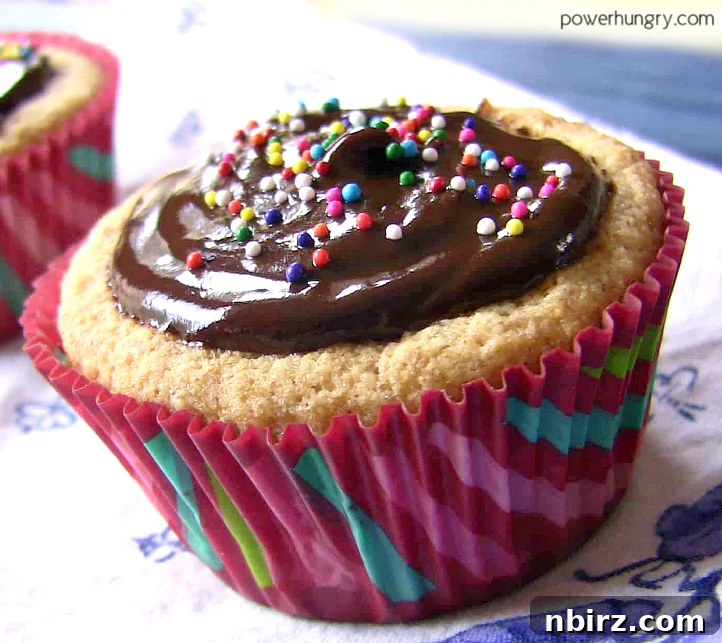
Indulge in these scrumptious vegan coconut flour cupcakes, meticulously crafted to be the star of your next celebration! They are remarkably grain-free, nut-free, gluten-free, and offer an effortless oil-free modification, making them a truly versatile and inclusive dessert.
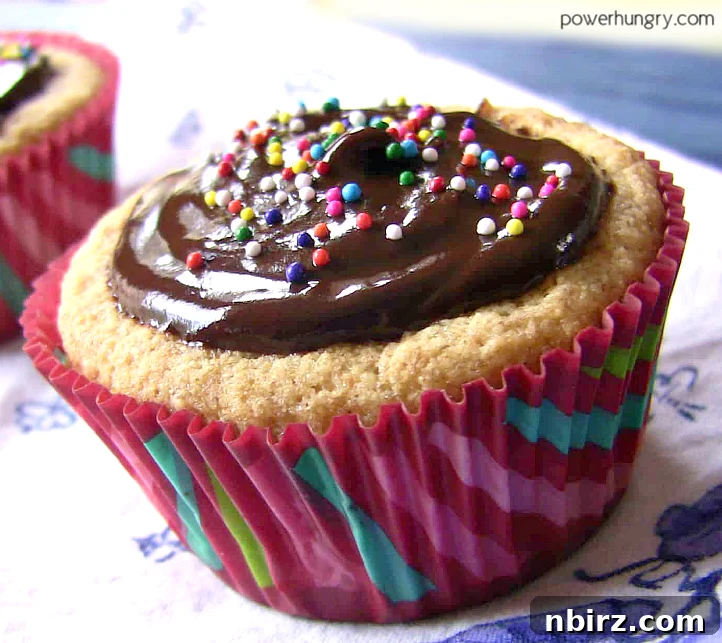
Finally: Perfect Vegan Coconut Flour Cupcakes!
After countless attempts and unwavering dedication, I’ve finally perfected the recipe for a truly flawless vanilla cupcake. This isn’t just any cupcake; it’s a culinary triumph: entirely grain-free, dairy-free, egg-free, nut-free, and gluten-free. It took me a staggering five dozen batches to achieve this level of perfection, but every single trial and error was worth it!
I affectionately call them “Freedom Cupcakes” because they liberate us from common dietary restrictions without compromising on taste or texture. My son, Nick, simply refers to them as “those super-yummy cupcakes you make, Mommy.” Whichever name resonates with you, prepare to be amazed.
My ambitious journey to create the ultimate vegan, grain-free coconut flour cupcakes began last August. My previous Coconut Flour Cupcakes recipe, while popular, showcased a common challenge in coconut flour baking: the reliance on a large quantity of eggs. Coconut flour is celebrated for its natural sweetness, delightful fragrance, and being a nutritious, gluten-free, and grain-free alternative. However, its high absorbency and unique fibrous structure make it notoriously tricky to work with. Eggs typically provide the essential binding and structural integrity it demands, often requiring a dozen or more in a single cake recipe.
But not everyone consumes eggs, whether due to dietary choices, allergies, or simply a preference for plant-based options. Even for those who do eat eggs, consuming an entire carton’s worth in one baked good isn’t always appealing. Moreover, while massive amounts of eggs hold baked goods together, the resulting texture can often be disappointingly sponge-like or dense, lacking the light, airy crumb of a traditional cupcake.
Driven by a desire to create a truly inclusive dessert, I promised to develop an egg-free and dairy-free version. Many of you also requested a nut-free option, to which I enthusiastically (and with a slight gulp) agreed. This commitment led to a long series of trials, many of which resulted in less-than-ideal outcomes. My kitchen became a laboratory of culinary experiments, producing gooey, gluey, and gloppy messes. Batches refused to rise, or worse, rose triumphantly only to collapse into sad, sunken craters moments later. The quest for the perfect rise, tender crumb, and delightful flavor felt endless.
Then, one serendipitous February day, it happened. It wasn’t just a “hmm, that’s getting close” moment. It was an explosion of flavor and texture that prompted an immediate “SHUT THE FRONT DOOR, AMAZE-BALLS delicious!!!” exclamation. And now, after all that dedication, these cupcakes are unequivocally just right. They boast a perfect texture, a subtle sweetness, and a delightful vanilla aroma that will convince even the most discerning palates.
Irresistible Recipe Benefits
These vegan coconut flour cupcakes offer a multitude of benefits, making them a fantastic choice for nearly everyone:
- Fully Vegan: Entirely free from eggs and dairy, perfect for plant-based diets.
- Gluten-Free: Safe and enjoyable for those with gluten sensitivities or celiac disease.
- Grain-Free: An excellent option for paleo lifestyles or those avoiding grains.
- Oil-Free Option Available: Easily adaptable for a lighter, healthier version with a simple ingredient swap.
- Effortless to Make: Despite their sophisticated profile, the preparation process is straightforward.
- Completely Nut-Free: Formulated without almond flour, almond butter, or any other nut products, catering to nut allergies.
- Wholesome Ingredients: Made with simple, natural components you can trust.
Unlocking the Magic: Key Ingredients for These Vegan Coconut Flour Cupcakes
The precise measurements for each ingredient are provided in the comprehensive recipe card found at the end of this article. You can easily toggle between US Customary (volume) and Metric (weights) for your preferred measurement system.
Crafting these exceptional cupcakes relies on a unique combination of ingredients that work in harmony to deliver perfect results:
- Coconut Flour: This remarkable flour is the cornerstone of our recipe. Naturally sweet and wonderfully fragrant, coconut flour imparts a subtle tropical note that perfectly complements cakes and other baked goods. It is inherently gluten-free and grain-free, making it an excellent choice for allergen-friendly baking. Furthermore, coconut flour is often considered a hypoallergenic flour. A common misconception due to its name, coconuts are not botanically classified as nuts; they are, in fact, drupes. Its high fiber content also contributes to a feeling of satiety and offers digestive benefits.
- Whole Psyllium Husks: When navigating the intricate world of grain-free, nut-free, and vegan baking, whole psyllium husks are an absolute game-changer. They are the golden ticket to preventing these cupcakes from collapsing (going “ker-plop”) and are fundamentally essential for their structure. Psyllium husks act as an unparalleled egg replacer: simply mix one tablespoon of whole psyllium husks with three tablespoons of warm water, then allow the mixture to stand for 5 to 10 minutes. It will thicken considerably—far more than a flax egg, almost to a solid gel—but will break down beautifully when incorporated into batters and doughs. An added bonus? Psyllium husks are incredibly high in fiber and virtually calorie-free, contributing to the nutritional profile of these treats.
- Chickpea Flour: Valued for its high protein content, chickpea flour (also known as garbanzo bean flour, as they are identical products) plays a crucial role in providing additional structure and substance. In the absence of traditional eggs, it works synergistically with coconut flour to build a stable crumb. Rest assured, despite its origin, chickpea flour is expertly balanced in this recipe, leaving absolutely no discernible “bean” taste in the final product. It helps create a robust framework, preventing the cupcakes from becoming too delicate.
- Potato Starch: This ingredient contributes significantly to the light, tender crumb that defines these cupcakes. Potato starch creates a wonderfully soft texture, preventing dryness and ensuring a moist interior. While you can substitute an equal amount of tapioca starch or arrowroot starch, I personally find potato starch delivers the superior texture in this particular recipe. Its neutral flavor also ensures it doesn’t interfere with the delicate vanilla and coconut notes.
- Nondairy Milk: The choice of nondairy milk offers flexibility, allowing you to tailor the recipe to your preferences or what you have on hand. Options such as coconut milk, hemp milk, or soy milk all work beautifully. For the oil-free variation, opting for full-fat coconut milk is essential, as it provides the richness and moisture typically contributed by oil.
The combination of these carefully selected ingredients ensures that these vegan cupcakes not only hold together but also boast a truly delightful texture that rivals their traditional counterparts. Each ingredient serves a specific purpose, from binding to tenderizing, creating a harmonious and balanced batter.
Effortless Baking: Step-by-Step Instructions
Please remember that the full, detailed directions are also conveniently listed in the recipe card at the bottom of this post.
Follow these simple steps to create your own batch of perfect vegan coconut flour cupcakes:
- Preparation: Begin by preheating your oven to 350°F (180°C). Then, line all twelve cups of a standard-size muffin tin with paper or foil cupcake liners. This ensures easy removal and a clean bake.
- Wet Ingredients Mixture: In a medium-sized bowl, thoroughly whisk together the nondairy milk, water, psyllium husks, sugar, vegetable oil (or oil-free substitute), and vanilla extract. Once combined, let this mixture stand undisturbed for 5 minutes. This crucial step allows the psyllium husks to hydrate and form a thick, gel-like consistency, which will act as our primary binder.
- Dry Ingredients Mixture: In a separate, large bowl, whisk together the chickpea flour, coconut flour, potato starch, baking powder, and salt. Ensure these dry ingredients are well combined and lump-free for an even distribution in the batter.
- Combine Mixtures: Pour the psyllium-infused wet mixture into the dry flour mixture. Stir gently until the ingredients are just blended. Avoid overmixing, as this can lead to a tougher cupcake texture. A few small lumps are acceptable.
- Fill Muffin Cups: Divide the cupcake batter evenly among all 12 prepared muffin cups. This is a critical step: the cups should only be filled about 1/3 to 1/2 full. Do not overfill! Overfilling will prevent the cupcakes from rising properly and can lead to a dense, uneven bake. They will rise beautifully to the top of the cup during baking.
- Bake to Perfection: Place the muffin tin in the preheated oven and bake for a total time of 25 to 30 minutes. To test for doneness, insert a toothpick into the center of a cupcake; it should come out clean with only a few moist crumbs clinging to it. Note that the centers may sink ever so slightly after baking – this is completely normal for this type of cupcake.
- Cool Completely: Once baked, transfer the cupcakes from the muffin tin to a wire cooling rack. Allow them to cool completely before attempting to frost them. Frosting warm cupcakes will cause the icing to melt and slide off. Once cooled, frost and sprinkle as desired, unleashing your creativity!
Frequently Asked Questions (FAQ)
Here are answers to some common questions about these unique vegan coconut flour cupcakes:
- How Should the Cupcakes Be Stored? For optimal freshness, store the cooled, unfrosted cupcakes in an airtight container at cool room temperature for up to 2 days. If you need to keep them longer, they can be refrigerated for up to 5 days or frozen for an impressive 6 months. Once frosted, store the cupcakes in an airtight container in the refrigerator for a maximum of 2 days to preserve the frosting’s integrity.
- Can I Make the Cupcakes Oil-Free? Absolutely! To make these cupcakes oil-free, simply replace both the nondairy milk and the vegetable oil with an equal total amount of full-fat coconut milk. The richness of the full-fat coconut milk will provide the necessary moisture and tenderness.
- What Sweetener Alternatives Can I Use? You can substitute an equal amount of coconut sugar for the natural cane sugar. Be aware that coconut sugar is darker in color, similar to dark brown sugar, and will result in slightly darker cupcakes. However, it will also impart a wonderful, subtle caramel-like flavor, adding another layer of deliciousness! Alternatively, an equal amount of maple syrup can also be used as a liquid sweetener. If opting for maple syrup, remember to reduce the total amount of water in the recipe to 1/3 cup to maintain the correct batter consistency. If you are not strictly vegan, an equal amount of honey could also be used.
- Can I Use a Liquid Sweetener in place of Cane Sugar? Yes, as mentioned above, an equal amount of maple syrup is a great liquid substitute. Just make sure to reduce the water content to 1/3 cup to balance the added liquid from the syrup.
- What Can I Use in Place of Potato Starch? If potato starch is unavailable, an equal amount of cornstarch or arrowroot starch can be used as a substitute. These alternatives will still contribute to the tender crumb. However, tapioca starch is not recommended as a substitute in this specific recipe, as it can yield a different texture that might not be ideal.
- Can I Use Chia Eggs or Flaxseed Meal Eggs in Place of Psyllium Husks? Unfortunately, no. While flaxseed meal and chia seeds are popular egg replacers in many vegan recipes, they do not perform adequately in this coconut flour-based cupcake recipe. I have extensively tested both, and the result is consistently the same: the cupcakes rise beautifully but then dramatically fall, losing their structure. The unique gelling properties of psyllium husks are truly indispensable here.
- Can I Make Bigger Cupcakes By Filling the Cups to the Top? No, it’s crucial not to overfill the muffin cups. For these specific cupcakes, adding too much batter to the cup will prevent them from rising properly, leading to dense or unevenly baked results. The ideal fill level is approximately 1/3 to 1/2 full. Trust the process – they will rise perfectly to the top of the cup during baking!
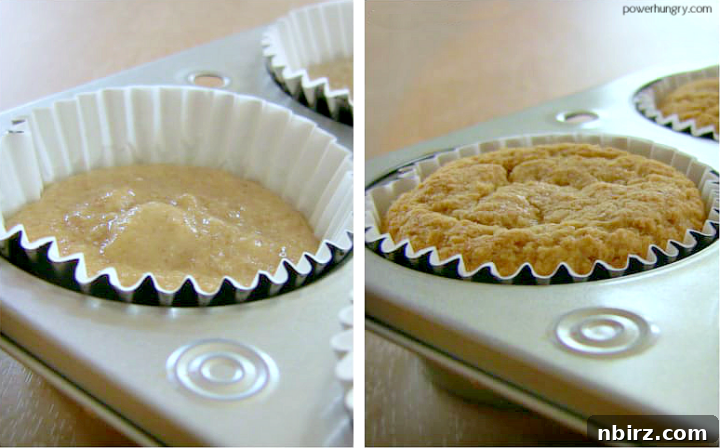
- My Cupcakes Have a Slight Dip. Is this Normal? Yes! It is perfectly normal for these cupcakes to have a very slight dip in the center after baking. This is not necessarily an indication that they are underbaked (always perform the toothpick test before removing them from the oven to confirm doneness). This characteristic dip is easily remedied and virtually unnoticeable once you’ve added your desired icing, ganache, or frosting – no one will ever know!
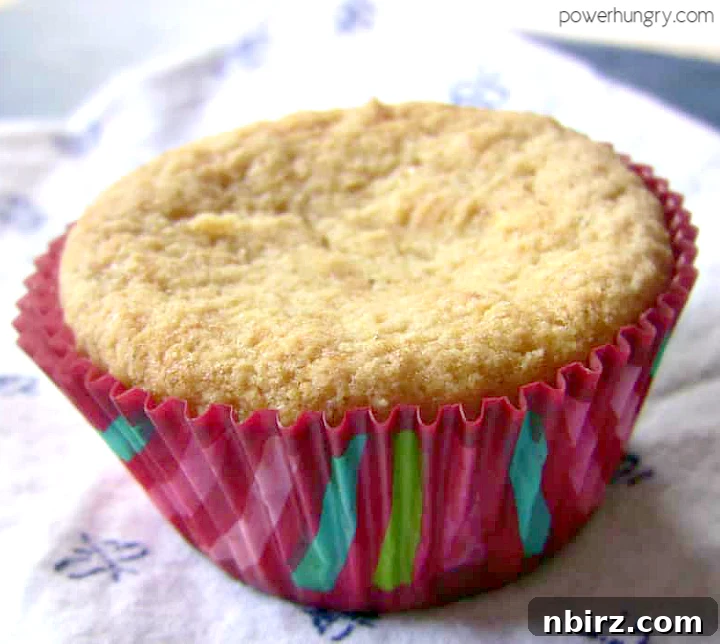
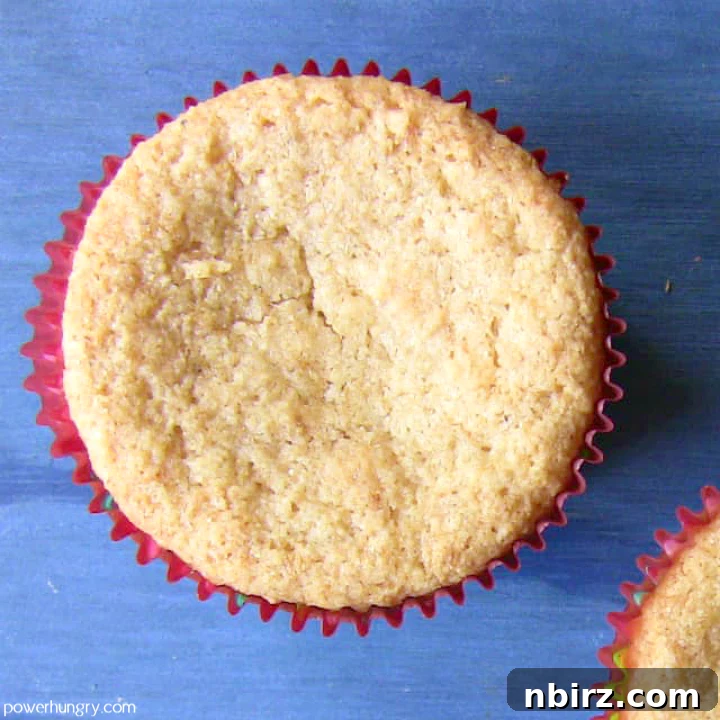
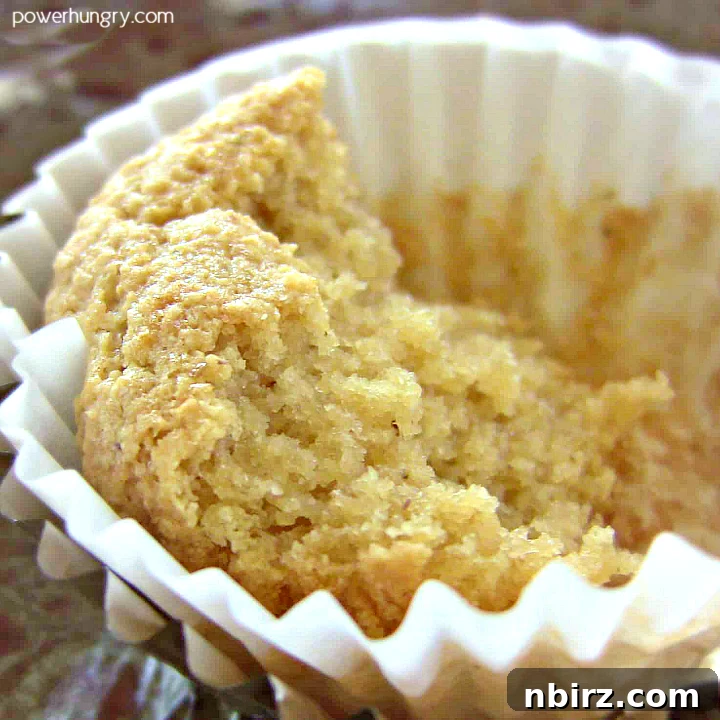
This particular cupcake didn’t even make it to the icing stage – it was simply too delicious to wait! The texture is absolutely incredible, mirroring that of a traditional, all-purpose flour cupcake. Say goodbye to any sponginess and hello to a perfectly tender crumb!
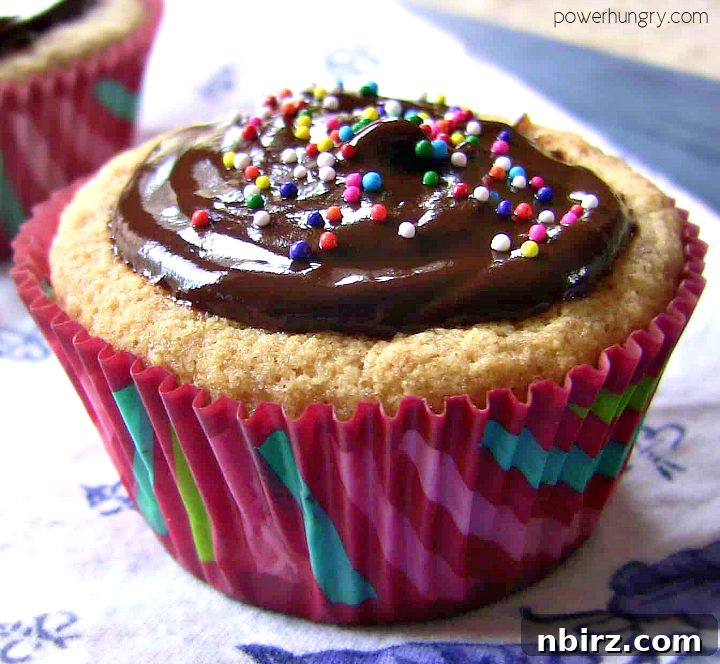
And this one certainly did get frosted – beautifully!
Creative Variations to Explore
Once you’ve mastered the basic recipe, feel free to experiment and customize your vegan coconut flour cupcakes with these delightful variations:
- Extracts and Zests: Easily transform the flavor profile by swapping or adding different extracts. Beyond vanilla, consider lemon extract, orange extract, refreshing peppermint extract, rich almond extract, or even a hint of coconut extract for intensified tropical notes. For a brighter, fresher taste, incorporate a teaspoon or two of finely grated lemon zest, orange zest, or lime zest directly into the batter.
- Chocolate Delights: For the chocolate lovers, these cupcakes serve as an excellent canvas. Fold in a few tablespoons of miniature vegan chocolate chips, finely grated or chopped dark chocolate (ensure it’s dairy-free), or a handful of crunchy cacao nibs into the coconut cupcake batter before baking.
- Berry Burst: Introduce a vibrant burst of fruitiness by gently folding in a handful of fresh blueberries or blackberries into the batter. These berries will add moisture, flavor, and beautiful color to your cupcakes. You could also try finely diced strawberries or raspberries.
- Spice it Up: For a warm and comforting twist, add 1/2 teaspoon of ground cinnamon, a pinch of nutmeg, or a blend of pumpkin pie spices to the dry ingredients. This is especially delightful during cooler months.
- Nutty Flavors (if not nut-free): If catering to a nut-free diet isn’t a concern, you could add a tablespoon of nut butter to the wet ingredients for a richer flavor, or sprinkle chopped nuts on top of the frosting.
More Delectable Vegan Cakes to Try:
- Vanilla Almond Flour Cake {oil-free}
- Chickpea Flour Chocolate Layer Cake
- Easy Cashew Cheesecake
- Vegan & Grain-Free Vanilla Layer Cake
- Gluten-Free & Vegan Vanilla Bundt Cake
- Vegan Red Velvet Cake
- Chickpea Flour Gingerbread Bundt Cake
- Pumpkin Hemp Heart Cheesecake
Print Recipe
Vegan Coconut Flour Cupcakes (Nut-Free, Grain-Free)
Camilla
15 minutes
30 minutes
45 minutes
12 cupcakes
Ingredients
- 1/2 cup nondairy milk (e.g., hemp, soy, almond)
- 1/2 cup water
- 2 tablespoons whole psyllium husks
- 3/4 cup natural cane sugar (see notes for options)
- 1/3 cup vegetable oil (see notes for oil-free option)
- 2 teaspoons vanilla extract
- 1/2 cup chickpea flour
- 1/3 cup coconut flour
- 2 tablespoons potato starch
- 1.5 teaspoons baking powder (certified gluten-free)
- 1/4 teaspoon salt
- Optional: Easy Chocolate Icing (see below)
- Optional: Natural Colored Sprinkles
Instructions
- Preheat oven to 350°F (180°C). Line all twelve cups of a standard size muffin tin with paper or foil liners.
- In a medium bowl, whisk the milk, water, psyllium husks, sugar, oil and vanilla. Let stand 5 minutes.
- In a large bowl, whisk the chickpea flour, coconut flour, potato starch, baking powder and salt.
- Add the psyllium mixture to the flour mixture, stirring until just blended.
- Divide batter evenly among all 12 prepared cups. The cups will only be 1/3 cup to 1/2 cup full (do not overfill or the cupcakes will not rise properly).
- Bake in the preheated oven for 25 to 30 minutes or until a toothpick inserted in the center of the cupcake comes out clean with a few crumbs clinging to it (centers may sink slightly). Cool the cupcakes completely before frosting. Frost and sprinkle as desired!
Optional Easy Chocolate Icing:
- In a small saucepan, melt 2/3 cup virgin coconut oil over low heat. Remove from heat and whisk in 1/3 cup unsweetened natural cocoa powder and 1/3 cup pure maple syrup (or agave nectar) until smooth. Cool 20 minutes (it will thicken as it cools); use immediately.
Notes
Storage: Store the cooled, unfrosted cupcakes in an airtight container at cool room temperature for 2 days, the refrigerator for 5 days, or the freezer for up to 6 months. Store frosted cupcakes in an airtight container in the refrigerator for up to 2 days.
Sweetener Options: An equal amount of coconut sugar can be used in place of the natural cane sugar. Note that coconut sugar is darker in color (like dark brown sugar) and will make the cupcakes darker in color. But it will also add an extra caramel-like flavor to the cupcakes! An equal amount of maple syrup can also be used. Reduce the total amount of water to 1/3 cup if using maple syrup.
Potato Starch Options: An equal amount of cornstarch or arrowroot can be used in place of the potato starch. Tapioca starch is not recommended as a substitute.
Oil-Free Option: Use full-fat coconut milk for both the nondairy milk and as a replacement for the vegetable oil.
Nutrition
Calories: 148 kcal |
Carbohydrates: 21 g |
Protein: 2 g |
Fat: 7 g |
Saturated Fat: 1 g |
Polyunsaturated Fat: 6 g |
Sodium: 120 mg |
Fiber: 3 g |
Sugar: 14 g