
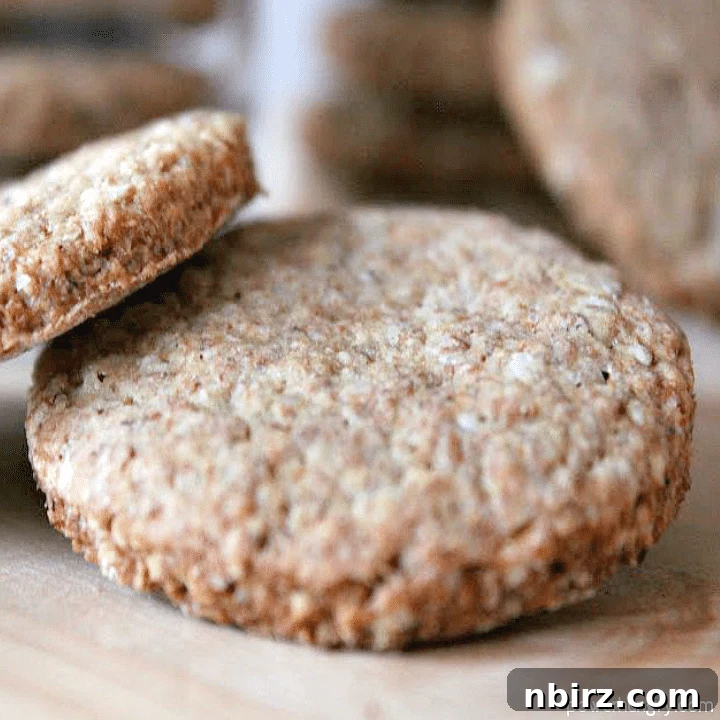
Swoon-worthy buckwheat almond shortbread cookies are equal parts delightful treat and sustained energy snack! Made with wholesome buckwheat flour, finely ground almond flour, and unsweetened coconut, these delectable cookies are not only vegan and gluten-free but also thoughtfully low in sugar. They represent the perfect fusion of indulgence and nutrition, designed to satisfy your cravings while fueling your active lifestyle.
Bake a Batch of Wholesome Power Cookies for Every Occasion
There’s something uniquely comforting about the ritual of an afternoon cup of tea. For me, it’s more than just a beverage; it’s a cherished family tradition, a sacred pause in the day to stop, reflect, and savor. And let’s be honest, “tea time” often serves as a delightful euphemism for “let’s enjoy some delicious cookies!” The simple anticipation of a warm cup paired with a sweet bite is enough to brighten any afternoon.
However, as both a dedicated fitness instructor and an enthusiastic fitness advocate, my dietary needs often diverge from traditional sugary treats. I require snacks that perform double duty: satisfying as an indulgent treat while simultaneously delivering sustained energy. This is especially crucial on days when I’m leading an evening spin class, embarking on a long run with my group, or simply need a wholesome boost to power through a busy day. The challenge was to create a cookie that aligned with both my palate and my performance goals.
That’s precisely why I poured my heart into crafting these truly exceptional cookies: the **Buckwheat Almond Shortbread Cookies**. They are a testament to the idea that healthy eating doesn’t mean sacrificing flavor or enjoyment. These cookies are engineered to provide balanced nutrition, making them an ideal choice for anyone seeking a guilt-free pleasure that also supports their well-being.
Unlike conventional shortbread recipes that rely heavily on white flour, refined white sugar, butter, and eggs, these innovative cookies are thoughtfully prepared with a carefully selected array of nutrient-dense superfoods. Each ingredient is chosen for its unique health benefits and its contribution to the overall delightful texture and rich flavor profile:
- **Buckwheat Flour:** A gluten-free pseudocereal packed with fiber and protein.
- **Almond Flour (or Almond Meal):** Provides healthy fats, protein, and a delicate sweetness.
- **Unsweetened Coconut:** Adds natural sweetness, healthy fats, and a wonderful texture.
- **Virgin Coconut Oil:** A plant-based fat alternative to butter, contributing richness and a subtle coconut aroma.
- **Coconut Palm Sugar:** An unrefined sweetener choice, offering a caramel-like flavor with a lower glycemic index compared to white sugar.
Unlocking the Nutritional Powerhouse: Health Benefits of Buckwheat Flour
You’re likely already familiar with many of the impressive health benefits associated with almond flour. It’s widely celebrated for being rich in healthy monounsaturated fats, a notable source of Vitamin E, inherently low in carbohydrates, and an excellent contributor to your daily protein and fiber intake. Furthermore, almond flour boasts a variety of essential micronutrients, making it a stellar choice for wholesome baking. Beyond its nutritional profile, baking with almond flour is a dream; it imparts a natural, subtle sweetness and yields wonderfully moist and tender results, perfect for crafting both sweet and savory gluten-free delights.
However, buckwheat flour, despite its misleading name, is often a less familiar ingredient in many kitchens. Let’s change that perception and shine a light on this incredible pseudocereal right here, right now! Buckwheat is not related to wheat at all; instead, it belongs to the rhubarb family, making it naturally gluten-free – a vital distinction for those with celiac disease or gluten sensitivities.
Buckwheat flour is simply buckwheat groats that have been ground into a fine powder, and much like almond flour, it is brimming with an impressive array of nutrients. Notably, it is:
- **Completely Gluten-Free:** Despite its name, buckwheat is a pseudocereal, not a grain, and is safe for gluten-free diets.
- **Exceptionally High in Fiber:** This promotes digestive health, helps regulate blood sugar, and contributes to a feeling of fullness.
- **An Excellent Source of Low Glycemic Index Carbohydrates:** This means it releases energy slowly, preventing rapid blood sugar spikes and providing sustained energy levels. Ideal for managing energy throughout the day.
- **High in Protein:** Buckwheat is considered a complete protein, meaning it contains all nine essential amino acids that the body cannot produce on its own. This makes it an invaluable ingredient for plant-based diets and muscle repair.
- **Rich in Essential Minerals and Antioxidants:** It’s a fantastic source of vital nutrients including copper, manganese, phosphorus, iron, and magnesium. These play crucial roles in bone health, energy production, immune function, and protecting cells from oxidative damage.
Incorporating buckwheat flour into your diet can significantly enhance your nutritional intake and support various bodily functions, making these shortbread cookies a truly functional food.
Understanding the Unique Flavor Profile of Buckwheat Flour
One of the most appealing characteristics of buckwheat flour in baking is its distinctive earthy and nutty flavor profile. This adds a depth and complexity that sets baked goods apart from those made with conventional flours. If you’re accustomed to the neutral taste of all-purpose flour, you might find buckwheat’s flavor to be a little stronger, perhaps even faintly bitter, especially in recipes where it is the sole flour used. This can be an acquired taste for some, but it’s a flavor that truly enhances certain culinary creations.
In this particular recipe for Buckwheat Almond Shortbread Cookies, I’ve masterfully blended the robust character of buckwheat flour with the inherent sweetness and milder notes of almond flour and finely ground unsweetened coconut flakes. This thoughtful combination creates a perfect synergy of flavors, balancing the earthy notes of buckwheat with a toasted, nutty sweetness. The result is a harmonious and incredibly satisfying taste that is both unique and wonderfully familiar.
While these cookies may not adhere to the exact traditional definition of “shortbread” – which typically involves a high butter content and minimal sugar for a crumbly, melt-in-your-mouth texture – they certainly evoke the essence of a wholesome, wholemeal shortbread. You’ll find a delightful resemblance in both their rich, satisfying taste and their wonderfully crisp yet tender texture.
Moreover, these untraditional shortbread gems are undeniably a power food. Their balanced macronutrient profile makes them an excellent choice for sustained energy. Whether you’re reaching for a quick pre-workout boost, a replenishing post-workout snack, or simply a healthy indulgence during your afternoon tea, these cookies are designed to fuel your body effectively. So, be sure to grab one for that extra burst of energy – with or without your cup of tea!
Happy baking, and enjoy these remarkably nutritious and delicious Buckwheat Almond Shortbread Cookies!
Explore More Gluten-Free & Vegan Buckwheat Recipes:
- Buckwheat Flour Carrot Muffins (Vegan, Oil-Free, GF)
- Vegan Buckwheat Banana Bread (gluten-free)
- 4-Ingredient Buckwheat Flax Chia Bread {vegan, GF, oil-free}
- Gluten-Free Buckwheat Sandwich Bread {vegan, no yeast}
- Healthy No-Bake Buckwheat Granola Bars {vegan, gluten-free}
Print Recipe
Rating: 4.62 from 13 votes
Buckwheat Almond Shortbread Cookies (Vegan, Grain-free)
By: Camilla
Swoon-worthy buckwheat almond shortbread cookies are equal parts treat and energy snack! Made with buckwheat flour, almond flour and coconut, they are vegan, gluten-free & low in sugar.
15 minutes
15 minutes
30 cookies
Ingredients
- 1 cup unsweetened flaked or shredded coconut
- 1 cup buckwheat flour
- 1 cup almond flour
- 1/4 cup coconut sugar (or use brown sugar)
- Optional: 1 teaspoon ground cardamom
- 1/2 teaspoon fine sea salt
- 1/2 cup coconut oil, melted (see notes for options)
- 1 tablespoon warm water (more, as needed)
- 1 teaspoon vanilla extract
Instructions
-
Preheat the oven to 350°F (180°C). Line a large baking sheet with parchment paper to prevent sticking.
-
In a food processor, process the unsweetened coconut until it achieves a fine, flour-like consistency. Transfer the finely processed coconut to a large bowl. Whisk in the buckwheat flour, almond flour, coconut sugar, optional cardamom (if using), and salt until all dry ingredients are thoroughly combined.
-
Into the bowl of dry ingredients, add the melted coconut oil, warm water, and vanilla extract. Stir vigorously until all ingredients are completely combined and form a cohesive, slightly firm dough. Allow the dough to stand for 10 minutes; this helps the flours absorb the liquids and makes the dough easier to handle.
-
Using a medium-sized cookie scoop (approximately 1.5 tablespoons), portion out the dough. Roll each portion gently into a smooth ball. Place the dough balls on the prepared baking sheet, spacing them about 2 inches apart to allow for slight spreading. Using the palm of your hand or the flat bottom of a glass, gently flatten each ball into a uniform round shape, about 1/4 inch thick.
-
Bake in the preheated oven for 11 to 15 minutes. The cookies are ready when their centers are just barely set, and the edges appear crisp and a beautiful golden brown. Be careful not to overbake; the cookies will continue to firm up and crisp as they cool on the baking sheet and cooling rack.
-
Once baked, allow the cookies to cool on the baking sheet for 1 minute. Then, carefully transfer them to a cooling rack to cool completely. This ensures they develop their crisp texture.
-
Repeat the baking process with any remaining cookie dough until all cookies are baked.
Notes
Coconut Oil Options: An equivalent amount of plant-based butter (vegan butter), melted, can be a suitable substitute for the coconut oil. When making this substitution, ensure you use a stick-style (solid) vegan butter, as opposed to tub-style vegan butter spreads. The latter typically contains a much higher water content, which can affect the cookie’s texture and spread.
Nutrition Information
| Calories: 90kcal
| Carbohydrates: 5.2g
| Protein: 1.5g
| Fat: 7.4g
| Saturated Fat: 4.9g
| Sodium: 40.6mg
| Fiber: 1.4g
| Sugar: 2.1g