

Indulge Guilt-Free: The Ultimate High-Protein Almond Flour Chocolate Chip Cookies (Vegan & Gluten-Free)
Craving a delicious, wholesome treat that also fuels your body? Look no further! These easy almond flour protein cookies are not only vegan and gluten-free but also loaded with delectable chocolate chips. With just 6 simple ingredients, you can whip up a batch of these soft, chewy delights, each boasting an impressive 9 grams of plant-based protein. Perfect for a healthy snack, post-workout treat, or a guilt-free dessert, these cookies prove that healthy eating can be incredibly delicious.

Why These Are The Best Protein Cookies You’ll Ever Make
Imagine sinking your teeth into a rich, chocolatey cookie that not only satisfies your sweet tooth but also contributes to your daily protein intake. These aren’t just any chocolate chip cookies; they’re *high-protein* chocolate chip cookies that truly hit the spot! We’ve designed this recipe to be utterly beginner-friendly, requiring minimal effort and no fancy equipment. Forget about waiting for butter to soften, dealing with a mountain of dirty bowls, or wrestling with a stand mixer. Everything comes together in a flash, making it an ideal recipe for busy individuals or anyone new to baking.
What makes them truly exceptional? Beyond their incredible flavor and ease of preparation, these cookies actually taste even better on day two! Their soft, chewy texture deepens overnight, making them an excellent choice for meal prepping your healthy snacks for the week ahead. They are a game-changer for anyone seeking a wholesome, convenient, and utterly delicious protein-packed treat.
Key Benefits of These Almond Flour Protein Cookies
This recipe isn’t just about great taste; it’s packed with fantastic health and convenience benefits:
- High Protein: Each serving (2 cookies) provides 9 grams of protein, making them an excellent choice for muscle recovery, satiety, and a nutritious boost.
- Gluten-Free: Made with almond flour and a certified gluten-free protein powder, these cookies are naturally free from gluten, catering to those with sensitivities or celiac disease.
- Plant-Based (Vegan): Completely free of eggs and dairy, these cookies are perfect for a vegan diet or anyone looking to incorporate more plant-based foods into their lifestyle.
- Naturally Sweetened: We use coconut sugar, a natural sweetener with a lower glycemic index than refined sugar, offering a lovely caramel-like flavor similar to brown sugar.
- Quick and Easy to Make: With just a few simple steps and minimal prep time, you can have a batch of these delicious cookies ready in under 30 minutes.
- Minimal Ingredients: You only need 6 core ingredients to create these delightful cookies, simplifying your grocery list and baking process.

Essential Ingredients for Perfect Protein Cookies
Achieving the perfect texture and flavor for these high-protein cookies starts with understanding the role of each key ingredient. You’ll be amazed at how simple and wholesome they are!
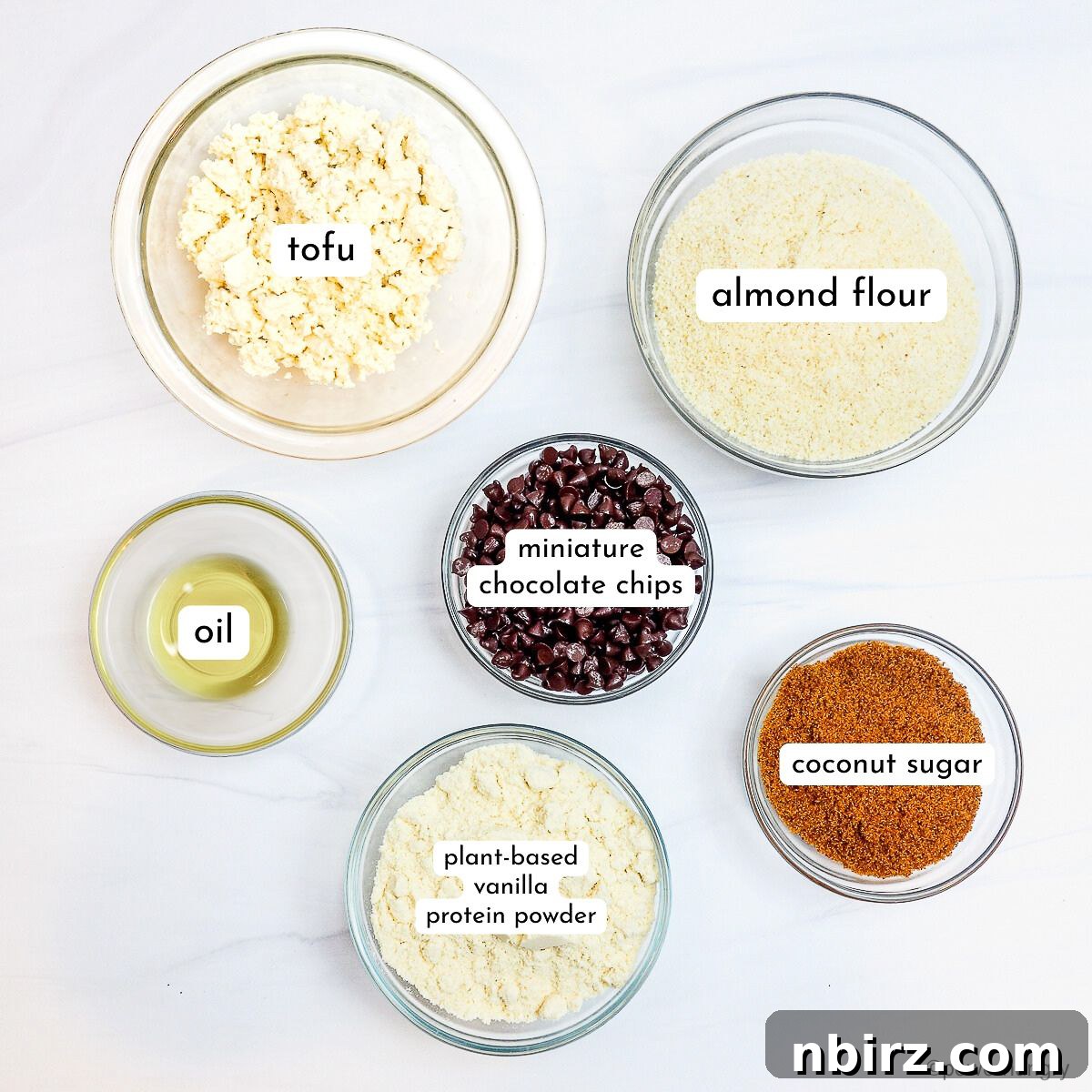
- Extra-Firm Tofu: This is our secret weapon for adding a significant protein boost and creating a wonderfully moist, chewy texture without eggs. It’s crucial to use *extra-firm* tofu, not silken or medium, as its density provides the necessary structure. Simply drain off the excess water from the packaging, but there’s no need to press it further for this recipe.
- Coconut Sugar: My preferred natural sweetener, coconut sugar imparts a rich, caramel-like flavor that closely mimics brown sugar. It’s a fantastic unrefined alternative. If you don’t have coconut sugar, dark or light brown sugar can be used as a direct substitute.
- Almond Flour: The foundation of our grain-free and gluten-free cookies! Made from finely ground blanched almonds, almond flour is rich in healthy fats, fiber, and provides a tender crumb. Ensure you use blanched almond flour, not almond meal, for the best results in texture and consistency.
- Vegetable Oil: A small amount of neutral oil is added to enhance the overall softness and tenderness of the cookies. Avocado oil is a great choice due to its mild flavor and healthy fat profile, but any neutral oil like safflower or a mild olive oil will work. Check our “Tips & Substitutions” section for oil-free alternatives.
- Vanilla Plant-Based Protein Powder: This ingredient is key to boosting the protein content and adds a lovely vanilla essence, eliminating the need for separate vanilla extract. The type of protein powder can affect dough consistency slightly, so look for a vanilla-flavored plant-based option. We recommend using a certified gluten-free brand if you have sensitivities.
- Miniature Dark or Semisweet Chocolate Chips: What’s a chocolate chip cookie without chocolate? I love using mini chocolate chips because they provide a better distribution of chocolate throughout each bite, ensuring every cookie is perfectly studded. Regular-sized chocolate chips will work just as wonderfully if that’s what you have on hand.
Step-by-Step Guide: Crafting Your Perfect Protein Cookies
Get ready to bake! This recipe is straightforward and designed for success. Follow these simple steps to create your delicious batch of almond flour protein cookies.
Step One: Prepare Your Oven and Baking Sheet
Begin by preheating your oven to 350°F (180°C). While the oven heats up, line a large baking sheet with parchment paper. This prevents sticking and makes cleanup a breeze.
Step Two: Whisk Together the Dry Ingredients
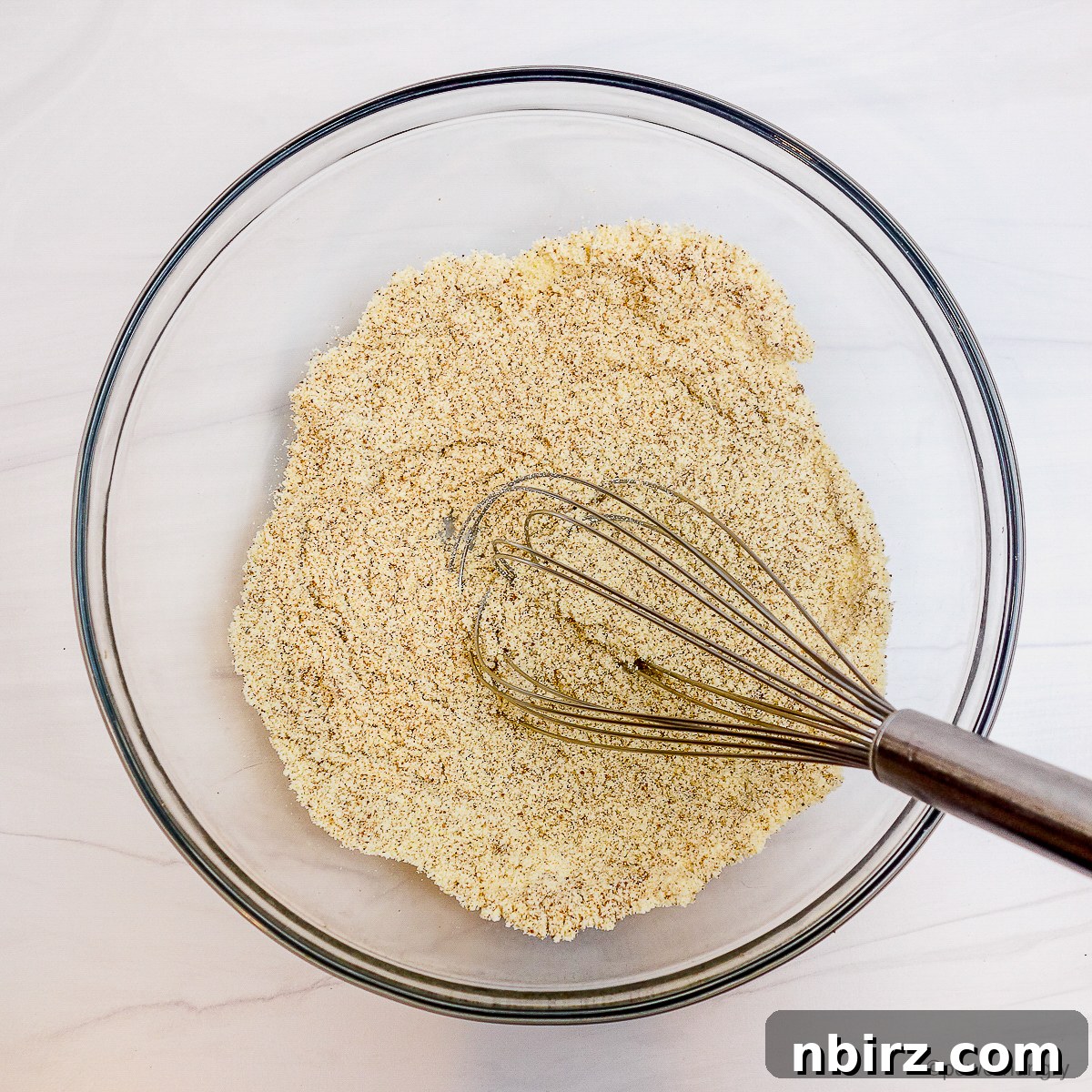
In a spacious mixing bowl, combine the almond flour and the vanilla plant-based protein powder. Use a whisk to thoroughly blend them until no clumps remain and the mixture is uniform. This step ensures an even distribution of ingredients for consistent cookies.
Step Three: Blend the Wet Ingredients
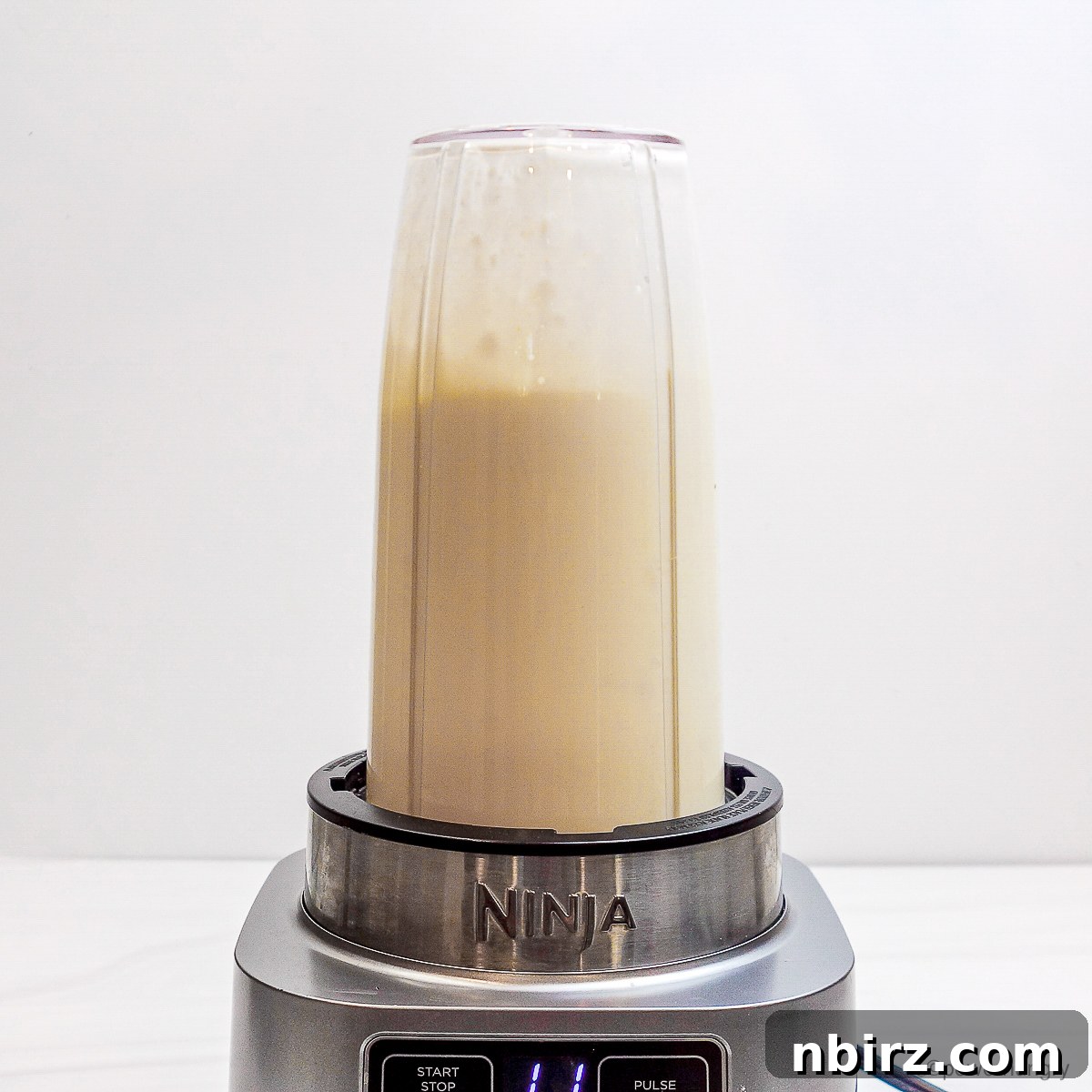
Next, it’s time to prepare our unique wet ingredient blend. Place the extra-firm tofu (drained, not pressed), coconut sugar, and vegetable oil into a blender. A small bullet blender works perfectly for this, but a regular blender, a mini food processor, or even an immersion blender will yield similar smooth results. Blend until the mixture is completely smooth and creamy, with no visible tofu chunks.
Step Four: Form the Cookie Dough
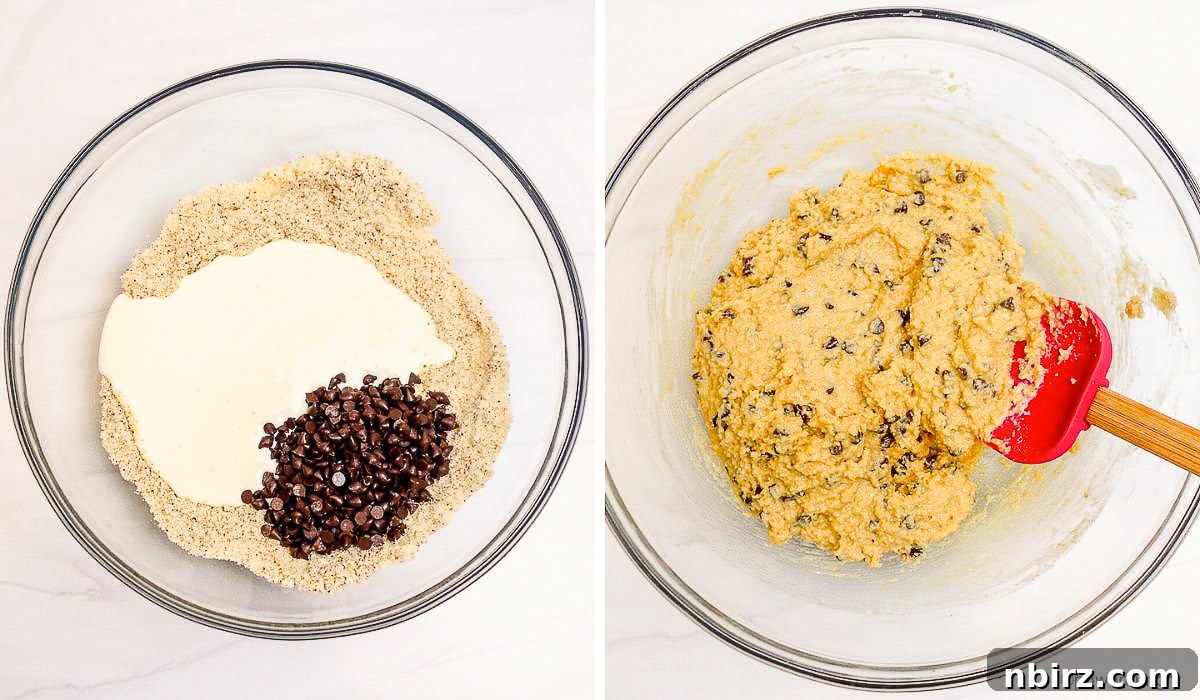
Add your chosen chocolate chips to the bowl containing the dry ingredients. Then, pour the blended wet ingredients (the tofu mixture) over the dry ingredients. Stir everything together with a spoon or spatula until it’s fully combined and a cohesive cookie dough forms. The dough will be thick and slightly sticky. Let the dough stand for about one minute; this allows the dry ingredients to fully absorb the moisture from the wet ingredients, resulting in a perfectly balanced consistency.
Step Five: Portion and Shape Your Cookies
Using a small cookie scoop or a heaping tablespoon, portion rounded mounds of the cookie dough onto your prepared baking sheet. Ensure you leave about 2 inches (5 cm) of space between each cookie to allow for even baking. Since this dough doesn’t spread much, you’ll need to gently press down each cookie mound with slightly damp fingertips. Flatten them to about ¼ inch thickness to form a perfect rounded cookie shape. This step is crucial for achieving the desired cookie form and ensuring they bake through evenly.

Step Six: Bake to Golden Perfection
Place the baking sheet in your preheated oven and bake for 11 to 14 minutes. Begin checking for doneness around the 11-minute mark. The cookies are ready when their edges are lightly golden brown and the surface appears dry and set. Be careful not to overbake, as they can become too firm. The internal texture will continue to set as they cool.

Step Seven: Cool and Enjoy
Once baked, remove the cookies from the oven. Let them rest on the baking sheet for at least 2 minutes. This brief resting period allows them to firm up slightly before handling. After 2 minutes, carefully transfer the cookies with a spatula to a wire cooling rack. Allow them to cool completely. Cooling is important not only for safety but also for the cookies to fully develop their perfect chewy texture. Enjoy them once cool!

Storage Solutions for Your Protein Cookies
These delightful high-protein almond flour cookies are fantastic for meal prepping or keeping on hand for a quick snack. Proper storage ensures they remain fresh and delicious:
- Room Temperature: Store your cooled cookies in an airtight container at a cool room temperature for up to 2 days.
- Refrigerator: For extended freshness, keep them in an airtight container in the refrigerator for up to one week. Chilling can sometimes enhance their chewiness!
- Freezer: These cookies freeze beautifully! Place them in an airtight, freezer-safe container or bag for up to six months. When you’re ready for a treat, simply thaw them at room temperature for about 10-15 minutes, or gently warm them in the microwave for a few seconds for a freshly baked feel.

Pro Tips, Smart Substitutions & Flavor Variations
This recipe is incredibly versatile! Here are some tips and ideas to customize your protein cookies:
- Oil Options: Feel free to use any neutral-flavored oil you have on hand. Safflower oil, melted coconut oil, or a mild olive oil are all excellent choices that won’t overpower the cookie’s flavor.
- Oil-Free Alternative: For an oil-free version, you can substitute the 2 tablespoons of oil with an additional 2 tablespoons of extra-firm tofu, 2 tablespoons of a runny nut or seed butter (like tahini, almond butter, or sunflower seed butter), or 2 tablespoons of your favorite plant-based milk. Adjust consistency as needed.
- Sweetener Alternatives: Brown sugar is a perfect 1:1 substitute for coconut sugar, offering a similar depth of flavor. If you prefer a lighter-colored cookie, granulated sugar will also work. While I haven’t personally tested sugar-free alternatives, products like Sukrin Gold (a 1:1 brown sugar replacement) are likely to work well.
- Liquid Sweeteners (Use with Caution): I generally do not recommend using liquid sweeteners such as pure maple syrup or agave nectar, as they can significantly alter the moisture content of the dough, making it too runny. If you choose to experiment, be prepared to adjust the dry ingredients accordingly to achieve the right dough consistency.
- Flour Alternatives (Not Recommended): For the best results, it’s highly recommended to stick with almond flour. Other flours like cassava flour, chickpea flour, oat flour, all-purpose flour, whole wheat flour, coconut flour, or gluten-free all-purpose flour have different absorption rates and textural properties that will drastically change the outcome of these specific cookies.
- Plant-Based Protein Powder Notes: Plant-based protein powders, typically derived from grains or legumes, can vary in their absorbency between brands. If your cookie dough appears too dry after mixing, don’t worry! Simply add 3 to 4 tablespoons of water or unsweetened non-dairy milk (such as almond or soy milk) one tablespoon at a time, until you reach a moist, pliable dough consistency.
- Chocolate Variations: Feel free to experiment with different types of chocolate chips! White chocolate chips, butterscotch chips, or even chopped nuts can be added for extra flavor and texture.
Explore More Delicious & Healthy Recipes
If you loved these high-protein almond flour cookies, be sure to check out some of our other healthy and delicious recipes:
- Banana Oat Protein Cookies
- Vegan Oat Protein Cookies
- High Protein Chickpea Cookie Dough
- Grain-Free Granola Protein Cookies
- High Protein Chocolate Mint Cookies
High-Protein Almond Flour Chocolate Chip Cookies (Vegan & Gluten-Free)

Easy almond flour protein cookies that are vegan, gluten-free, and loaded with chocolate chips! These cookies are incredibly simple to make with only 6 ingredients, and each serving provides a satisfying 9 grams of protein.
Prep Time: 10 minutes
Cook Time: 11-14 minutes
Total Time: 21-24 minutes
Yields: 12 servings (2 cookies per serving)
Ingredients:
- 1 cup almond flour (finely ground, blanched almond flour, not almond meal)
- 1/2 cup vanilla plant-based protein powder (lightly scooped to measure, ensure it’s certified gluten-free if needed)
- 1 1/4 cups extra-firm tofu (drained, do not press to remove more water)
- 2 tablespoons avocado oil (or other neutral oil; see notes for oil-free options)
- 1/4 cup coconut sugar (or brown sugar; see notes for alternatives)
- 1/2 cup dark chocolate chips (miniature chocolate chips are preferred for better distribution)
Instructions:
- Preheat your oven to 350°F (180°C). Line a large baking sheet with parchment paper.
- In a large mixing bowl, whisk together the almond flour and protein powder until well blended.
- In a blender, combine the drained extra-firm tofu, coconut sugar, and avocado oil. Blend until completely smooth and creamy.
- Add the chocolate chips to the bowl of dry ingredients. Pour the blended tofu mixture into the bowl. Stir until all ingredients are completely blended into a cohesive dough. Let stand for one minute to allow the dry ingredients to fully absorb the wet ingredients.
- Using a small cookie scoop or a heaping tablespoon, portion rounded mounds of the cookie dough onto the prepared baking sheet, spacing them approximately 2 inches (5 cm) apart. With damp fingertips, gently press down each cookie mound to form a rounded cookie, about ¼ inch thick.
- Bake in the preheated oven for 11 to 14 minutes. Start checking for doneness at 11 minutes; cookies should be golden brown at the edges and appear dry on the surface.
- Leave the cookies on the baking sheet for 2 minutes before carefully transferring them with a spatula to a cooling rack. Allow them to cool completely before serving.
Notes:
Storage: Store the cookies in an airtight container at cool room temperature for up to 2 days, in the refrigerator for one week, or in the freezer for up to six months. Frozen cookies will thaw at room temperature within 10 minutes.
Recipe Tips:
- Oil Options: Use any neutral oil like safflower, mild olive oil, or melted coconut oil.
- Gluten-free protein powder: Ensure your protein powder is certified gluten-free if you have dietary restrictions.
- Oil-Free Option: Replace the oil with an extra 2 tablespoons of tofu, 2 tablespoons runny tahini or almond butter, or 2 tablespoons of your preferred plant-based milk.
- Sweetener Options: Brown sugar can be used instead of coconut sugar. Granulated sugar can also work for a lighter cookie. Sugar-free alternatives like Sukrin Gold are likely to work, but haven’t been tested.
- Liquid Sweetener: Avoid liquid sweeteners like maple syrup or agave nectar, as they will make the dough too runny.
- Flour Options: Do not substitute almond flour with other flours such as cassava flour, chickpea flour, oat flour, all-purpose flour, whole wheat flour, coconut flour, or gluten-free all-purpose flour.
- Plant-Based Protein Powders: If dough seems dry, add 3-4 tablespoons of water or non-dairy milk until moist.
Nutrition Information (per serving):
Serving: 1 serving (2 cookies)
- Calories: 162 kcal
- Carbohydrates: 10g
- Protein: 9g
- Fat: 11g
- Saturated Fat: 3g
- Polyunsaturated Fat: 1g
- Monounsaturated Fat: 2g
- Cholesterol: 0.1mg
- Sodium: 61mg
- Potassium: 51mg
- Fiber: 2g
- Sugar: 5g
- Vitamin A: 1IU
- Vitamin C: 0.04mg
- Calcium: 83mg
- Iron: 1mg