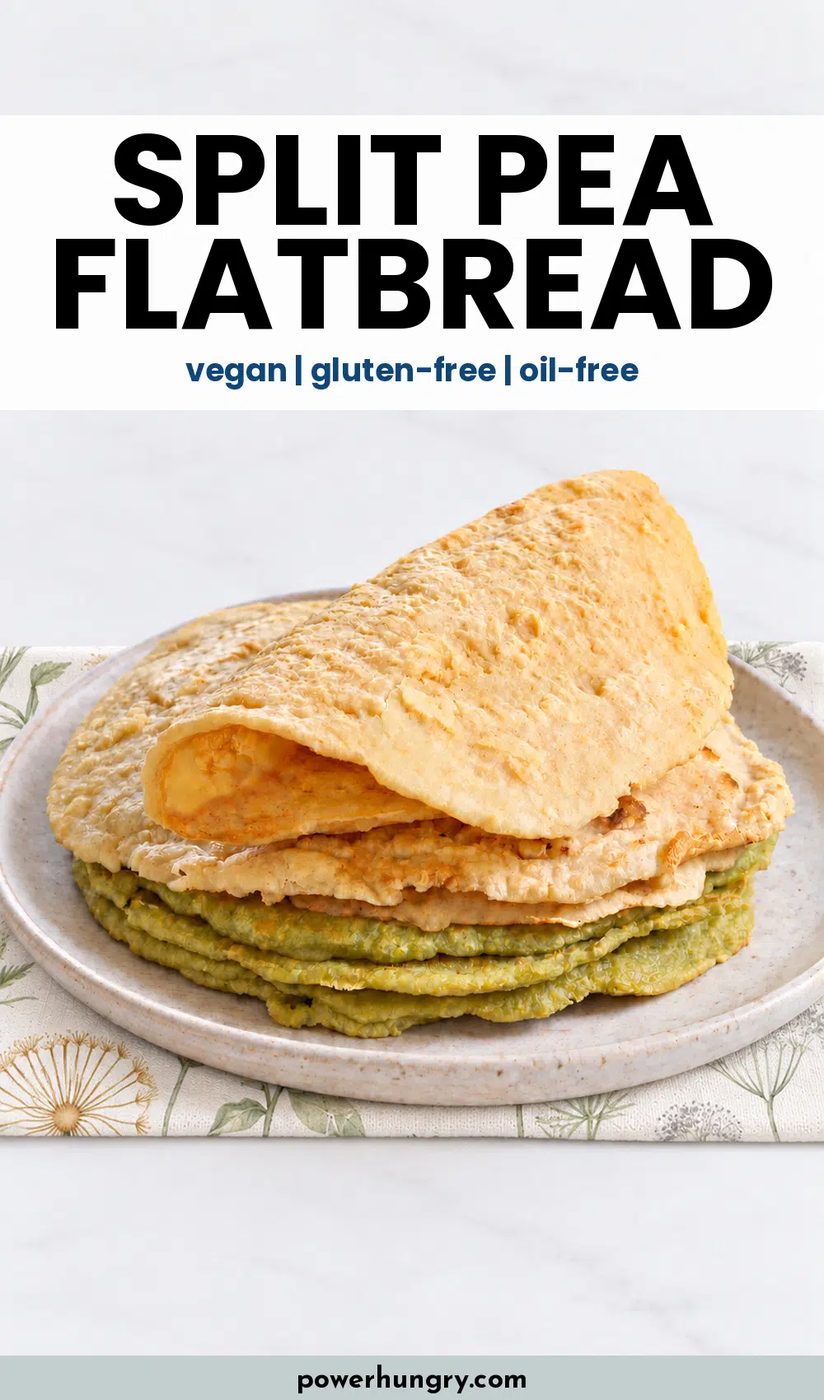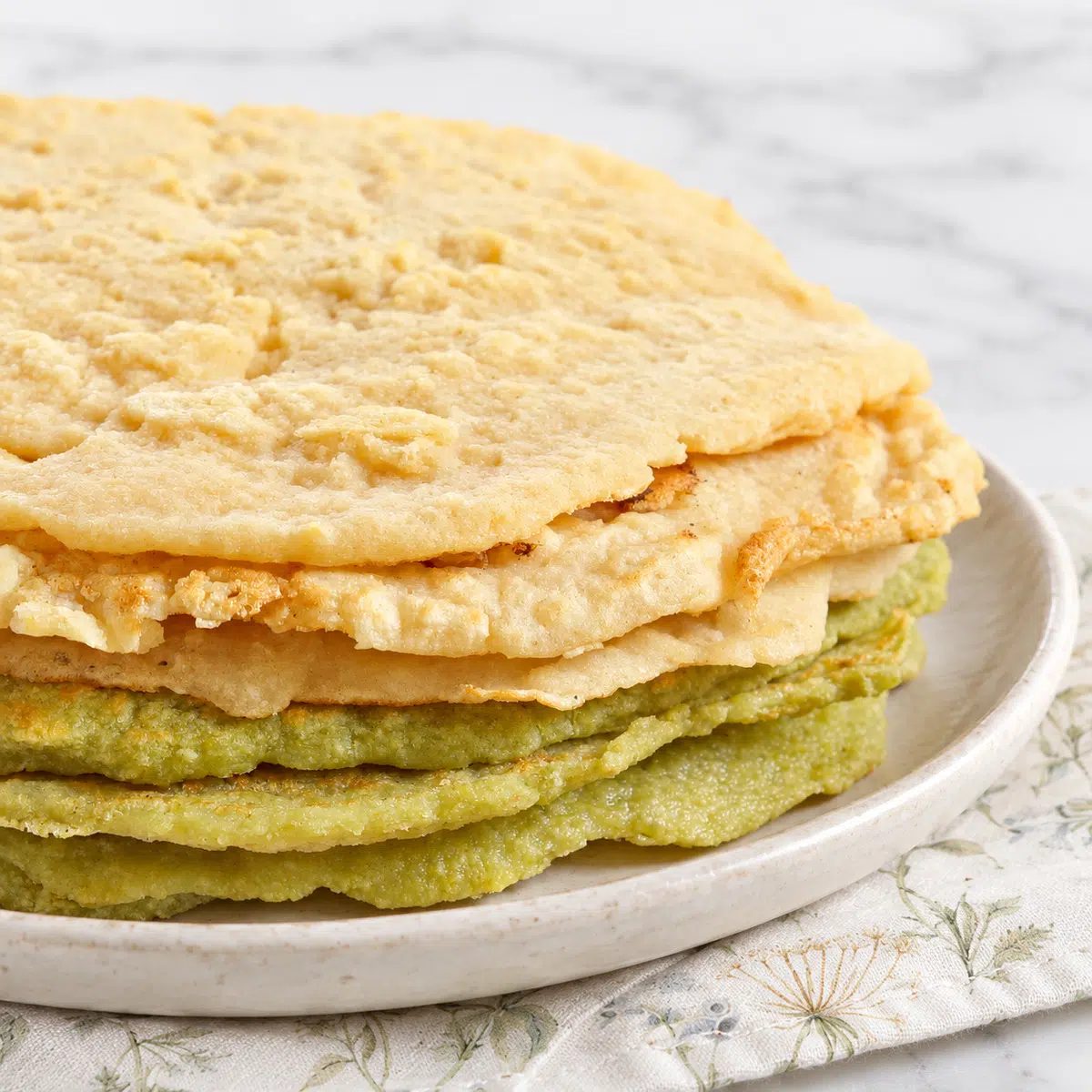
A humble bag of split peas makes surprisingly satisfying flatbread: soft, flexible, and hearty enough for wraps or scooping up your go-to curry. My split pea flatbread needs just one main ingredient, plus water, and is naturally vegan, gluten-free, grain-free, and oil-free.
Introduction
I am not very good at leaving well enough alone—especially when a plain recipe opens up new possibilities. After developing my red lentil tortillas, I started wondering about the yellow and green split peas in my pantry. Could they become soft, flexible flatbread, too?
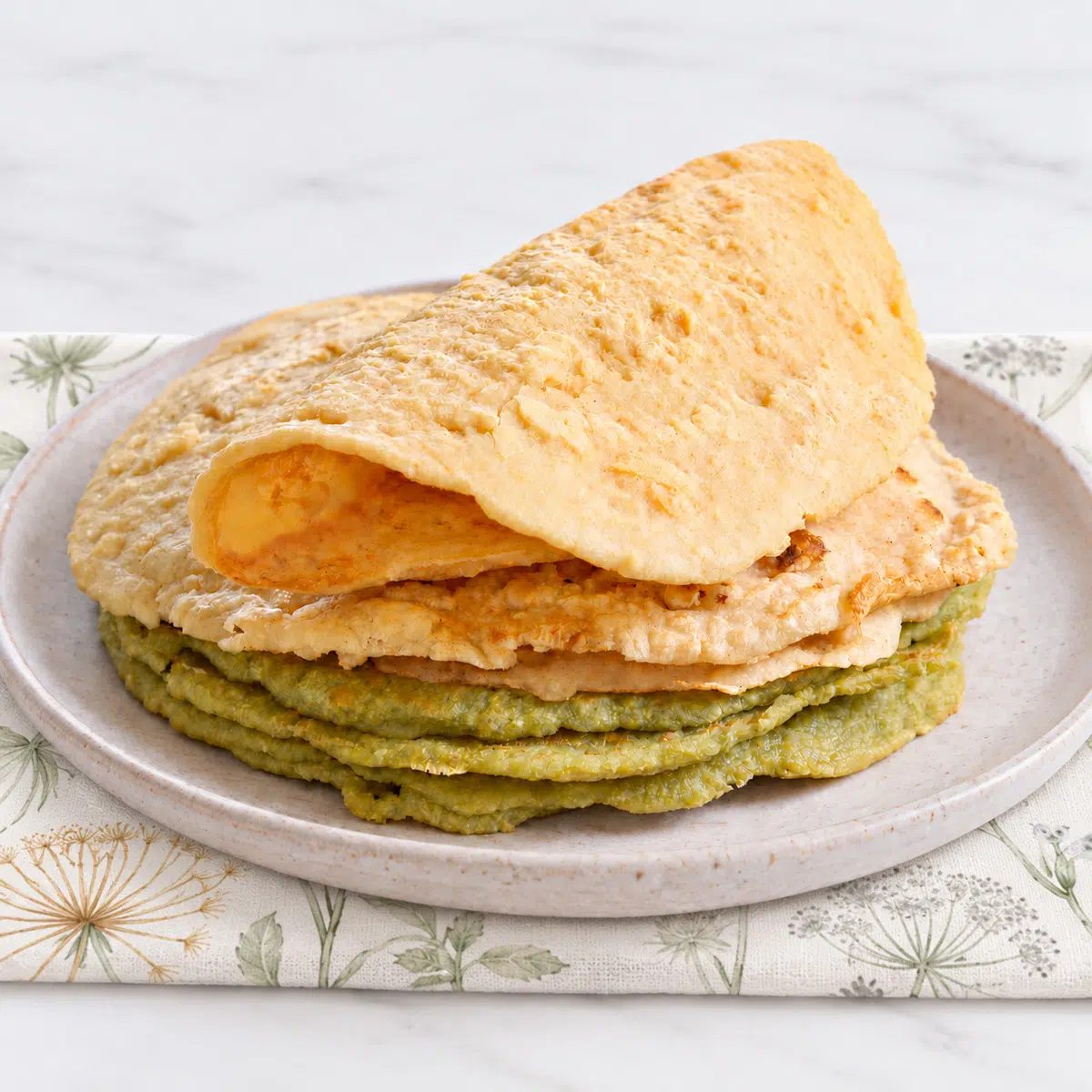
Several batches later, the answer was a satisfying yes. Split pea flatbread has a hearty, earthy flavor and a tender, almost crepe-like texture. You can bend, fold, and roll it, which makes it equally useful as a tortilla, a small wrap, or something to scoop through a bowl of curry.
The most useful lesson from my testing? Split peas need more water than red lentils for a batter that spreads properly. A smooth batter, a dependable nonstick skillet, and low heat make all the difference. Once you find your rhythm with the first flatbread, the rest are much easier.
Reliable of all, an inexpensive pantry staple does nearly all the work. No flour, eggs, oil, or kneading required.
Why You’ll Love This Recipe
- One main ingredient:Dried split peas, water, and optional salt make the entire batter.
- Vegan and allergy-friendly:Naturally egg-free, dairy-free, gluten-free, grain-free, nut-free, and soy-free.
- Oil-free and made without added sugar:No oil is needed when you use a reliably nonstick cooking surface.
- Satisfying and sustaining:Each flatbread provides approximately 6 grams of protein and 6 grams of fiber.
- Soft and flexible:Fold into tacos, roll around a filling, or serve alongside curry.
- Budget-friendly:An ordinary bag of split peas becomes a useful batch of kitchen-made flatbread.
- Freezer-friendly:Make ahead and freeze for another meal.
Ingredients
The exact amounts of each ingredient are indicated in the recipe card at the end of the post.Toggle betweenUS Customary(volume) andMetric(weights) for preferred measurement option.
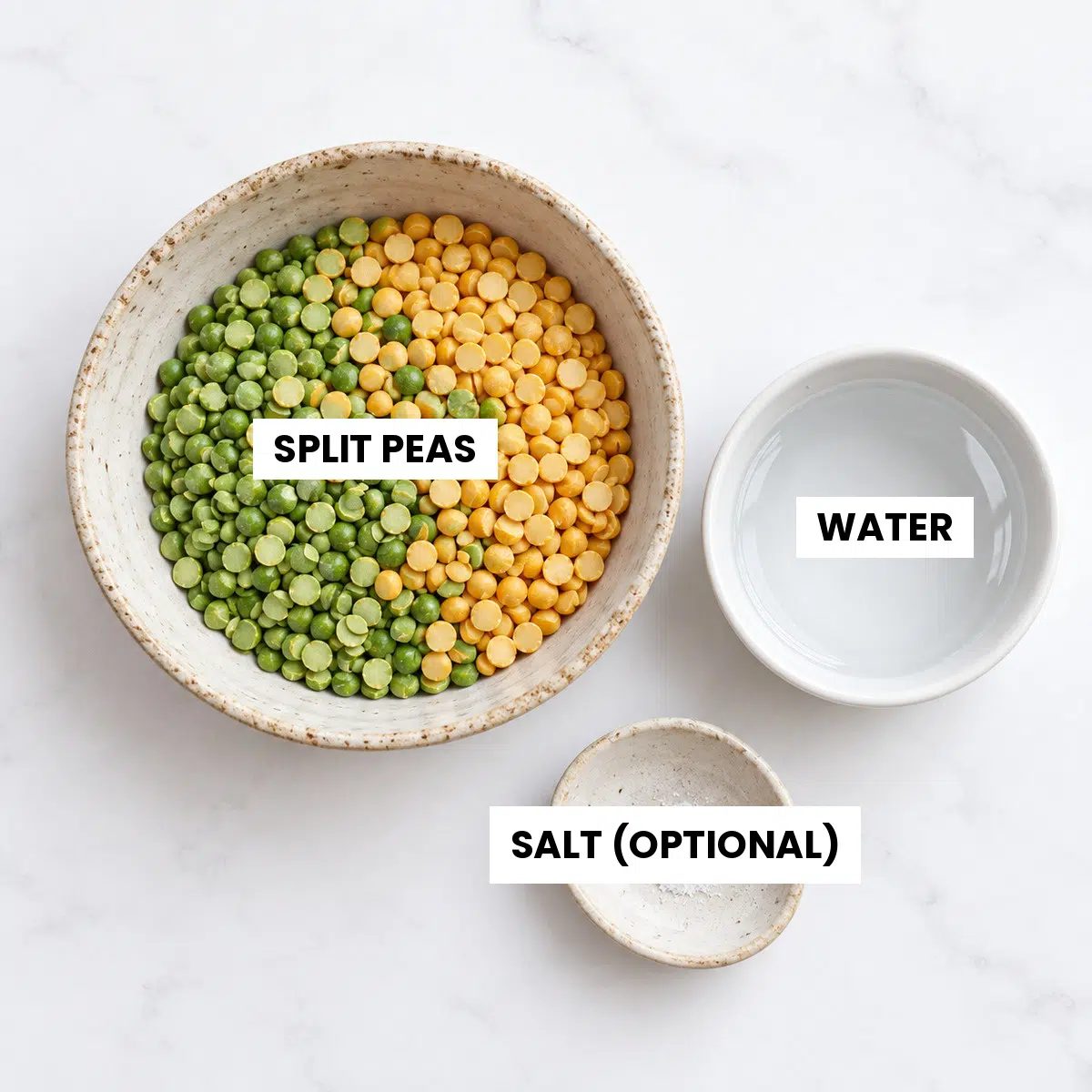
- Dried split peas:Use green or yellow split peas, rinsed and drained before soaking. Look for them alongside dried beans and lentils at the supermarket. Start with dried peas rather than cooked peas.
- Water:Softens the peas and gives the blended batter the consistency it needs to spread thinly. Keep the soaking water; it is part of the recipe.
- Salt, optional:Adds seasoning without changing the basic method. Leave it out if you prefer, or include it for a more savory flatbread.
How to Make Split Pea Flatbread
Note that the complete instructions are also in the recipe card below.
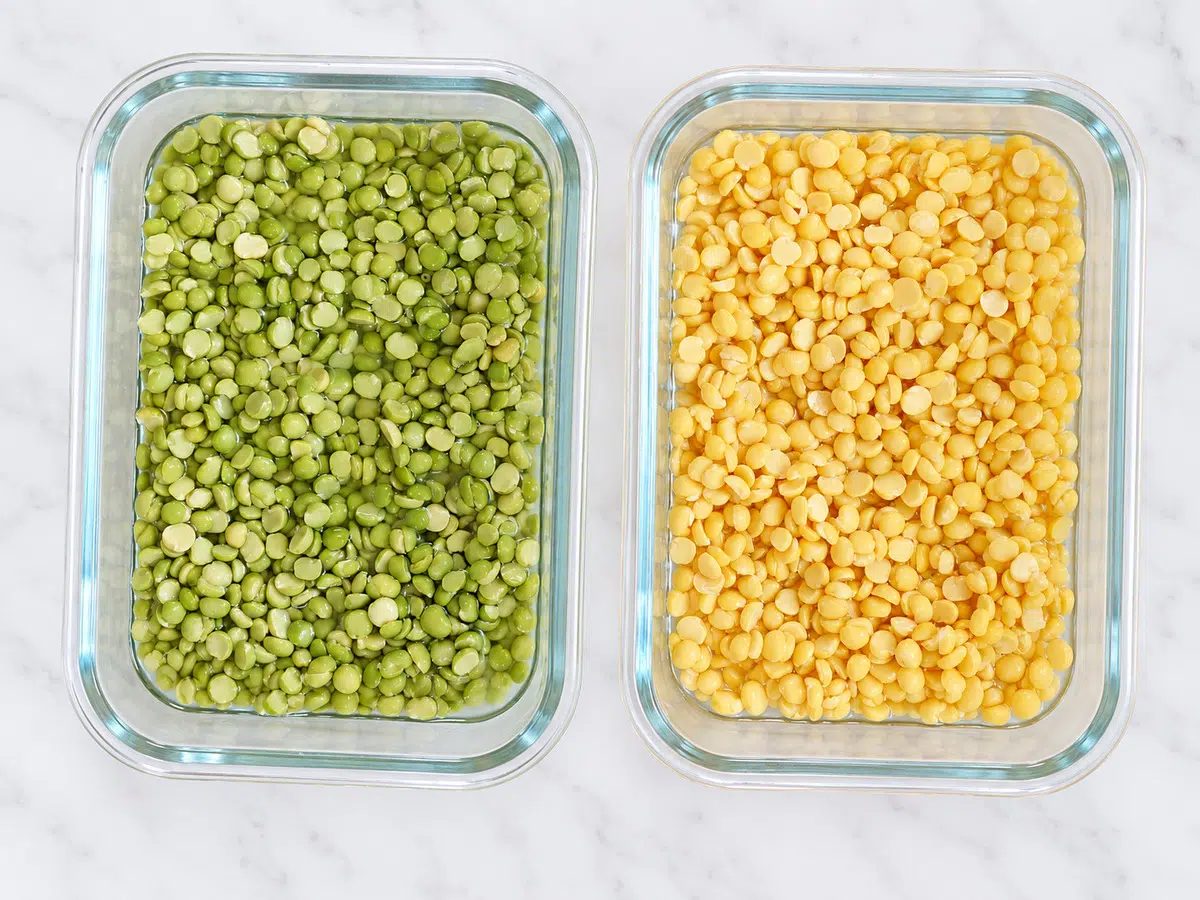
- Soak the peas.Combine the rinsed, drained split peas and water in a bowl. Loosely cover and let stand at room temperature for 6 to 12 hours. Do not drain. For the 30-minute soaking option, see the recipe-card notes.
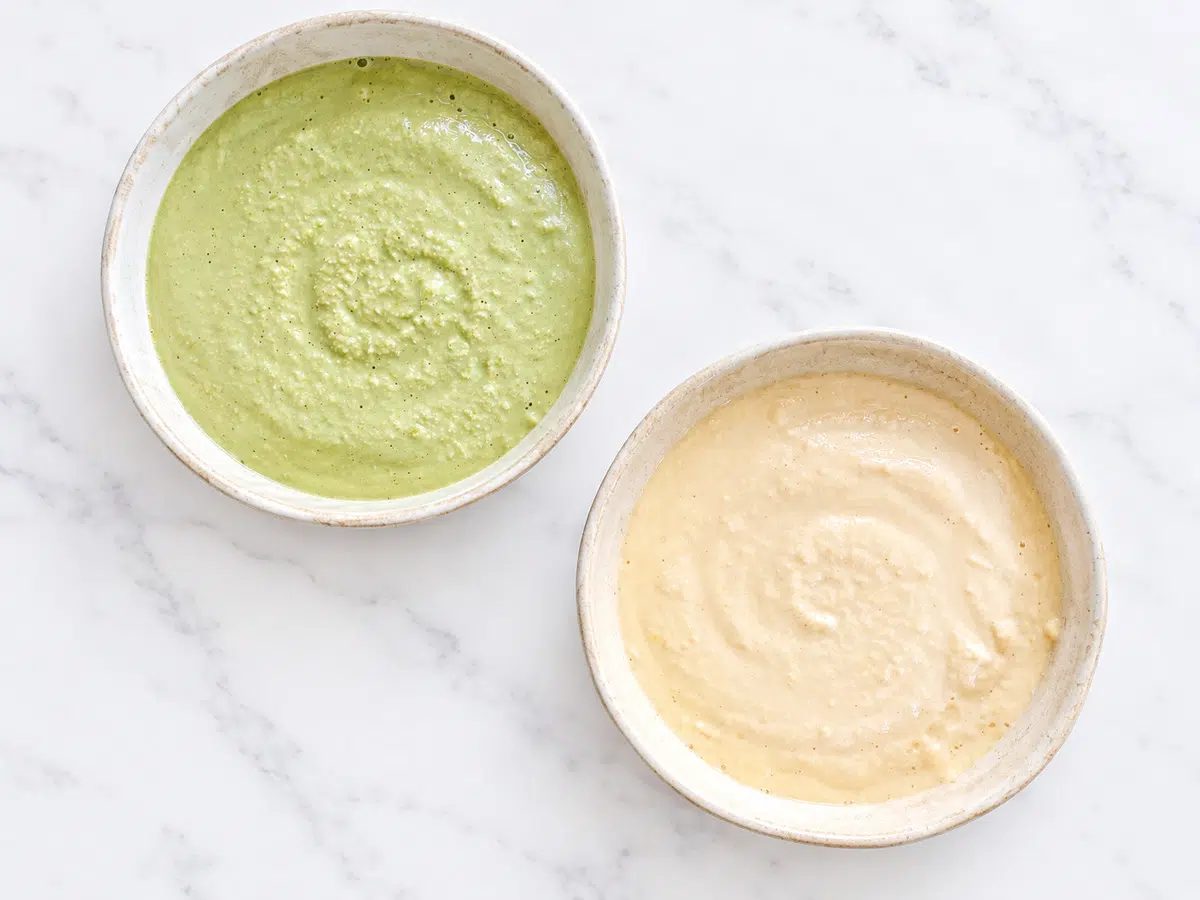
- Blend until smooth.Transfer the peas and all their soaking water to a blender. Add the optional salt. Blend on high for 2 to 3 minutes, stopping to scrape down the sides as needed, until no tiny pieces of peas remain.
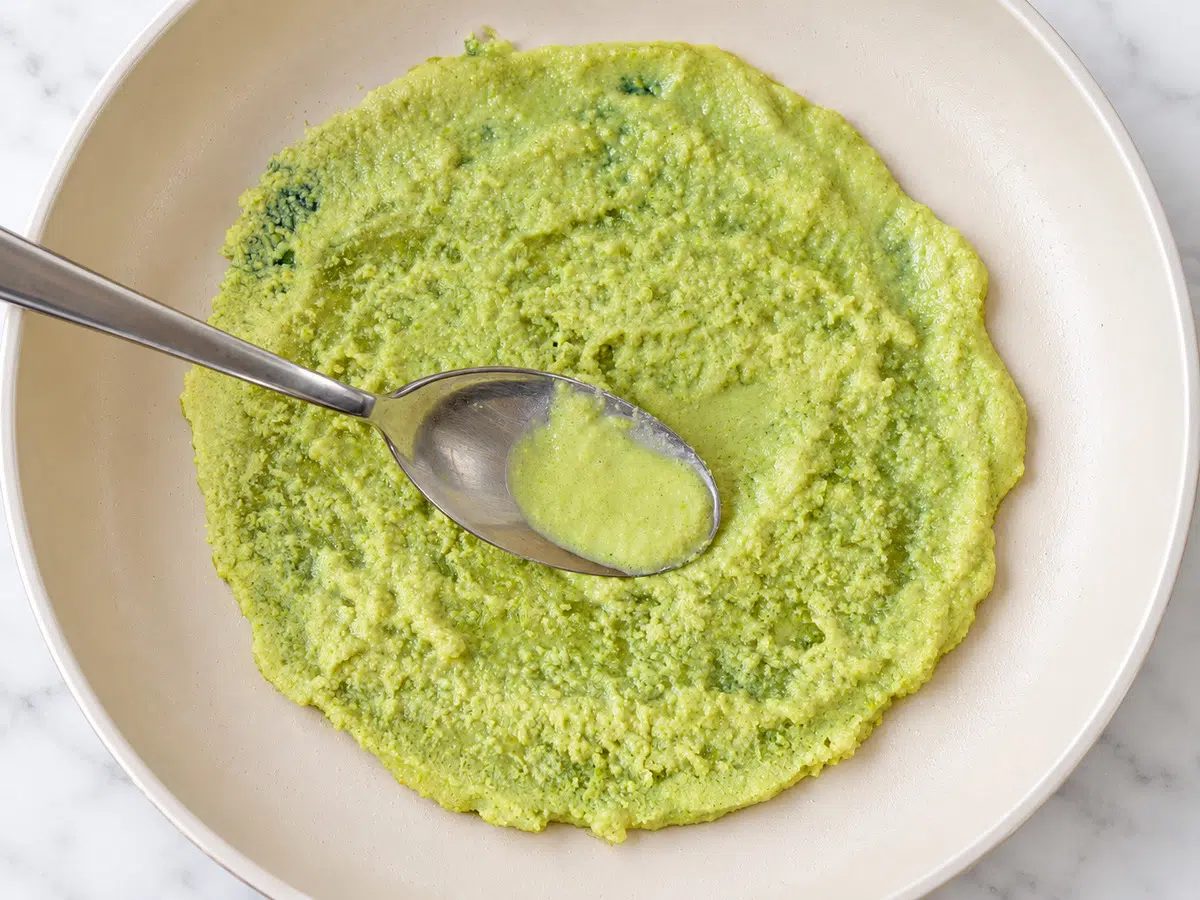
- Warm the skillet.Heat a nonstick skillet or griddle over medium heat, then reduce the heat to low.Spread the batter.Spoon ⅓ cup of batter into the center of the skillet. Use the back of a metal spoon to spread it into a thin, approximately 6-inch circle. Smooth over uneven areas as needed.
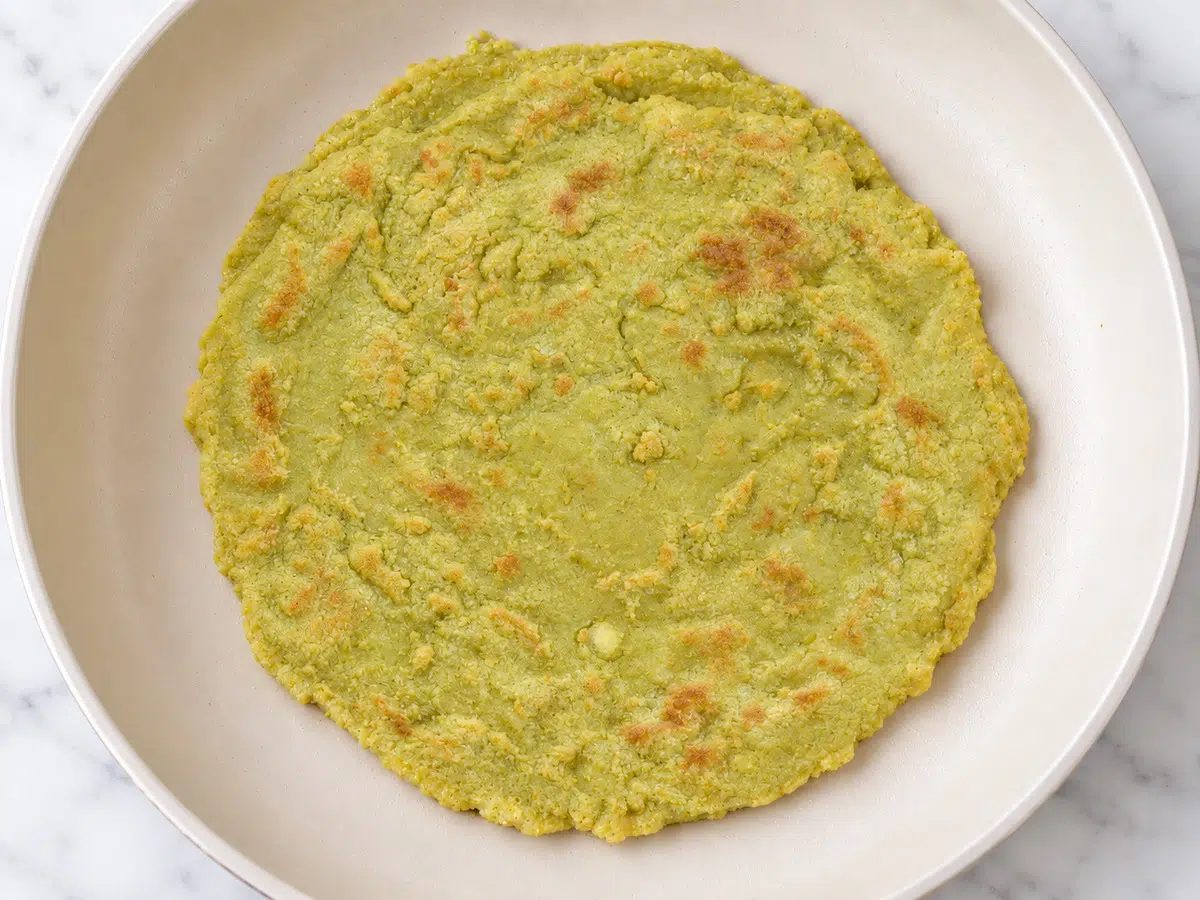
- Cook and flip.Cook for 2 to 3 minutes, until the surface looks dry. Slide a spatula underneath, flip, and cook for about 1 minute longer to brown the second side.
- Cool and repeat.Transfer the flatbread to a cooling rack. Repeat with the remaining batter, allowing the flatbreads to cool completely before storing.
Taste and Texture
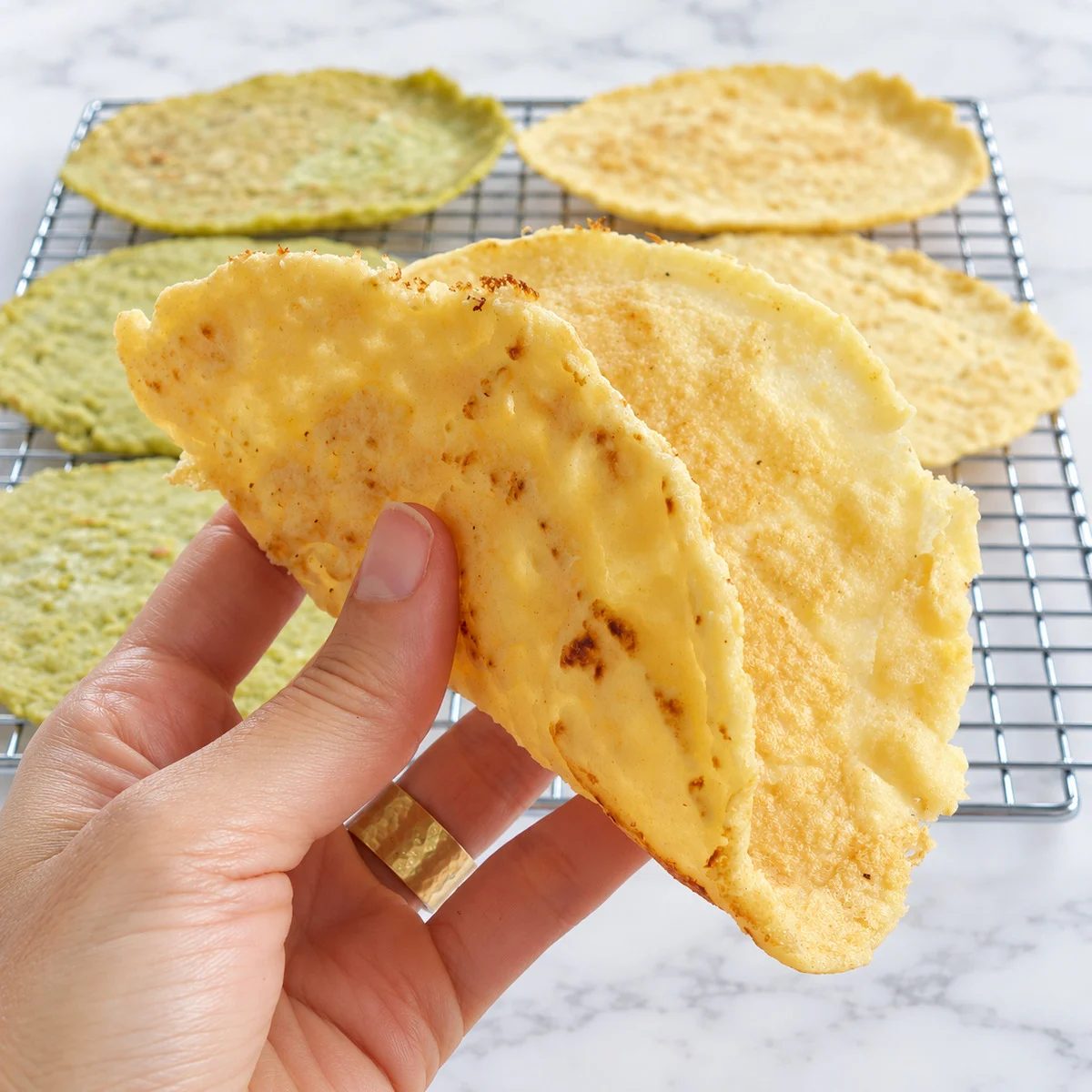
Split pea flatbread has a pleasantly earthy pea flavor and a soft, tender texture with a creamy quality that reminds me of a savory crepe. It is hearty enough to hold a filling, yet flexible enough to bend and roll.
Expect a thin, pliable flatbread with lightly browned patches. The batter should be spread thinly so it cooks through rather than leaving a thick, mushy center.
Serving Suggestions
Serve split pea flatbread alongside bowls of curry, dal, or soups for dipping and scooping. Its earthy flavor works especially well with generously seasoned dishes.
For a plain lunch, spread with hummus and add chopped vegetables, or fold around your go-to taco filling. You can also serve it flat with a savory topping, much as you would a small crepe.
Storage
- Room Temperature:Allow the flatbreads to cool on a rack, then refrigerate promptly, within 2 hours of cooking.
- Refrigerator:Store in an airtight container for up to 3 to 4 days.
- Freezer:Store cooled flatbreads in an airtight freezer container or bag for up to 6 months. Separate with parchment paper for easier removal.
Flavor Variations
Fresh HerbsAdd a handful of parsley, cilantro, dill, or basil to the blender with the soaked peas and water. Blend until smooth.
Garlic and Warm SpicesSeason the batter with garlic powder, onion powder, cumin, curry powder, or turmeric. Choose a seasoning that complements whatever you plan to serve with the flatbread.
Dried HerbsAdd dried rosemary, Italian seasoning, or herbes de Provence to the batter for an herb-seasoned flatbread.
Nutritional YeastAdd nutritional yeast to the batter for a subtle cheesy flavor while keeping the flatbread dairy-free.
Tips for Success
My Tips for Soft, Flexible Flatbread- Keep the measured water.Blend the peas with all their soaking water. A thicker batter is difficult to spread and can produce a thick pancake rather than thin flatbread.
- Blend thoroughly.Stop and scrape down the blender several times. The batter should be completely smooth, without little bumps of unblended peas.
- Use a dependable nonstick surface.I use a very well-seasoned cast iron skillet. If you are unsure whether yours is nonstick, I suggest using a nonstick skillet or griddle.
- Lower the heat after preheating.Warm the skillet over medium heat, then turn it to low before adding the batter. In my testing, higher heat browned the flatbread before it cooked through.
- Spread into a thin circle.Use the back of a spoon to work the batter outward into a 6-inch circle. It is fine to go back over areas that have begun to set and smooth them out.
- Pause the heat if needed.If the batter sets before you can spread it, I suggest briefly moving the skillet off the heat while you spread, then returning it to the burner.
- Wait before flipping.Let the surface look dry before sliding a spatula underneath. Flipping too soon can cause the flatbread to tear.
Ingredient Substitutions
Ingredient Options and Substitutions- Green or yellow split peas:Either works in this recipe. Use the same amount and follow the same soaking and cooking instructions.
- Fresh soaking water:If you prefer to replace the soaking water, drain it into a measuring cup first. Add exactly the same volume of fresh water to the soaked peas before blending.
- Salt:The salt is optional and can be omitted.
- Green lentils:I have not tried them in this recipe, but one reader reported success using whole green lentils in place of the split peas. The resulting flatbread was less foldable.
- Red lentils:I suggest using myred lentil tortilla recipe, which has water proportions developed specifically for red lentils.
- Dried chickpeas:I suggest following myblack bean tortilla recipeand substituting an equal weight of dried chickpeas for the dried black beans. The proportions are better suited to chickpeas.
Frequently Asked Questions
Is split pea flatbread the same as split pea tortillas?Yes! I use both names for this recipe. The thin, flexible flatbreads can be folded and rolled like tortillas or served alongside a meal for scooping.
Can I soak the split peas in less than 6 hours?Yes. Combine the rinsed, drained split peas with 2 cups of boiling water and let stand for 30 minutes. Do not drain. Add the soaked peas, their soaking water, and an additional 2/3 cup of cold water to the blender. If your blender is not designed for warm liquids, let the mixture cool before blending.
Why is my flatbread mushy in the middle?The batter may be spread too thickly. Spread each 1/3-cup portion into a thin, approximately 6-inch circle. The surface should look dry before you flip it; the second side needs only a short time to brown.
Why does my flatbread stick or tear?Check your cooking surface and give the flatbread enough time to set. A reliably nonstick skillet is essential, and flipping before the surface looks dry can cause tearing. If the batter sets too quickly while you spread it, briefly remove the skillet from the heat. The first flatbread can take a little practice as you adjust to your pan.
How is this a 1-ingredient recipe?Split peas are the only required ingredient apart from water. Salt and any herbs or spices are optional. No flour, eggs, oil, or binders are needed.
Can I make crispy tortilla bowls with the flatbread?I have not tested this recipe for crispy tortilla bowls. Based on my testing with red lentil tortillas, I would not expect baking the plain, oil-free flatbread to produce a reliably crisp bowl.
Split Pea Flatbread (Split Pea Tortillas)
- Prep Time: 5 minutes
- Cook Time: 7 minutes
- Total Time: 12 minutes
- Servings: 8 tortillas
Ingredients
- 1 cup dried split peas (yellow or green), rinsed and drained (rinsed and drained; use yellow or green split peas)
- 2.67 cups water (I use filtered tap water)
- Optional: 1/4 teaspoon salt
Method
- Soak the split peas. Combine the rinsed, drained split peas and water in a medium bowl or other container. Loosely cover and let stand at room temperature for at least 6 hours or up to 12 hours. Do not drain.
- Blend the batter. Transfer the entire contents of the bowl, including the remaining soaking water, to a blender. Add the optional salt. Blend on high speed for 2 to 3 minutes, stopping several times to scrape down the sides, until completely smooth with no tiny bumps. Pour into a bowl or measuring cup.
- Heat the skillet. Warm a nonstick skillet , reliably nonstick seasoned cast iron skillet , or nonstick griddle over medium heat, no hotter. Reduce the heat to low before adding the batter.
- Spread the flatbread. Add ⅓ cup of batter to the center of the skillet. Use the back of a metal spoon to spread it into a thin, 6-inch (15 cm) circle, smoothing uneven areas as needed.
- Cook and flip. Cook for 2 to 3 minutes, until the surface looks dry. Slide a spatula underneath and flip. Cook for about 1 minute longer to brown the other side.
- Cool and repeat. Transfer to a cooling rack and cool completely. Repeat with the remaining batter.
Notes
Quick Soaking: Combine the rinsed, drained split peas with 2 cups of boiling water. Let stand for 30 minutes. Do not drain. Blend the peas and soaking water with an additional ⅔ cup of cold water and the optional salt. Follow your blender’s instructions for warm liquids; let the mixture cool first if necessary. Storage: Cool on a rack and refrigerate within 2 hours of cooking. Store in an airtight container in the refrigerator for up to 3 to 4 days, or freeze for up to 6 months. Separate flatbreads with parchment paper for straightforward removal. Pan Choice: A genuinely nonstick cooking surface is essential. I use a very well- seasoned cast iron skillet ; if yours tends to stick, I suggest a nonstick skillet or griddle. Batter and Thickness: Keep all the measured water and blend thoroughly. Spread each portion thinly into a 6-inch circle so it cooks through without a mushy center. Spreading Tip: If the batter begins setting before you can spread it, briefly remove the skillet from the heat while you spread, then return it to the burner. Replacing the Soaking Water: If you prefer fresh water, drain the soaking water into a measuring cup and replace it with exactly the same volume of fresh water. Seasoning Options: Add fresh herbs, dried herbs, nutritional yeast , garlic powder, onion powder, cumin, curry powder, or turmeric to the batter. Where to Find Split Peas: Look alongside dried beans and lentils at the supermarket.