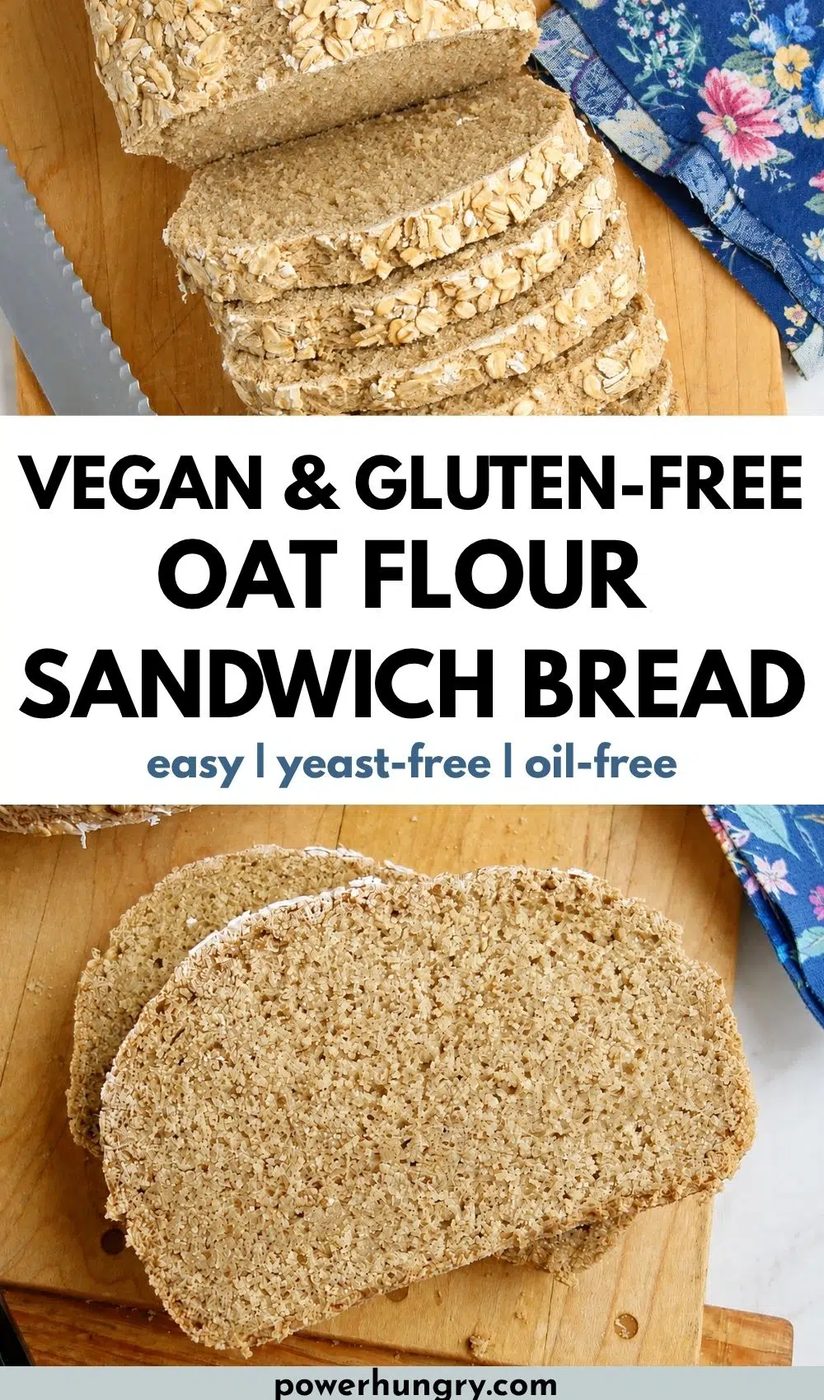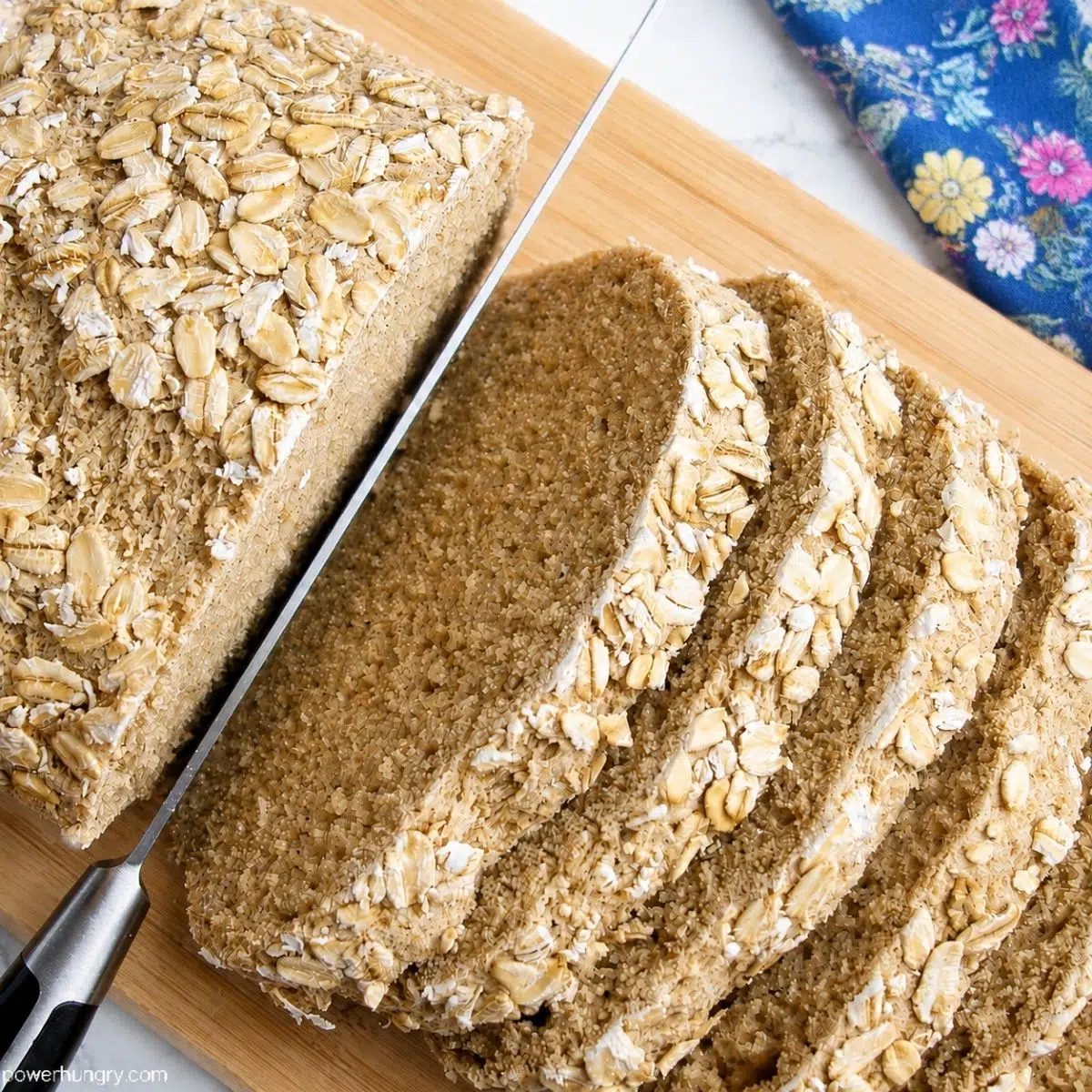
A hearty vegan gluten-free oat sandwich bread with a mild, toasty flavor and a sturdy, sliceable crumb. Made without yeast, eggs, dairy, oil, xanthan gum or kneading, it is straightforward to prepare and outstanding for toast and sandwiches.
Good gluten-free sandwich bread should be capable of doing ordinary bread things extraordinarily well: holding a generous sandwich together, supporting a thick swipe of almond butter and becoming properly crisp at the edges when toasted. This vegan oat sandwich bread delivers on all three.
Developing this particular kitchen-made bread required a certain amount of determined tinkering—and a very sticky kitchen. My first all-oat loaves rose with great promise before sinking into decidedly squidgy submission. Pairing oat flour with brown rice flour proved to be the solution. The rice flour lightens and refines the crumb while preserving the warm, mellow character of the oats.
The finished loaf is substantial rather than fluffy, much like a hearty whole wheat or whole-grain bread. It slices beautifully once completely cool and is filling enough to give a sandwich real staying power. No yeast, eggs, dairy, oil, xanthan gum or kneading is required.
Why You’ll Love This Recipe
- Straightforward to make:Mix, shape and bake with pantry ingredients—no yeast, proofing or kneading.
- Excellent for toast:The edges become crisp while the interior remains pleasantly tender.
- Made with everyday whole grains:Oats and brown rice create a mild, versatile loaf.
- Sturdy and sliceable:It holds up well beneath sandwich fillings and spreads.
- Allergy-friendly:Vegan (egg-free and dairy-free), gluten-free, nut-free and xanthan gum-free.
- Oil-free:No added oil is needed for moisture or structure.
- High in fiber:Each slice contains approximately 3.3 grams of fiber.
- Freezer-friendly:Slice and freeze it for convenient toast whenever you need it.
Ingredients
The exact amounts of each ingredient are indicated in the recipe card at the end of the post.Toggle betweenUS Customary(volume) andMetric(weights) for preferred measurement option.
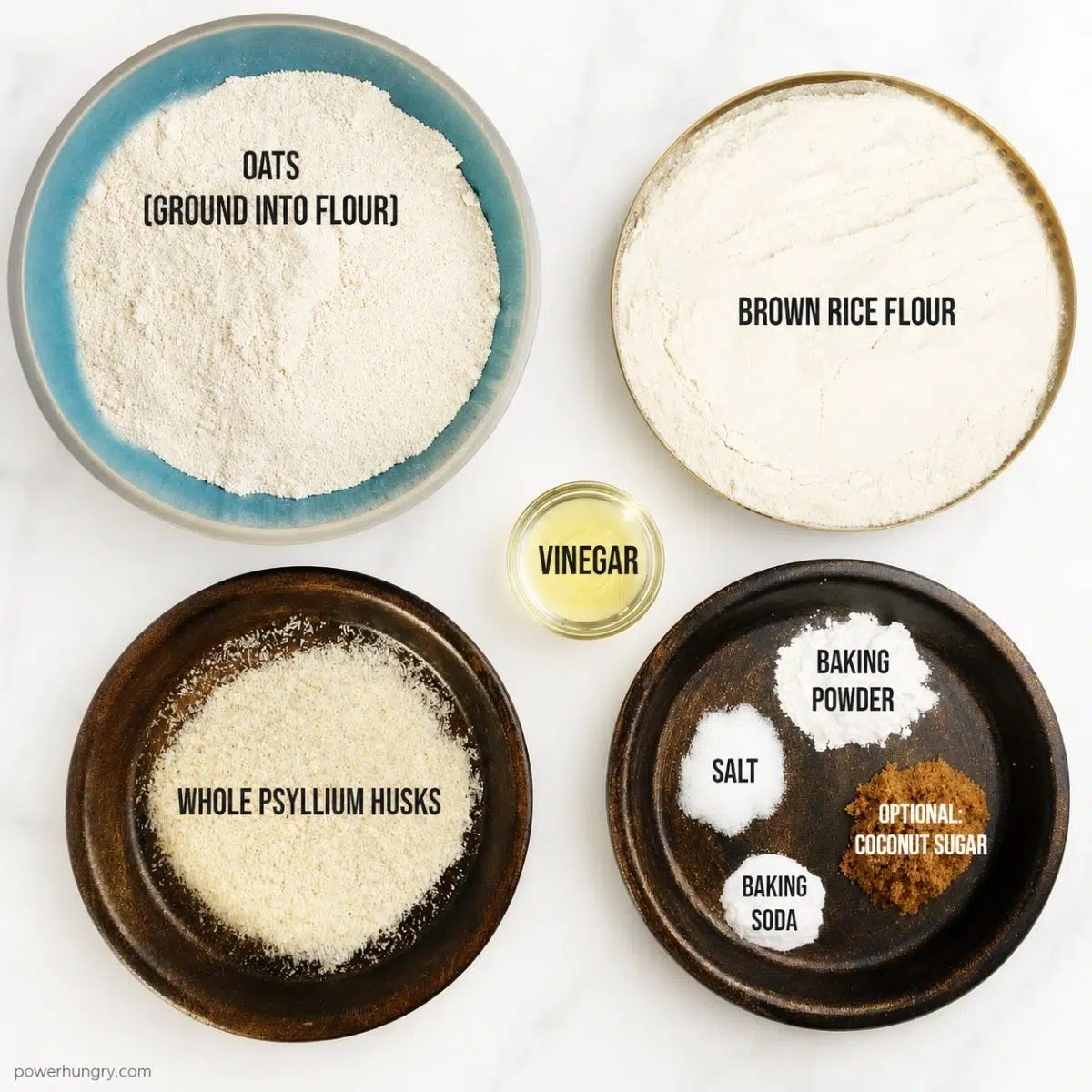
- Rolled oats:Grind the oats into a fine flour before mixing. Use certified gluten-free oats if needed. You can also begin with 200 grams of finely ground oat flour.
- Brown rice flour:Lightens the oat flour and helps the loaf develop a finer, less gummy crumb.
- Baking powder and baking soda:Provide the leavening in place of yeast.
- Fine sea salt:Balances the mild flavors of the oats and rice. Reduce or omit if you are watching your sodium.
- Coconut sugar, optional:A small amount deepens the oat flavor without making the bread noticeably sweet. Another granulated or liquid sweetener may be used.
- Water:Hydrates the flours and activates the psyllium.
- Whole psyllium husks:Create the flexible gel that binds and structures this egg-free, gluten-free loaf.
- Apple cider vinegar:Reacts with the baking soda and supports the bread’s rise. Any vinegar, or lemon juice, will work.
- Rolled oats for topping, optional:Add a small scattering for a plain whole-grain finish.
How to Make Vegan Gluten-Free Oat Sandwich Bread
Note that the complete instructions are also in the recipe card below.
Step by Step Instructions
- Prepare the Pan and Oven.Preheat the oven to 325°F (160°C). Grease or spray a 9-by-5-inch (22.5-by-12.5 cm) loaf pan. Alternatively, line with parchment paper.
- Grind the Oats.Process the rolled oats in a high-speed blender or food processor until they form a fine flour. Measure by weight for the greatest accuracy.
- Combine the Dry Ingredients.In a large mixing bowl or other large bowl. whisk together the oat flour, brown rice flour, baking powder, baking soda, salt and optional coconut sugar. Whisk thoroughly so that the leavening is distributed evenly.
- Make the Psyllium Gel.In a medium bowl, whisk the water, vinegar and whole psyllium husks until blended. Let the mixture stand for about 5 minutes. It will thicken into a loose gel that provides much of the loaf’s structure.
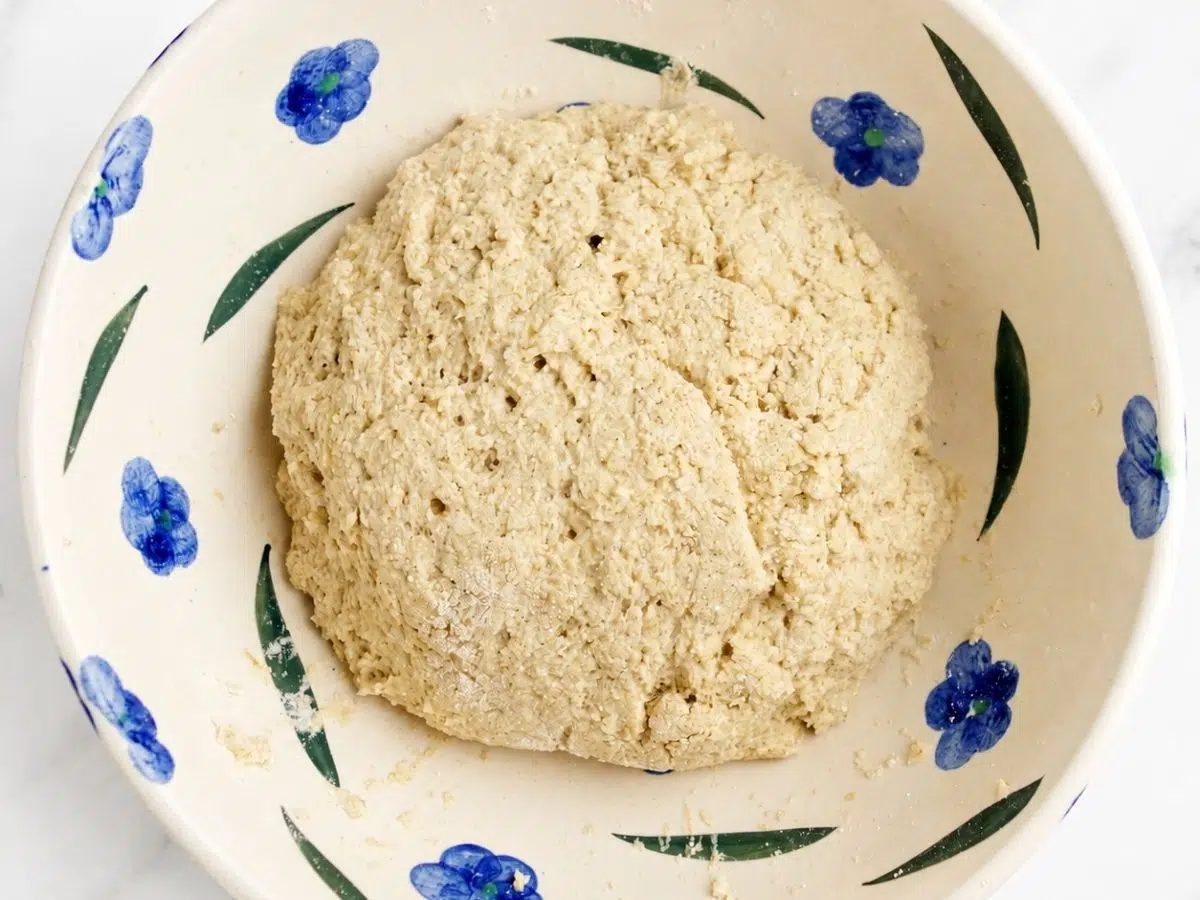
- Mix the Dough. Add the psyllium mixture to the dry ingredients (oat mixture). Stir vigorously with a wooden spoon until all of the flour is incorporated and a thick but stirrable dough forms (not a bread batter) . A sturdy spoon, spatula or stand mixer fitted with the paddle attachment will work.
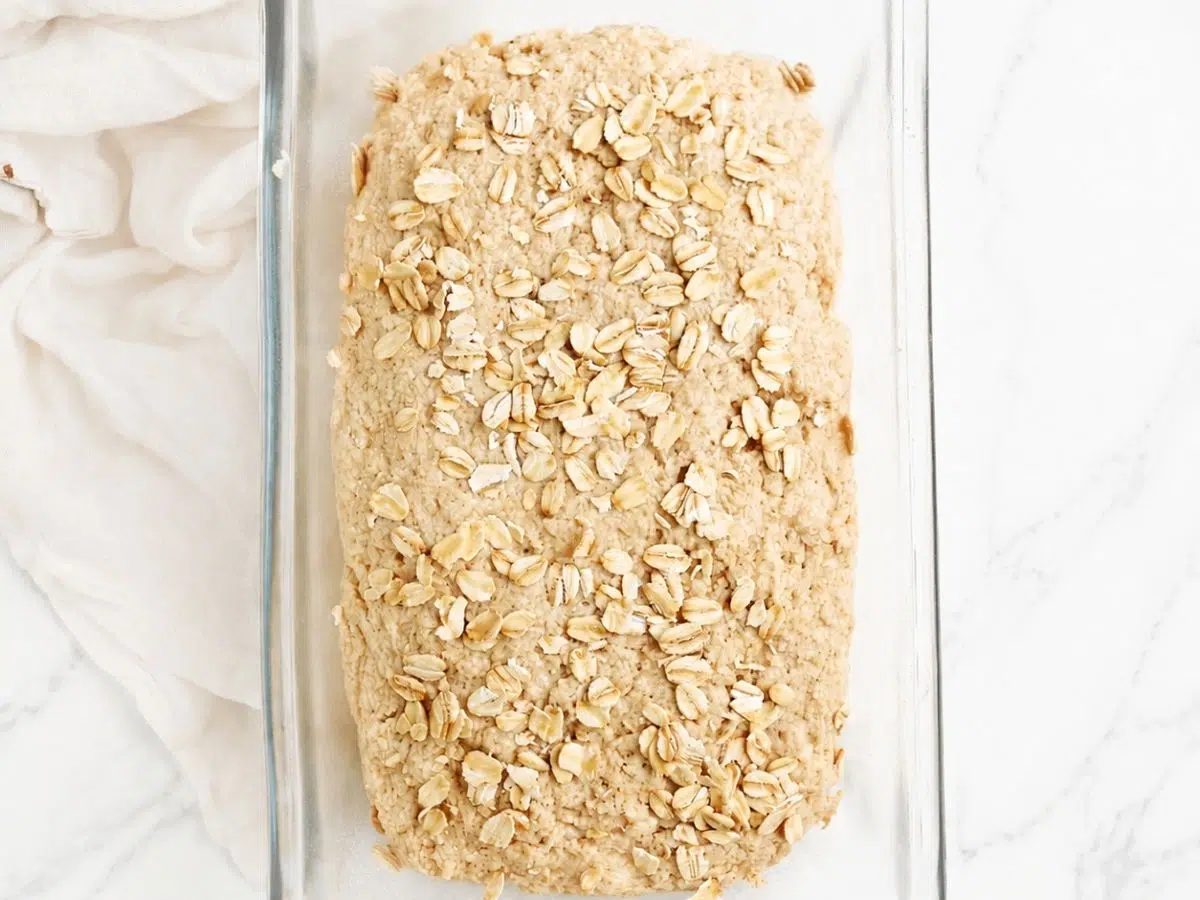
- Shape the Loaf.Gather the dough roughly into a ball. With moistened hands, shape it into a loaf that fits the prepared pan. Place it in the pan, then smooth the top and gently round the sides. Sprinkle with additional tablespoons of oats, if desired.
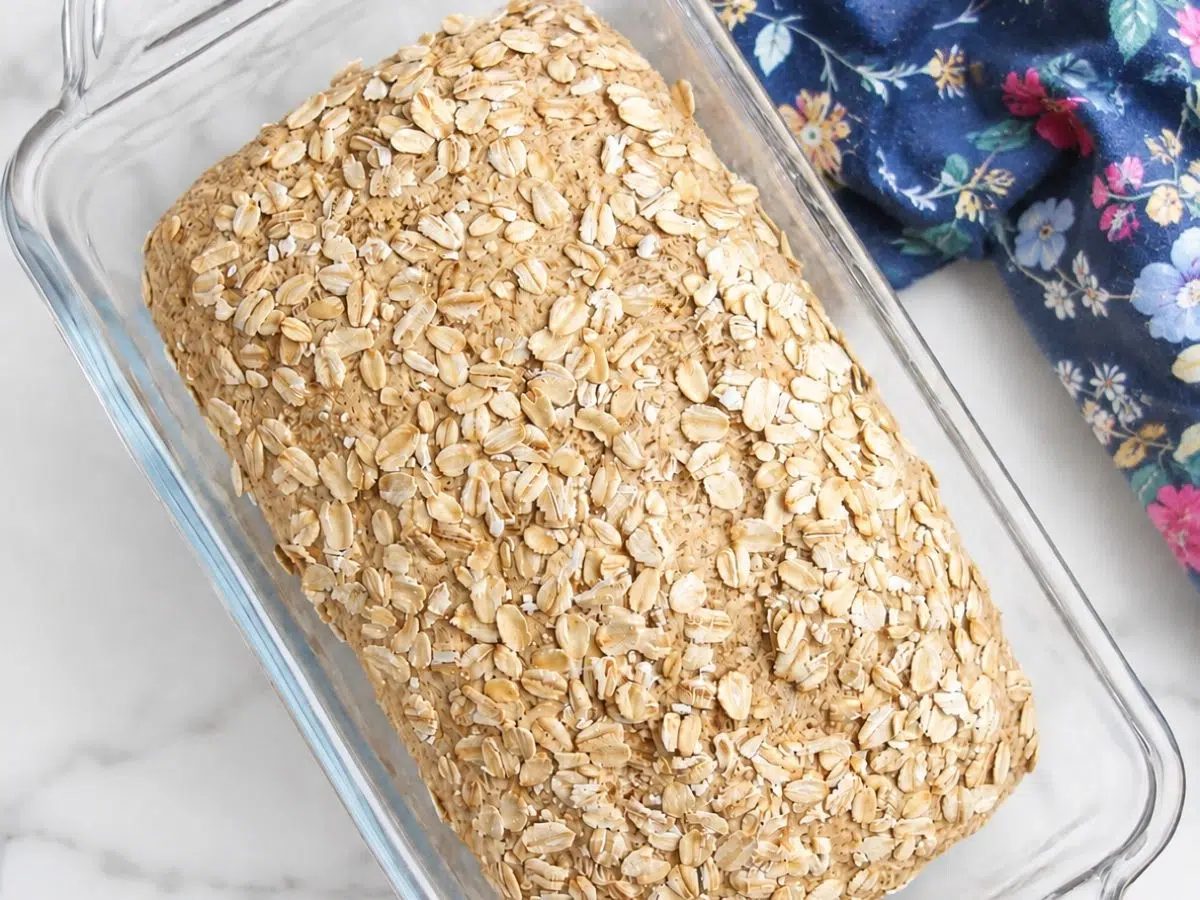
- Bake.Bake for 90 minutes, until the loaf has risen and the surface is pale golden brown, dry and crusty. It should sound hollow when tapped.
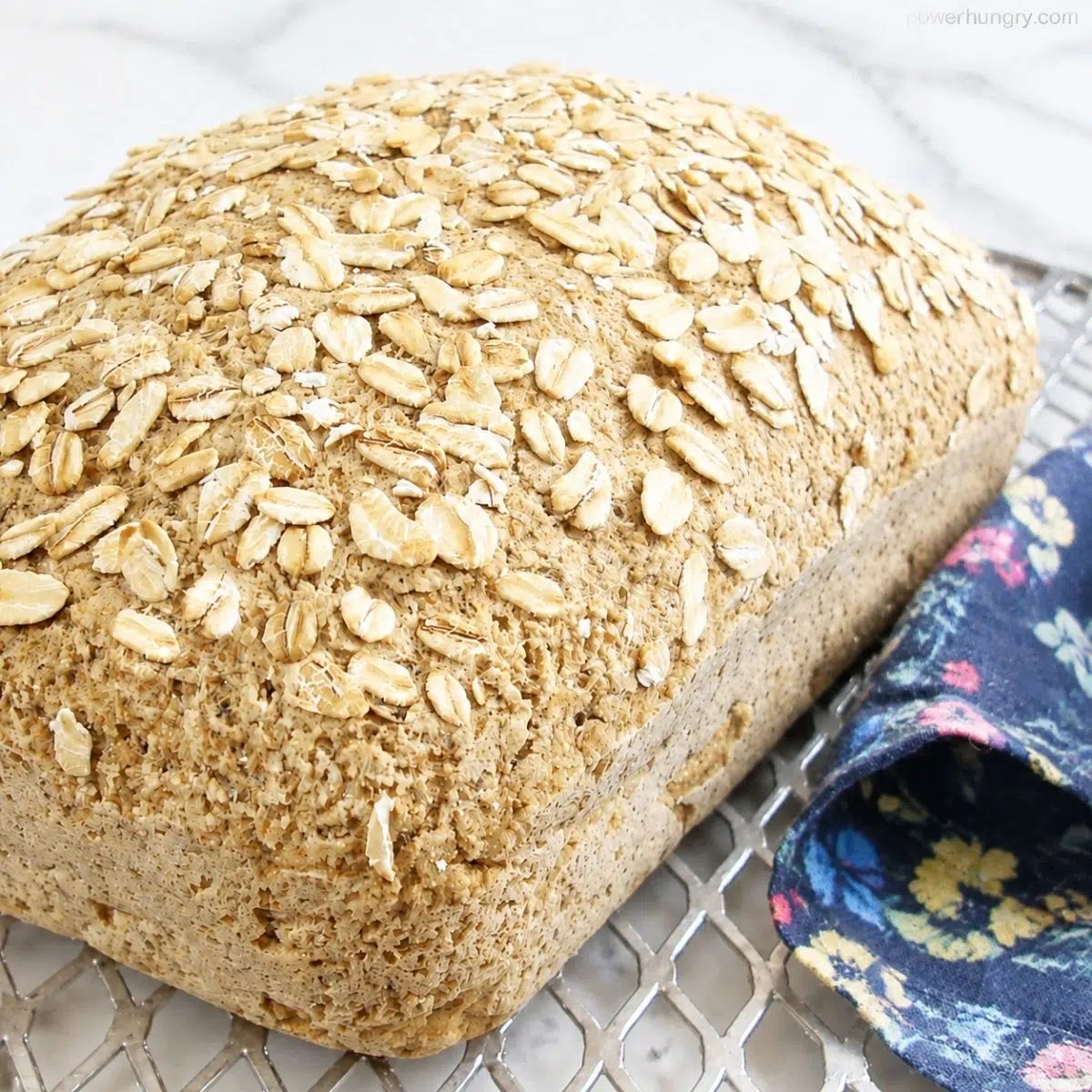
- Cool Completely. Cool the bread in the pan for 15 minutes. Remove it from the pan and place it directly on a cooling rack. Let it cool completely before slicing. This final cooling period is essential for setting the crumb.
Taste and Texture
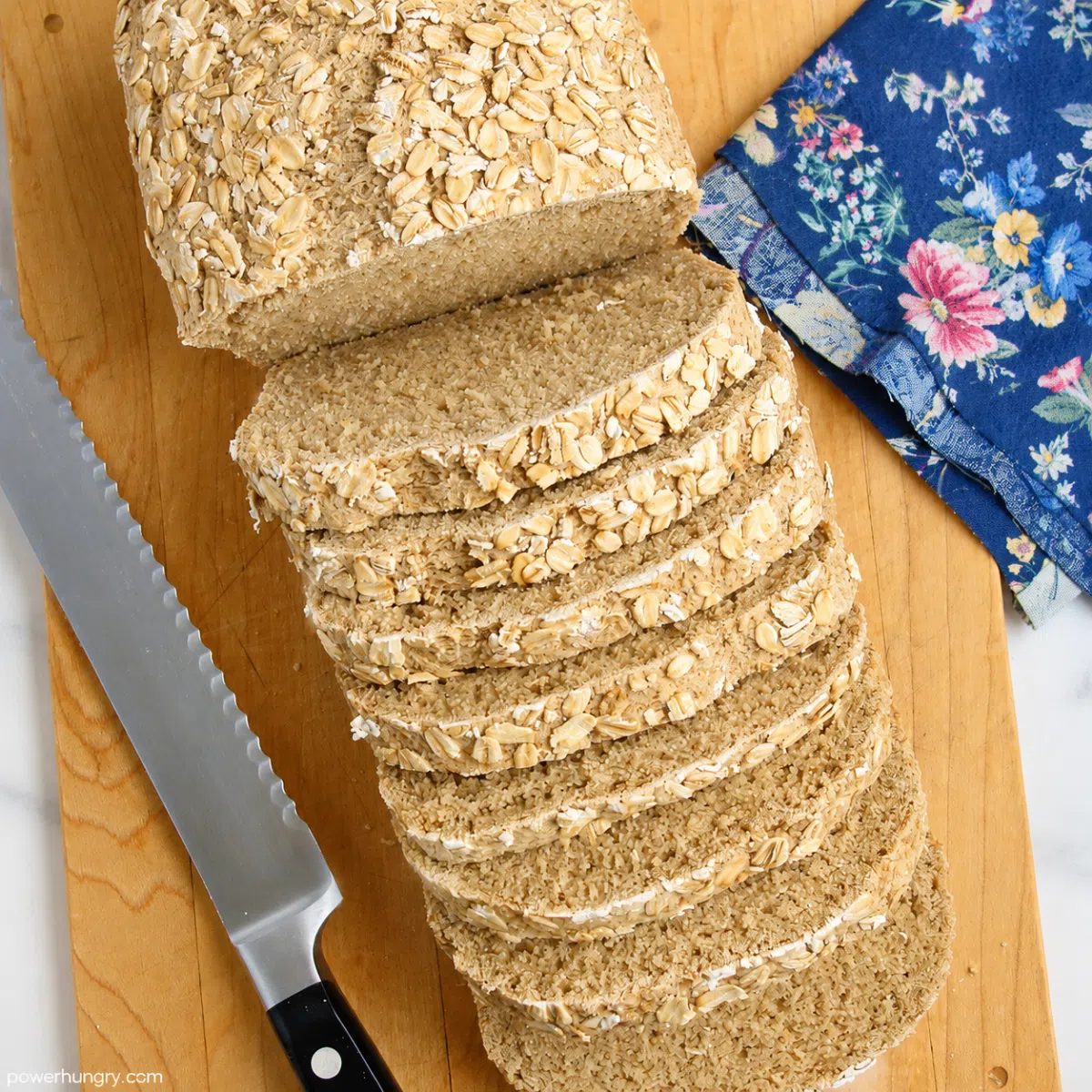
This oat sandwich bread has a mild, gently nutty flavor that works equally well with sweet and savory toppings. The optional tablespoon of coconut sugar brings out the natural flavor of the oats but does not make the loaf taste sweet.
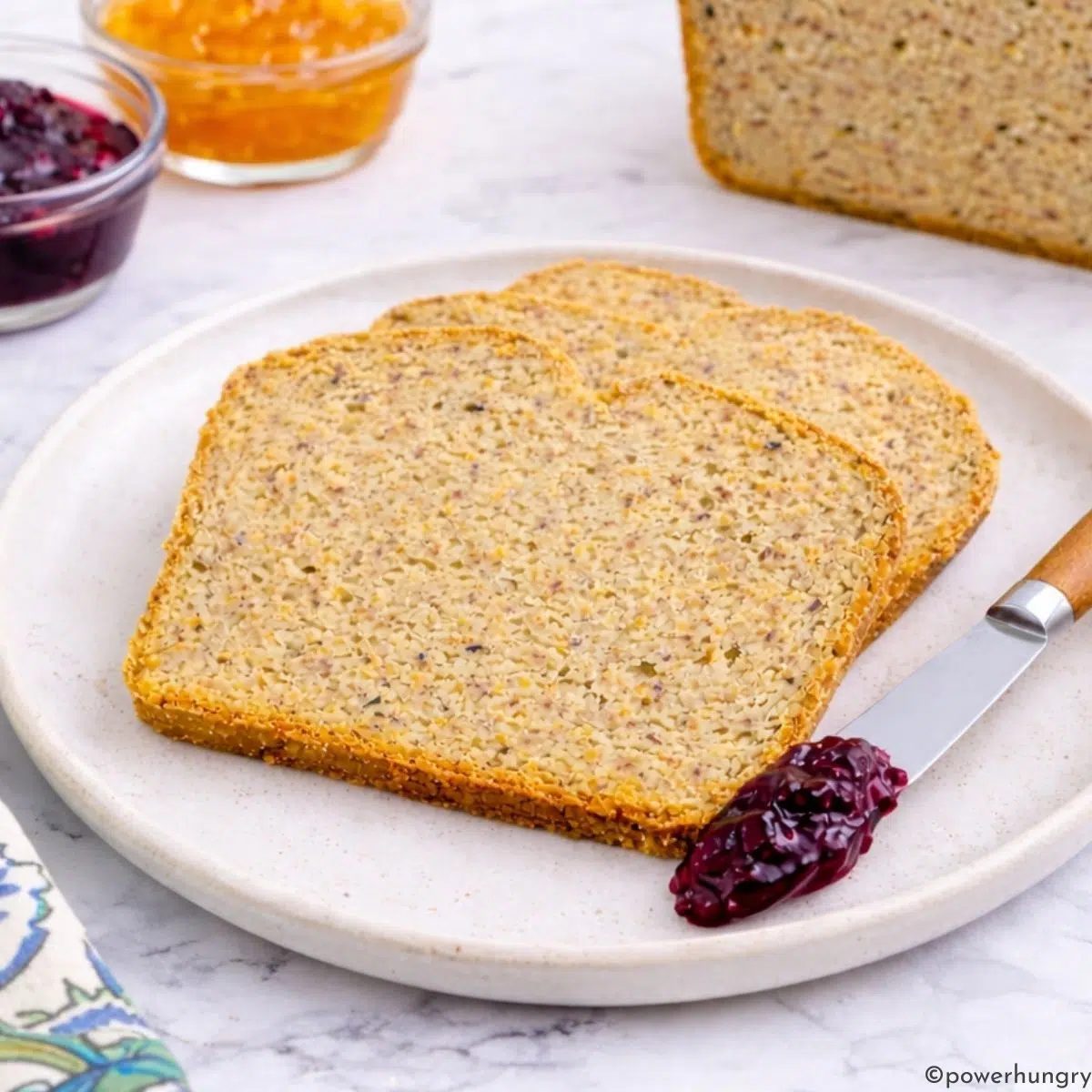
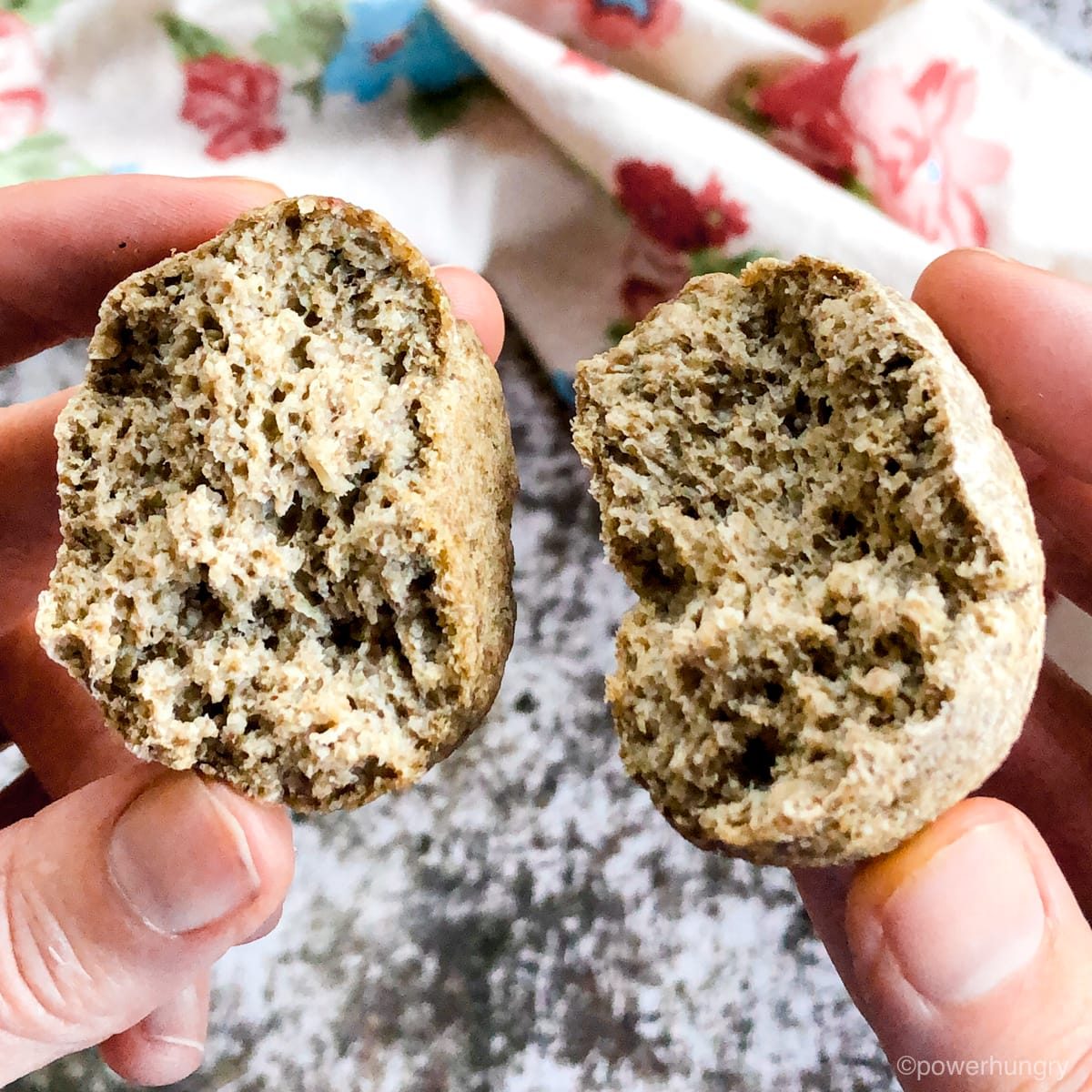
The texture is fine-grained, springy and substantial—closer to a hearty whole-wheat loaf than an airy white sandwich bread. It is satisfyingly filling and can be cut into thin or thick slices. Toasting transforms the outside into a crisp, golden shell while warming and softening the center.
Serving Suggestions
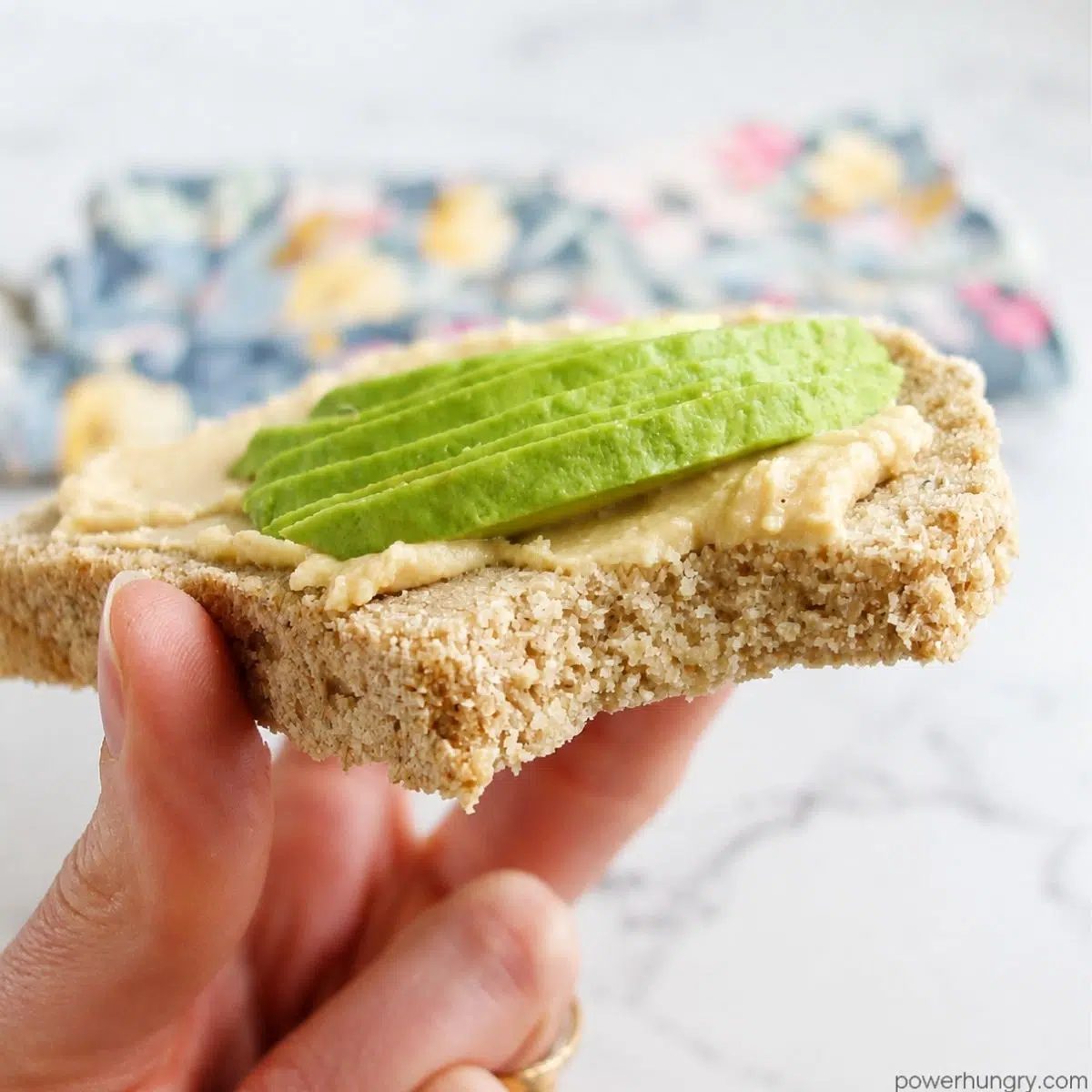
Use the gluten-free vegan oat bread for avocado toast, nut or seed butter toast, open-faced sandwiches and sturdy packed lunches. It is also satisfying toasted and topped with chia jam, hummus, mashed white beans or a generous spoonful of soup.
For the cleanest slices, use a sharp serrated knife only after the loaf is completely cool.
Storage
Let the bread cool completely before storing it.
- Room temperature:Store in an airtight container for up to 2 days.
- Refrigerator:Store in the fridge for up to 1 week.
- Freezer:Slice the loaf, separate the slices with small pieces of parchment and freeze in an airtight container for up to 6 months.
Frozen slices can be thawed at room temperature or placed directly in the toaster.
Flavor Variations
- Cinnamon-raisin:Add 1 to 2 teaspoons ground cinnamon and 1/2 to 3/4 cup raisins. The optional sugar may be omitted if the raisins provide enough sweetness.
- Seeded oat bread:Fold in 1/3 cup pumpkin seeds, sunflower seeds or a mixture of seeds.
- Molasses oat bread:Replace the optional coconut sugar with 1 to 2 tablespoons dark cooking molasses for a deeper, old-fashioned whole-grain flavor.
- Herb bread:Add 1 to 2 teaspoons dried rosemary, thyme or Italian seasoning.
- Everything bread:Sprinkle the shaped loaf with everything bagel seasoning instead of rolled oats.
Tips for Success
- Weigh the oat flour, brown rice flour and psyllium whenever possible. Small measuring differences can significantly change gluten-free bread dough.
- Usewhole psyllium husks, not an equal volume of psyllium powder. Powder is much more concentrated by volume.
- Grind the oats until very fine. Coarsely ground oats can produce a heavier, rougher crumb.
- Mix vigorously and incorporate all visible dry flour. The dough is thick, but no dry pockets should remain.
- Shape the dough with wet hands to prevent sticking.
- Use a 9-by-5-inch loaf pan. Do not double the recipe and bake it as one oversized loaf; the center may not cook through.
- If making two loaves, divide a doubled batch between two pans. Rotate or exchange the pans’ positions halfway through baking for even cooking.
- Do not slice the bread while warm. The crumb continues to set as the loaf cools.
- A sticky or gummy center generally indicates underbaking, premature slicing or inaccurate measurements.
- If your oven runs cool, the loaf may require additional baking time. Tent the top loosely with foil if it browns before the center is fully baked.
Ingredient Substitutions
- Oat flour:Use 200 grams finely ground, ready-made oat flour in place of the rolled oats. Use certified gluten-free oat flour if necessary.
- Brown rice flour:Quinoa flour is the most reliable substitution previously tested. I have also made the bread with chickpea flour.Some readers have also reported success with white rice, millet, sorghum or partial buckwheat flour substitutions, but these are reader adaptations rather than the tested formula.
- Coconut sugar:Use an equal amount of another granulated or liquid sweetener (e.g., brown sugar, maple syrup, agave nectar, date sugar), or omit it.
- Apple cider vinegar:Replace it with an equal amount of lemon or lime juice. White vinegar or another mild vinegar will also work.
- Whole psyllium husks:Chia seeds and flaxseed meal are not direct substitutes. Psyllium powder may work when substituted by the sameweight(27 grams) not volume, but whole husks remain the tested and recommended choice.
Frequently Asked Questions
Can I make this bread with oat flour instead of grinding rolled oats?Yes. Use 200 grams of finely ground oat flour in place of the rolled oats. Choose certified gluten-free oat flour if required. Measuring by weight is particularly important because the volume of packaged oat flour can vary.
Why does the recipe contain brown rice flour?Brown rice flour lightens and refines the oat-based crumb. In testing, loaves made entirely with oat flour rose and then sank, leaving a dense, squidgy center. The combination of oat flour and brown rice flour creates a more stable, sliceable loaf.
Can I replace the brown rice flour?Quinoa flour is the most reliable previously tested alternative. Readers have also reported success with white rice flour, millet flour, sorghum flour and partial buckwheat flour substitutions. Because those versions have not been tested as part of the original recipe, results may vary.
Can I make this bread with 100% oat flour?Not with this formula. All-oat versions rose and then collapsed during testing. For a loaf made entirely with oats, use my separate 100% oat flour bread recipe, which has proportions developed specifically for oat flour.
Can I use psyllium powder instead of whole psyllium husks?Whole psyllium husks are the tested and recommended option. Psyllium powder may work if you substitute it by equal weight—27 grams—not equal volume. Because powder absorbs water rapidly and brands vary, it can be more difficult to incorporate evenly and may alter the crumb.
Can I replace the psyllium with flaxseed meal or chia seeds?No. Flaxseed meal and chia seeds do not behave as direct replacements for psyllium in this recipe. The amount of liquid and the other ingredient proportions would need to be redeveloped.
Why is my oat bread gummy or sticky inside?A gummy center usually means the bread was underbaked, measured inaccurately or sliced before it had cooled completely. Weigh the ingredients, bake until the exterior is dry and crusty, and allow the loaf to cool completely on a rack before cutting it. Also verify your oven temperature with an inexpensive oven thermometer if the problem persists.
Can I bake the bread in an 8.5-by-4.5-inch loaf pan?Yes. The slightly smaller pan will produce a taller loaf. Begin checking at the stated baking time; it may need a few additional minutes for the center to bake fully.
Can I double the recipe?Yes, but divide the doubled recipe between two standard loaf pans. Do not bake a double batch in one large pan because the outside may overbake before the center is cooked. If baking two loaves together, exchange their oven positions halfway through for more even baking.
Is this oat sandwich bread reliable fresh or toasted?It is satisfying both ways, but it is especially good toasted. Toasting crisps the exterior, warms the mild oat flavor and makes refrigerated or frozen slices taste freshly baked again.
Happy Baking! I would love your feedback if your try the bread. Leave a comment, or tag me on instagram or Pinterest.
More Oat Bread Recipes to Try
- Flourless Millet Oat Bread {vegan, GF, 5 ingredients}
- Rustic Irish Oat Scone Bread {Vegan, Gluten-Free}
- Oat Flax Skillet Bread {3-ingredients, Vegan, Oil-Free, GF}
- Nourishing Zucchini Oat Bread {Oil-Free, Gluten-Free, Vegan}
- Gluten-Free Teff & Oat Bread {Vegan, Yeast-Free}
Vegan Gluten-Free Oat Sandwich Bread
- Prep Time: 10 minutes
- Cook Time: 1 hour
- Total Time: 1 hour
- Servings: 1 loaf
Ingredients
- 2 cups rolled oats (certified GF, as needed)
- 1 2/3 cups brown rice flour
- 2 teaspoons baking powder
- 3/4 teaspoon baking soda
- 3/4 teaspoon fine sea salt
- Optional: 1 tablespoon coconut sugar (or other sweetener)
- 2 1/3 cups water
- 1/3 cup whole psyllium husks
- 1 tablespoon apple cider vinegar (see notes for options)
- Optional: 1 to 2 tablespoons rolled oats for topping
Method
- Preheat the oven to 325°F (160°C). Grease or spray a 9-by-5-inch (22.5-by-12.5 cm) loaf pan .
- Process the rolled oats in a high-speed blender or food processor until they form a fine flour. Measure by weight for the greatest accuracy.
- In a large mixing bowl , whisk together the oat flour, brown rice flour, baking powder , baking soda , salt and optional coconut sugar . Whisk thoroughly so that the leavening is distributed evenly.
- In a medium bowl , whisk the water, vinegar and whole psyllium husks until blended. Let the mixture stand for about 5 minutes. It will thicken into a loose gel that provides much of the loaf’s structure.
- Add the psyllium mixture to the dry ingredients. Stir vigorously until all of the flour is incorporated and a thick but stirrable dough forms. A sturdy spoon, spatula or stand mixer fitted with the paddle attachment will work.
- Gather the dough roughly into a ball. With moistened hands, shape it into a loaf that fits the prepared pan. Place it in the pan, then smooth the top and gently round the sides. Sprinkle with additional rolled oats , if desired.
- Bake for 90 minutes, until the loaf has risen and the surface is pale golden, dry and crusty. It should sound hollow when tapped.
- Cool the bread in the pan for 15 minutes. Remove it from the pan and place it directly on a cooling rack . Let it cool completely before slicing. This final cooling period is essential for setting the crumb.
Notes
Ingredient Substitutions Oat flour: Use 200 grams finely ground, ready-made oat flour in place of the rolled oats . Use certified gluten-free oat flour if necessary. Brown rice flour: Quinoa flour is the most reliable substitution previously tested. I have also made the bread with chickpea flour .Some readers have also reported success with white rice, millet , sorghum or partial buckwheat flour substitutions, but these are reader adaptations rather than the tested formula. Coconut sugar : Use an equal amount of another granulated or liquid sweetener (e.g., brown sugar, maple syrup , agave nectar, date sugar), or omit it. Apple cider vinegar : Replace it with an equal amount of lemon or lime juice. White vinegar or another mild vinegar will also work. Whole psyllium husks : Chia seeds and flaxseed meal are not direct substitutes. Psyllium powder may work when substituted by the same weight (27 grams) not volume, but whole husks remain the tested and recommended choice.