
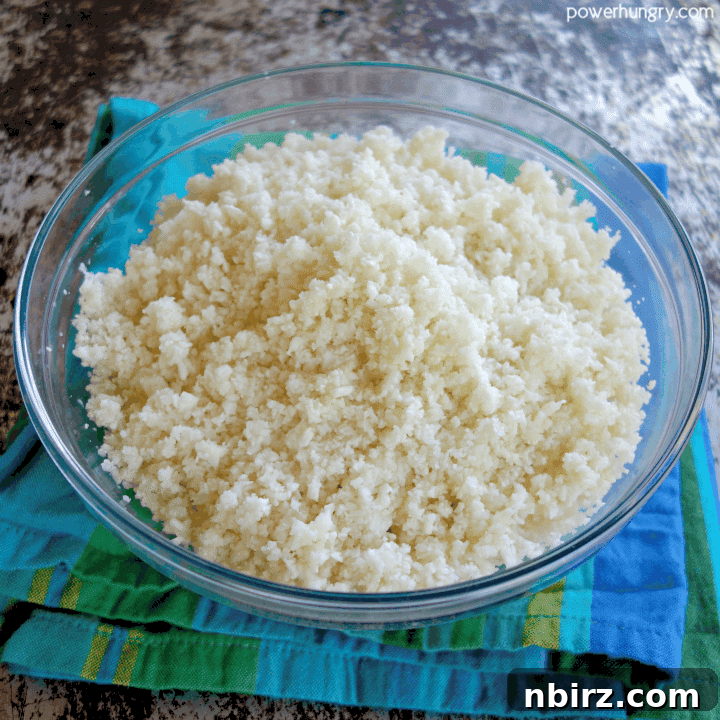

How to Make Cauliflower Rice: Your Ultimate Guide to a Healthy Grain Alternative
In today’s health-conscious world, finding delicious and nutritious alternatives to traditional staples is key to maintaining a balanced diet. Among these, cauliflower rice has emerged as a true culinary superstar. This remarkably versatile, nutrient-dense substitute for grains has become a foundational ingredient for countless dietary approaches, from ketogenic and paleo to vegan and low-carb lifestyles. Its growing popularity is no surprise: it’s incredibly simple to prepare, highly adaptable to various cuisines, and a fantastic way to significantly boost your daily vegetable intake.
Forget the notion that healthy eating requires complex techniques or exotic ingredients. Creating your own batch of cauliflower rice is surprisingly straightforward, opening up a world of delicious, guilt-free possibilities for every meal. Whether your goal is to reduce carbohydrate consumption, eliminate gluten from your diet, or simply incorporate more fresh vegetables, cauliflower rice offers an exceptional and satisfying solution. It serves as an ideal base for vibrant stir-fries, rich curries, hearty grain bowls, and even as an innovative ingredient in classic dishes like savory stuffing. Join us as we explore everything you need to know to effortlessly master this kitchen essential.
The Unrivaled Benefits of Cauliflower Rice: A Nutritional Powerhouse
Cauliflower rice is much more than a fleeting food trend; it’s a legitimate nutritional powerhouse, brimming with health advantages that support a wide array of dietary needs and contribute to overall well-being. Incorporating this simple yet impactful swap into your regular meal routine can lead to notable positive changes in your health profile. Here’s a detailed look at why cauliflower rice has garnered such widespread acclaim:
- Naturally Grain-Free and Gluten-Free: For individuals navigating gluten sensitivities, celiac disease, or those consciously choosing grain-free diets, cauliflower rice is an absolute game-changer. It empowers you to savor the comforting experience of rice-like meals without exposure to common allergens or potentially inflammatory grains.
- Low-Carb and Keto-Friendly: This attribute makes cauliflower rice indispensable for anyone adhering to ketogenic or low-carbohydrate eating plans. Cauliflower inherently contains substantially fewer carbohydrates compared to traditional rice varieties, making it an excellent tool for maintaining ketosis and effectively managing blood sugar levels.
- Perfect for Paleo and Vegan Diets: Seamlessly integrating into both Paleo and Vegan lifestyles, cauliflower rice offers an inclusive and universally appealing option. Being plant-based, whole, and minimally processed, it perfectly aligns with the core principles of clean eating.
- Remarkably Low-Calorie: An invaluable asset for weight management, cauliflower rice delivers substantial volume and satiety for a mere fraction of the caloric content found in white or brown rice. This allows for generous portions without guilt.
- Rich in Dietary Fiber: Packed with essential dietary fiber, cauliflower rice plays a crucial role in promoting optimal digestive health, ensuring regularity, and significantly contributing to a sustained feeling of fullness. This natural satiety can be instrumental in appetite control and preventing overeating.
- Highly Nutrient-Dense: Beyond its low-carb profile, cauliflower itself is an exceptional source of vital nutrients, including Vitamin C, Vitamin K, folate, potassium, and manganese. It also provides potent antioxidants and beneficial phytonutrients that actively support robust cellular health and help combat inflammation throughout the body.
- Neutral and Versatile Flavor Profile: The mild, almost neutral taste of cauliflower rice makes it an unparalleled culinary canvas. It readily absorbs and complements the flavors of any dish, allowing it to shine in everything from savory main courses to subtly sweet side preparations.
Given this comprehensive spectrum of benefits, it’s entirely understandable why cauliflower rice has cemented its status as a beloved staple for health-conscious individuals across the globe. It stands as a powerful testament to how mindful, simple food substitutions can profoundly enhance dietary quality and overall well-being.
Getting Started: Essential Tools for Making Cauliflower Rice
One of the many appealing aspects of preparing cauliflower rice at home is the minimal equipment required. This makes it an incredibly accessible option for nearly every home cook, regardless of their kitchen gadget collection. The primary tool that will streamline this process is a food processor. However, if a food processor isn’t readily available, a common box grater can serve as an effective manual alternative, though it will naturally demand a bit more physical effort.
Your Essential Kitchen Equipment:
- Food Processor: A standard-sized food processor is the ideal choice for efficiently and uniformly transforming cauliflower florets into a fine, rice-like consistency. It’s best to avoid smaller “mini” food processors, as they often lack the necessary capacity or power to process the cauliflower evenly in larger batches.
- Large Mixing Bowl: A spacious bowl will be useful for collecting your freshly prepared cauliflower rice once it’s processed.
- Cutting Board and Sharp Knife: These are indispensable for the initial preparation of the cauliflower head, ensuring clean and safe cuts.
Alternative (Manual) Method Equipment:
- Box Grater: In the absence of a food processor, a standard box grater can be used effectively. Utilize the largest holes on the grater to shred the cauliflower florets into small, rice-like pieces. While this method requires more manual labor, it yields results quite similar to those achieved with a food processor.
The Art of ‘Ricing’ Cauliflower: A Simple Step-by-Step Guide
Crafting perfect cauliflower rice is a surprisingly simple and swift process, taking only a few minutes from start to finish. By following these straightforward steps, you’ll achieve a flawless batch every time, ready to integrate into your favorite recipes.
Step 1: Selecting and Preparing Your Cauliflower Head
Begin by choosing a fresh, firm head of cauliflower. A medium-sized head, typically measuring around 6 inches (approximately 15 cm) in diameter, is commonly found in most grocery stores and is ideal for yielding a good quantity of rice.
Once you’ve selected your cauliflower, proceed with the following preparation:
- Thoroughly Trim the Leaves: Carefully remove all of the green leaves that surround the base of the cauliflower head. These are not typically used for ricing.
- Halve and Core the Cauliflower: Place the cauliflower on your cutting board and slice it in half lengthwise. With a sharp knife, meticulously cut out the tough, fibrous inner core from each half.
- Break into Manageable Florets: Gently break or cut the cauliflower into medium-sized florets. It’s important that these florets are small enough to fit comfortably within your food processor’s bowl without overcrowding. Aim for relatively consistent floret sizes to ensure uniform processing later on.


Step 2: Transforming Cauliflower into Rice
This is the pivotal stage where the magic truly unfolds! A food processor will execute this step with incredible speed and ease. If you’re using a box grater, simply grate the florets on the largest holes until they achieve a rice-like texture.
- Process in Batches: Place approximately half of your prepared cauliflower florets into the bowl of your food processor. It’s crucial to avoid overfilling the processor, as this can lead to unevenly processed cauliflower or a mushy consistency.
- Pulse to Achieve Perfect Consistency: Secure the lid of your food processor and begin to pulse it in short, controlled bursts. The key here is to pulse rather than continuously blend. This deliberate technique ensures that the cauliflower breaks down into distinct, small, rice-like granules without liquefying into a paste.
- Monitor and Adjust: Periodically lift the lid and inspect the consistency of the cauliflower. Your objective is to achieve pieces that closely resemble grains of rice – ideally, about the size of couscous or small rice grains. If you observe a few larger, unprocessed pieces, simply remove them and add them to your next batch for further processing.
- Repeat the Process: Once a batch is perfectly ‘riced,’ transfer it to your large mixing bowl. Repeat the entire process with the remaining cauliflower florets until every piece has been transformed into a delightful rice-like texture.


Step 3: Immediate Use or Strategic Storage
Once your cauliflower is perfectly ‘riced,’ it’s immediately ready for cooking or strategic storage. The inherent flexibility of cauliflower rice positions it as an exceptional component for efficient meal preparation.
- For Immediate Culinary Use: Cauliflower rice boasts a remarkably fast cooking time. It can be effortlessly sautéed or steamed in as little as 2 to 5 minutes, depending on whether you prefer a crisp, al dente texture or a softer finish. It’s ready when it reaches a tender-crisp stage.
- Refrigeration for Short-Term Storage: Store freshly prepared cauliflower rice in an airtight container within your refrigerator. It will maintain its quality and freshness for approximately 2 to 3 days, making it perfect for convenient weeknight meals.
- Freezing for Long-Term Preservation: For extended storage, first spread the cauliflower rice in a single, even layer on a baking sheet. Freeze it for about an hour; this crucial step prevents the individual grains from clumping together. Once individually frozen, transfer the cauliflower rice to airtight freezer bags or containers. Properly stored, it will retain its quality for up to 6 months. When you’re ready to use it, there’s no need to thaw; simply cook it directly from its frozen state.
Unleashing Culinary Creativity: Delicious Ways to Enjoy Cauliflower Rice
The true charm of cauliflower rice lies in its extraordinary adaptability. Its inherently neutral flavor profile allows it to integrate seamlessly into virtually any cuisine or dish where you would traditionally employ rice, couscous, or even bulgur. Here are just a few inspiring ideas to ignite your culinary imagination:
- The Simple Side Dish: Begin with the basics. Lightly sauté your cauliflower rice with a touch of olive oil or butter, a pinch of salt, and freshly ground black pepper. For an extra layer of freshness, stir in chopped fresh herbs like parsley, cilantro, or chives at the end.
- Dynamic Stir-Fries and Nourishing Bowls: Effortlessly substitute traditional rice in your go-to stir-fry recipes or use it as a low-carb, nutrient-rich foundation for healthy grain bowls, complementing roasted vegetables, your choice of protein, and a flavorful dressing.
- Perfect with Curries and Stews: Serve a generous portion of cauliflower rice alongside your favorite aromatic curries or hearty stews. It’s superb for soaking up all the rich, complex flavors without the added carbohydrates of conventional grains.
- Lighter Taco and Burrito Bowls: Craft a lighter, yet equally satisfying, rendition of your beloved Mexican-inspired dishes by building them upon a bed of cauliflower rice instead of traditional rice.
- Innovative Stuffing Base: For holiday feasts or simply a healthier take on a classic, incorporate cauliflower rice into your favorite stuffing recipe. Its texture blends beautifully with other stuffing ingredients, absorbing flavors wonderfully.
- “Risotto” and Flavorful Pilafs: With a dash of creativity and a few extra ingredients, you can transform cauliflower rice into a creamy, comforting “risotto” or a highly aromatic and flavorful pilaf.
- Raw in Fresh Salads: Thanks to its delicate texture and mild taste, raw cauliflower rice makes an excellent, refreshing addition to various cold salads. Consider a vibrant tabbouleh made with cauliflower rice for a low-carb twist!
- Surprising Breakfast Applications: For the truly adventurous, some even incorporate cauliflower rice into savory breakfast bowls, pairing it with eggs, avocado, and spices for an unexpected morning meal.
Feel empowered to experiment with diverse seasonings, spices, and cooking methods to uncover your ultimate favorite ways to enjoy this incredibly healthy and versatile grain alternative. From a straightforward garlic and herb sauté to a vibrant, turmeric-spiced pilaf, the culinary possibilities are genuinely boundless.
Expert Tips for Success and Flavor Enhancement
While the process of making cauliflower rice is inherently simple, a few professional tips can significantly enhance your results, ensuring perfect texture and maximizing its delicious flavor:
- Crucial: Avoid Over-Processing: This is the golden rule. Over-processing your cauliflower will quickly transform it from a delightful rice texture into a watery, mushy paste. Always use short, controlled pulses and check the consistency frequently.
- Manage Excess Moisture: Cauliflower naturally contains a high water content. If you plan to sauté your cauliflower rice, especially if it appears quite wet after processing, consider patting it dry with a clean paper towel. This extra step helps prevent a soggy end product and encourages better browning during cooking.
- Season with Confidence: Due to its mild, neutral flavor, cauliflower rice truly comes alive with generous seasoning. Don’t be timid with salt, freshly ground black pepper, garlic powder, onion powder, or your preferred herb and spice blends.
- Incorporate Healthy Fats: Sautéing cauliflower rice in a quality fat such as olive oil, coconut oil, or butter not only infuses it with delicious flavor but also aids in the absorption of fat-soluble nutrients and provides a wonderfully satisfying mouthfeel.
- Start with Aromatic Foundation: For a deeper, more complex flavor profile, begin your cooking process by sautéing finely minced garlic, diced onion, or shallots in your chosen fat before introducing the cauliflower rice.
- Fresh Herbs are Your Best Friend: For a vibrant burst of freshness and aroma, stir in a handful of chopped fresh herbs like parsley, cilantro, dill, or chives just at the end of the cooking time.
Embracing cauliflower rice represents a fantastic stride towards a healthier, more creative, and infinitely more adventurous culinary journey. It’s a deceptively simple change that holds the potential to unlock substantial dietary benefits and countless delicious, satisfying meals.

Simple Cauliflower Rice Recipe
Ingredients
- 1 medium head cauliflower, about 6 inches (15 cm) diameter
- 1 tablespoon olive oil or butter (optional, for cooking)
- Salt and freshly ground black pepper to taste
- Optional additions for flavor: garlic powder, onion powder, fresh herbs (parsley, cilantro)
Instructions
- Prepare the Cauliflower: Begin by removing all the green leaves from the cauliflower head. Cut the cauliflower in half lengthwise, then carefully cut out the tough inner core from each half. Break or cut the cauliflower into medium-sized florets.
- Process into Rice: Place half of the cauliflower florets into the bowl of a food processor. Pulse in short bursts until the cauliflower is broken down into small, rice-like pieces. Be very careful not to over-process, as this can result in a mushy texture. Transfer the processed cauliflower rice to a large bowl and repeat with the remaining florets until all the cauliflower has been ‘riced’.
- Cook (Optional): For immediate use, heat the olive oil or butter (if using) in a large skillet or frying pan over medium heat. Add the cauliflower rice, along with salt and pepper to taste (and any optional spices like garlic powder or onion powder). Sauté for 2 to 5 minutes, stirring occasionally, until the cauliflower is tender-crisp. Alternatively, you can steam it in a steamer basket for 3-4 minutes until tender.
- Serve or Store: Serve the cooked cauliflower rice immediately as a healthy base for your favorite dishes. If using raw, simply incorporate it directly into salads, such as a low-carb tabbouleh. For storage, refer to the detailed storage instructions in the article above.
Enjoy this wonderfully versatile and healthy grain alternative, and let your creativity guide your culinary journey!