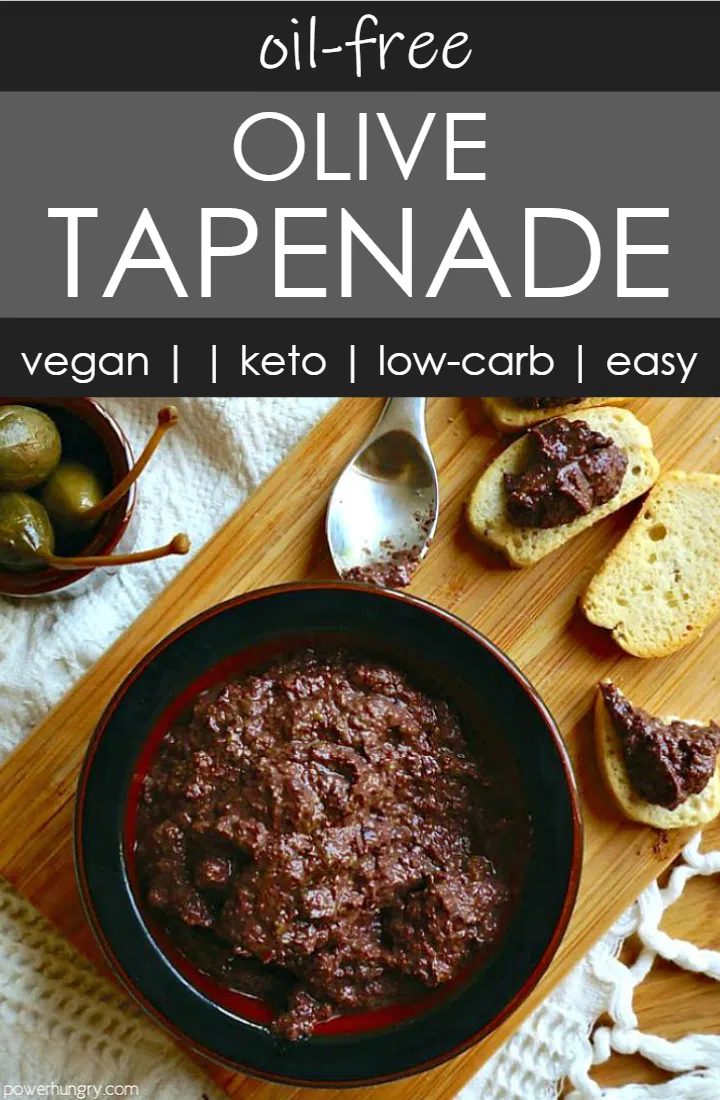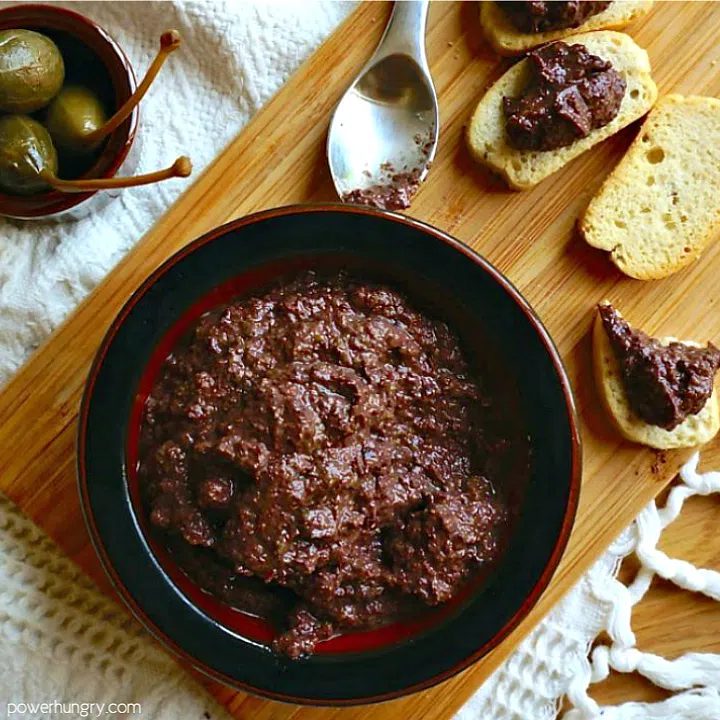
Oil-free olive tapenade is the perfectly piquant spread you’re craving for your sandwiches and snacks. This version is keto, paleo, low-carb & vegan, too.
One of my go-to things about cooking in the summer isnot cookingin the summer. Especially at dinner time.
The hot weather makes plain assemblages of this and that–cut fruits and berries, tossed salads, bread, cheeses (likeCashew BoursinorChickpea Flour Feta Cheese) the reliable meal, with very little effort.
I usually add a plain, nourishing spread/dip for breads crackers and vegetables to add some zing to table.
One of my all-time summer favorites is tapenade.
What is Tapenade?
Tapenade is a thick spread made from finely chopped or pureed olives, capers, and olive oil. It hails from the south of France, where it is most often served as an appetizer (on bread) or as a flavor in a wide variety of main dishes.
Additional ingredients for tapenade, beyond the basic elements, vary from region to region. Anchovies, garlic, herbs (dried or fresh), lemon juice, vinegar, and brandy are some of the most common options (I’m keen on all of them, in some measure, save for the anchovies).
How Do I Use Tapenade?
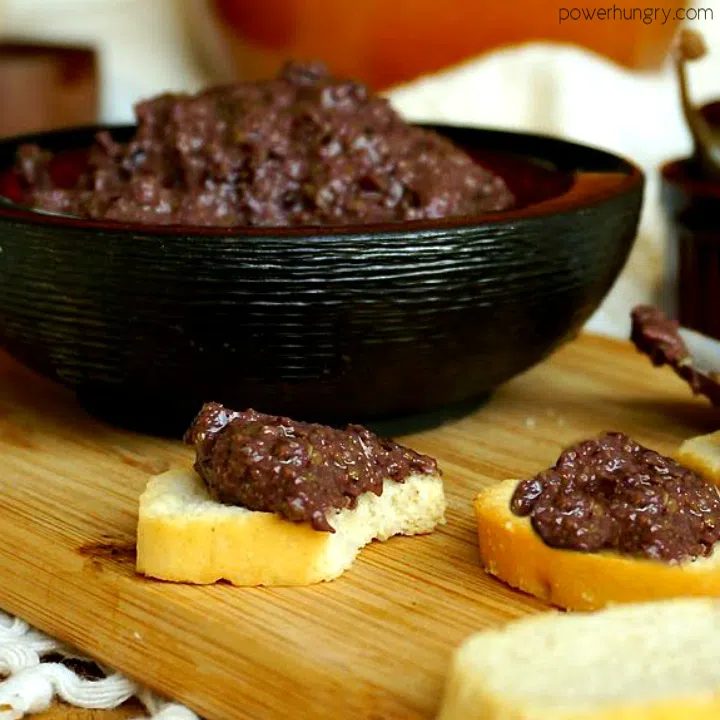
The reliable way to use tapenade is to nibble it on toasts while staying in a Provençal villa, and soaking up sunshine, rosé wine, and the scent of nearby lavender fields. I am open to invitations!
But seriously, a batch of tapenade is transportive, and versatile for many meal and snack options, For example, use it as a:
- Quick topping for crackers & crisps
- Stand-alone dip (or mix with mycashew cream cheesefor a creamy dip/spread)
- Spread for sandwiches, bagels and plant-based burgers
- Pasta sauce (add some halved cherry tomatoes or chopped tomatoes on top)
- Part of a salad (drizzle or dollop on top of potatoes, greens or vegetables)
- Pizza spread (spread & top with some thick cut tomatoes, then add fresh arugula before serving. Heaven.)
How to Make Oil-Free Olive Tapenade
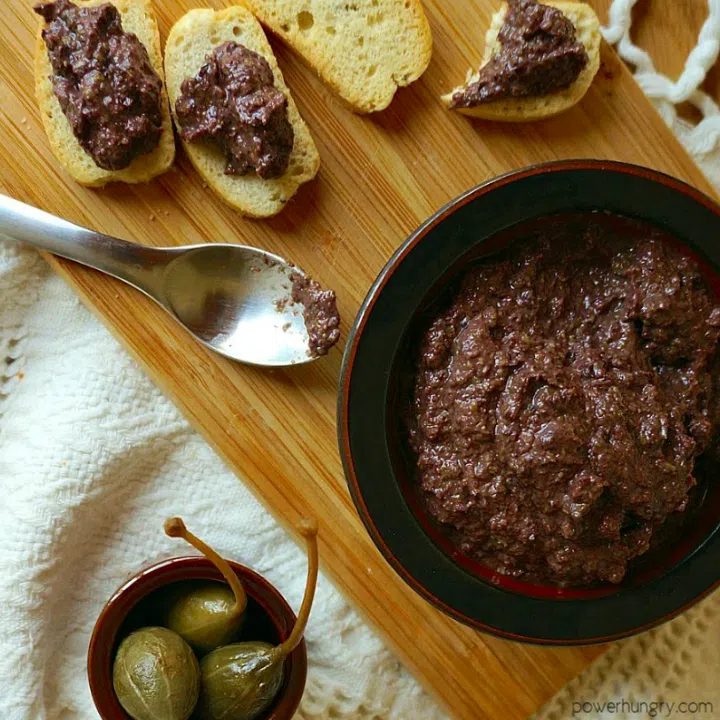
Given that tapenade is open to variation, I decided to make an oil-free version. Why not? Olives are rich in natural oils, so scrapping additional oil still yields a rich and satisfying spread.
In addition, losing the oil does not equal a loss of flavor. To the contrary.
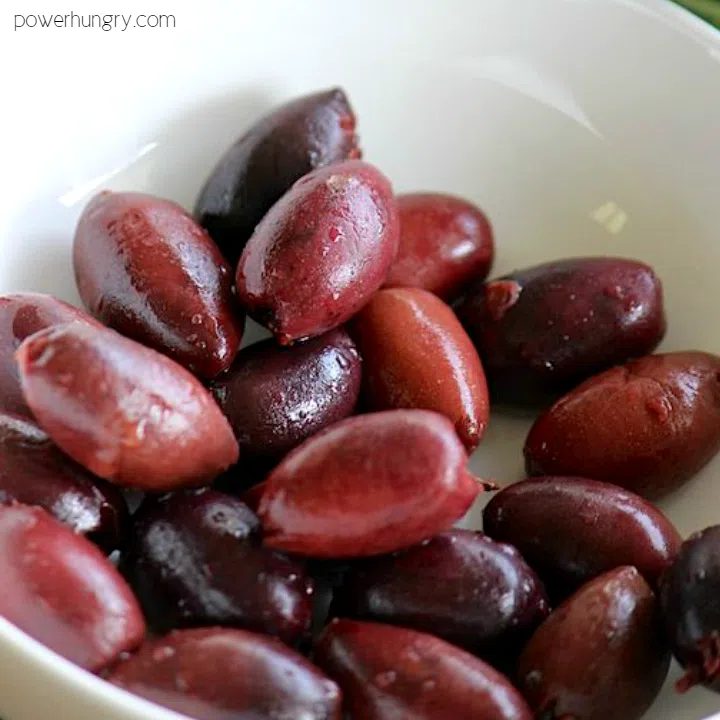
My version of tapenade still contains the essential ingredients–olives and capers–as well as fresh garlic, dried herbes de Provence (dried Italian herbs work perfectly, too), fresh lemon juice and lemon zest, and a kick of black pepper. The lemon juice contributes a bright note, as well as the necessary liquid for a thick, but not stiff, tapenade.
Tips for Blending the Tapenade
To make the tapenade, place all of the ingredients in a food processor and blend. It really is that straightforward. Still, the following tips will ensure an optimal blend:
- Use the on/off pulse option.The puree occurs quickly. Using the pulse option offers greater control over the consistency of the tapenade.
- Stop and scrape.Stop to scrape the bottom and sides of the bowl a few times to ensure that everything is evenly chopped.
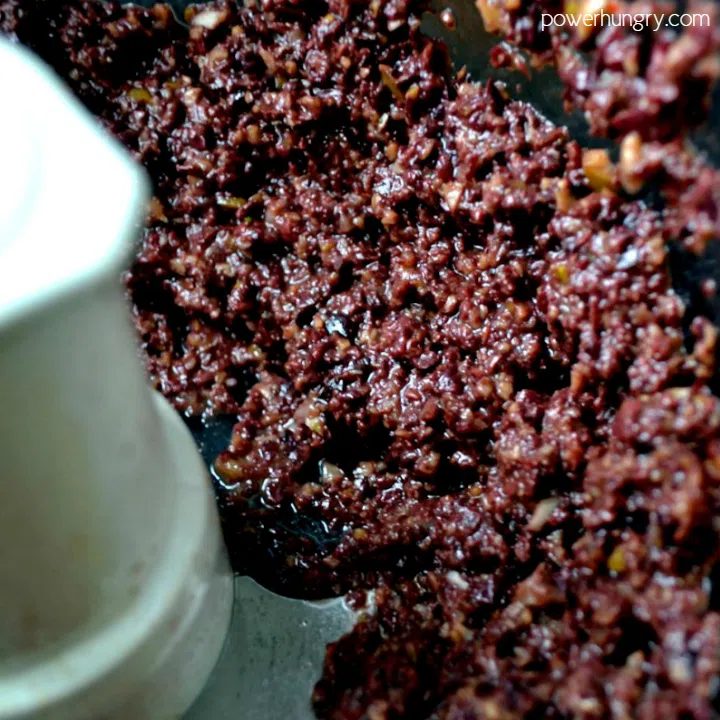
- Keep some texture.The tapenade can be more or less chopped (I prefer a very fine chop), but it should not be a homogenouspaste. Stop processing while some texture remains.
Can I Make Any Substitutions?
One of the many beauties of tapenade is the flexibility of ingredients, so yes, opportunities for swapping ingredients are broad.
For example, the capers. Yes, capers are fundamental toauthentictapenade (the word tapenade is derived for the Provençal word for capers,tapenas). But, in a pinch, you can replace them with a few more olives.
Here are some additional ideas for swap-outs:
- Fresh herbs in place of dried herbs: fresh basil or thyme in the summer months, rosemary or sage in the fall (yes, tapenade is wonderful in the summer, but it really is gran year-round).
- Green, ripe or mixed olives in place of kalamata olives: you really can use just about any olives you like in this recipe. If you prefer a mild olive flavor, opt for canned, ripe black olives. Tapenade is also a great way to round up olive odds & ends from almost-empty jars in the refrigerator.
How to Store Tapenade
The tapenade will keep in a small container (I love small glass jars) for up to 3 weeks. Good luck making it last that long!
Great Recipes for Partnering with Your Tapenade
If you need some inspiration for straightforward, vegan, gluten-free, tapenade accompaniments, consider one of these tasty options:
- Cheese-y Chickpea Flour Crackers {grain-free}
- 2-ingredient Almond Flour Crackers {oil-free, grain-free}
- Power Crackers
- 3-ingredient Teff Crackers
- Multiseed Quinoa Crackers
- Scottish Oatcakes
- 3-Ingredient Vegetable Chickpea Flour Flatbread
Happy blending!
Oil-Free Olive Tapenade {vegan, especially-straightforward}
- Prep Time: 5 minutes
- Total Time: 5 minutes
- Servings: 1 cup (250 mL)
Ingredients
- 1 and 1/2 cups drained pitted kalamata olives (loosely packed)
- 2 tablespoons drained jarred capers
- 1 and 1/2 teaspoons herbes de Provence or Italian herb blend
- 2 or 3 small cloves garlic minced
- 2 teaspoons finely grated lemon zest
- 3 tablespoons freshly squeezed lemon juice
- freshly ground black pepper to taste
Method
- Place the olives, capers, herbs, garlic, lemon zest, and lemon juice in a small food processor .
- Process, using on/off pulse, until smooth (but still with some texture), stopping to scrape down sides of the bowl. Season to taste with pepper.
- Transfer to a small bowl . Cover and chill for at least 1 hour before serving (to meld flavors).
Notes
Storage: Store the tapenade in a small covered container in the refrigerator for up to 3 weeks. Olive Options: You can use just about any pitted olives (black or green) you prefer in this recipe. For a stronger taste, stick with brine-cured options (such as kalamata). For a mild tapenade, opt for canned black olives.