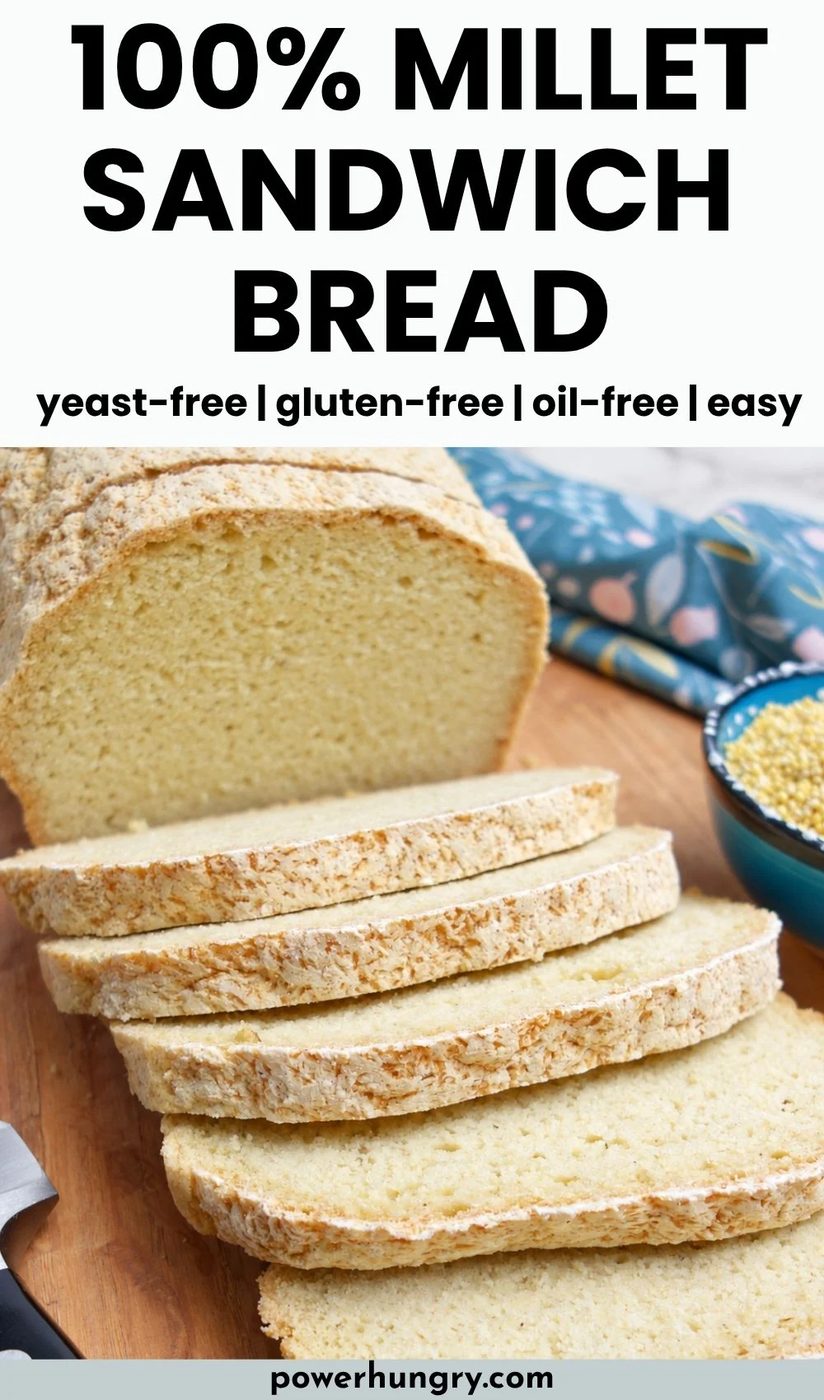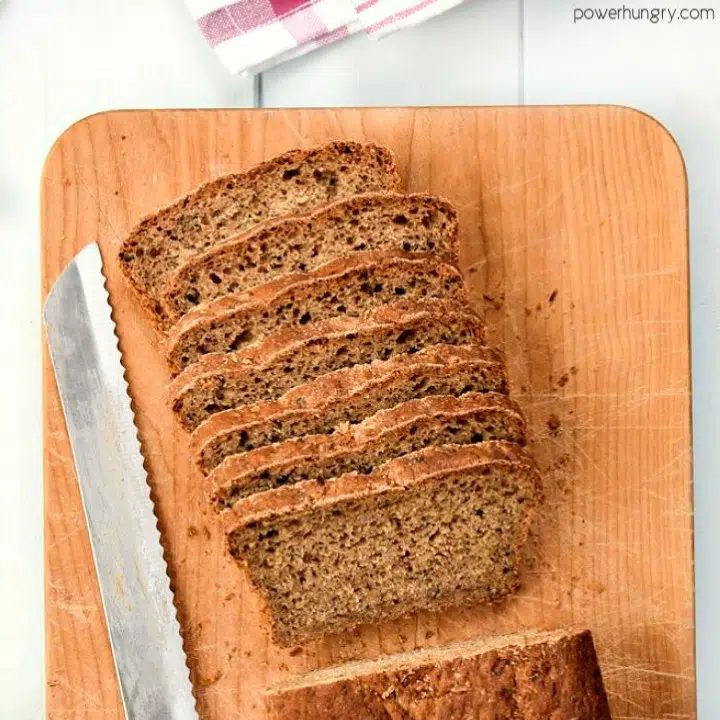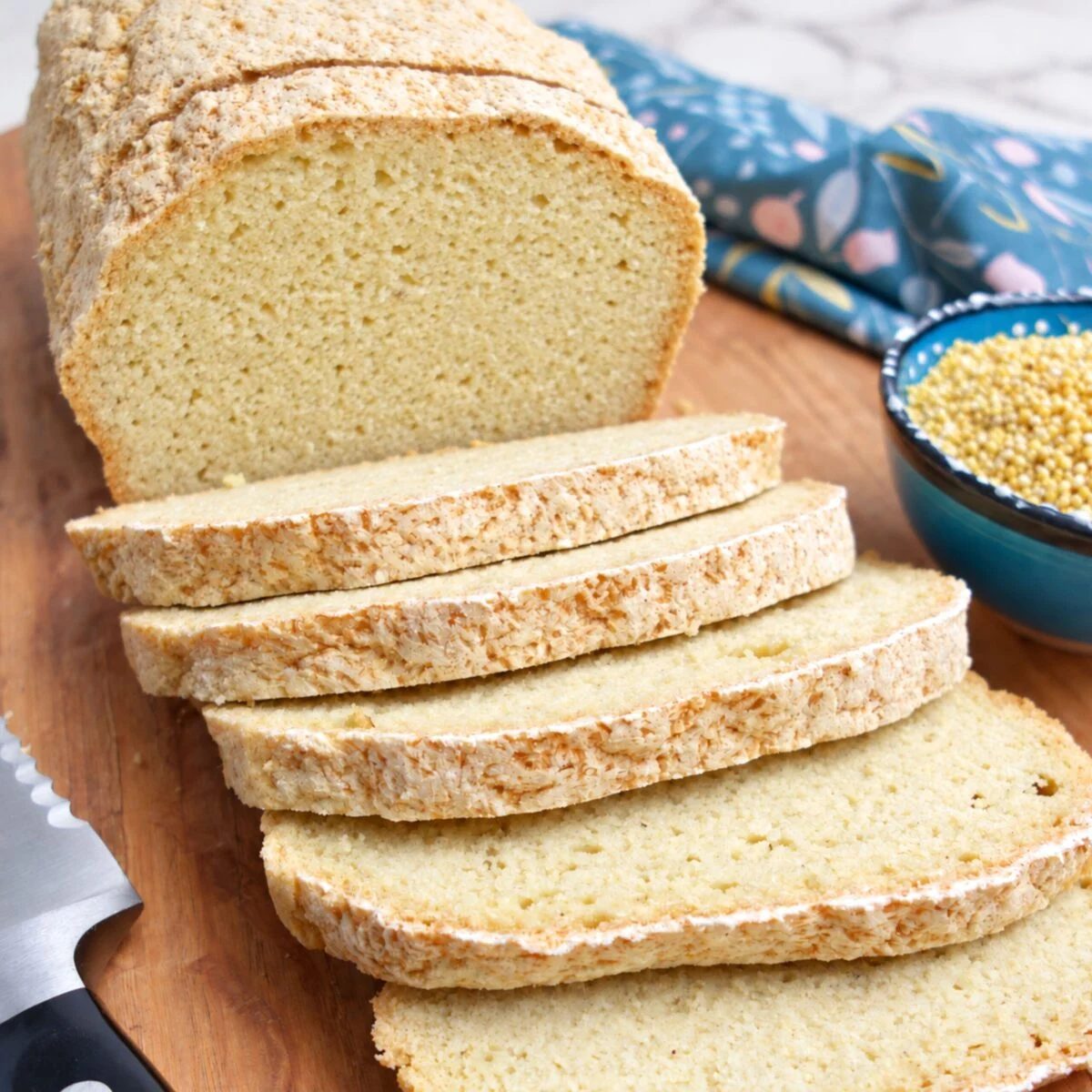
This 100% millet sandwich bread has a fine, sturdy crumb, a crisp crust, and a mild, toasty flavor. Made without yeast, eggs, dairy, oil, added sugar, or xanthan gum, it requires no kneading or proofing and slices beautifully for toast and sandwiches.
Introduction
Millet flour rarely gets the chance to fly solo. It is usually paired with starches and other gluten-free flours, but this everyday sandwich bread is made with millet flour—and only millet flour.
The plain formula is one of the reasons I return to this loaf again and again. There is no yeast to activate, no dough to knead, and no waiting for the bread to rise. Baking powder and baking soda provide the lift, while whole psyllium husks give the egg-free, gluten-free dough enough structure to rise and hold together.
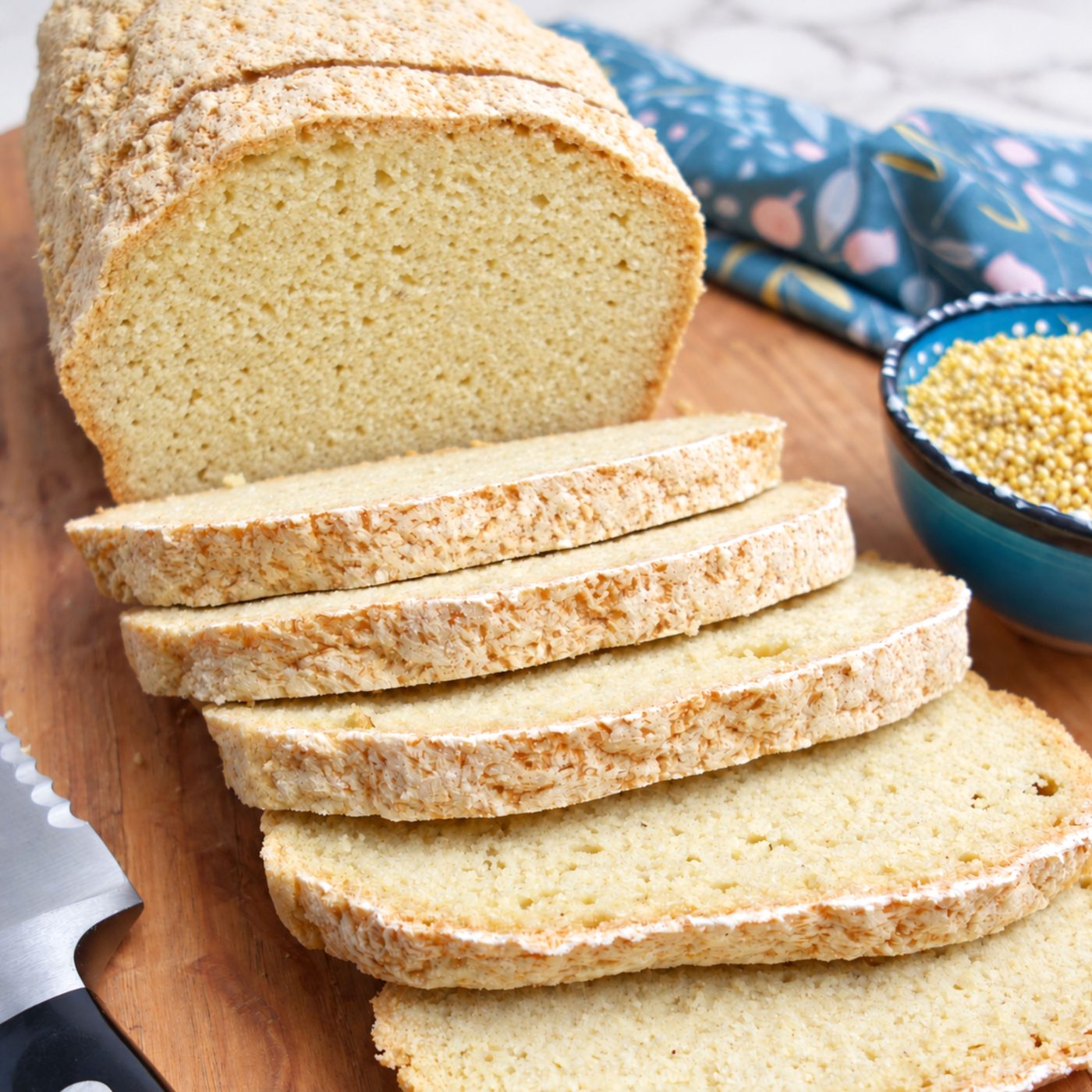
I make this bread almost every week. It has a firm, fine-textured crumb that can be cut thick for toast or thin for sandwiches, with very few crumbs along the way. Its mild, toasty flavor has a subtle corn-like note and works equally well with sweet and savory toppings.
This is a substantial loaf rather than an airy supermarket-style white bread. A single slice has real staying power, especially once toasted until crisp at the edges.
Why You’ll Love This Recipe
- Completely yeast-free:No dry yeast, proofing, or dough rise time is required.
- Made with 100% millet flour:No flour blend or other gluten-free flours (e.g., brown rice flour, buckwheat flour) or added starches.
- Straightforward to prepare:Mix, shape, and bake—no kneading.
- Sturdy and sliceable:Cut it thick for toast or thin for sandwiches.
- Allergy-friendly:Vegan, gluten-free, nut-free, and xanthan gum-free.
- Oil-free and made without added sugar:Neither oil (e.g., coconut oil, extra virgin olive oil) nor added sugar is needed for a tender, cohesive loaf.
- High in fiber:Each of the 14 slices contains approximately 3.9 grams of fiber.
- Freezer-friendly:Slice and freeze the loaf for straightforward toast and sandwiches.
Ingredients
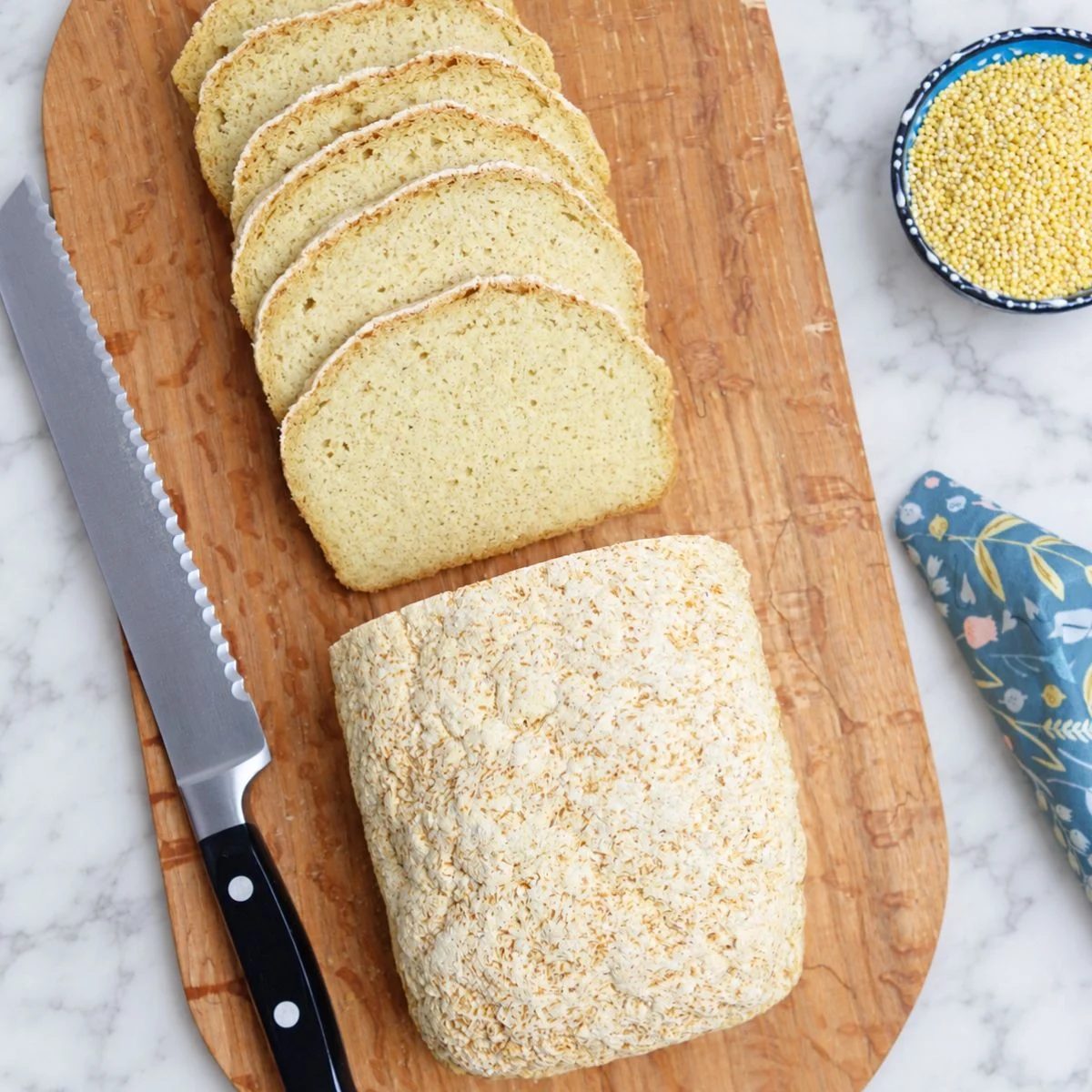
The exact amounts of each ingredient are indicated in the recipe card at the end of the post.Toggle betweenUS Customary(volume) andMetric(weights) for preferred measurement option.
- Millet flour:The only flour in the recipe. Use finely ground, fresh millet flour for the reliable flavor, rise, and texture. International readers should look for flour made from proso millet—the small, pale yellow millet commonly sold in North America.
- Baking powder:Provides sustained lift as the bread bakes. I prefer an aluminum-free baking powder for the cleanest flavor.
- Baking soda:Reacts with the vinegar to begin lifting the dough as soon as the wet and dry ingredients are combined.
- Fine sea salt:Brings out millet’s mild, toasty flavor. It can be adjusted to taste.
- Water:Hydrates the millet flour and transforms the psyllium husks into the gel that structures the loaf. Use the full quantity.
- Apple cider vinegar:Activates the baking soda and supports the bread’s rise. Other vinegars or lemon or lime juice can also be used.
- Whole psyllium husks:Bind the gluten-free dough and give the loaf volume, flexibility, and a cohesive crumb. Whole husks are the option I use and recommend.
How to Make Millet Sandwich Bread
Note that the complete instructions are also in the recipe card below.
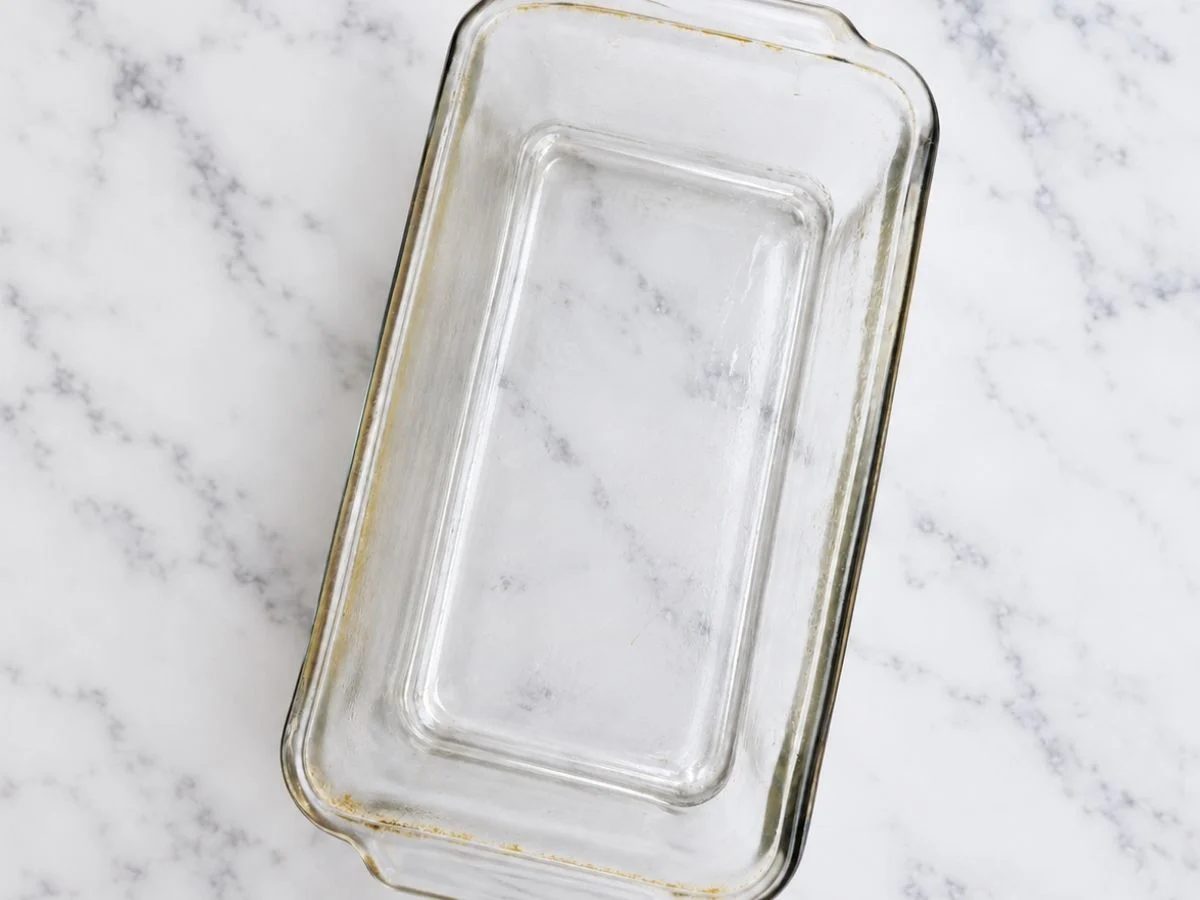
- Prepare the oven and pan.Preheat the oven to 325°F (160°C), using the conventional setting rather than convection. Grease, spray, or line a 9-by-5-inch loaf pan with parchment paper.Instruction
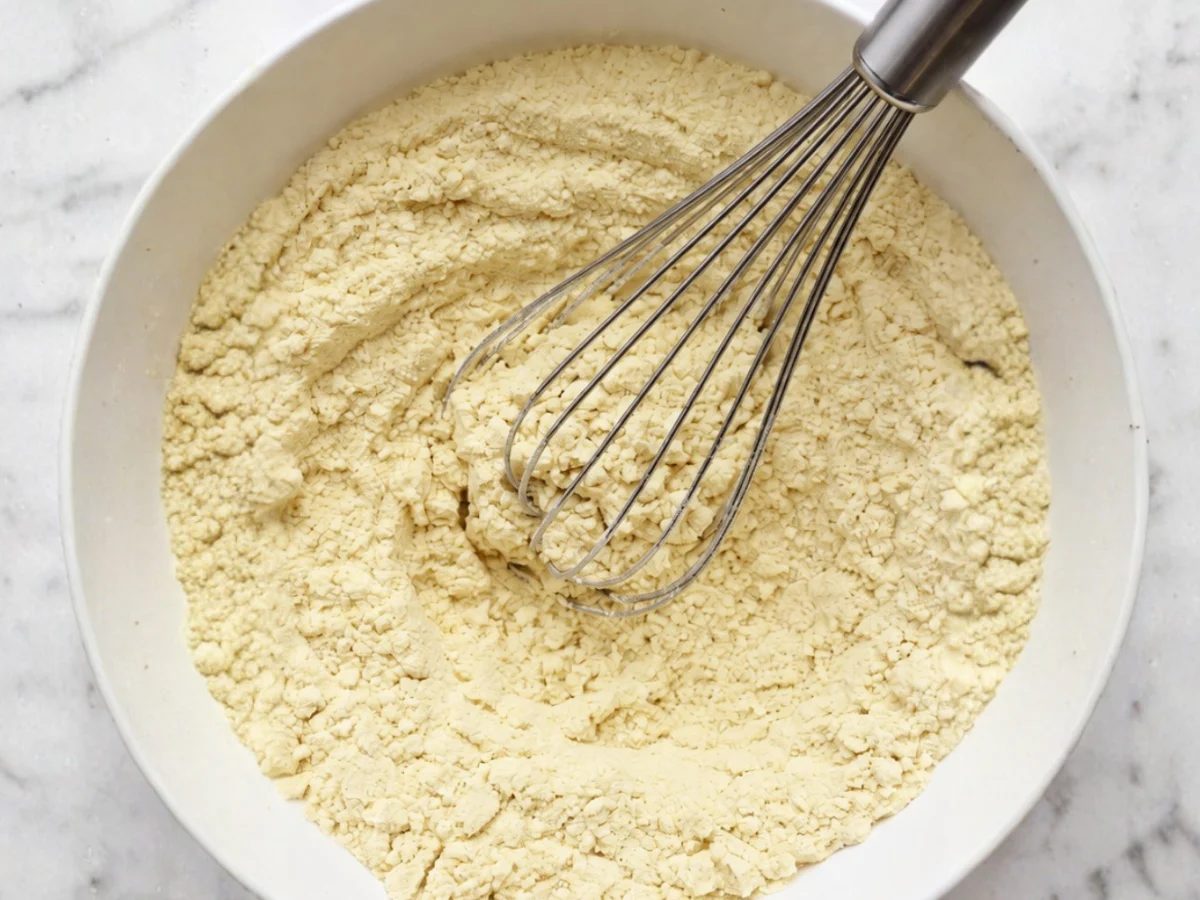
- Combine the dry ingredients.Whisk the millet flour, baking powder, salt, and baking soda in a large mixing bowl until evenly blended.Instruction
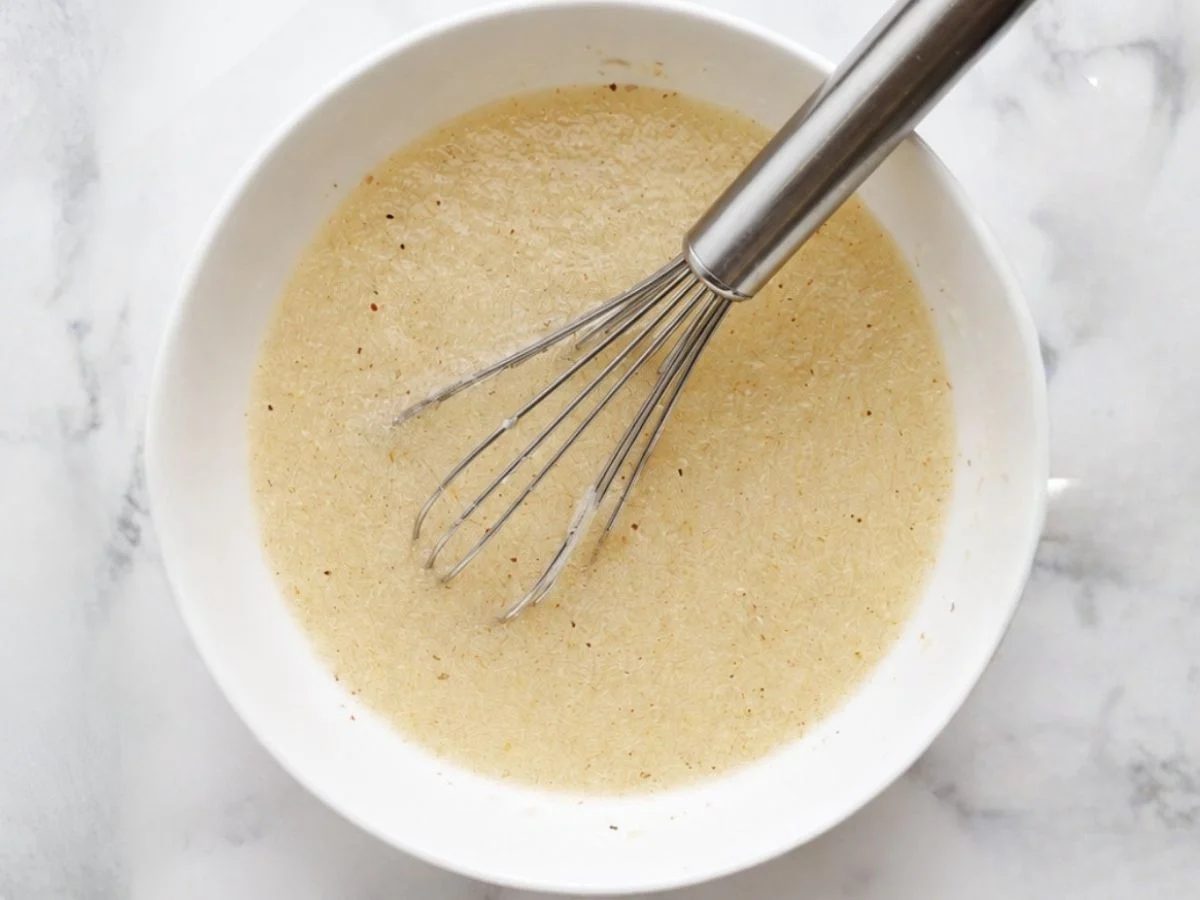
- Make the psyllium gel.Whisk the wet ingredients (water, vinegar, and whole psyllium husks) in a medium bowl. Let the mixture stand for about 5 minutes, until it thickens into a loose, pale gel.
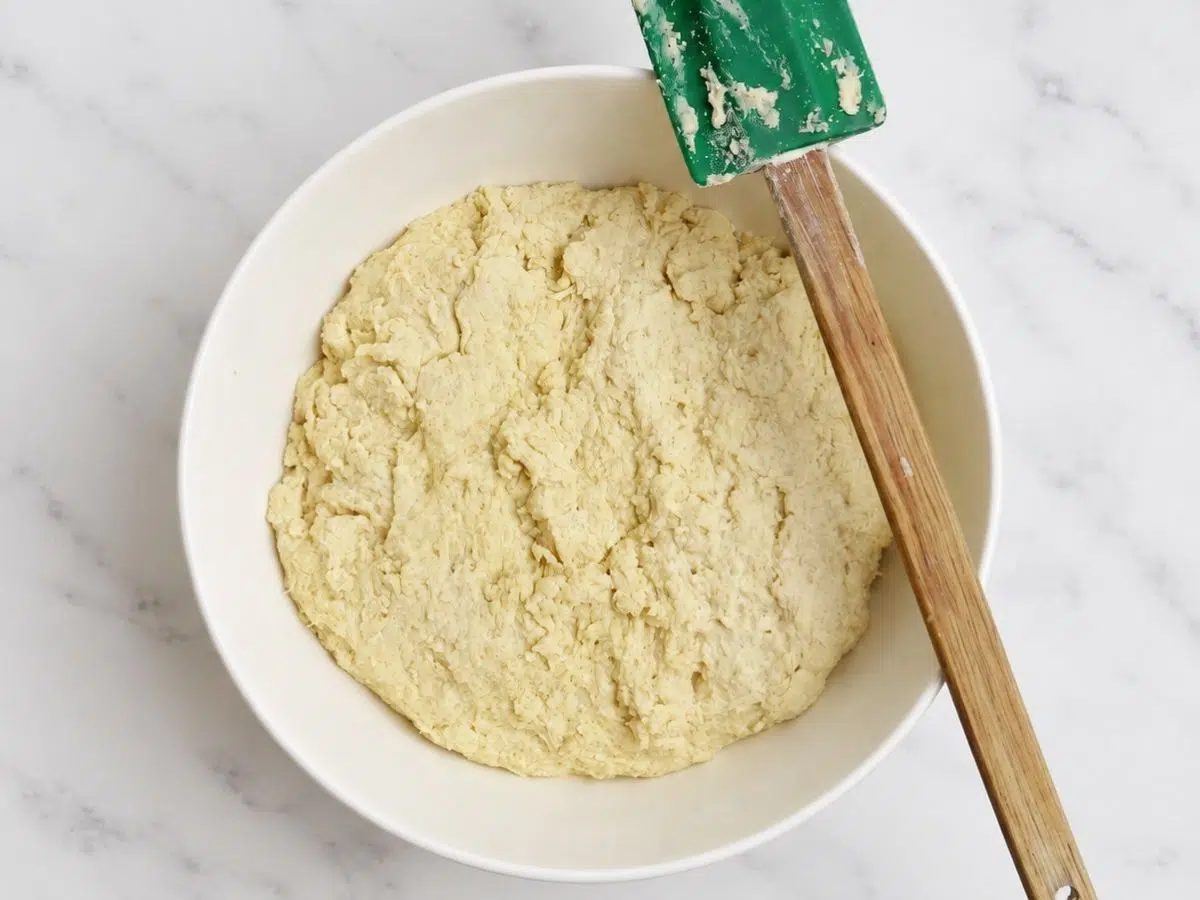
- Mix the dough.Add the psyllium mixture to the dry ingredients. Stir with a sturdy wooden spoon, rubber spatula, or clean hands until all of the flour is incorporated. Scrape the bottom and sides of the bowl carefully; the dough will be thick.
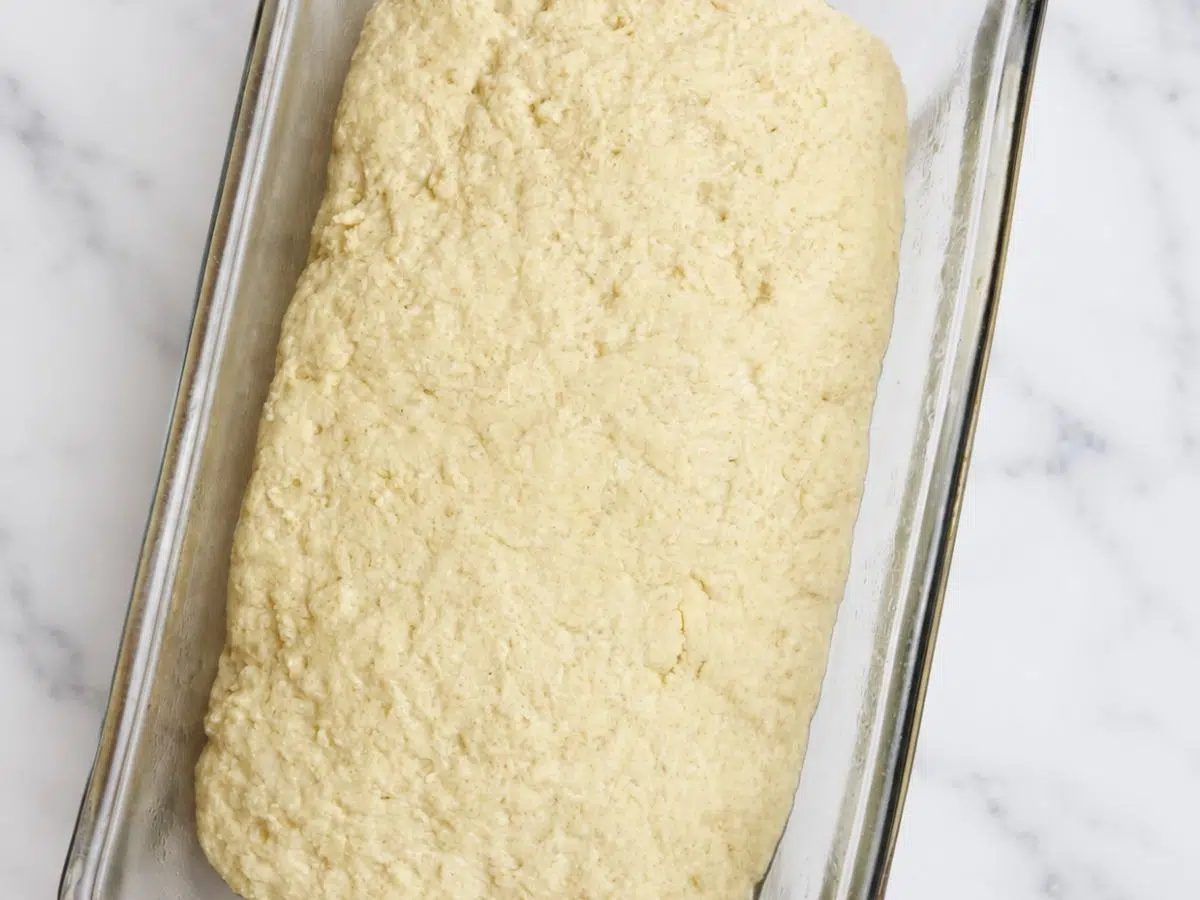
- Shape the loaf.Gather the dough into a rough ball. With moistened hands, shape it into a loaf that fits the prepared pan. Place it in the pan, then smooth the top and gently round the sides and corners.
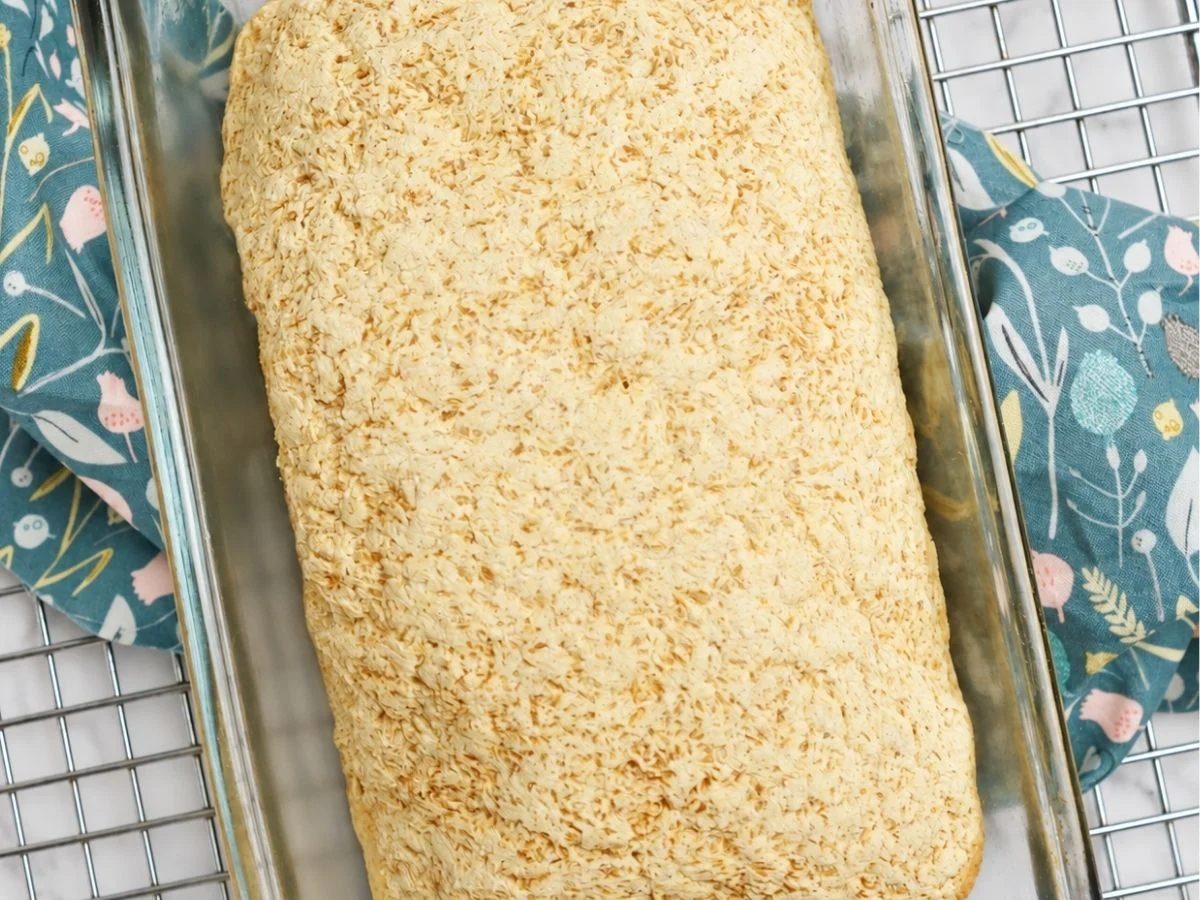
- Bake slowly.Bake for 90 minutes, until the loaf has risen and the surface is pale golden brown, dry, and crusty. The loaf should sound hollow when tapped.
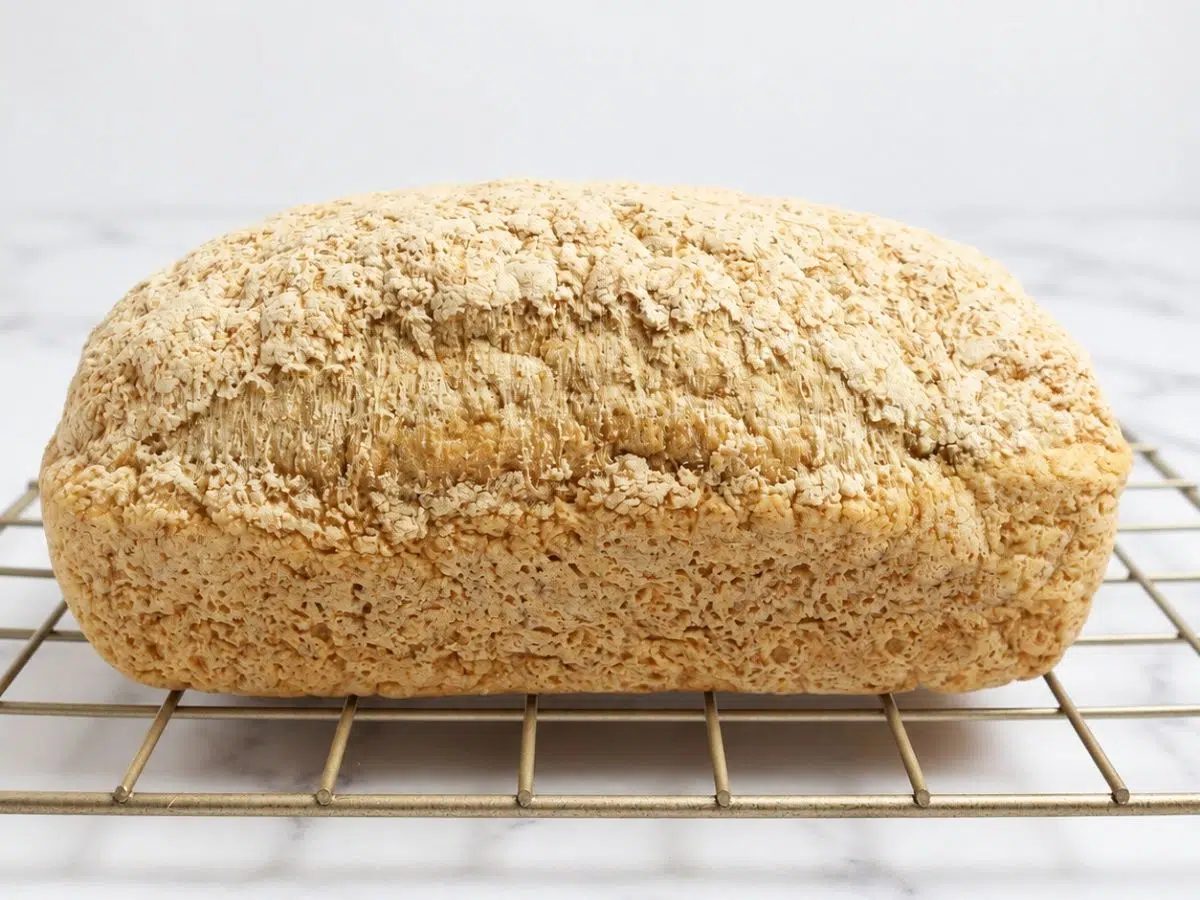
- Cool completely.Cool the bread in the pan on a wire rack for 15 minutes. Remove it from the pan and place it directly on the rack. Let it cool completely before slicing so that the crumb has time to set.
Taste and Texture
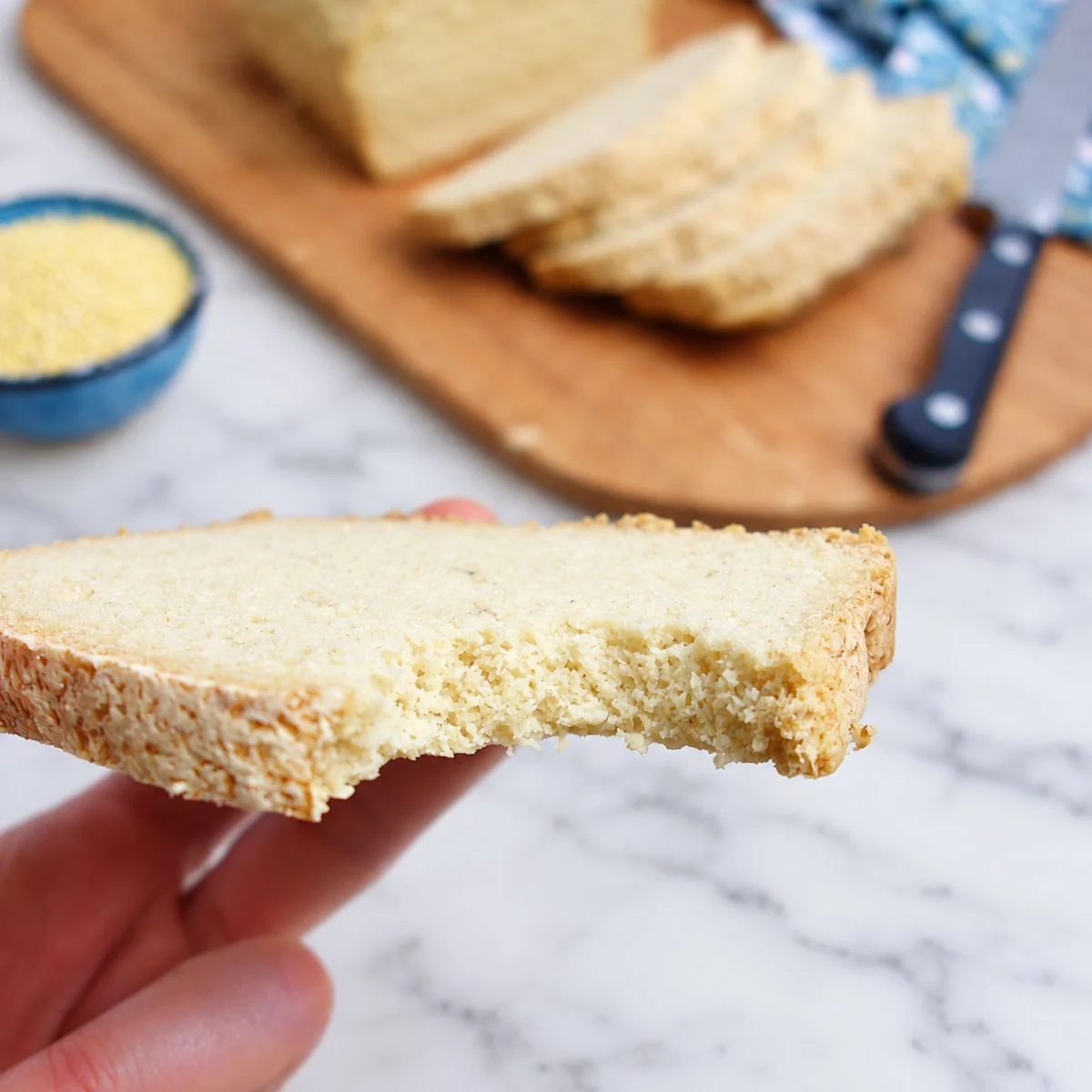
Millet gives the bread a mild, toasty flavor with a subtle corn-like note. It is neutral enough for hummus, avocado, nut butter, jam, or almost any sandwich filling.
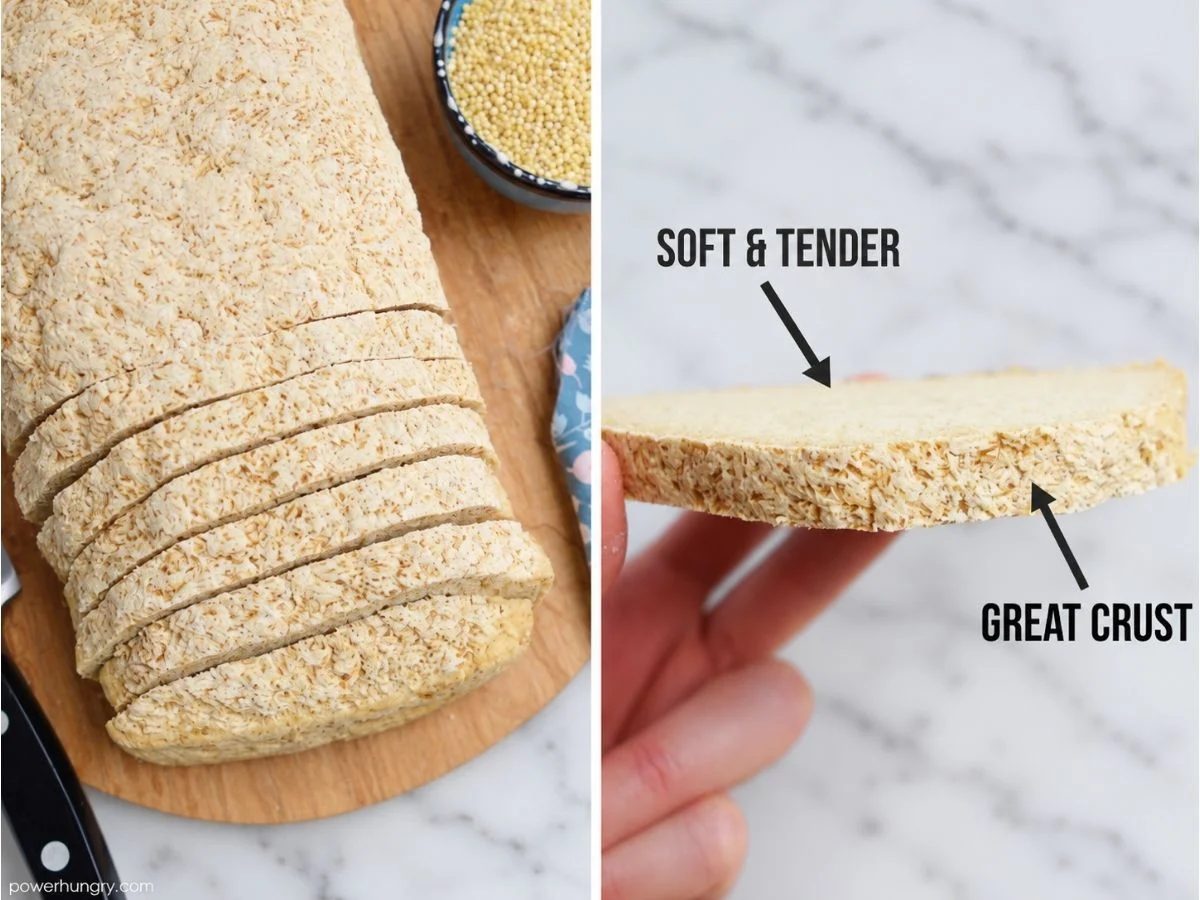
The crumb is fine, firm, and substantial rather than light and airy. The crust is distinct and pleasantly crisp, especially when toasted. Because the loaf holds together with minimal crumbling, it can be sliced surprisingly thin (use a sharp knife) once completely cool.
Storage
Allow the bread to cool completely before storing it.
- Room temperature:Store in an airtight container for up to 2 days.
- Refrigerator:Refrigerate in an airtight container for up to 1 week.
- Freezer:Slice the bread, place parchment between the slices if desired, and freeze in an airtight container for up to 6 months.
Thaw individual slices at room temperature or place them directly in the toaster.
Flavor Variations
- Italian herb bread:Add 1 to 2 tablespoons of dried Italian herbs or herbes de Provence to the dry ingredients.
- Cumin bread:Add 2 to 3 teaspoons of ground cumin.
- Curry-spiced bread:Add 2 to 3 teaspoons of curry powder.
- Garlic or onion bread:Add 2 to 3 teaspoons of garlic powder or onion powder.
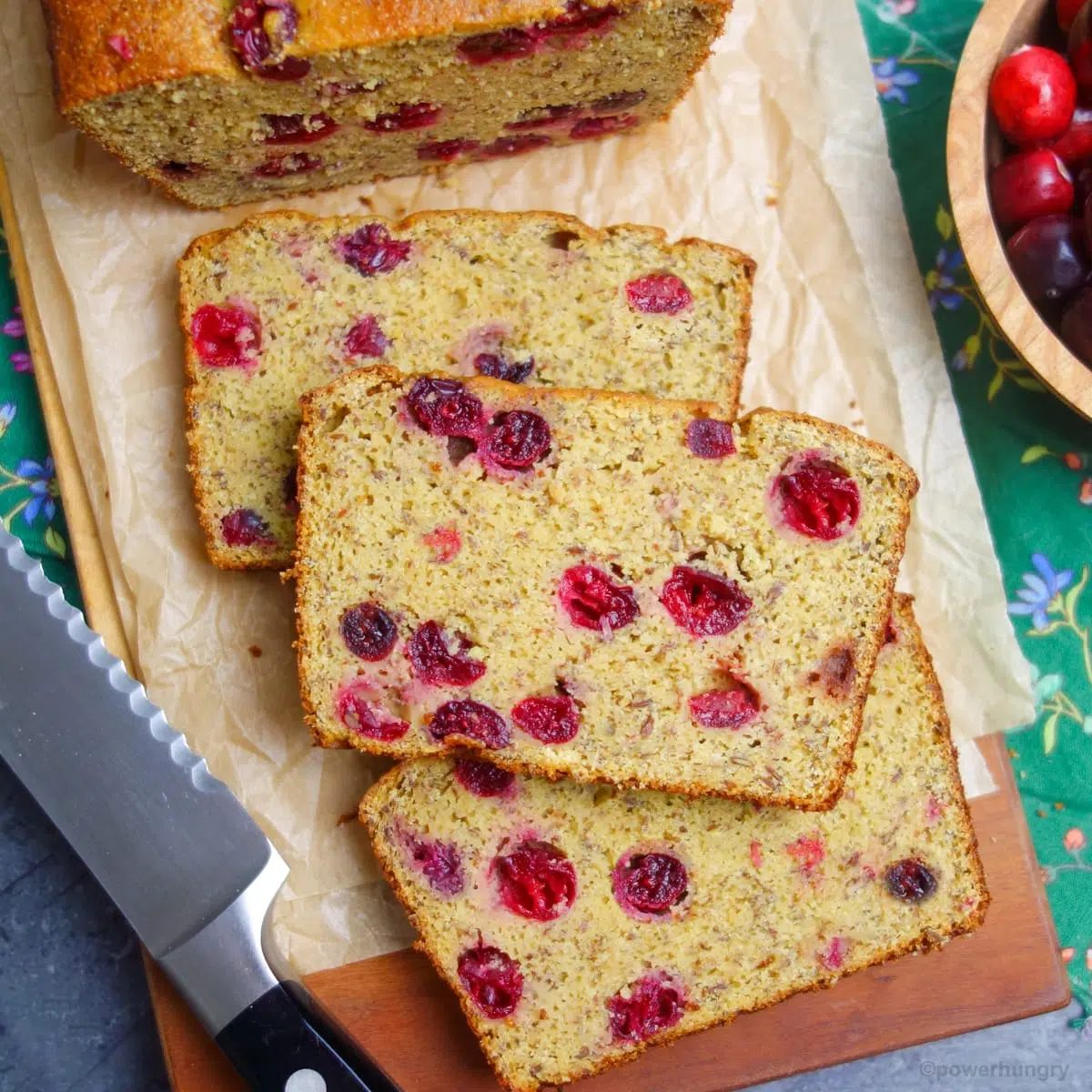
- Sweet millet breads:For formulas developed specifically as sweet loaves, try my100% Millet Banana Breador100% Millet Pumpkin Bread.
Serving Suggestions
Toast thick slices until crisp and top them with vegan butter, nut or seed butter, chia jam, mashed avocado, or hummus. Thin slices are sturdy enough for packed sandwiches, grilled sandwiches, and open-faced toast.
The bread is also excellent alongside soups and stews. Its firm crumb holds up well when dipped and makes it particularly useful with hearty bean, lentil, and vegetable soups.
Tips for Success
- Use aconventional oven setting, not convection. Forced air can set the outside too quickly, causing a large air pocket, a hard crust, or an underbaked center.
- Weigh dry ingredients.For the greatest accuracy, weigh the millet flour and psyllium husks whenever possible.
- Use finely ground millet flour.Coarsely ground flour produces a heavier loaf and does not absorb the water as evenly.
- Make sure the millet flour is fresh.Millet contains natural oils that can become rancid, producing an unpleasant or bitter flavor.
- Use fresh leavening agents.Use fresh baking powder and baking soda so that the yeast-free loaf receives enough lift.
- Gel the psyllium separately. Gel the psyllium mixture for the full 5 minutes. Do not mix all the ingredients together at once.
- Do not reduce the water.The dough is supposed to be moist, and reducing the liquid can produce a dry, crumbly loaf.
- Use damp hands to shape.Moisten your hands before shaping the dough to prevent sticking.
- Use the correct size pan.Use a 9-by-5-inch loaf pan so that the center bakes within the stated time.
- Cool before slicing.Let the bread cool completely before slicing. The crumb continues to set as it cools.
- Check oven accuracy.If the center remains damp, check the accuracy of your oven with an inexpensive oven thermometer and bake the next loaf longer if necessary.
Ingredient Substitutions
- Millet flour:I do not recommend substituting another flour in this formula. The water and psyllium quantities were developed specifically for millet flour. For other flour options, use my separateVegan Gluten-Free Oat Sandwich Breador buckwheat sandwich bread recipe.
- Whole psyllium husks:I test and recommend whole psyllium husks. Psyllium powder may work when substituted by equal weight—27 grams—not equal volume. Because psyllium husk powder can vary by brand, and absorb water more quickly, whole husks remain the most reliable choice.
- Chia or flax:Neither is a direct substitute for psyllium in this recipe. For a version developed specifically with chia, use my3-Ingredient Chia Millet Bread.
- Apple cider vinegar:Replace it with an equal amount of another vinegar or lemon or lime juice.
- Leaveners:Both the baking powder and baking soda contribute to the rise of this yeast-free loaf. I recommend using both as written.
Frequently Asked Questions
Is this millet sandwich bread yeast-free?Yes. The bread is completely yeast-free. Baking powder and baking soda provide the lift, so the dough does not require proofing or rise time.
What kind of millet flour should I use?Use finely ground flour made from the small, pale yellow millet commonly sold in the United States and Canada. This is generally proso millet. Do not use sorghum or amaranth flour, which are sometimes grouped with millet in other countries but do not work as direct substitutes in this recipe.
Can I grind my own millet flour?Yes. Grind whole millet in a high-speed blender until it becomes a very fine flour, which generally takes about 1 minute. A small electric coffee grinder also works when the millet is processed in small batches. A food processor does not grind the hard, tiny grains finely enough for this bread.
Can I use psyllium powder instead of whole psyllium husks?Whole psyllium husks are the option I test and recommend. Psyllium powder may work if it is substituted by equal weight—27 grams, approximately 5 1/2 teaspoons—not equal volume. Results can vary with different powders, so whole husks are the most reliable choice.
Can I make this bread without the psyllium husks?No, other binders, such as chia seeds, flaxseed meal, or tapioca starch will not work in place of the psyllium in this particular recipe. However, I developed two other millet breads loaf breads that do not use psyllium, and are every bit as satisfying: My3-Ingredient Chia Seed Millet Breadand3-Ingredient Millet Flaxseed Bread.
Why is my millet bread wet or gummy in the center?The most likely cause is underbaking. A convection setting, an inaccurate oven temperature, a different pan size, or failing to gel the psyllium separately can also leave the center of this gluten-free sandwich bread underdone. Use a conventional oven, bake for the full 90 minutes, and let the loaf cool completely before slicing.
Why should I avoid the convection setting?The moving air can set and lift the outside of the loaf before the center has baked. This may create a large bubble beneath the crust, a hard exterior, or a wet bottom. Slow, steady heat from a conventional oven produces more even results for this millet bread recipe.
Why does my bread have a bitter or unusual flavor?First check the freshness of the millet or millet flour. Millet’s natural oils can become rancid if it is stored too long or kept in a warm place. An aluminum-containing baking powder may also produce an aftertaste; I prefer aluminum-free baking powder for this recipe.
Can I freeze millet sandwich bread?Yes. Cool the loaf completely, slice it, and freeze the slices in an airtight container for up to 6 months. Individual slices can be thawed at room temperature or toasted directly from frozen.
More Vegan Gluten-Free Millet Recipes
- Flourless Millet Oat Bread {vegan, GF, 5 ingredients}
- Carrot Cake Millet Breakfast Bars
- Flourless Apple Millet Muffins
- Millet Apricot Energy Bars
- Vegan Millet Kale Quiches {GF, high protein}
- Strawberry Puffed Millet Bars {Vegan, Nut-Free, GF}
100% Millet Sandwich Bread (Yeast-Free & Gluten-Free)
- Prep Time: 10 minutes
- Cook Time: 1 hour
- Total Time: 1 hour
- Servings: 1 large loaf (14 slices)
Ingredients
- 2 1/2 cups millet flour (see tip to grind your own)
- 2 teaspoons baking powder
- 3/4 teaspoon fine sea salt
- 1/2 teaspoon baking soda
- 2 1/2 cups water
- 1 tablespoon apple cider vinegar see notes for options
- 1/3 cup whole psyllium husks
Method
- Prepare the oven and pan. Preheat the oven to 325°F (160°C). Do not use the convection setting. Grease or spray a 9-by-5-inch (22.5-by-12.5 cm) loaf pan , or line it with parchment paper .
- Mix the dry ingredients. In a large mixing bowl , whisk the millet flour , baking powder , salt, and baking soda until evenly blended.
- Make the psyllium gel. In a medium bowl , whisk the water, vinegar, and whole psyllium husks until blended. Let the mixture stand for about 5 minutes, until it thickens into a loose gel.
- Mix the dough. Add the psyllium mixture to the flour mixture. Stir with a wooden spoon, rubber spatula, or clean hands until completely combined. Scrape the bottom and sides of the bowl to incorporate all the flour. The dough will be thick. Gather it into a rough ball while it is still in the bowl.
- Shape the loaf. With moistened hands, shape the dough into a loaf that fits the prepared pan. Place it in the pan, then smooth the top and gently round the sides and corners.
- Bake the bread. Bake for 90 minutes, until the loaf has risen and the surface is pale golden brown, dry, and crusty. The bread should sound hollow when tapped. Cool in the pan on a wire rack for 15 minutes.
- Cool completely. Remove the bread from the pan and place it directly on the wire rack. Let it cool completely before slicing.
Notes
Storage: Store the completely cooled bread in an airtight container at cool room temperature for up to 2 days or in the refrigerator for up to 1 week. Freeze sliced bread in an airtight container for up to 6 months. Millet flour : Use purchased millet flour or grind whole millet into a fine flour in a high-speed blender . A small electric coffee grinder also works when the millet is processed in small batches. For the reliable flavor, keep millet and millet flour refrigerated or frozen in an airtight container . Vinegar options: Replace the apple cider vinegar with an equal amount of another vinegar or lemon or lime juice. Psyllium: I use whole psyllium husks , not psyllium powder. If using powder, substitute by equal weight—27 grams, approximately 5 and 1/2 teaspoons—not equal volume. Whole psyllium husks remain the tested and recommended choice. Oven setting: Use conventional heat, not convection. Forced air can cause the outside of the loaf to rise and set before the center is fully baked.