
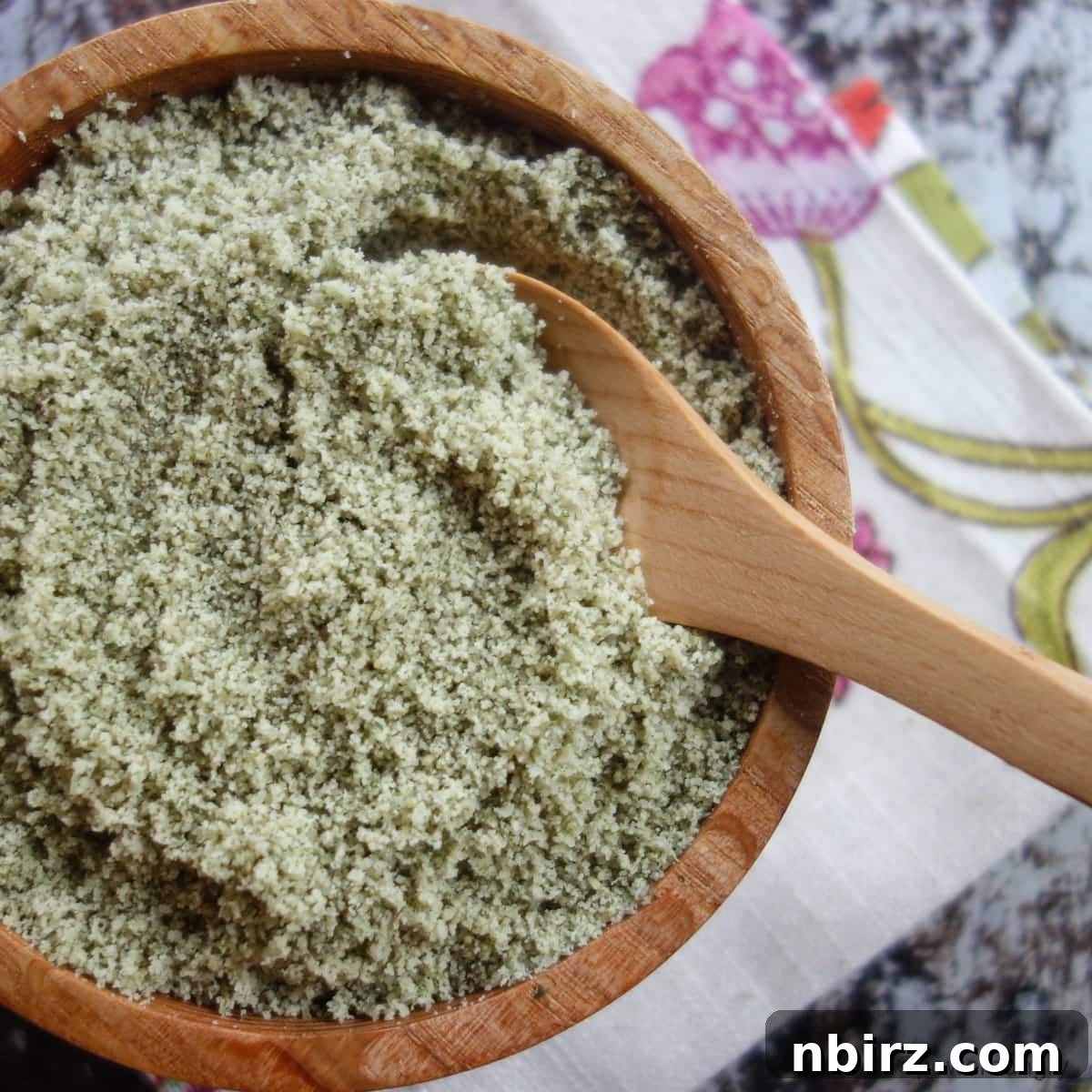
Homemade pumpkin seed flour, also known as pepita flour, is an incredibly nutrient-dense, gluten-free, and grain-free alternative that can revolutionize your baking and cooking. This versatile flour serves as an excellent nut-free and more cost-effective substitute for almond flour and other popular nut flours.
Unlock Healthier Baking: Homemade Pumpkin Seed Flour (Pepita Flour)
In the evolving world of health-conscious cooking and dietary restrictions, finding the perfect flour substitute can be a game-changer. While almond flour, hazelnut flour, and various other nut flours have long been celebrated for their delightful texture and flavor in gluten-free and grain-free baked goods—from cookies and cakes to breads—they come with specific limitations that can exclude many individuals. For those navigating nut allergies, seeking more affordable options, or simply desiring to diversify their nutritional intake, homemade pumpkin seed flour presents an outstanding solution.
Why Choose Pumpkin Seed Flour Over Almond Flour?
Almond flour, a staple in many gluten-free pantries, presents two significant hurdles for a considerable number of people:
- It is unsuitable for individuals with nut allergies or sensitivities, posing a serious health risk and limiting culinary choices for affected households.
- It can be quite expensive, especially when used frequently, making it an inaccessible option for regular use for some budgets.
This is where homemade pumpkin seed flour emerges as a superior solution. It elegantly addresses both of these concerns by being completely nut-free and significantly more affordable than almond flour. Beyond its practical advantages, pumpkin seed flour is a nutritional powerhouse, offering a rich profile of vitamins, minerals, and healthy fats that can elevate the health quotient of your favorite recipes. Its neutral, subtly nutty flavor also makes it an incredibly versatile ingredient, seamlessly integrating into a wide array of dishes without overpowering other flavors. Choosing pumpkin seed flour means embracing a safer, more economical, and equally delicious alternative for your gluten-free and grain-free baking endeavors.
Understanding Pumpkin Seed Flour (Pepita Flour)
Pumpkin seed flour is a finely ground flour made exclusively from raw, shelled pumpkin seeds, commonly known as pepitas. These vibrant green seeds, typically extracted from specific pumpkin varieties, are naturally free from the outer fibrous shell, making them ready for processing into flour. The term “pepita” itself, derived from the Spanish “pepita de calabaza,” literally means “little seed of squash,” highlighting their origin. As a result, the flour produced is inherently nut-free, gluten-free, and grain-free, aligning with various dietary needs, including ketogenic, paleo, and allergen-friendly diets.
What sets pumpkin seed flour apart is its mild, earthy, and subtly nutty flavor profile. This allows it to be incredibly adaptable in the kitchen, serving as a direct replacement or a complementary ingredient in recipes that traditionally call for grain-based flours such as wheat flour or oat flour. Unlike some other alternative flours, its neutral taste ensures it won’t impart an unwanted strong flavor to your dishes, making it suitable for both sweet and savory applications. From delicate pastries to hearty breads, pumpkin seed flour offers a dependable and delicious foundation.
While flours made from seeds like pumpkin, sesame, and sunflower have historically been less common in mainstream markets compared to coconut flour or almond flour, their popularity is steadily rising. This shift is largely due to increased consumer demand for allergen-friendly, nutrient-dense, and diverse food options. In recent years, several brands have introduced commercially produced pumpkin seed flour, and it’s increasingly featured in healthy recipes and pre-packaged foods. However, the most economical and satisfying way to enjoy this remarkable ingredient—ensuring freshness and purity—is by making it yourself, fresh at home. This DIY approach not only saves money but also guarantees you know exactly what goes into your flour.
The Abundant Health Benefits of Pumpkin Seed Flour
Pumpkin seeds (pepitas) are renowned for their impressive nutritional density, and these benefits are concentrated in their flour form. Incorporating pumpkin seed flour into your diet can significantly boost your intake of essential nutrients, contributing to overall well-being and supporting various bodily functions:
- Grain-Free & Gluten-Free: An ideal choice for individuals with celiac disease, gluten sensitivity, or those actively following grain-free and ketogenic diets. It allows for a wider range of culinary options without compromising dietary needs.
- High in Protein: Pumpkin seed flour is a fantastic plant-based protein source, crucial for muscle repair, growth, and overall satiety. Protein also plays a vital role in hormone production and enzyme function.
- Rich in Fiber: Abundant in dietary fiber, this flour supports optimal digestive health, helps regulate blood sugar levels, and contributes to a prolonged feeling of fullness, which can aid in weight management.
- Excellent Source of Healthy Fats: Packed with essential fatty acids, including beneficial omega-3s and omega-6s, which are vital for heart health, brain function, and reducing systemic inflammation. These healthy fats also contribute to the flour’s unique baking properties.
- Magnesium Powerhouse: Pumpkin seeds are one of nature’s best natural sources of magnesium, a mineral critical for over 300 enzymatic reactions in the body. It plays key roles in nerve and muscle function, blood glucose control, blood pressure regulation, and maintaining healthy bones and teeth.
- Loaded with Essential Vitamins: Contains a spectrum of important vitamins, including:
- Vitamin E: A powerful antioxidant that protects cells from oxidative damage.
- Various B Vitamins (B1, B2, B3, B5, B6, B9/Folate): Essential for energy metabolism, converting food into fuel, supporting nerve function, and red blood cell formation. Folate is particularly important for cell growth and DNA synthesis.
- Vitamin K: Important for proper blood clotting and plays a significant role in bone health.
- Abundant Minerals: Provides significant amounts of other vital minerals such as:
- Manganese: Important for bone development, nutrient metabolism, and antioxidant defenses.
- Copper: Essential for iron absorption, energy production, and maintaining healthy connective tissues.
- Phosphorus: Key for strong bones and teeth, and plays a crucial role in how the body uses carbohydrates and fats.
- Zinc: Supports immune function, wound healing, DNA synthesis, and is important for taste and smell.
- Iron: Crucial for oxygen transport throughout the body and preventing anemia.
- Potent Antioxidant Properties: Beyond specific vitamins, pumpkin seeds also contain various phenolic compounds and other antioxidants that help protect cells from damage caused by free radicals, contributing to overall health and potentially reducing the risk of chronic diseases.
These combined benefits make pumpkin seed flour an exceptional choice for anyone looking to enhance their diet with a natural, whole-food ingredient that supports a wide range of bodily functions, making it a truly smart addition to your pantry.
Pumpkin Seed Powder vs. Pumpkin Seed Flour: Understanding the Difference
While “powder” and “flour” might seem interchangeable, particularly in the context of seeds, it’s crucial to understand that in most cases, commercially labeled “pumpkin seed powder” is **not** the same as homemade pumpkin seed flour. This distinction is vital, especially when it comes to baking and recipe consistency, where the physical and chemical properties of the ingredient are paramount.
Products marketed as “pumpkin seed powder” often differ in several key ways:
- Ingredient Purity: They may contain additional ingredients beyond just pumpkin seeds, such as anti-caking agents or other fillers, which can affect flavor and performance.
- Nutrient Profile Alterations: Often, these powders are derivatives where certain components, such as fat and/or fiber, have been partially or completely removed during processing. This changes the powder’s nutritional composition and, more importantly for baking, its functional properties. For instance, defatted pumpkin seed powder is commonly used as a protein supplement, but it lacks the fat content needed for proper structure and moisture in baked goods.
- Texture and Grind: “Pumpkin seed powder” might be pulverized to an ultra-fine consistency, similar to starch flours like cornstarch or tapioca flour. This hyper-fine texture lacks the structure and fat content necessary to behave like almond flour or other nut flours in baking. It can lead to vastly different results, often resulting in dry, crumbly, or dense baked goods that don’t rise properly or hold their shape. The oils in whole seed flour are crucial for texture and moisture.
For these reasons, to ensure the purity of ingredients, the full spectrum of nutrients, and the correct coarse-to-fine grind suitable for baking, it is always recommended to make your own pumpkin seed flour from whole, raw green pumpkin seeds (pepitas). This guarantees you have an authentic, versatile flour that will perform as expected in your recipes, providing consistent results and superior flavor.
How to Effortlessly Make Your Own Homemade Pumpkin Seed Flour (Pepita Flour)
The idea of making your own flour might initially sound intimidating or complex, but rest assured, crafting pumpkin seed flour from raw, green pepitas is remarkably straightforward, quick, and incredibly rewarding. You don’t need specialized equipment or advanced culinary skills. With just a few basic kitchen tools and a handful of minutes, you can produce a fresh batch of high-quality, homemade flour that surpasses store-bought alternatives in freshness and often in cost-effectiveness. The process is so simple, you’ll wonder why you haven’t tried it sooner.
Here’s what you’ll need, and the entire process can be completed in under 5 minutes from start to finish:
- Raw Green Pumpkin Seeds (Pepitas): Ensure they are shelled and unroasted. Look for high-quality seeds for the best flavor and nutritional value. The fresher the seeds, the better your flour will taste and perform.
- A Grinding Device: Choose one of the following based on what you have available and the quantity you wish to make:
- High-Speed Blender: Ideal for larger batches and achieving a consistently fine grind. Brands like Vitamix or Blendtec work exceptionally well.
- Coffee Grinder: Perfect for smaller quantities and providing excellent control over fineness. This is a common and accessible option for most kitchens.
- Food Processor: Can work for a coarser meal, though typically won’t achieve a super-fine flour texture (more on this in the FAQ below). It’s more suited for ingredients where a slightly textured grind is acceptable.
- A Fine Mesh Sieve: Essential for sifting out any larger unground pieces to ensure a smooth, uniform flour texture suitable for most baking applications. This step is key for achieving consistent results similar to commercial flours.
Important Tip for Allergies: If you or someone you’re baking for has severe nut allergies, it is absolutely crucial to purchase pumpkin seeds that are certified processed in a nut-free facility. Cross-contamination can be a serious concern, so always check product labels carefully to ensure safety and peace of mind.
Step-by-Step Guide to Making Homemade Pumpkin Seed Flour
Note that the complete, printable directions are also provided in the recipe card below.
Step 1: Prepare Your Grinding Device and Seeds
Begin by placing the raw green pumpkin seeds (pepitas) into your chosen grinding device. If you are using a powerful high-speed blender, you can typically add all the seeds for a larger batch at once, which is efficient for making more flour. However, if you’re working with a standard coffee grinder, it’s best to process in smaller batches to ensure an even grind and prevent overheating and clumping. I recommend grinding no more than 1/3 to 1/2 cup (approximately 41-60 grams) of seeds at a time in a coffee grinder. For larger batches up to 1 cup, a bullet-style personal blender often works exceptionally well due to its compact design and powerful motor.
Step 2: Process the Seeds to a Fine Consistency
Now, let the grinding commence! To achieve a fine flour consistency and avoid accidentally making pumpkin seed butter (which, while delicious, is a different product!), it’s crucial to use short, intermittent pulses rather than continuous grinding. Continuous blending will quickly release the oils from the seeds, turning them into a paste. Start by pulsing for about 30 seconds. Stop, open the container, and use a spatula to scrape down any seeds clinging to the sides of the blender or grinder. This ensures all seeds are evenly processed. Continue pulsing in short bursts, stopping and scraping as needed, until the seeds are finely ground. You should aim for a texture that resembles a fine flour, though it’s perfectly normal to have a few slightly larger pieces still visible before sifting.
If you’re using a coffee grinder, an excellent trick to ensure even grinding and prevent clumping is to gently shake the grinder as it pulses. This keeps the seeds circulating freely and helps achieve a more uniform texture. Remember, patience with pulsing is key to avoiding an oily seed butter and achieving that perfect flour consistency!
Step 3: Sift the Flour for Optimal Texture
The final step for a truly versatile flour is sifting. Place a fine mesh sieve over a clean bowl and pour your freshly ground pumpkin seed flour into it. Gently tap the sieve against your hand or the side of the bowl, and use a spoon or your clean hand to stir the flour around. This action encourages the finer particles to pass through the mesh, separating them from any larger, unground seed bits. Collect the fine flour in the bowl below.
You can then re-process any larger pieces collected in the sieve until they are also finely ground, and sift them again. While skipping the sifting step is acceptable for more rustic recipes where a slightly coarser texture is desired (like for breadings or toppings), a thorough sifting is highly recommended for all-purpose use, especially in delicate baking, to ensure consistent results and a smooth texture. A simple, inexpensive mesh sieve, readily available at most dollar stores or kitchen supply shops, is all you need for this crucial step.
Congratulations! You have successfully made your very own batch of fresh, homemade pumpkin seed flour, ready to be incorporated into your favorite recipes!
Pumpkin Seed Flour Yield and Storage
Typically, 150 grams (approximately 1 full cup) of raw green pumpkin seeds (pepitas) will yield about 1 and 1/4 cups of finely ground pumpkin seed flour. This amount generally translates to about ten 2-tablespoon servings, which is a good quantity for several recipes or for incorporating into daily meals. The exact yield might vary slightly depending on the fineness of your grind, the efficiency of your sifting process, and the specific moisture content of your seeds. Always remember that for consistent baking results, measuring by weight (grams) is inherently more accurate than by volume (cups) when dealing with flours, especially alternative flours with varying densities.
Storage Best Practices
To maintain its freshness, flavor, and nutritional integrity, it’s essential to store your homemade pumpkin seed flour properly. Due to its natural oil content, pumpkin seed flour is more prone to spoilage (rancidity) than traditional grain flours. Always transfer the flour to an airtight container immediately after making it. For optimal freshness and to prolong its shelf life, keep it in the refrigerator for up to 6 months or in the freezer for even longer, up to a year. Storing it in a cool, dark place away from direct light and heat will help prevent the delicate oils from oxidizing and turning rancid prematurely. If stored properly, your homemade flour will be a reliable ingredient whenever inspiration strikes.
Creative Ways to Use Your Homemade Pumpkin Seed Flour
Once you have your freshly made pumpkin seed flour, a world of culinary possibilities opens up. Its unique nutritional profile and mild, adaptable flavor make it incredibly versatile for both baking and general cooking. Here are the primary ways you can incorporate this fantastic flour into your diet, enhancing both the taste and health benefits of your dishes:
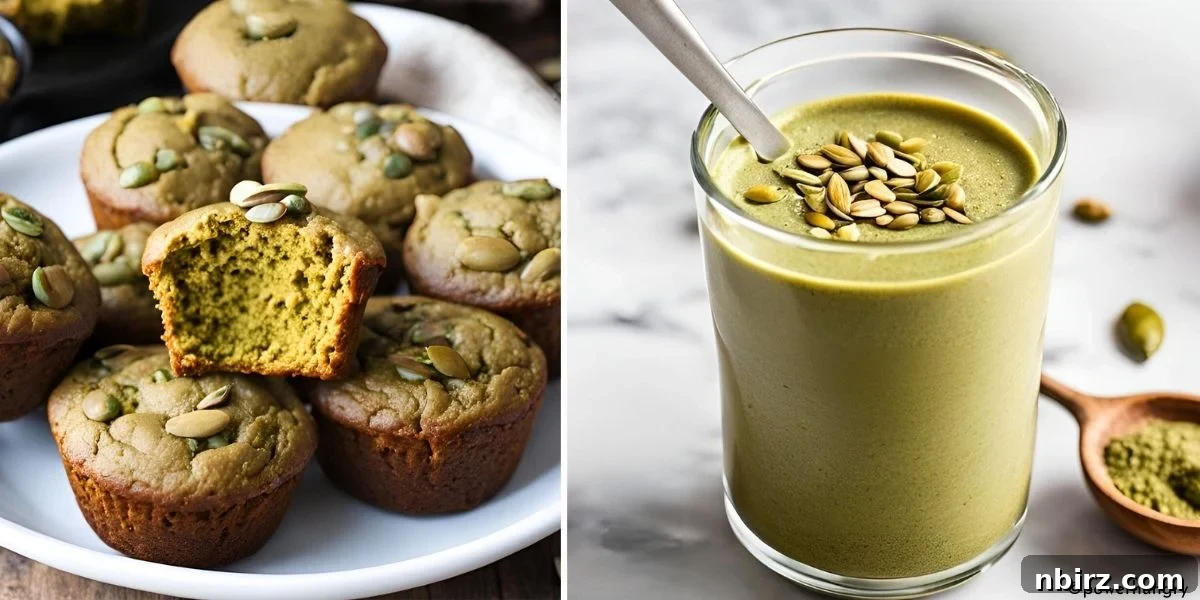
- As a Direct Replacement for Almond Flour and Other Nut Flours: In most recipes calling for almond flour or almond meal, pumpkin seed flour can be used as a 1:1 replacement by volume. However, for the most accurate and consistent baking results, especially in sensitive recipes like cakes or delicate cookies, I highly recommend using a kitchen scale to weigh the flour for an exact weight replacement. This ensures the correct moisture absorption and structural integrity in your baked goods. It works wonderfully in cookies, muffins, quick breads, pancakes, waffles, and even pie crusts, offering a delightful texture and a subtle, earthy undertone.
- Boost Your Protein Intake: Pumpkin seed flour is an excellent source of plant-based protein, making it an ideal addition to enhance the nutritional value of various meals and snacks without significantly altering their taste.
- Smoothies and Shakes: Add a tablespoon or two to your favorite fruit or green smoothies for an extra protein punch and a creamy texture. It blends smoothly, offering a subtle nutty note.
- Morning Oatmeal or Yogurt: Stir a spoonful into your hot oatmeal, overnight oats, or yogurt parfait. It adds a pleasant texture, a nutty richness, and helps keep you feeling full and energized longer.
- Homemade Protein Bars and Energy Bites: Incorporate it into homemade protein bars, energy balls, or granola recipes for a nutrient-dense binder and a boost of protein and healthy fats.
- Thickener for Sauces and Soups: Its fine texture allows it to act as a natural, gluten-free thickener for savory dishes. Whisk a small amount into gravies, stews, chilis, or creamy soups to add body, a subtle flavor boost, and an extra layer of nutrition.
- Coating for Proteins and Vegetables: Use it as a gluten-free breading for chicken, fish, tofu, or vegetables before baking or pan-frying. It creates a wonderfully crispy and flavorful crust, offering a healthier alternative to traditional breadcrumbs.
- Savory Baking Applications: Experiment with pumpkin seed flour in savory muffins, crackers, savory tarts, or even as a binder in homemade veggie burgers and meatloaves. Its mild earthiness complements many savory spices and herbs beautifully.
Its remarkable versatility means you can experiment freely in your kitchen, knowing you’re adding both delightful flavor and significant nutritional value to your culinary creations.
Frequently Asked Questions About Pumpkin Seed Flour
- How should I store pumpkin seed flour?
Always store your homemade pumpkin seed flour in an airtight container to prevent exposure to air, which can cause oxidation and rancidity. For optimal freshness and to prolong its shelf life, keep it in the refrigerator for up to 6 months or in the freezer for up to 1 year. This is crucial due to the flour’s natural oil content.
- What is the flavor profile of pumpkin seed flour?
Pumpkin seed flour has a pleasantly neutral, mildly nutty, and slightly earthy flavor. This makes it incredibly versatile, as it enhances a wide range of recipes, both sweet and savory, without dominating other flavors. It’s particularly delicious in baked goods, and as an addition to smoothies or oatmeal, adding depth without overpowering.
- Can I use roasted pumpkin seeds to make flour?
While you *can* technically grind roasted pumpkin seeds, it’s generally not recommended for flour intended for baking applications where texture and a neutral flavor are key. Roasting changes the oil composition and flavor significantly, often making the flour heavier, denser, and imparting a stronger, more pronounced roasted flavor that might not be desired in delicate baked goods. Raw seeds provide the best texture, purest flavor, and full nutritional integrity for flour.
- Is a coffee grinder suitable for making homemade pumpkin seed flour?
Absolutely, a coffee grinder is an excellent tool for making pumpkin seed flour, especially for smaller batches. For the best results, fill the grinder with no more than 1/4 to 1/3 cup of pumpkin seeds (pepitas) at a time. This ensures efficient and even grinding without over-processing. If you also use your coffee grinder for coffee, be sure to clean it thoroughly afterward to remove any residual coffee oils or particles that could impart unwanted flavors. A simple trick is to pulse a small piece of stale bread in the grinder, then discard the bread, which helps absorb any remaining flavors and oils.
- Can I use a food processor to grind pumpkin seeds (pepitas) into flour?
A food processor can certainly grind pumpkin seeds, but it typically won’t achieve the fine, powdery consistency of flour that is ideal for most baking. Instead, you’ll likely end up with a coarser pumpkin seed meal or a textured chop. While this meal is still delicious and can be used in some recipes (like as a topping for salads, a crust for proteins, or in rustic baked goods), it’s not an ideal 1:1 substitute for fine flours like almond flour in recipes requiring a delicate structure. For a true, fine flour, a high-speed blender or coffee grinder is preferred.
- My pumpkin seed flour turned into a paste/butter. What went wrong?
If your seeds turned into a paste or butter, it means you over-processed them. The natural oils in pumpkin seeds will quickly start to release and emulsify if ground continuously for too long without adequate breaks. To prevent this, always use short, intermittent pulses and stop as soon as you reach the desired flour consistency. Scrape down the sides of your grinding device frequently to ensure even processing and allow the blades and seeds to cool slightly between pulses.
Related Recipes Featuring Pumpkin Seed Flour
- 1-Ingredient Pepita Butter {Vegan, Keto}
- Homemade KIND Bars {Gluten-Free, Vegan}
- Pumpkin Seed, Pumpkin Spice Homemade Larabars
- Vegan Chickpea Flour Pumpkin Cookies (Oil-Free)
- 2-Ingredient Vegan Pepita Tortillas (GF, Oil-Free)
Homemade Pumpkin Seed Flour (Pepita Flour)
By: Camilla
Pumpkin seed flour (also known as pepita flour) is a nutrient-dense, gluten-free, grain-free flour that can be used in all kinds of recipes. Use it as a nut-free, less expensive alternative to almond flour and other nut flours.
Prep Time: 5 minutes
Total Time: 5 minutes
Yields: 1 and 1/4 cups flour (approx. 10 servings)
Ingredients
- 140 grams green pumpkin seeds (pepitas), (about 1 full cup)
Instructions
- Place the green pumpkin seeds in a high speed blender (a high speed bullet blender is ideal). If using a coffee grinder, only grind 1/3 cup or 1/2 cup at a time.
- Process for 30 seconds. Scrape down sides and repeat, until the seeds resemble a mostly fine flour with some larger pieces throughout (avoid over-processing–the flour will turn into seed butter).
- Transfer the flour to a mesh sieve set over a bowl. Sift the flour to remove any of the large pieces (stir it around to force it through the sieve). Reprocess the large pieces to a fine flour and sift again.
Notes
Storage: Store the pumpkin seed flour in an airtight container in the refrigerator or freezer for up to 6 months.
Coffee Grinder Tips: If you use your coffee grinder for coffee, too, be sure to wipe it out to remove any traces of coffee and coffee oil. You can pulse a bit of bread in the grinder to remove any final traces (discard the bread afterwards). For more even grinding, I recommend shaking the grinder as you grind the seeds.
Nutrition Information (per 2 tablespoons serving)
Serving: 2 tablespoons (15 g) | Calories: 86 kcal | Carbohydrates: 2 g | Protein: 4 g | Fat: 7 g | Saturated Fat: 1 g | Polyunsaturated Fat: 5 g | Sodium: 3 mg | Fiber: 1 g