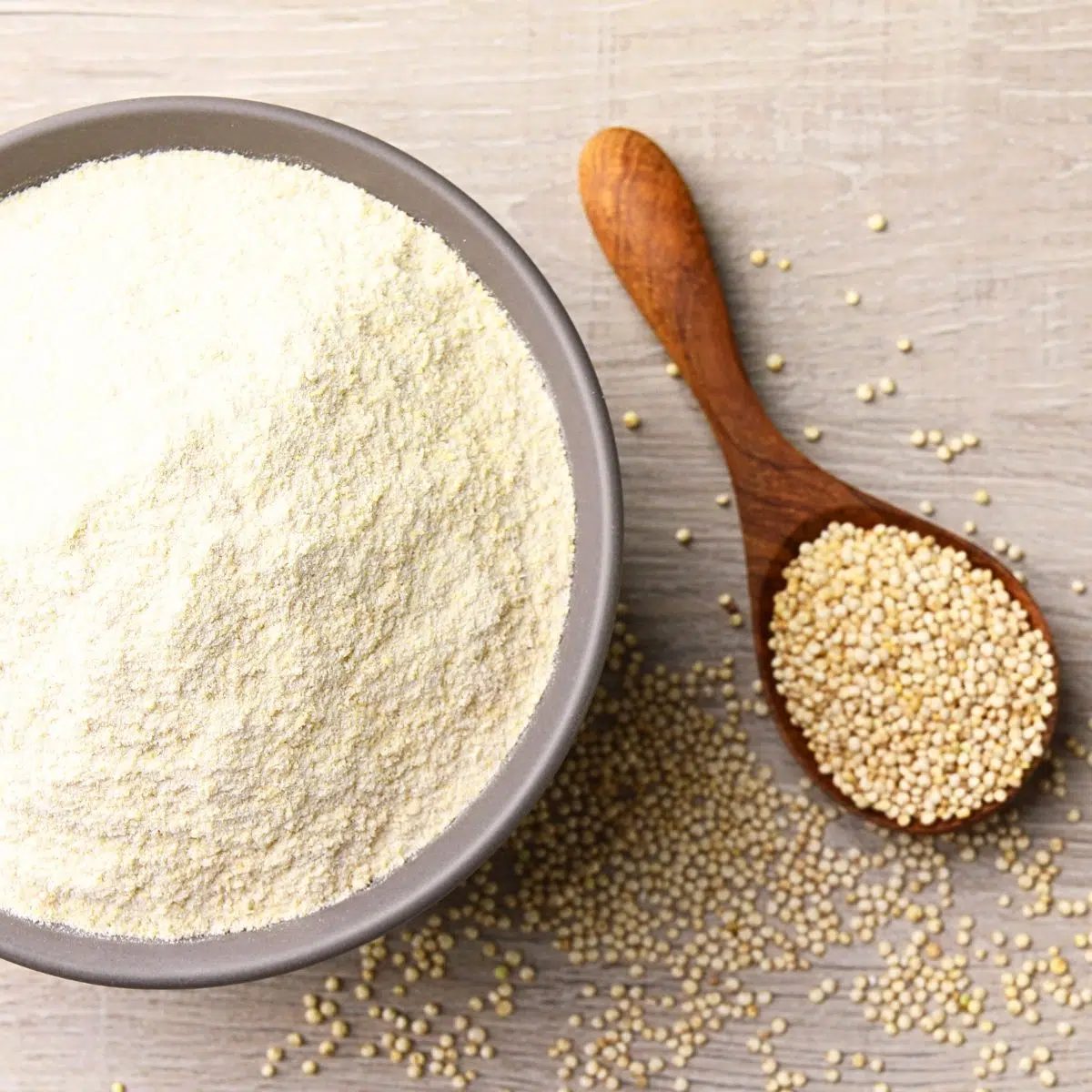
DIY quinoa flour is great for experimenting with this high-protein, whole=-grain flour. Make it in no time with a high-speed blender or coffee grinder.
I *LOVE* baking with quinoa flour, so I hope a quick demo of how plain it is to make a batch in your kitchen encourages you to give it a try!
Quinoa Flour 101
Quinoa flour is made by grinding quinoa seeds to a fine consistency. It looks and feels like all-purpose wheat flour and is easily adapted to a broad range of baking recipes, from desserts to muffins to breads (with the exception of yeast breads). Quinoa flour can also be added directly to soups and stews as a thickening agent, or used like a protein powder in smoothies and shakes.
How to Use Quinoa Flour
Unlike other gluten-free flours or flour blends, there is no need to add gums (such as xanthan gum or guar gum) to make quinoa flour “work” in baking recipes.
This feature is particularly appealing to home bakers interested in gluten-free baking, incorporating nutritious non-wheat flours into their diets or creating baked goods that fit into a high-protein/low-carbohydrate diet.
Because quinoa flour has a distinctive earthy, nutty flavor, you may want to begin with recipes that feature other bold flavors, such as dark molasses, cocoa powder or a mix of strong spices. The more familiar you become with quinoa flour, the more you will love the unique flavor it imparts to recipes.
You can also substitute a small amount (e.g., 1/4 to 1/3 the total amount of another flour) with quinoa flour for a nourishing, high-protein, whole-grain boost.
How to Make Your Own Quinoa Flour
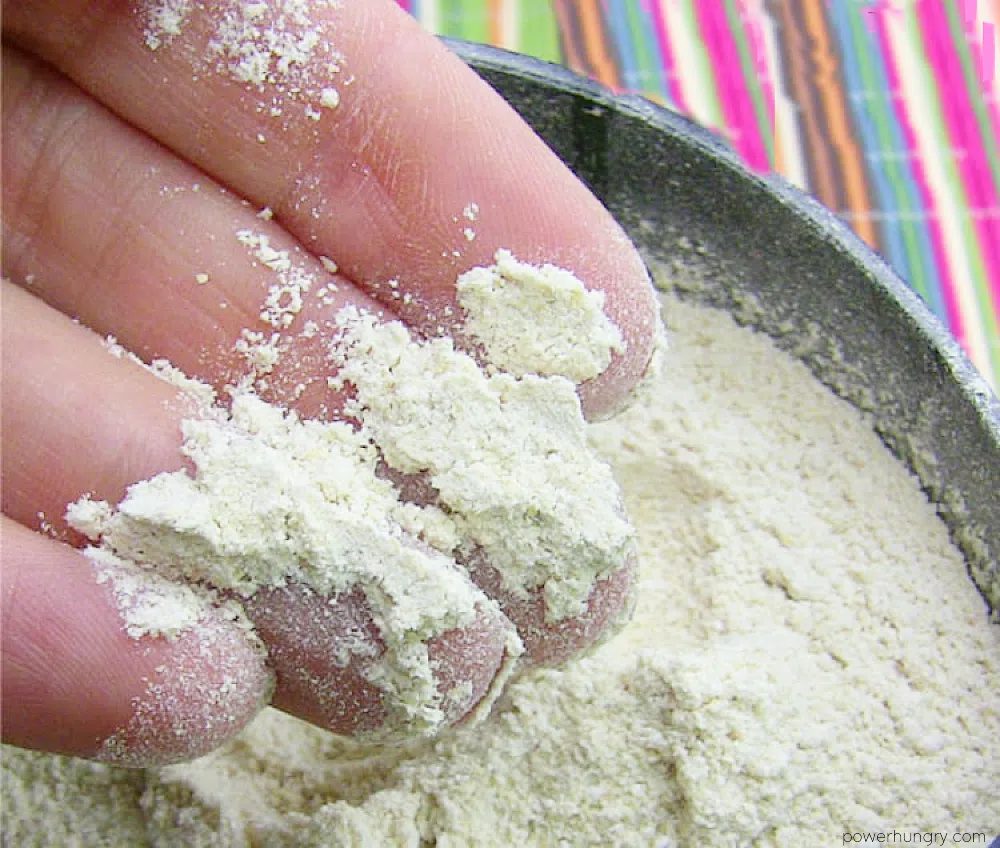
While quinoa flour is readily available in many health food stores, or by mail order, you can also make your own at home, using:
- a clean coffee or spice grinder
- a high-speed blender (such as a Vitamix or a BlendTec)
Making your own quinoa flour is a great way to experiment with without buying an entire package.
Step 1: Rinse & Drain the Quinoa
Rinse 2 cups of quinoa through a fine mesh sieve for at least 1 minute to remove any remaining saponins. Shake off as much water as possible.
Step 2: Toast the Quinoa
Spread the quinoa on an ungreased large rimmed baking sheet. Bake in a preheated 325F for 12 to 15 minutes until dry, slightly golden and fragrant. Cool completely.
Step 3: Grind the Quinoa
High Speed Blender:Place all of the toasted, cooled quinoa in the container of the high-speed blender. Process on high until very finely ground.
Coffee Mill/Grinder:Place 1/4 cup of quinoa seeds in the grinder (adding any more will overload the grinder and prevent the seeds from being ground to a fine consistency).
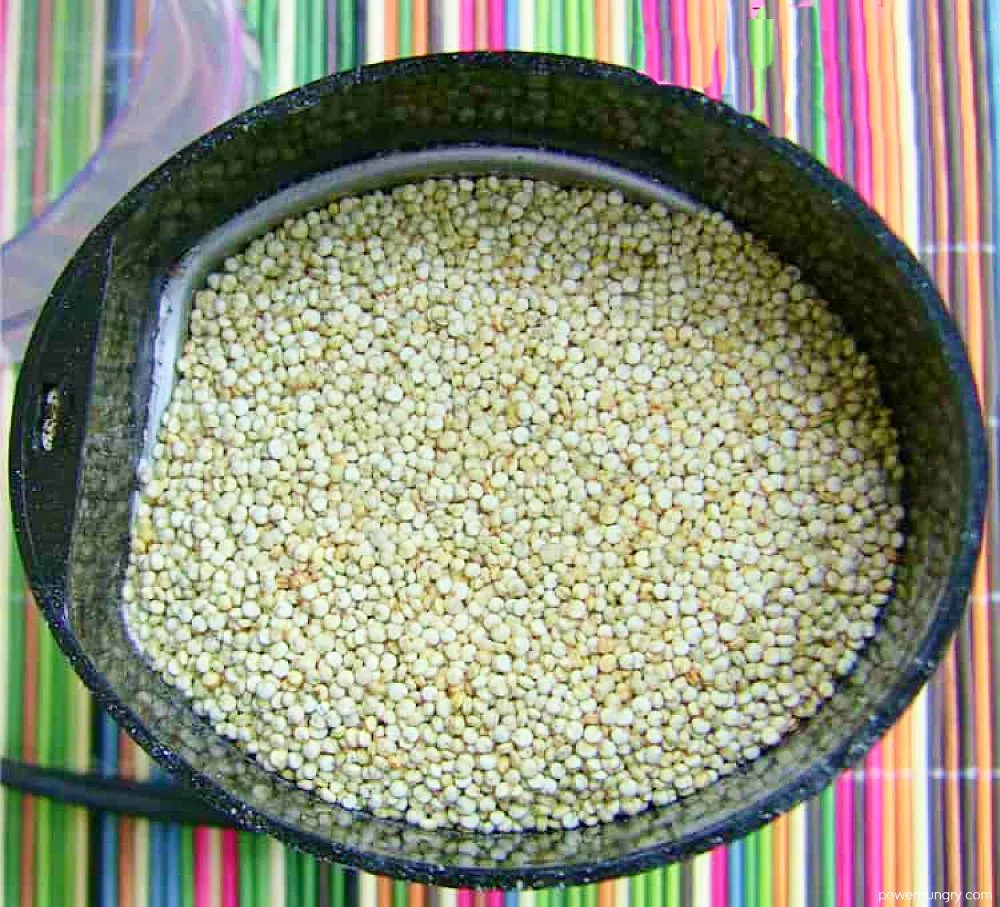
Using on/off pulses, process, shaking the grinder every few pulses to ensure an even grind, until the seeds are finely and evenly ground. Repeat with more seeds until you have the desired amount of flour.
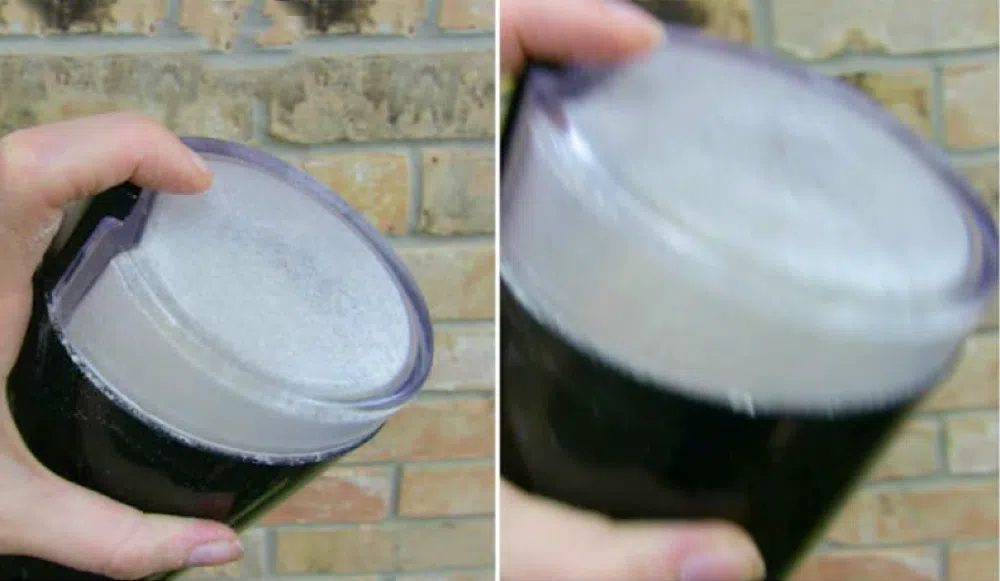
Note that 1/4 cup whole quinoa seeds yields about 1/3 cup of fine quinoa flour.
FAQ
Do I need to rinse my quinoa before grinding?
Yes. Virtually all quinoa that reaches consumers in North America and Europe has already had the saponin removed (this includes quinoa flour and quinoa flakes), but some traces of saponin typically remain due to processing.
Why Should I Toast the Quinoa Before Grinding It?
Toasting the quinoa gets rid of any remaining bitterness and lends a deepened nutty flavor that is wonderful in baked goods.
How Should I Store the Quinoa Flour?
Store quinoa flour in an airtight container of the refrigerator for up to 6 months, or freeze for up to 1 year.
Recipes Using Quinoa Flour
- Quinoa Flour Biscotti
- Double Quinoa Power Cookies
- Quinoa Soda Bread
- Quinoa Banana Bread
- Quinoa Flour Cheddar Scallion Drop Scones
DIY Quinoa Flour
- Prep Time: 5 minutes
- Total Time: 5 minutes
- Servings: 2 and 1/3 cups (376 g) flour
Ingredients
- 2 cups 376 grams uncooked quinoa grain
Method
- Rinse 2 cups of quinoa through a fine mesh sieve for at least 1 minute to remove any remaining saponins. Shake off as much water as possible.
- Spread on an ungreased large rimmed baking sheet . Bake at 350F (180C) for 12 to 15 minutes until dry, slightly golden and fragrant. Cool completely.
- Place 1/4 cup of quinoa seeds in the grinder (adding any more will overload the grinder and prevent the seeds from being ground to a fine consistency).
- Using on/off pulses, process, shaking the grinder every few pulses to ensure an even grind, until the seeds are finely and evenly ground. Repeat with more seeds until you have the desired amount of flour.
Notes
Tip: Toasting the quinoa gets rid of any remaining bitterness and lends a deepened nutty flavor that is wonderful in baked goods. Storage: Store quinoa flour in an airtight container of the refrigerator for up to 6 months, or freeze for up to 1 year. Do I need to rinse my quinoa before grinding? Yes. Virtually all quinoa that reaches consumers in North America and Europe has already had the saponin removed (this includes quinoa flour and quinoa flakes), but some traces of saponin typically remain due to processing.
DIY Quinoa Flour
- Prep Time: 5 minutes
- Total Time: 5 minutes
- Servings: 2 and 1/3 cups (376 g) flour
Ingredients
- 2 cups 376 grams uncooked quinoa grain
Method
- Rinse 2 cups of quinoa through a fine mesh sieve for at least 1 minute to remove any remaining saponins. Shake off as much water as possible.
- Spread on an ungreased large rimmed baking sheet . Bake at 350F (180C) for 12 to 15 minutes until dry, slightly golden and fragrant. Cool completely.
- Place 1/4 cup of quinoa seeds in the grinder (adding any more will overload the grinder and prevent the seeds from being ground to a fine consistency).
- Using on/off pulses, process, shaking the grinder every few pulses to ensure an even grind, until the seeds are finely and evenly ground. Repeat with more seeds until you have the desired amount of flour.
Notes
Tip: Toasting the quinoa gets rid of any remaining bitterness and lends a deepened nutty flavor that is wonderful in baked goods. Storage: Store quinoa flour in an airtight container of the refrigerator for up to 6 months, or freeze for up to 1 year. Do I need to rinse my quinoa before grinding? Yes. Virtually all quinoa that reaches consumers in North America and Europe has already had the saponin removed (this includes quinoa flour and quinoa flakes), but some traces of saponin typically remain due to processing.