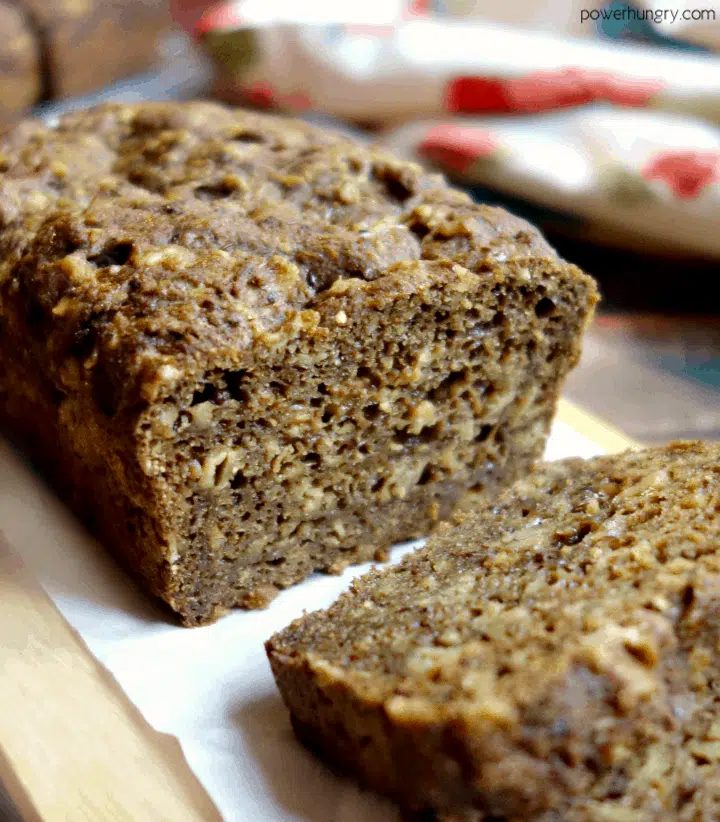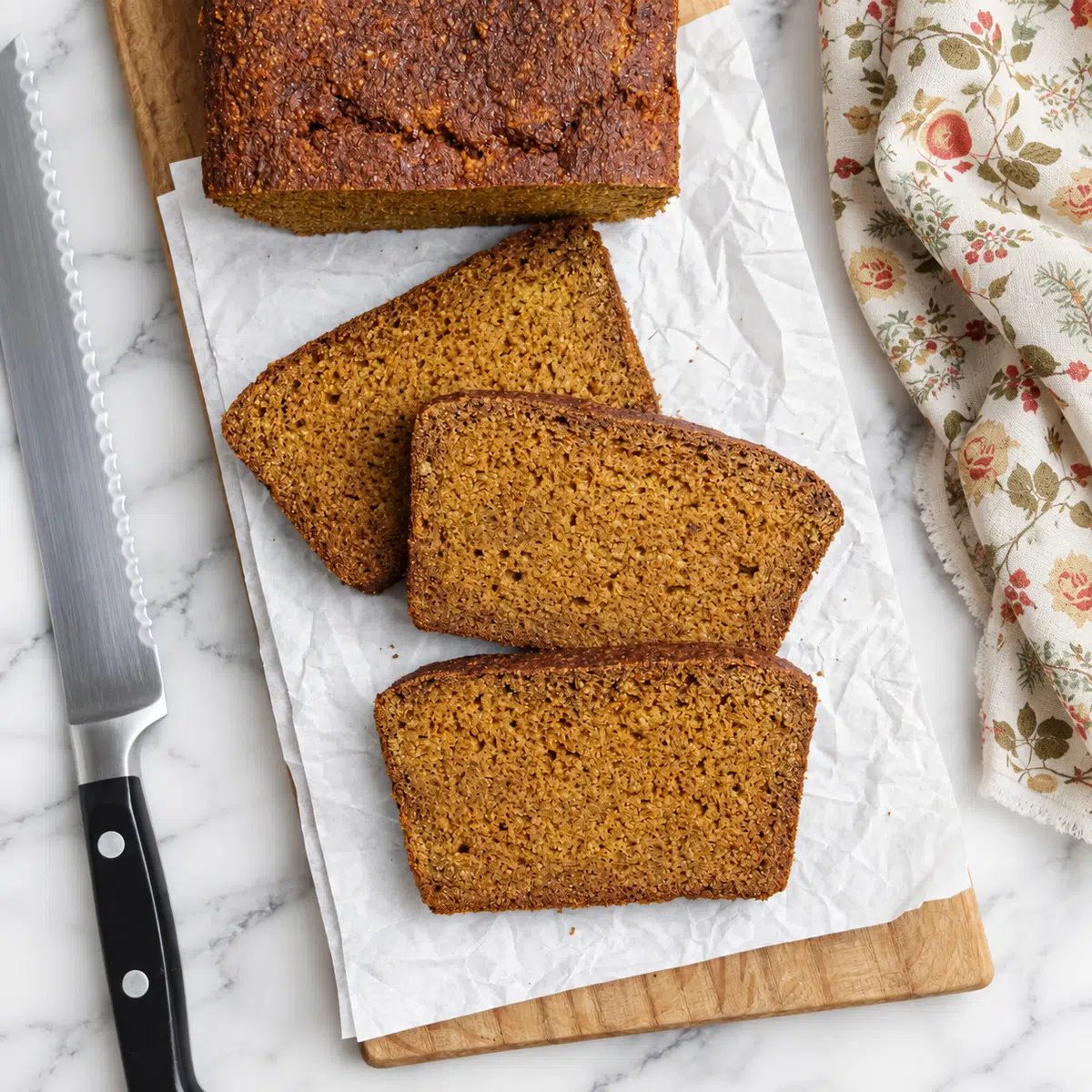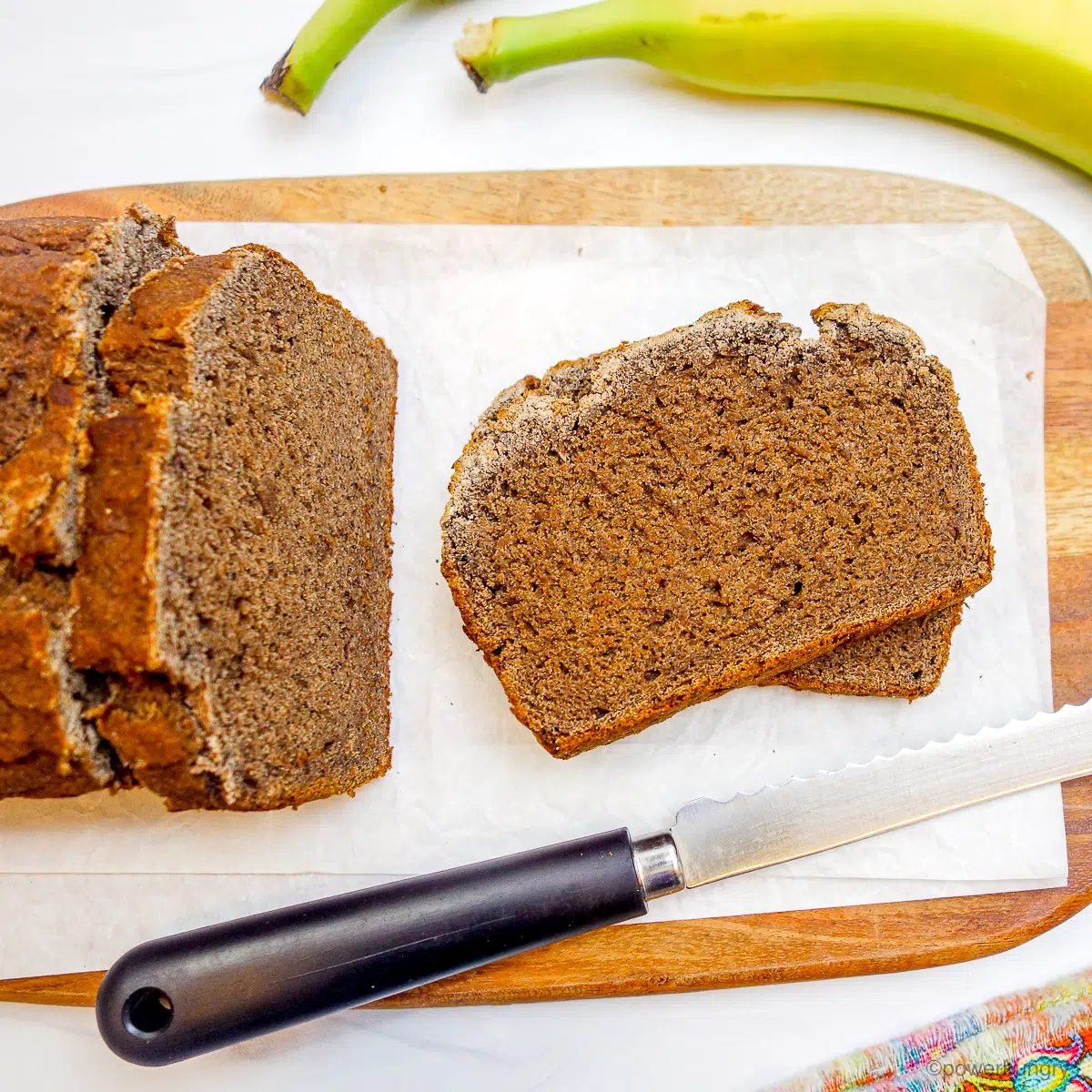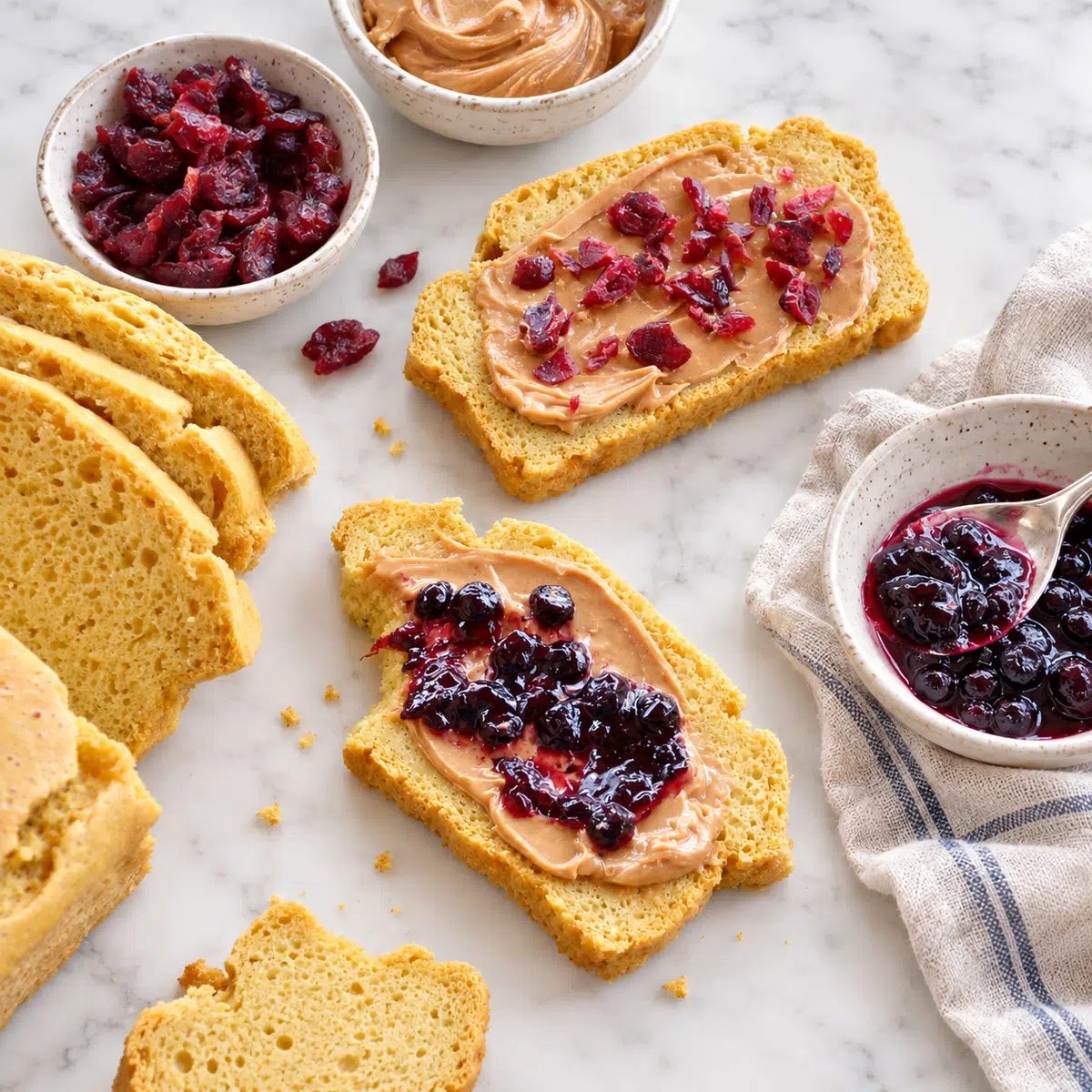
Straightforward chickpea flour bread made with five plain ingredients—plus optional salt. The tender, sliceable loaf is vegan, gluten-free, grain-free and yeast-free, with no eggs, gums or rising time required.
Introduction
Some kitchen-made breads demand a project plan. My chickpea flour bread asks for one bowl, a whisk and about five minutes of preparation.
I first shared this recipe in 2019, and it has become a dependable sandwich loaf for readers around the world. The formula remains wonderfully plain: chickpea flour forms the entire base, while baking soda and freshly opened sparkling water give the batter its lift. No yeast, eggs, xanthan gum, psyllium or flax egg is needed.
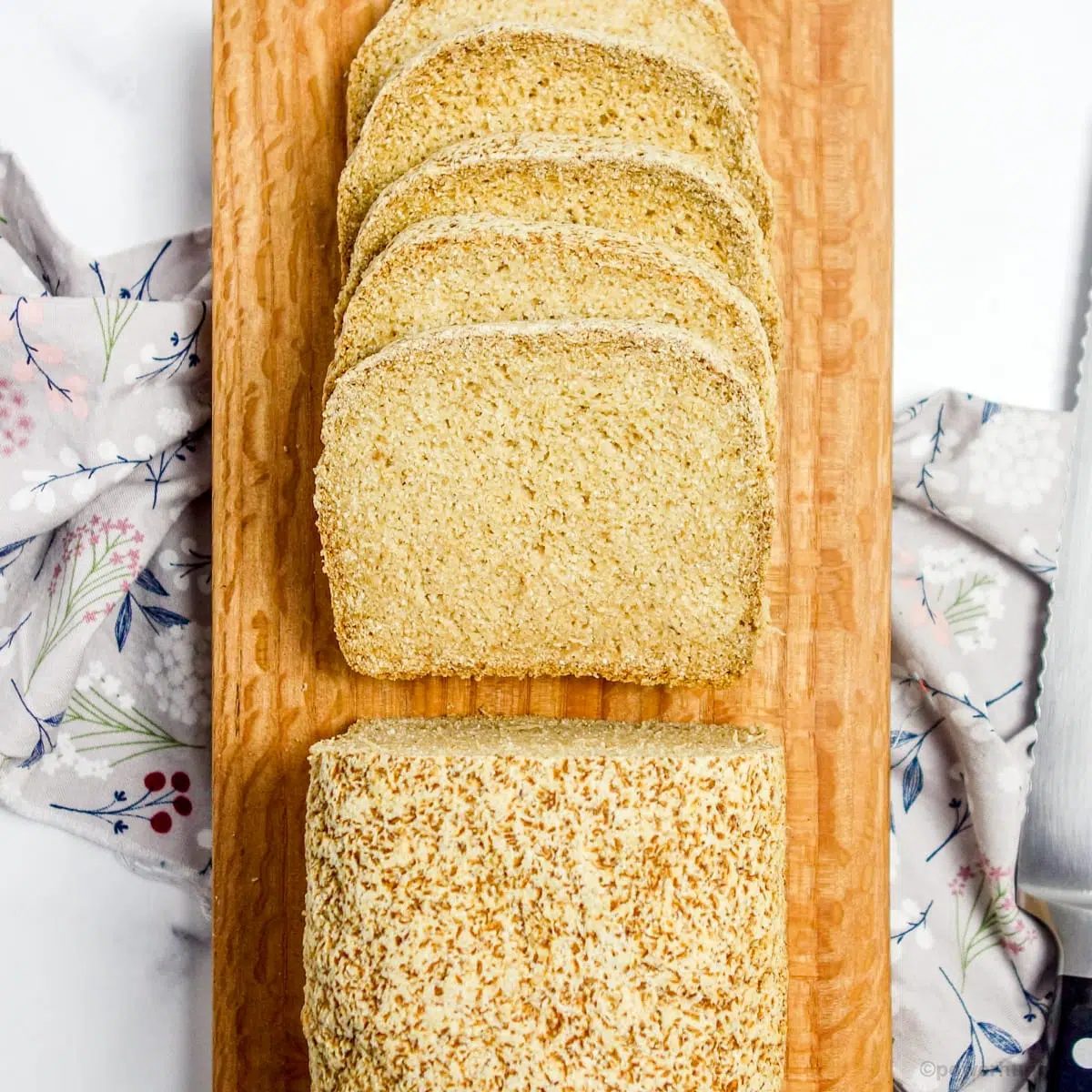
The result is a golden loaf with a tender crumb, a lightly nutty flavor and enough structure for sandwiches and toast. It is not trying to imitate fluffy white bread—the flavor of chickpea flour is pleasantly present—but it is remarkably light and versatile for a bread made from a single grain-free flour.
Reliable of all, there is no kneading, proofing or shaping. Mix the batter gently, pour it into the pan and bake. Minimal ingredients, minimal steps and minimal effort: exactly my kind of bread.
Why You’ll Love This Chickpea Flour Bread
- Made with 100% chickpea flour:No flour blend, added starch, flaxseed or psyllium husks is required.
- Five plain ingredients:The short formula uses pantry staples plus a can of sparkling water; salt is optional.
- Quick and yeast-free:The loaf goes from mixing bowl to oven immediately, with no kneading or rising time.
- Tender and sliceable:Once fully cooled, it cuts cleanly for sandwiches, toast and snacks.
- Allergy-friendly:It is naturally vegan, gluten-free, grain-free, nut-free and soy-free when prepared with ingredients appropriate for your needs.
- One-bowl preparation:The batter takes about five minutes to assemble.
- Freezer-friendly:Slice the cooled loaf before freezing so individual pieces are straightforward to remove.
Ingredients for Chickpea Flour Bread
The exact amounts of each ingredient are indicated in the recipe card at the end of the post.Toggle betweenUS Customary(volume) andMetric(weights) for preferred measurement option.
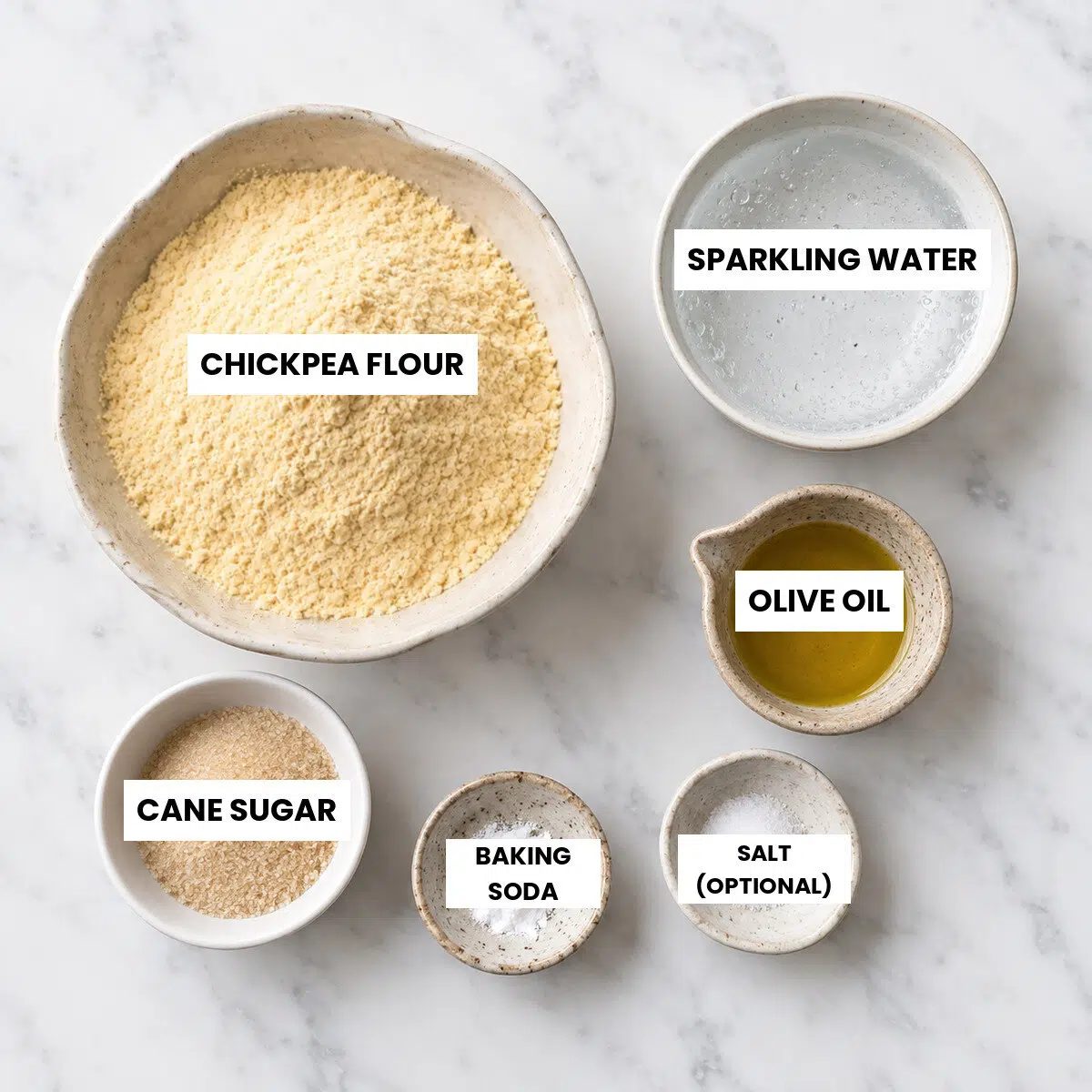
- Chickpea flour:The only flour in the loaf. Chickpea flour is naturally gluten-free and gives the bread its structure, lightly nutty flavor and golden color. Weighing it is the most reliable option. Chickpea flour sold as besan also works; see the substitution notes below.
- Cane sugar:A small amount balances the savory flavor of the chickpea flour and encourages browning. Other granulated or liquid sweeteners work, and the sweetener can also be omitted.
- Baking soda:Provides the leavening in combination with the carbonated water. Make sure it is fresh.
- Fine sea salt:Optional, but recommended for a balanced savory flavor.
- Unflavored seltzer, sparkling water or club soda:Carbonation gives the loaf much of its lift. Open a fresh can immediately before mixing for the strongest bubbles.
- Olive oil:Keeps the crumb tender. Another neutral or mild-flavored oil can be used in its place.
How to Make Chickpea Flour Bread
Note that the complete instructions are also in the recipe card below.
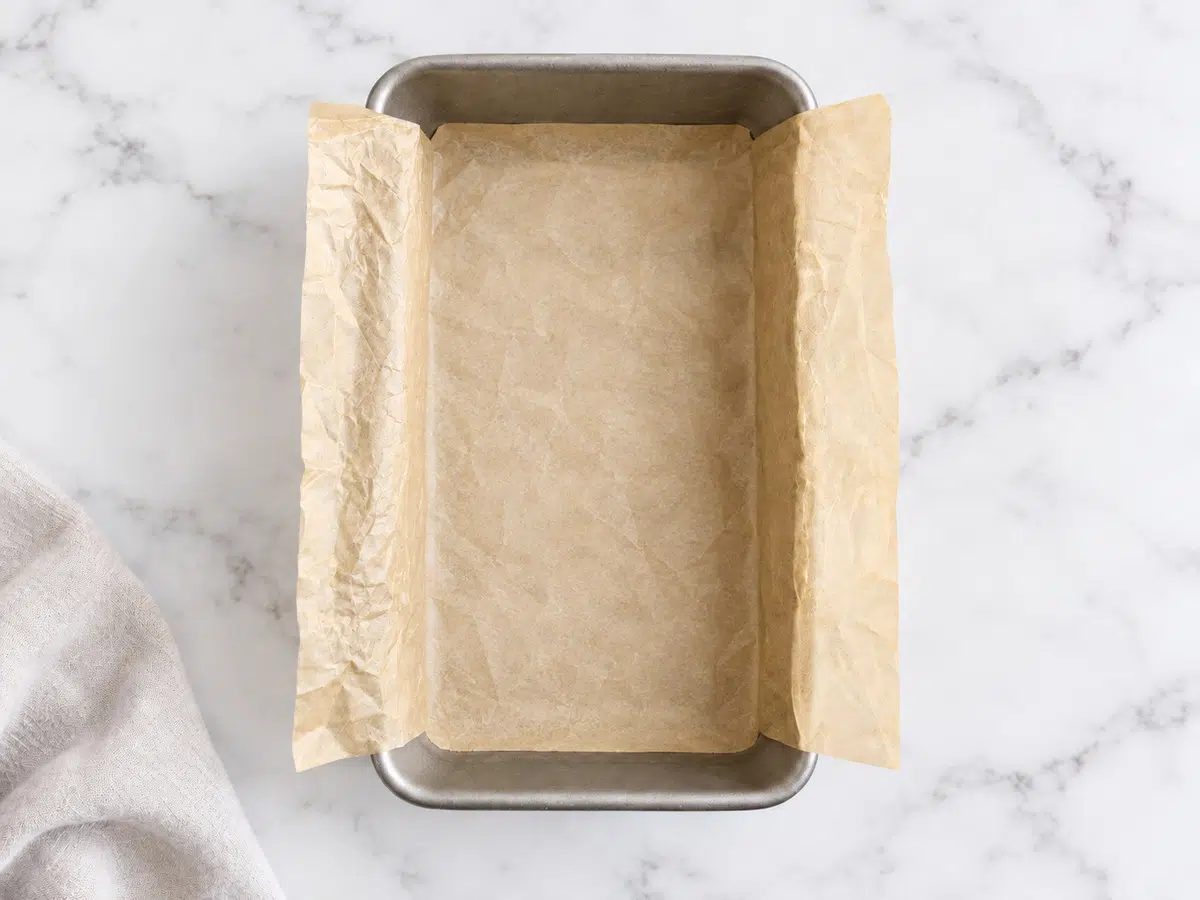
- Prepare the oven and pan.Preheat the oven to 375°F (190°C). Line a 9×5-inch (22.5×12.5 cm) loaf pan with parchment paper, leaving enough overhang to lift out the bread. Grease or spray the exposed sides.
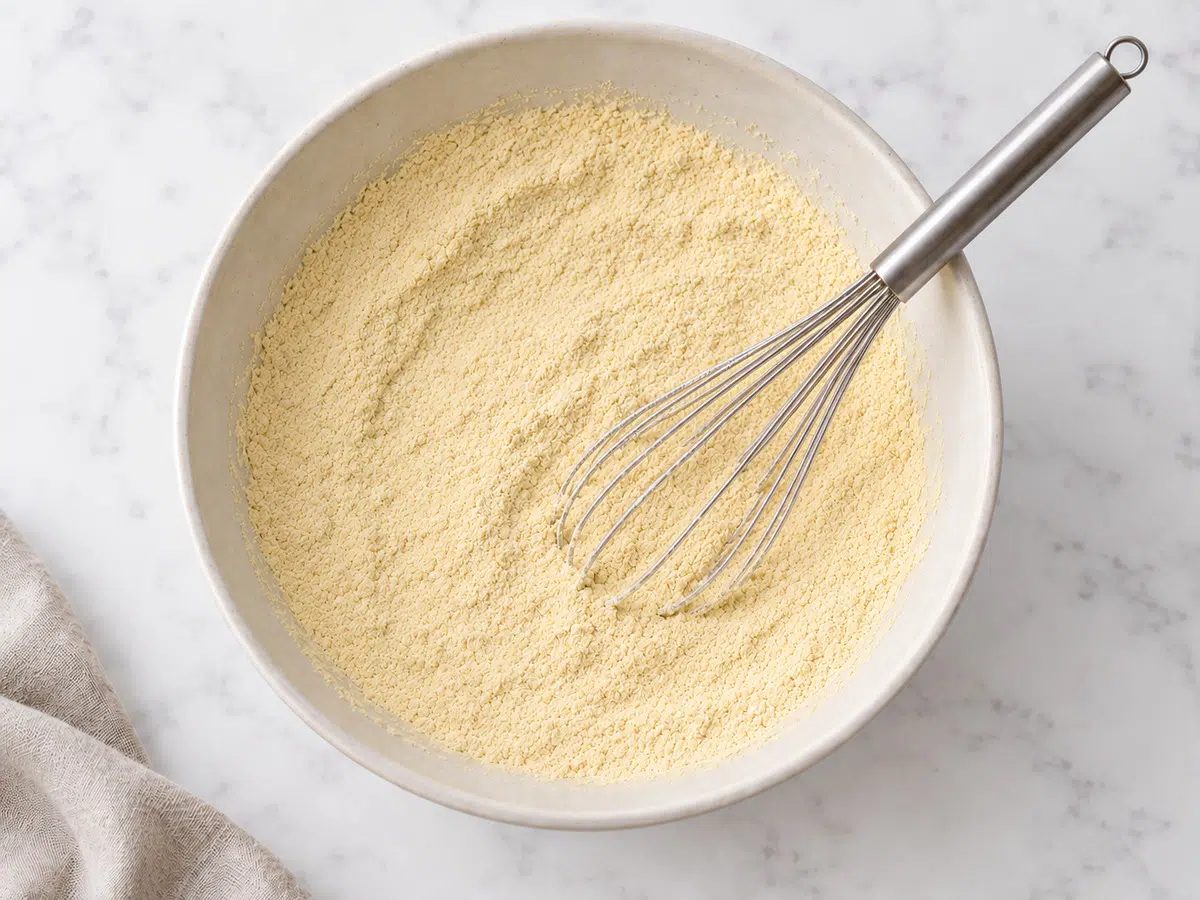
- Whisk the dry ingredients.In a large bowl, whisk the chickpea flour, sugar, baking soda and optional salt until evenly combined and free of visible lumps.
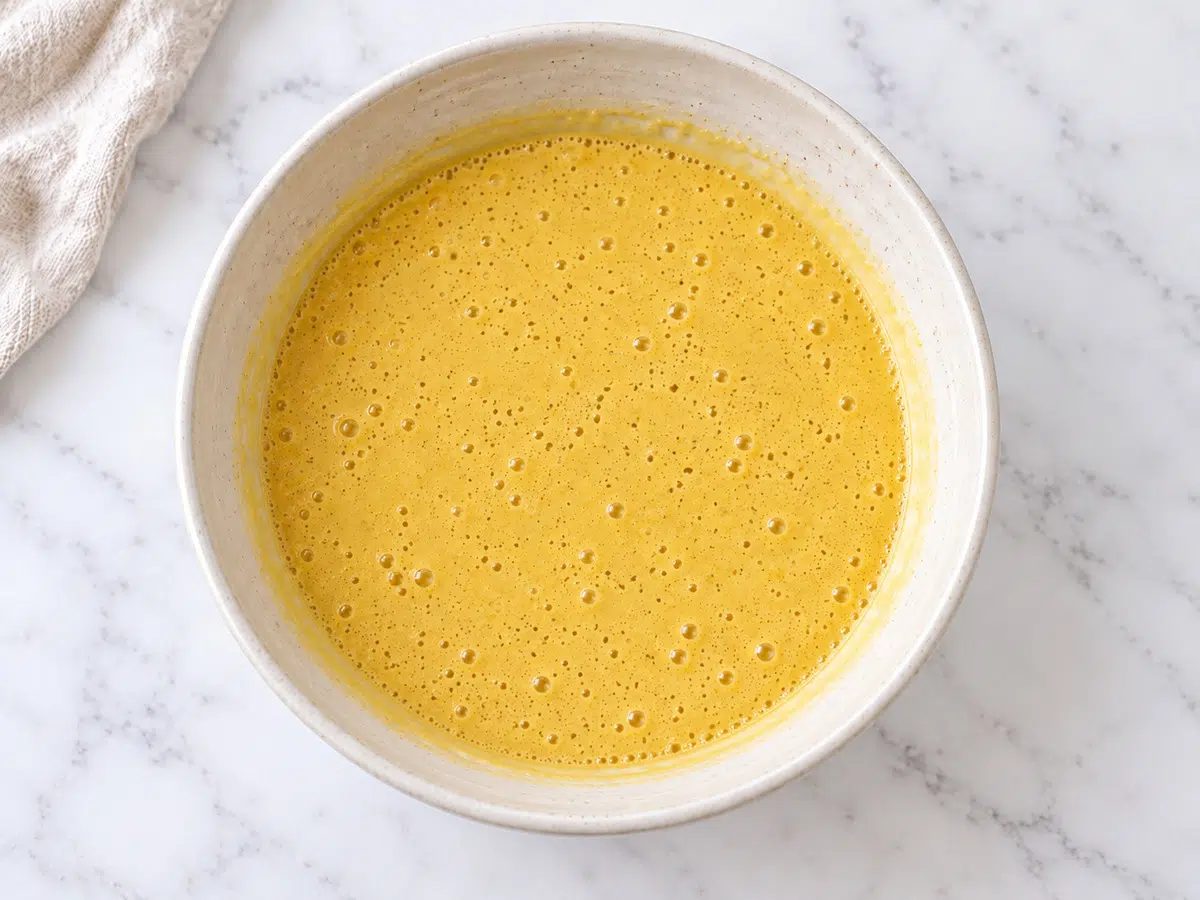
- Add the carbonated water.Slowly pour the freshly opened seltzer down the side of the bowl to limit foaming. Add the oil and stir gently just until the batter is combined. The mixture should be a thin-to-medium pourable batter, slightly thicker than crepe batter.
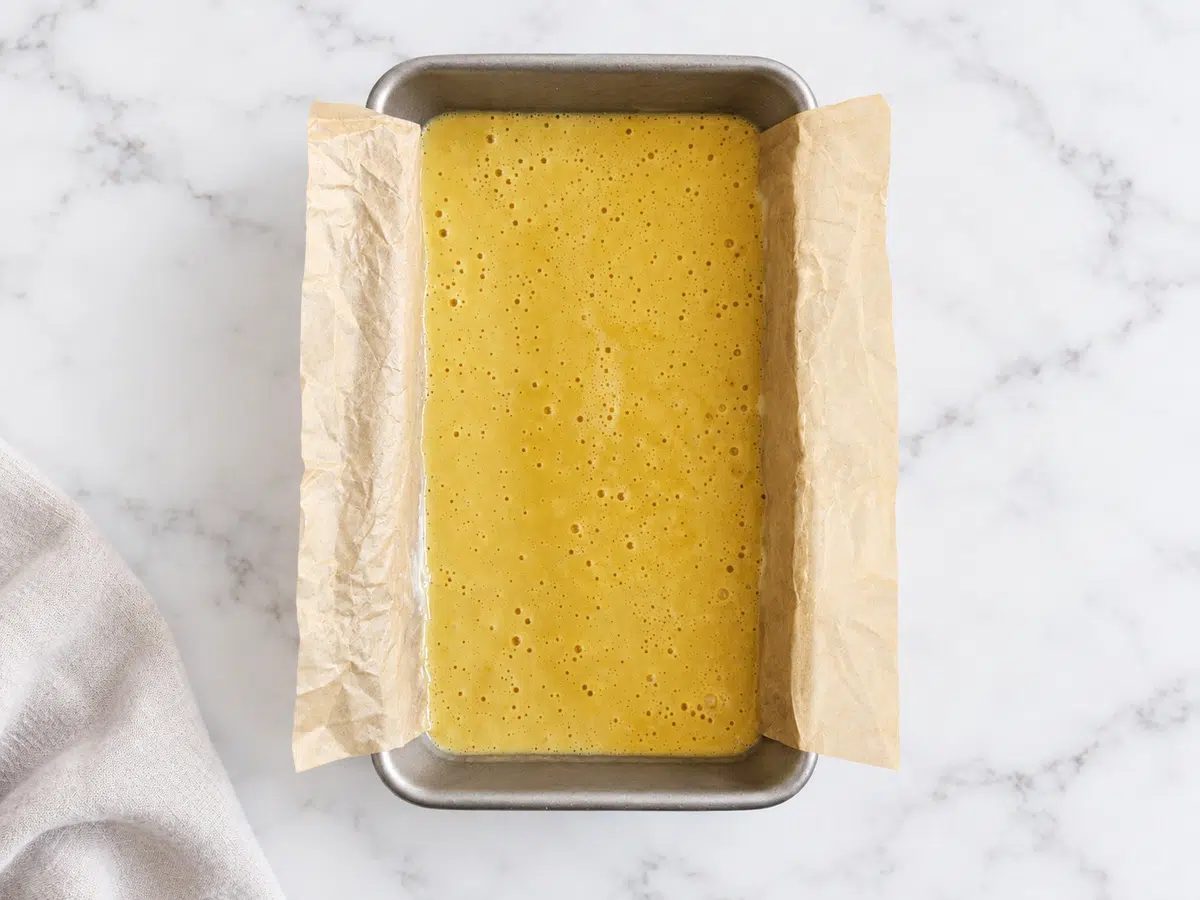
- Fill the pan promptly.Immediately pour the batter into the prepared loaf pan. Do not let it stand; the bubbles are needed for the bread’s rise.
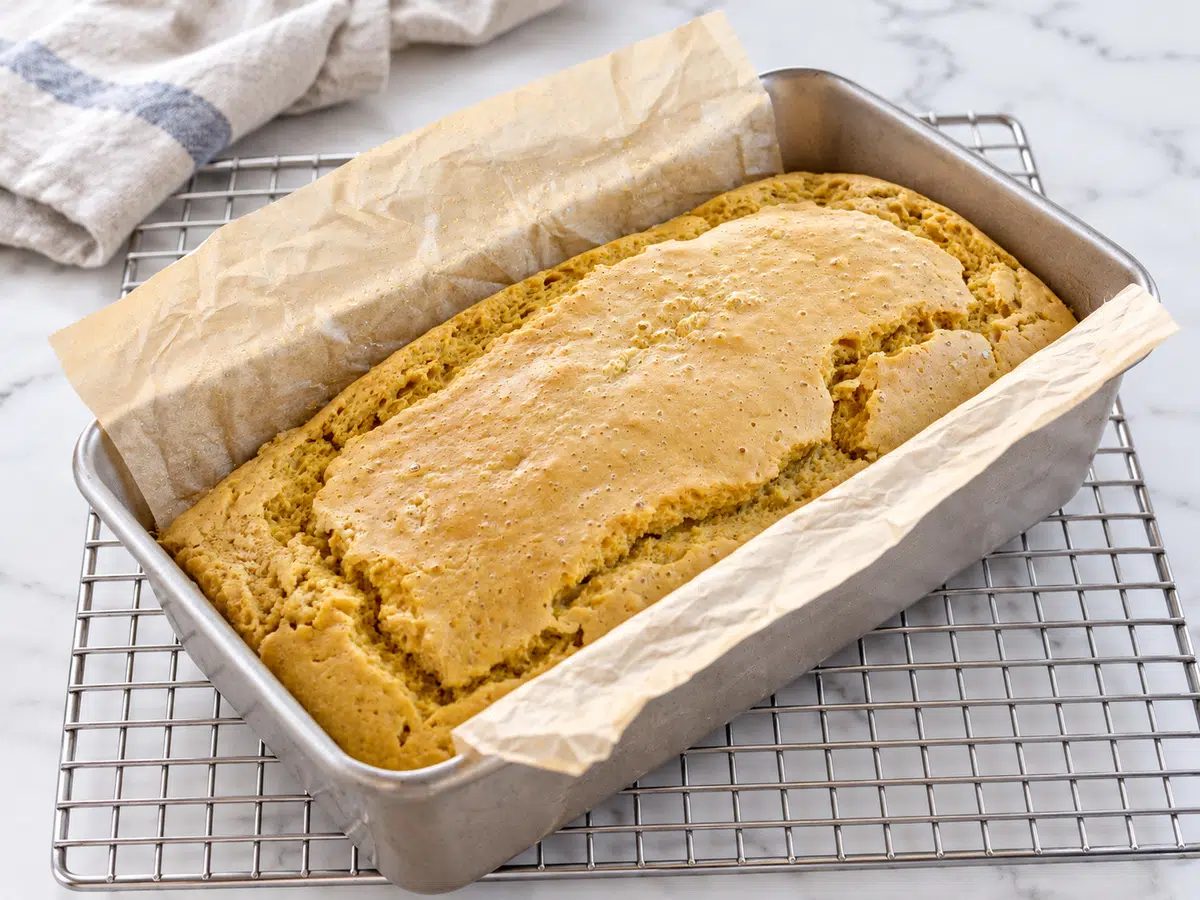
- Bake the loaf.Bake for 40 to 45 minutes in the preheated oven, until the bread is risen and golden brown and a skewer inserted near the center comes out clean.
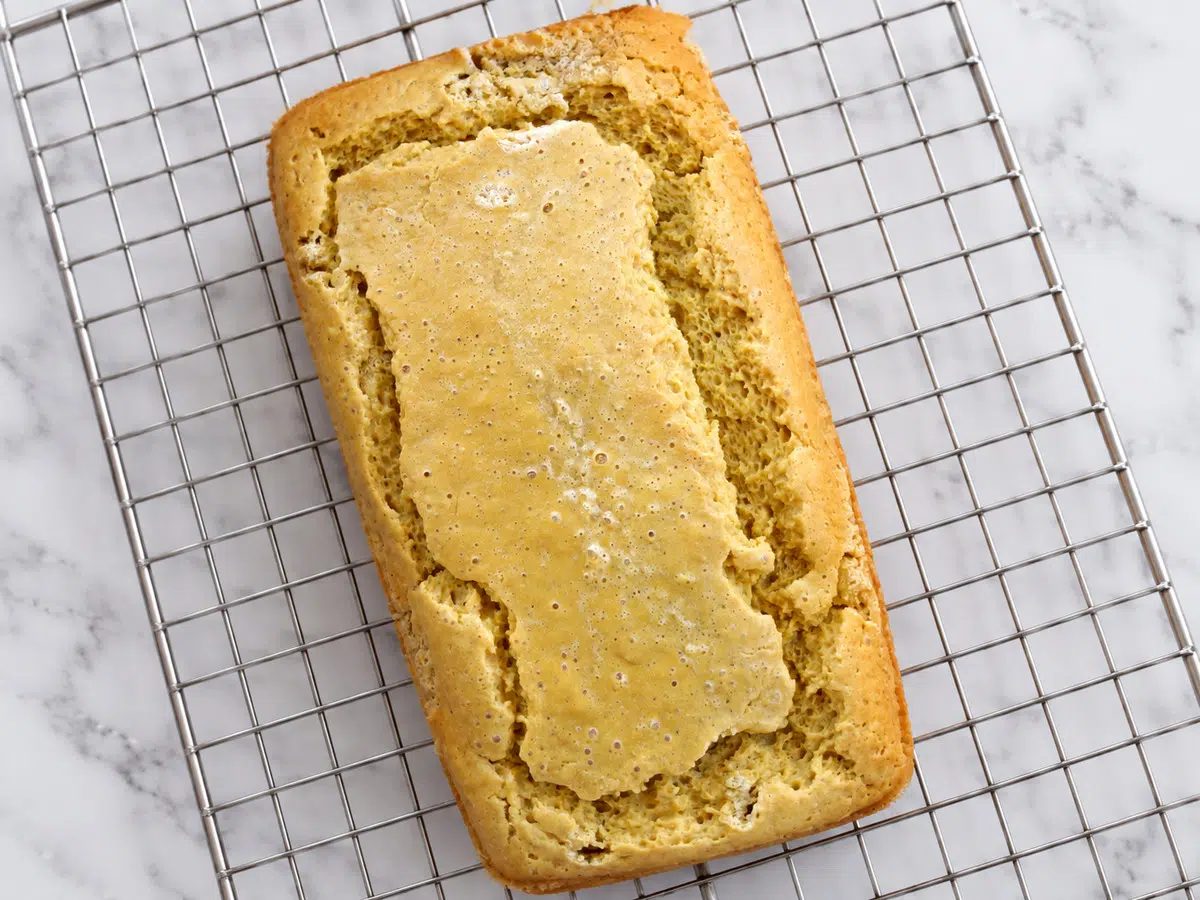
- Cool completely.Cool the bread in the pan on a wire rack for 15 minutes. Lift it from the pan and let it cool completely on the rack before slicing.
Taste and Texture
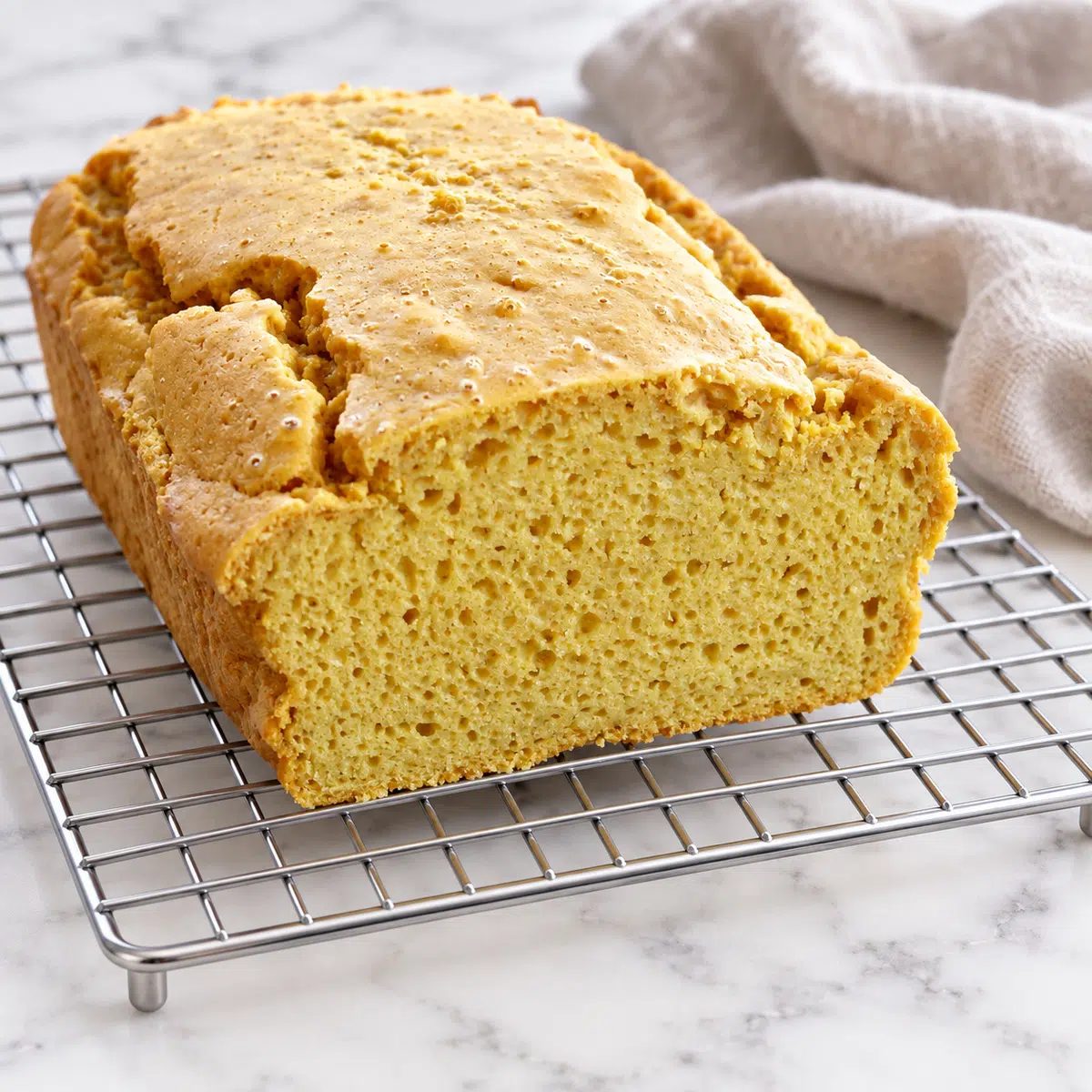
Chickpea flour gives the bread a savory, lightly nutty flavor and a warm golden color. The crumb is tender and lightly aerated, yet sturdy enough to hold sandwich fillings once the loaf is completely cool. Toasting makes the edges pleasantly crisp while keeping the center soft.
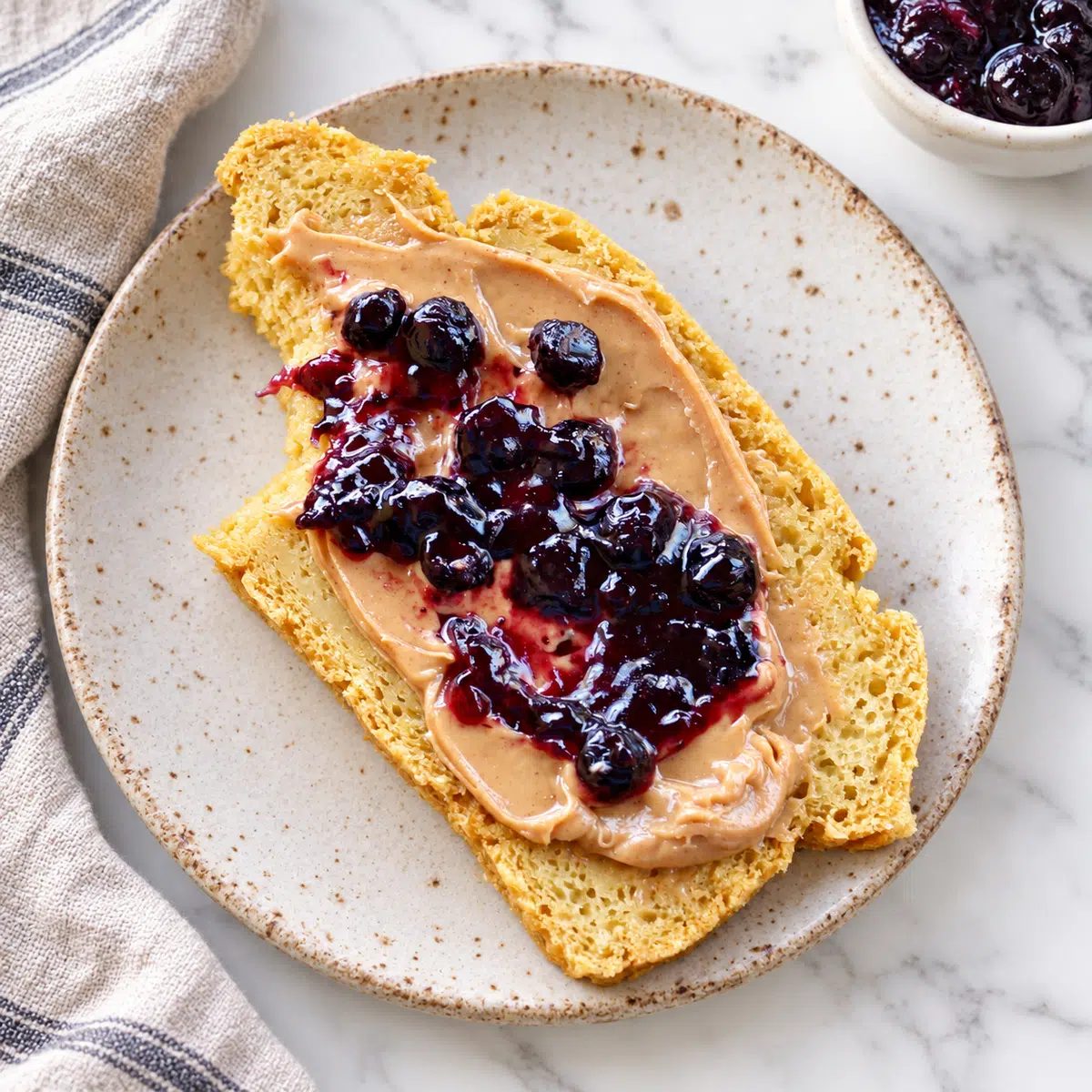
Because chickpea flour is the only flour, its distinctive flavor comes through. Savory spreads and fillings are especially good matches, although the bread also works with nut or seed butter, jam and other sweet toppings.
Serving Suggestions
- Build sandwiches with hummus, avocado, sliced tomatoes, greens or roasted vegetables.
- Toast slices and spread them with nut butter, seed butter or jam.
- Serve alongside soup, stew or salad.
- Top toasted slices with pesto, mashed avocado or vegan cheese.
- Cut the bread into cubes and toast them for grain-free croutons.
Storage
Let the bread cool completely before storing. Keep it in an airtight container at room temperature for up to 2 days or in the refrigerator for up to 1 week. For longer storage, wrap the loaf or individual slices tightly and freeze for up to 6 months. Slicing before freezing makes it straightforward to remove only what you need; thaw at room temperature or toast slices directly from frozen.
Flavor Variations
Herb Chickpea Flour BreadAdd finely chopped fresh herbs or a modest amount of dried herbs (e.g., Italian seasoning or herbs de Provence) to the dry ingredients. Rosemary, thyme, oregano and chives all complement the savory chickpea flavor, as well as a small amount of ground black pepper.
Seeded LoafStir small seeds, such as sesame seeds or poppy seeds, into the dry ingredients, or sprinkle them over the batter before baking. Avoid loading the batter with heavy additions, which can sink and interfere with the rise.
Garlic BreadAdd garlic powder to the dry ingredients for a plain savory variation. Finely chopped sun-dried tomatoes can also be added in a small amount; keep the pieces tiny so they remain suspended in the batter.
Cinnamon-Cranberry Breakfast BreadOne reader reported success adding cinnamon, dried cranberries and sunflower seeds. Keep the additions restrained so the loaf can still rise properly.
Tips for Success
Weigh the chickpea flourFor the most reliable texture, use the 300-gram measurement. If using measuring cups, lightly spoon the flour into each cup and level it with a knife. Scooping directly from the bag can compact the flour and produce a thick, dry batter.
Use freshly opened sparkling waterThe carbonation is essential to the loaf’s lift. A new 12-ounce can is ideal because it provides both the correct amount and strong carbonation.
Mix gently and work quicklyPour the sparkling water slowly down the side of the bowl, stir only until combined and transfer the batter to the pan immediately. Vigorous or prolonged mixing knocks out the bubbles that help the bread rise.
Check the batter consistencyThe mixture should be a thin-to-medium pourable batter, slightly thicker than crepe batter—not a scoopable dough. An unexpectedly thick batter usually means the flour was overmeasured.
Bake until the center is fully setThe loaf should be risen and golden, and a skewer inserted near the center should come out clean. An uncooked piece of spaghetti makes a handy long tester. Underbaking can leave the center damp and make the cooled bread fragile.
Cool before slicingWait until the loaf is completely cool before cutting it. The crumb continues to set as it cools, which is important for neat, sturdy sandwich slices.
Ingredient Substitutions
Chickpea flour or besanEither can be used in the same amount. Besan is commonly made from smaller, darker desi chickpeas, while many North American chickpea flours use lighter kabuli chickpeas. The flavor difference in this bread is minor. If you grind chickpea flour at home, sift it well to remove coarse pieces.
Sweetener optionsUse another granulated sweetener, such as coconut sugar or date sugar, in the same amount. An equal amount of maple syrup or another liquid sweetener can be added with the wet ingredients. The sweetener may also be omitted; the loaf will be a little less browned and the chickpea flavor will be more pronounced.
Oil optionsReplace the olive oil with an equal amount of another oil you enjoy, including avocado, safflower or melted coconut oil. For an oil-free option, the oil can be replaced with applesauce, unsweetened nondairy milk or water.
Baking powder for baking sodaIf you are sensitive to the flavor of baking soda, replace the 1 and 1/4 teaspoons baking soda with 3 and 3/4 teaspoons baking powder. Continue to use freshly opened sparkling water and follow the mixing method as written.
Other gluten-free floursDo not replace the chickpea flour with almond flour, oat flour, sorghum flour, millet flour or an all-purpose gluten-free blend. The formula depends on the particular binding and structural qualities of chickpea flour.
Frequently Asked Questions
Is chickpea flour bread gluten-free?Yes. The recipe contains no wheat or other grains and is naturally gluten-free. If cross-contact is a concern, check that the chickpea flour, baking soda and all other packaged ingredients are labeled or certified gluten-free as needed.
Does chickpea flour bread taste like chickpeas?Chickpea flour has a distinct savory, nutty flavor, and it is noticeable because it is the only flour in the recipe. The small amount of sweetener balances the flavor without making the loaf sweet. Toasting the bread and pairing it with flavorful spreads or sandwich fillings are especially satisfying options.
Why didn’t my chickpea flour bread rise?The most common causes are flat sparkling water, old baking soda, overmixing, letting the batter stand before baking or an oven that was not fully preheated. Use a freshly opened can, mix gently, pour the batter into the pan immediately and make sure the oven has reached 375°F (190°C).
Why is my batter too thick?Too much chickpea flour is usually the reason. Use 300 grams for the reliable accuracy, or lightly spoon the flour into measuring cups before leveling. The finished mixture should pour easily and be slightly thicker than crepe batter.
Can I use regular water instead of sparkling water?I recommend sparkling water for the tested recipe because its carbonation contributes to the loaf’s light texture and rise. Readers have reported success with regular water and altered leavening, but I have not tested a single dependable conversion to recommend in place of the original formula.
Can I leave out the sugar?Yes. The bread will still work without it. The sugar helps with browning and softens the naturally savory flavor of the chickpea flour, so an unsweetened loaf will be paler and more distinctly chickpea-flavored.
Can I make the bread in a bread machine?The recipe does not need kneading or proofing, and excessive mixing can deflate the carbonation. I recommend using a conventional oven. One reader reported success in a bread machine, but a bake-only or quick-bread setting would be the most appropriate approach if you choose to experiment.
Can I bake the batter as muffins or small loaves?Yes. Readers have reported success with deep muffin cups and smaller loaf pans. The baking time will be shorter than for a full 9×5-inch loaf, so begin checking early and bake until the centers are fully set.
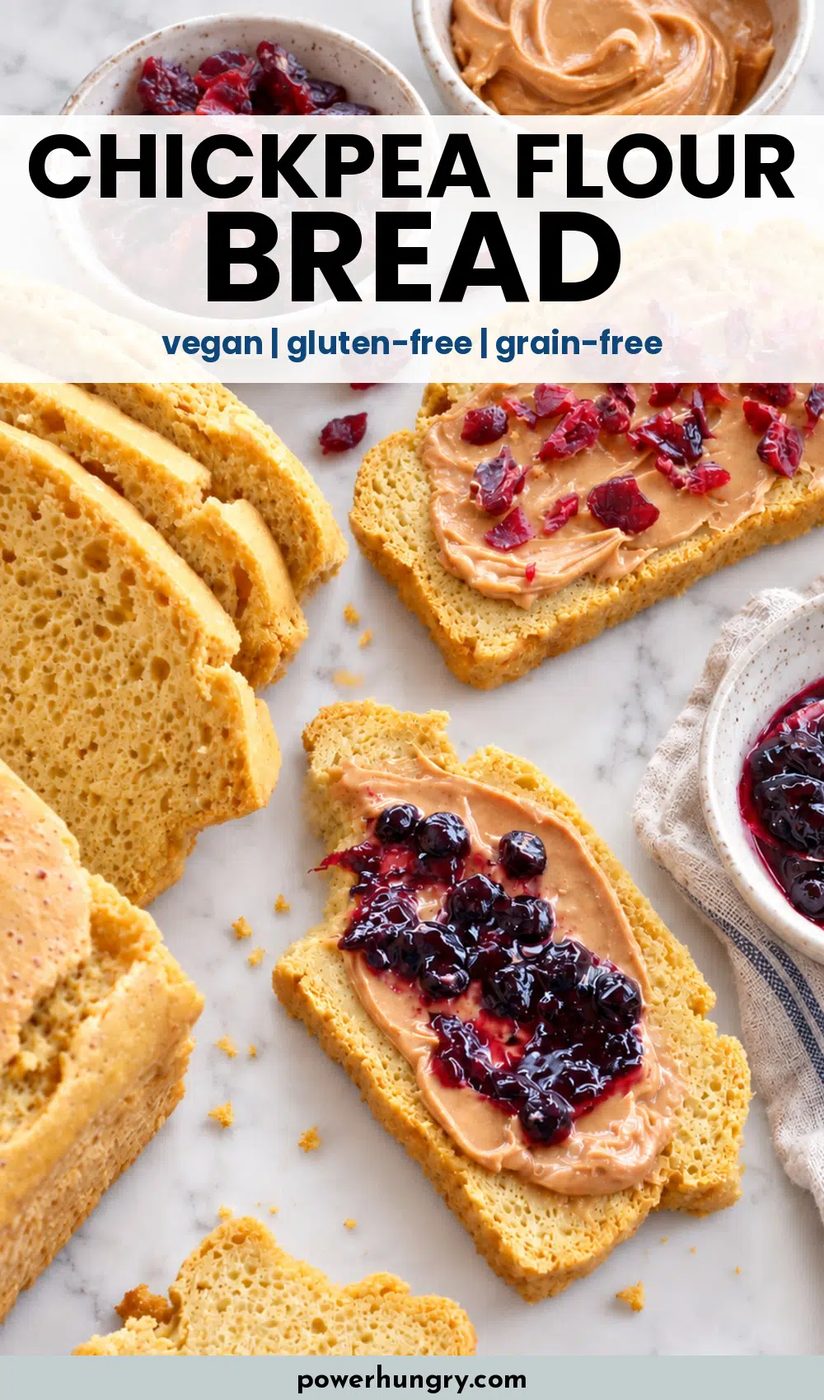
Chickpea Flour Sandwich Bread
- Prep Time: 5 minutes
- Cook Time: 45 minutes
- Total Time: 50 minutes
- Servings: 12 slices (from 1 loaf)
Ingredients
- 2 1/2 cups chickpea flour (300 g)
- 1 1/2 tablespoons cane sugar or sugar/sweetener of choice
- 1 1/4 teaspoons baking soda
- 1/4 teaspoon fine sea salt optional
- 1 12-ounce/355 mL can unflavored seltzer, sparkling water or club soda, freshly opened
- 2 tablespoons olive oil or oil of choice
Method
- Prepare the oven and pan. Preheat the oven to 375°F (190°C). Line a 9×5-inch (22.5×12.5 cm) loaf pan with parchment paper ; grease or spray the exposed sides.
- Combine the dry ingredients. In a large bowl , whisk the chickpea flour , sugar, baking soda and salt until evenly combined.
- Add the wet ingredients. Slowly pour the seltzer down the side of the bowl to minimize foaming. Add the olive oil and stir gently just until combined.
- Fill the pan. Immediately pour the batter into the prepared pan.
- Bake the bread. Bake for 40 to 45 minutes, until the loaf is risen and golden brown and a skewer inserted near the center comes out clean.
- Cool completely. Cool in the pan on a wire rack for 15 minutes. Remove the loaf from the pan and cool completely on the rack before slicing.
Notes
Storage: Store the completely cooled bread in an airtight container at room temperature for up to 2 days or in the refrigerator for up to 1 week. Wrap tightly and freeze for up to 6 months. Sweetener: Use another granulated sweetener in the same amount, or use an equal amount of a liquid sweetener and add it with the wet ingredients. The sweetener can also be omitted. Baking powder option: Replace the baking soda with 3 and 3/4 teaspoons baking powder if preferred. Measuring the flour: For reliable results, weigh 300 grams. If using cups, lightly spoon in the flour and level it; do not scoop or pack it. Doneness: An uncooked piece of spaghetti can be used as a long tester in place of a skewer.