
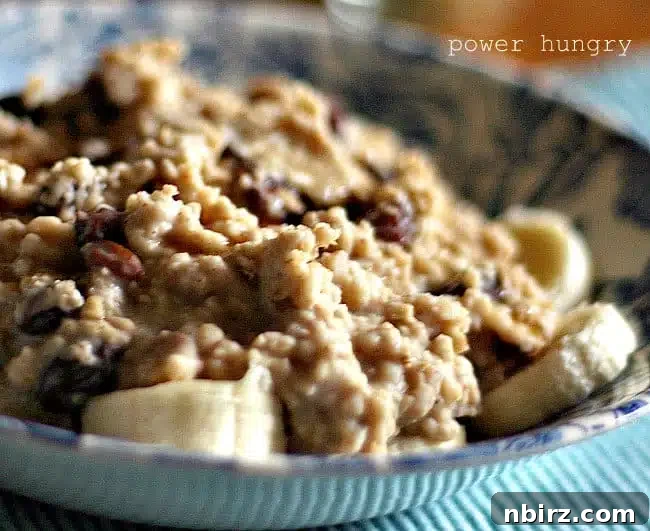
Discover Buckwheat: The Versatile Gluten-Free Superfood and Its Delicious Porridge
Often mistaken for a grain, buckwheat is, in fact, a fascinating pseudo-cereal, closely related to rhubarb and sorrel. Its hulled kernels, known as groats, offer a remarkable nutritional profile and a delightful versatility that makes them a staple for healthy eating worldwide. Buckwheat is inherently gluten-free, making it an excellent and safe choice for individuals managing celiac disease, gluten sensitivities, or those simply looking to diversify their gluten-free diet with nutrient-dense options. Unlike traditional grains, buckwheat brings unique benefits and a distinctive earthy flavor to your culinary creations, proving that healthy eating doesn’t have to compromise on taste or texture.
While commonly sold in its plain, raw form, buckwheat groats are also available toasted, a variety famously known as kasha. Kasha is a cornerstone of Eastern European cuisine, prized for its robust, nutty flavor and quicker cooking time. However, for many recipes, especially those aiming for a milder taste or a specific texture, plain buckwheat groats are often preferred. Their charming pyramid-like shape is quite distinctive, promising a unique culinary adventure before they even hit the pan. It’s a small ingredient with a mighty presence, ready to be transformed into something truly delicious.
Indeed, these petite kernels are almost too beautiful to cook, yet cooking them unlocks their full, delicious potential. Buckwheat’s adaptability allows it to seamlessly integrate into nearly any recipe calling for whole grains. Imagine enhancing your favorite salads, like a vibrant tabbouleh, by substituting bulgur with buckwheat for a gluten-free twist and an added layer of texture. It shines in hearty pilafs, adds satisfying substance to comforting soups and stews, and brings a unique chewiness to stir-fries. Moreover, finely ground buckwheat transforms into a versatile, fuss-free, and naturally gluten-free flour, perfect for baking everything from wholesome pancakes and rustic breads to delectable cakes, such as the delightful One-Bowl Banana Buckwheat Cake. Its gentle, earthy, and slightly nutty flavor profile makes it a fantastic ingredient for both sweet and savory dishes, proving its worth far beyond a simple breakfast cereal.
The Nutritional Powerhouse: Why Buckwheat Deserves a Spot in Your Pantry
Beyond its culinary appeal, buckwheat is a nutritional marvel that deserves a prominent place in any healthy diet. It’s an exceptional source of plant-based protein, providing all nine essential amino acids, making it a complete protein – a rarity among plant foods. This makes it particularly valuable for vegetarians, vegans, and anyone seeking to boost their protein intake naturally, supporting muscle health and overall body function.
Buckwheat is also loaded with dietary fiber, which is crucial for digestive health, promoting regularity, and contributing to a feeling of fullness, which can significantly aid in weight management by reducing overall calorie intake. Its high fiber content, combined with complex carbohydrates, gives it a remarkably low glycemic index. This means it releases glucose into the bloodstream slowly and steadily, preventing sharp blood sugar spikes. This makes buckwheat a particularly smart food choice for individuals with diabetes, those at risk of developing type 2 diabetes, or anyone looking to maintain stable energy levels throughout the day without the sudden crashes associated with high-glycemic foods.
Furthermore, buckwheat is a treasure trove of essential minerals and powerful antioxidants. It’s especially rich in magnesium, a mineral vital for over 300 enzymatic reactions in the body, including nerve and muscle function, blood glucose control, and blood pressure regulation. It also provides a significant amount of manganese, an important antioxidant that plays a role in bone development and metabolism. Additionally, buckwheat contains good amounts of copper, zinc, iron, and selenium. Rutin, a potent antioxidant found abundantly in buckwheat, is well-regarded for its anti-inflammatory properties and its ability to support cardiovascular health by strengthening capillary walls and improving circulation. Incorporating buckwheat into your daily diet is a simple yet profoundly effective way to nourish your body with a broad spectrum of vital nutrients and protective compounds, contributing to long-term health and well-being.
Beyond the Basics: Mastering Buckwheat Cooking
Cooking basic buckwheat groats is wonderfully straightforward, laying the foundation for countless recipes, both simple and sophisticated. To prepare a perfect batch of plain buckwheat groats, you’ll typically use a ratio of one part whole groats to two parts boiling water or broth, seasoned lightly with a pinch of fine sea salt to enhance its natural flavors. The cooking process often begins with a crucial step: lightly toasting the buckwheat in an oiled pot over medium-high heat. This dry-toasting, which only takes a few minutes, significantly deepens its nutty flavor and imparts a richer, more complex aroma. You’ll notice the groats transforming, turning a darker, more golden brown, indicating they are ready for the next step.
Once toasted to perfection, carefully add the simmering water or broth and the salt to the pot. Bring the mixture to a rapid boil, then immediately reduce the heat to low. Cover the pot tightly and let it simmer gently for approximately 20-25 minutes. During this time, the groats will absorb the liquid, softening and expanding. The goal is for the liquid to be fully absorbed and the groats to become tender, yet still possess a pleasant, slight chewiness – avoiding a mushy texture. This simple method consistently yields perfectly cooked buckwheat, ready to be enjoyed as a wholesome side dish, a nutritious base for vibrant grain salads, or as the versatile starting point for a myriad of more elaborate culinary preparations. Its ease of preparation makes it an accessible ingredient for even novice cooks.
Your New Favorite Morning Ritual: Warm Fruit & Cinnamon Buckwheat Porridge
If you’re seeking a delightful and nourishing way to kickstart your day, look no further than a comforting bowl of warm Fruit & Cinnamon Buckwheat Porridge. For those who already appreciate the comforting embrace of a wholesome breakfast porridge, this buckwheat option will quickly become a beloved staple, offering a unique texture and flavor profile. Buckwheat’s deep, earthy flavor harmonizes beautifully with classic warm spices like cinnamon, nutmeg, and ginger, creating a truly inviting aroma. When simmered gently in your choice of milk, the grains transform into a mellow, creamy bliss that is utterly satisfying, especially on those brisk mornings when your hunger pangs are particularly insistent and you crave something substantial and warming.
This porridge isn’t just delicious; it’s also incredibly restorative and energy-sustaining. It has rapidly become one of my go-to post-workout breakfasts, providing both sustained energy and crucial nutrients to aid muscle recovery and replenishment. The complex carbohydrates in buckwheat offer a steady, gradual release of energy, preventing the energy dips often experienced with simpler breakfasts. Simultaneously, its impressive plant-based protein content helps repair and build muscle tissue, making it an ideal fuel for active individuals. It’s the perfect, wholesome meal to get you through the rest of your day feeling energized, focused, and deeply content, far from the “chewing the steering wheel” level of hunger that can strike after an intense exercise session. The natural sweetness from the fruit combined with the warmth of cinnamon creates a truly indulgent yet healthy start.
Make-Ahead Magic: Enjoying Buckwheat Porridge Anytime
One of the only potential drawbacks for enjoying a wholesome buckwheat porridge breakfast every day might seem to be the cooking time, which typically hovers around 30 minutes. However, a brilliant and highly practical solution exists: unlike many oat-based porridges, buckwheat porridge excels as a make-ahead meal, retaining its delicious texture and flavor even after refrigeration. To take advantage of this convenience, simply prepare a larger batch the night before or over the weekend when you have more time.
Once cooked, allow the porridge to cool completely to room temperature before transferring it to an airtight container. Store this in your refrigerator, where it will keep beautifully for up to 2 days. In the morning, when time is often at a premium, simply reheat a portion in the microwave for a minute or two, or gently warm it in a saucepan on the stovetop. Adding a splash of extra milk or water during reheating will help restore its creamy consistency and prevent it from becoming too thick. This make-ahead capability transforms a nutritious, warm breakfast into an accessible reality even on the busiest weekdays.
For those who need a truly grab-and-go breakfast, portion the cooked and cooled porridge into individual lidded jars. You can easily warm it up at the office or enjoy it chilled, perhaps adding fresh toppings right before serving. This clever preparation method ensures you always have a healthy, satisfying meal ready when hunger strikes. Prepare to savor your wholesome, delicious buckwheat porridge with a quiet satisfaction, knowing you’ve started your day right, efficiently and deliciously.
Buckwheat Porridge Recipe

By: Camilla
The grated apple and raisins add both natural sweetness and extra fiber to this comforting, make-ahead friendly buckwheat cereal.
- Prep Time: 5 minutes
- Cook Time: 35 minutes
- Total Time: 40 minutes
- Servings: 3
Ingredients
- 1 cup buckwheat groats, rinsed
- 2-1/2 cups nondairy or dairy milk of choice
- 1 teaspoon ground cinnamon
- 1/8 teaspoon fine sea salt
- 1 large tart-sweet apple, peeled and grated
- 1/4 cup raisins or dried cranberries
- Optional: extra fruit (e.g., sliced bananas, diced apples), maple syrup and extra milk for serving
Instructions
- In a large saucepan, combine the rinsed buckwheat groats, your choice of dairy or nondairy milk, ground cinnamon, and fine sea salt. Stir well to combine all ingredients.
- Place the saucepan over medium-high heat and bring the mixture to a gentle boil, stirring occasionally to prevent the groats from sticking to the bottom of the pan.
- Once boiling, immediately reduce the heat to low. Cover the saucepan tightly with a lid and simmer gently. Continue cooking, stirring occasionally, for approximately 10 to 20 minutes, or until the buckwheat groats are soft, tender, and most of the liquid has been absorbed. The exact cooking time may vary slightly depending on your stove and saucepan.
- Carefully stir in the peeled and grated tart-sweet apple along with your chosen dried fruits, either raisins or dried cranberries. Cook for an additional 5 minutes, stirring once or twice, allowing the fruits to soften further and their natural sweetness to infuse into the porridge.
- Serve the warm buckwheat porridge immediately. For an elevated experience, customize your bowl with optional toppings such as extra fresh fruit (sliced bananas or diced apples work wonderfully), a drizzle of maple syrup for added natural sweetness, and/or a splash of extra milk for a creamier consistency, if desired.
- If Making Ahead: Should you wish to prepare this delicious porridge in advance, allow the cooked batch to cool completely to room temperature. Once cooled, transfer it to an airtight container and store it in the refrigerator for up to 2 days. To reheat, simply warm individual portions in a saucepan on the stovetop over low heat or in the microwave, adding approximately 1 tablespoon of water or milk per serving to restore moisture and achieve your preferred texture.
Nutrition Facts (Per serving)
- Serving Size: 1-1/3 cups
- Calories: 298 kcal
- Carbohydrates: 63g
- Protein: 9g
- Fat: 4g
- Fiber: 6.2g
Elevate Your Buckwheat Experience
This Fruit & Cinnamon Buckwheat Porridge is merely the beginning of your exciting culinary journey with this incredible ingredient. Feel empowered to experiment with different spice combinations; a pinch of ground cardamom or a touch of allspice could introduce an exotic twist. Vary the dried fruits by incorporating finely chopped dried apricots, figs, or even blueberries for different flavor profiles and textures. For an extra boost of nutrition and a pleasant textural contrast, consider stirring in a spoonful of chia seeds or flax seeds during the last few minutes of cooking, allowing them to plump up and thicken the porridge. Alternatively, sprinkle some crunchy chopped nuts or seeds like walnuts, pecans, pumpkin seeds, or sunflower seeds on top just before serving.
Buckwheat truly is a culinary chameleon, remarkably adaptable to both sweet and savory applications. Its mild, earthy flavor acts as a fantastic canvas for a wide array of ingredients. Whether you’re actively exploring new gluten-free options for health reasons, seeking nutrient-dense alternatives to traditional grains, or simply looking to expand your palate with exciting and wholesome ingredients, buckwheat offers a rewarding and enriching experience. Its ease of preparation, impressive health benefits, and remarkable versatility make it an invaluable addition to any well-stocked kitchen. Don’t hesitate to explore its full potential and enjoy the delicious and healthful rewards it consistently brings to your table.