
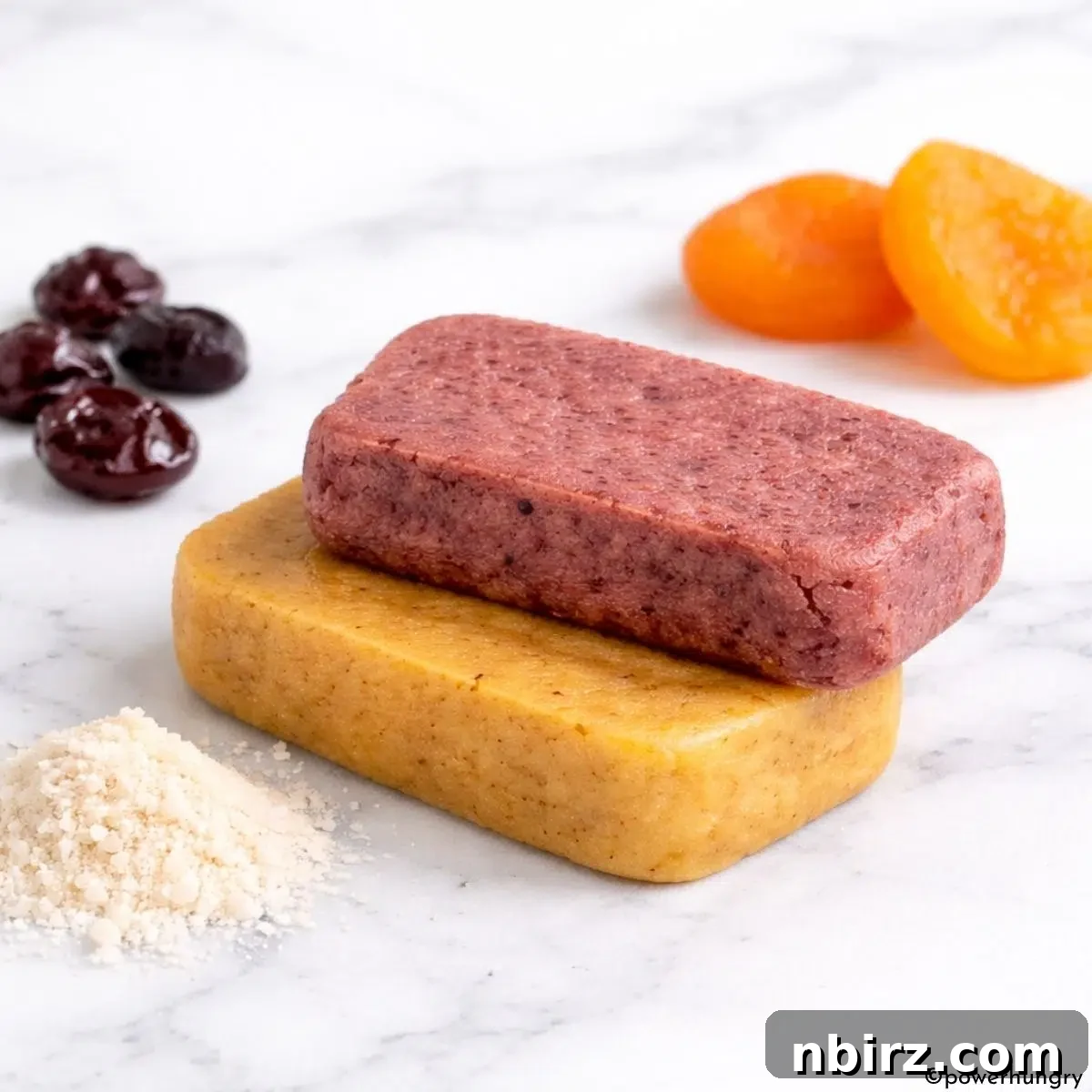
3-Ingredient Dried Fruit Protein Bars: Your Ultimate Oat-Free, No-Bake Snack
Are you searching for a genuinely simple, healthy protein bar that stands out from the crowd? Look no further! These 3-ingredient dried fruit protein bars are a game-changer, especially if you’re keen to avoid oats. Naturally sweet, incredibly easy to make, and requiring absolutely no baking, they’re crafted from just a few wholesome ingredients, delivering a soft, delightfully chewy texture and an impressive 12 grams of plant-based protein per bar.
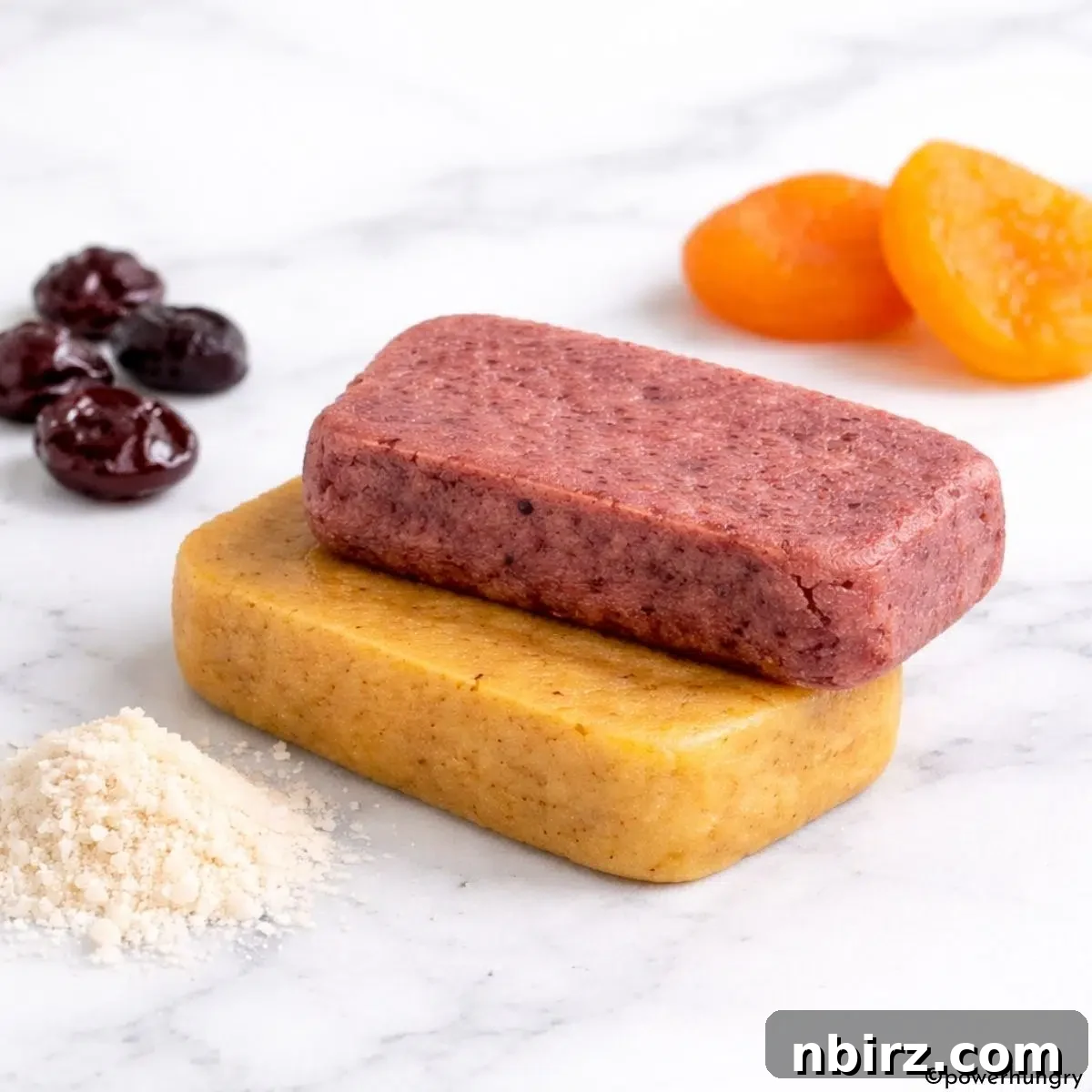
In a world saturated with protein bars often loaded with artificial flavors, oils, or heavy oat bases, these fruit-forward creations offer a refreshing alternative. This recipe, a personal favorite, leverages the natural sweetness and binding power of dried fruit, combined with quality vegan protein powder and a touch of coconut flour. The result is a vibrant, subtly tangy, and deeply satisfying bar that feels light yet fuels your body effectively.
Forget the usual peanut butter and chocolate combinations; these bars, with their bright flavors from fruits like dried apricots or cherries, provide a welcome change for your palate. They’re not just tasty; they’re incredibly nourishing. Each bar boasts approximately 12 grams of protein, 4 grams of fiber, and just 125 calories, making them an ideal choice for a quick snack, a revitalizing post-workout treat, or a convenient part of a grab-and-go breakfast. They are the perfect solution for anyone seeking protein bars without oats or a lighter, simpler snack option.
Why You’ll Love These No-Bake Dried Fruit Protein Bars
These brilliant, fruit-centric protein bars are truly special, appealing to a wide range of dietary preferences and needs. Here’s why they’ll become a staple in your healthy snack rotation:
- Minimal Ingredients: With just 3 core ingredients, this recipe proves that healthy eating doesn’t have to be complicated. Simple ingredients mean less fuss and more natural goodness.
- Effortless & No-Bake: Skip the oven and enjoy a hassle-free preparation process. These no-bake protein bars are perfect for busy schedules and hot kitchens.
- Completely Vegan: Made without any animal products, they are dairy-free and egg-free, making them suitable for a vegan lifestyle and those with related allergies.
- Oil-Free & Clean: Free from added oils, these bars offer a cleaner nutritional profile, focusing on whole-food ingredients.
- Oat-Free & Grain-Free: An excellent option for those avoiding grains, whether due to dietary restrictions, sensitivities, or simply personal preference. (For strict grain-free, ensure your protein powder is also grain-free.)
- Packed with Real Fruit: The primary ingredient is dried fruit, offering natural sweetness, vitamins, minerals, and dietary fiber.
- Nut-Free Friendly: Designed without peanut butter, almond butter, or other nuts, these are a fantastic choice for individuals with nut allergies or those in nut-free environments.
- High Protein Content: Each bar delivers a substantial 12g of protein, crucial for muscle repair, satiety, and sustained energy.
- No Artificial Additives: Enjoy a snack free from artificial flavors, sweeteners, or synthetic syrups, relying purely on nature’s best.
This is truly one of those recipes that feels almost too simple to be true, yet consistently delivers on taste, texture, and nutrition. It’s my absolute favorite kind of recipe!
Understanding Dried Fruit Protein Bars
Dried fruit protein bars offer a unique and refreshing twist on conventional protein bars. Unlike many commercial and homemade bars that rely heavily on syrups, oat bases, or various nut butters for structure and flavor, these bars highlight the natural qualities of dried fruit. Their foundation is primarily sticky dried fruits, expertly blended with a quality protein powder and just enough coconut flour to create a remarkably soft, smooth, and non-sticky texture.
The result is a bar that is inherently sweet, wonderfully chewy, and allows the vibrant flavor of real fruit to shine through, rather than being overshadowed by artificial additions or heavy coatings. Their inherent simplicity also means they are naturally oil-free, nut-free, grain-free, and specifically oat-free. This makes them an outstanding option if you’re seeking a lighter, more minimalist approach to homemade protein bars – one that still provides a substantial protein boost but with a distinctly brighter, more natural flavor profile.
Key Ingredients for Your 3-Ingredient Dried Fruit Protein Bars
You’ll find the precise measurements for each ingredient in the detailed recipe card at the conclusion of this article. Feel free to toggle between US Customary (volume) and Metric (weights) measurements for your convenience.
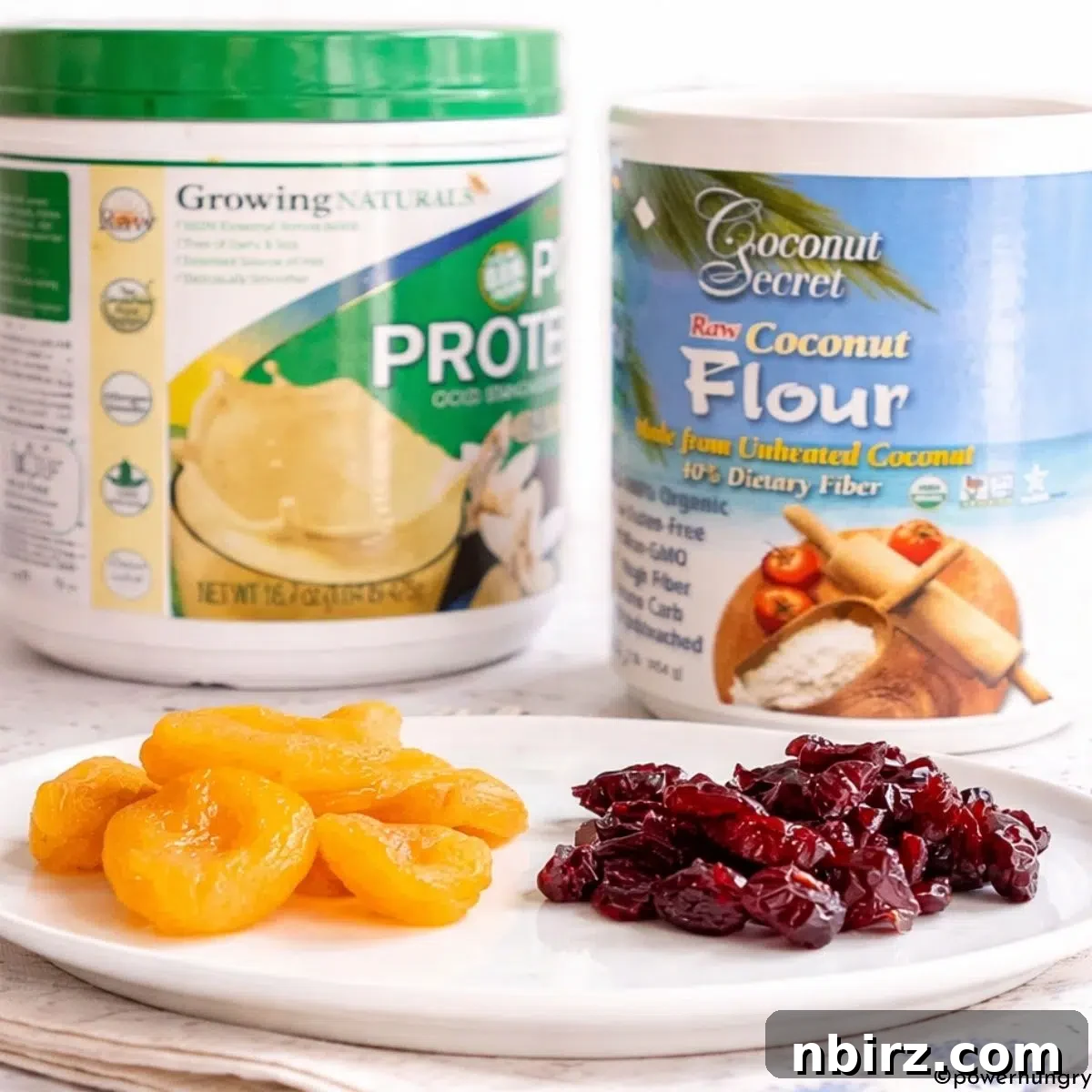
These protein bars are built on a perfectly balanced trio of ingredients, each playing a crucial role:
- Dried Fruit: The backbone of these bars, providing natural sweetness, binding power, and a delightful chewiness. Sticky varieties of dried fruit are absolutely essential for the best texture and cohesion. Dried apricots and dried cherries are particularly fantastic choices, lending a bright, tangy sweetness that is incredibly appealing. However, the versatility of this recipe allows for other excellent options:
- Dates: A classic binder, offering rich caramel-like sweetness.
- Figs: Contribute a unique, earthy sweetness and a chewy texture.
- Dried Blueberries: Add a lovely burst of sweet-tart flavor and vibrant color.
- Dried Cranberries: Perfect for a tangier profile, balancing the sweetness.
- Raisins: An economical and readily available option, providing classic fruit flavor.
- Prunes: Offer a deep, rich sweetness and excellent stickiness.
When selecting your dried fruit, look for options that are naturally moist and pliable. Avoid overly dry or sugar-coated varieties if possible, as they may not blend as smoothly or offer the same natural sweetness.
- Vegan Vanilla Protein Powder: This ingredient is vital for both structure and, of course, protein content. Vanilla flavor is recommended as it beautifully complements a wide array of fruit flavors without overpowering them. The type of vegan protein powder you choose can significantly impact the final taste and texture, so opt for a brand you already enjoy. Pea, rice, hemp, or a blended plant-based protein will work well here, each contributing to muscle recovery and keeping you feeling full longer.
- Coconut Flour: This might be the “magic” ingredient in this recipe. Coconut flour is highly absorbent and plays a critical role in transforming the sticky fruit-protein mixture into a smooth, pliable, cookie-dough-like consistency, very similar to many commercially available protein bars. It effectively absorbs excess moisture and eliminates stickiness, making the bars easy to handle and perfectly chewy. It also adds a very subtle, pleasant coconut aroma without an overpowering taste.
Step-by-Step Guide: How to Make Your 3-Ingredient Protein Bars
For comprehensive, printable instructions, please refer to the recipe card located further down the page.
These incredible bars come together remarkably quickly and effortlessly, with absolutely no baking required. Follow these simple steps for perfect results:
- Soak and Drain Dried Fruit: Begin by placing your chosen dried fruit in a small, heatproof bowl. Pour hot (but not boiling) water over the fruit, ensuring it is fully submerged. Allow the fruit to soak for about 15 minutes. This crucial step softens the fruit, making it easier to blend into a smooth paste and activating its natural stickiness. After soaking, thoroughly drain the fruit, discarding the water.
- Process Fruit to a Paste: Transfer the drained, softened dried fruit into the bowl of a food processor. Process on high speed until the fruit transforms into a thick, cohesive, and very sticky paste. Depending on your food processor, you may need to stop once or twice to scrape down the sides of the bowl to ensure all pieces are uniformly processed. The goal is a uniform, almost dough-like consistency.
- Incorporate Dry Ingredients: To the food processor bowl with the fruit paste, add the vegan vanilla protein powder and the coconut flour. Use quick on/off pulses to process the mixture. Continue pulsing until all the dry ingredients are completely combined and integrated into the fruit paste. Again, scrape down the sides of the bowl as needed to ensure no pockets of dry ingredients remain. The mixture should now be thick, pliable, and much less sticky than the pure fruit paste.
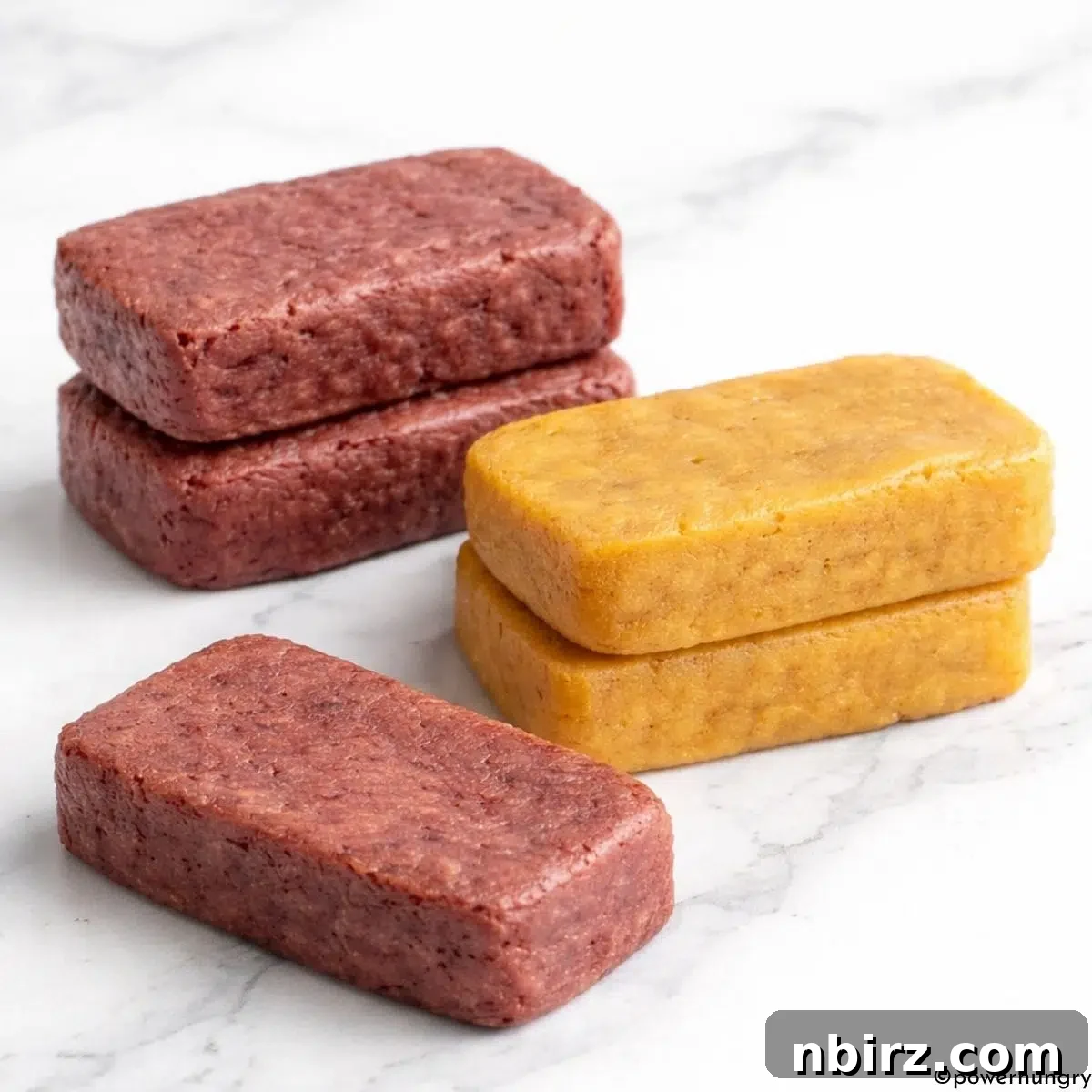
- Portion and Shape the Bars: Scrape the entire mixture out of the food processor bowl onto a clean surface. Using your hands, press and shape the mixture into an even ball or a flat disk. Divide this mass into 4 equal portions. For ease of shaping and to prevent sticking, you can lightly grease your hands or use a piece of wax paper or parchment paper. Take each portion and firmly press and mold it into your desired short bar shape. Consistency is key here for an even texture.
- Chill for Firmness: Once shaped, place the bars in an airtight container and refrigerate them for at least 30 minutes. This chilling period is essential as it allows the ingredients to firm up, resulting in a perfectly set, chewy bar that holds its shape beautifully. For best results, allow them to chill for an hour or more if time permits.
Expert Tips for Achieving the Perfect Texture
While this recipe is incredibly simple, a few key techniques can elevate your homemade protein bars from good to absolutely perfect:
- Prioritize Soft, Moist Dried Fruit: The quality and moisture content of your dried fruit significantly impact the final texture. Always choose dried fruits that are naturally soft and pliable, not hard or brittle. This ensures easier blending and a smoother, more cohesive paste, forming the ideal foundation for your bars.
- Do Not Skip the Chilling Step: This step is non-negotiable! Refrigeration allows the coconut flour to fully absorb any remaining moisture and helps the fats in the ingredients firm up, which is crucial for the bars to set properly and maintain their shape without being overly sticky or crumbly. A minimum of 30 minutes is recommended, but longer chilling will only improve their consistency.
- Press Firmly During Shaping: When you’re shaping the mixture into bars, don’t be shy! Apply firm, even pressure. This helps to compact the mixture, eliminate air pockets, and create dense, uniform bars that won’t fall apart. Using a piece of parchment paper to press the mixture can help achieve an even surface and sharp edges.
- Adjust Moisture and Dryness as Needed: Remember that different brands of dried fruit and protein powder can vary slightly in moisture content and absorbency.
- If your mixture feels too dry and crumbly to form into bars, add a few drops of water (start with 1/2 teaspoon) and re-process until it comes together.
- If, conversely, the mixture is too wet or sticky even after processing, add a very small amount (1/2 teaspoon at a time) of additional coconut flour and pulse again until the desired consistency is reached.
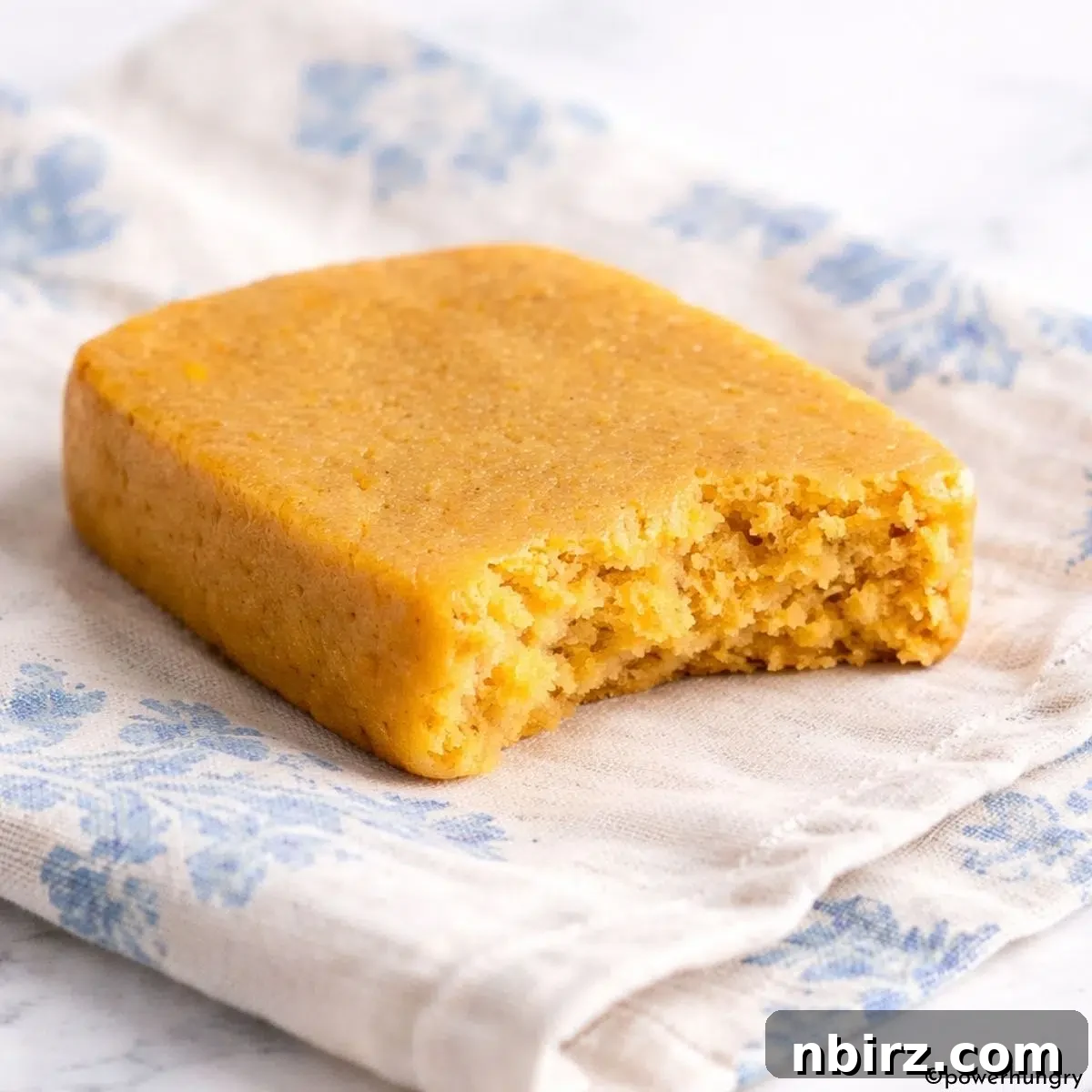
Exciting Flavor Variations for Customization
One of the most appealing aspects of this 3-ingredient protein bars recipe is its incredible adaptability. Once you’ve mastered the basic technique, you can easily experiment with different flavor combinations to suit your mood or preferences. Here are some delightful ideas to get you started:
- Apricot Lemon Zest Bars: For a bright, zesty, and tangy kick, use dried apricots as your base fruit and add 2 teaspoons of finely grated fresh lemon zest to the food processor with the protein powder and coconut flour. The lemon perfectly complements the sweetness of the apricot, creating a refreshing snack.
- Cherry Almond Infusion: If you love the combination of cherry and almond, use dried cherries as your fruit. Alongside the dry ingredients, add 1/2 teaspoon (or more, to taste) of pure almond extract. This will impart a warm, nutty aroma and flavor without the need for actual nuts.
- Dynamic Mixed Fruit Medley: Can’t decide on just one fruit? Combine equal parts of different sticky dried fruits like apricots, cherries, and dates for a complex and layered flavor profile. This not only adds variety but also enhances the nutritional benefits.
- Warm Spiced Fruit Bars: Introduce comforting warmth by adding a generous pinch (about 1/4 to 1/2 teaspoon, depending on preference) of ground cinnamon, cardamom, or ginger to the dry ingredients. These spices pair beautifully with most dried fruits, especially in cooler months.
- Tropical Twist: Use dried mango or pineapple (ensuring they are still sticky) and add a pinch of shredded unsweetened coconut for a vacation-inspired treat.
- Chocolate Lover’s Delight: For a hint of decadence, mix in 1-2 tablespoons of unsweetened cocoa powder with the dry ingredients. You can also press a few mini vegan chocolate chips into the bars after shaping.
Optimal Storage for Freshness and Longevity
Proper storage is key to enjoying your homemade protein bars at their best and ensuring they last as long as possible:
- Refrigerator Storage: For daily enjoyment, store your dried fruit protein bars in an airtight container in the refrigerator. They will maintain their freshness, optimal texture, and delicious flavor for up to 2 weeks.
- Freezer Storage: If you’ve made a larger batch or want to keep them for an extended period, these bars freeze beautifully. Place them in a single layer in an airtight, freezer-safe container or wrap individual bars tightly in parchment paper and then store in a freezer bag. They can be frozen for several months. To enjoy, simply thaw them in the refrigerator overnight or at room temperature for a quick snack.
These bars are also excellent travel companions! Their sturdy, non-crumbly nature makes them perfect for lunchboxes, hiking trips, or simply for on-the-go snacks during a busy day. They do not require refrigeration while you’re out and about, only for longer-term storage at home.
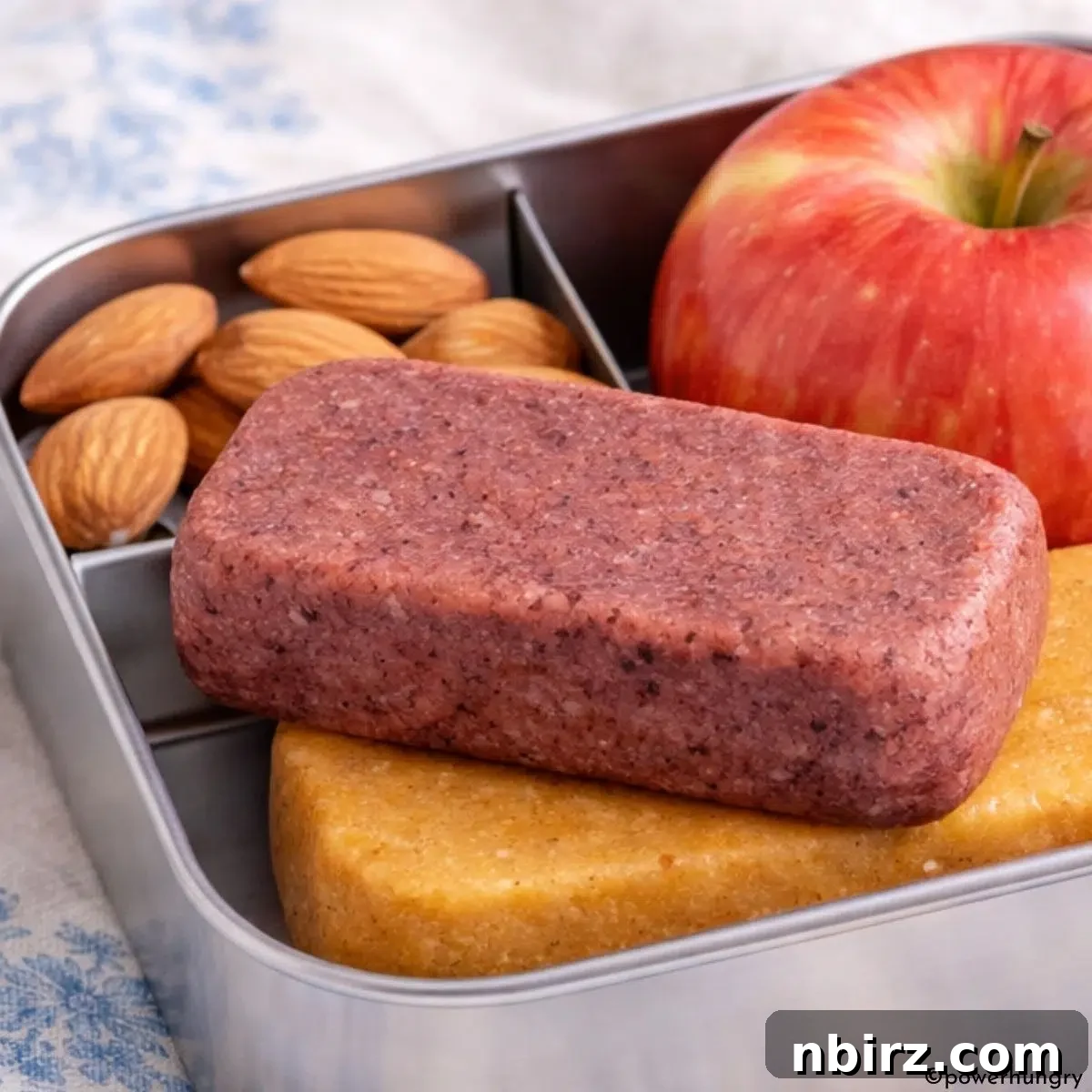
Navigating Ingredient Substitutions
While this recipe is intentionally simple, you might wonder about potential ingredient swaps. Here’s what you need to know about common substitutions:
- Unsweetened Protein Powder: If you prefer less sweetness in your bars or want to control the sugar content further, you can absolutely use unflavored (unsweetened) vegan protein powder instead of vanilla. This will allow the natural sweetness of the dried fruit to be more prominent.
- Whey Protein Powder: I generally do not recommend substituting vegan protein powder with whey protein powder in this recipe as written. Whey protein behaves very differently due to its unique absorption properties. It tends to make the mixture extremely sticky and gooey, significantly altering the desired soft, chewy, and non-sticky texture. If you are determined to use whey, you will likely need to conduct considerable experimentation, potentially adding a much larger quantity of coconut flour or incorporating another dry ingredient like oat flour (if you don’t mind oats) to achieve a workable consistency.
- Coconut Flour: The coconut flour is a critical component of this recipe, acting as a powerful absorbent and binder that eliminates stickiness and creates the signature smooth, pliable texture. Therefore, I do not recommend omitting or directly substituting the coconut flour without significant changes to the recipe. If you absolutely must avoid coconut flour and don’t mind a slightly stickier bar, you could try replacing it with an equal amount of additional protein powder, though the texture will be noticeably different and potentially more crumbly or tacky. Alternatively, a small amount of oat flour or almond flour might work, but these are not oat-free or nut-free options respectively.
Frequently Asked Questions About Dried Fruit Protein Bars
- Can I use any plant-based protein powder? Yes, you can generally use any type of plant-based protein powder (e.g., pea, rice, hemp, soy). However, it’s important to be aware that different brands and types of vegan protein powders can absorb moisture differently. This means you might need to slightly adjust the consistency by adding a few extra drops of water if the mixture is too dry, or a tiny bit more coconut flour if it’s too sticky. For the best flavor harmony with the fruit, vanilla-flavored protein powder is highly recommended.
- What makes these different from traditional protein bars? Most “traditional” or commercial protein bars often use oats, various nut butters, and/or syrups (like brown rice syrup or agave) as their primary base and binding agents. These dried fruit protein bars intentionally steer clear of those ingredients. Their unique characteristic comes from being made predominantly from dried fruit, which provides natural sweetness, fiber, and structure. This foundation results in a distinctively bright, fruit-forward flavor and a much simpler, cleaner ingredient list. They are proudly grain-free, oat-free, oil-free, and nut-free.
- Can you make protein bars without oats? Absolutely! This recipe is a perfect example of how to make delicious and effective protein bars without any oats. In place of oats, the natural stickiness and bulk of the dried fruit provide the necessary structure and sweetness. The protein powder adds substance and a protein boost, while coconut flour acts as a key binder and moisture absorber, ensuring the bars hold together beautifully with a soft, chewy texture. The absence of grains means a lighter feel without compromising on nutrition or satisfaction.
- Are these protein bars healthy? Yes, these protein bars are an excellent healthy choice. They are crafted with just three simple, whole-food ingredients and are naturally sweetened solely by the dried fruit – no added sugars or artificial sweeteners. Each bar is carefully balanced, offering a good source of protein (12 grams), beneficial dietary fiber (4 grams), and a moderate calorie count (around 125 calories). This makes them a smart and balanced option for quick energy boosts, muscle recovery after a workout, or a nutritious component of a speedy breakfast.
The Bottom Line: Simple, Healthy, and Delicious
These 3-ingredient dried fruit protein bars are compelling proof that crafting your own healthy, homemade protein bars doesn’t need to be an arduous or complicated endeavor. They epitomize simplicity without sacrificing flavor, texture, or nutritional value.
With their soft, satisfying chewiness, naturally sweet profile, and impressive protein punch, these bars offer a wholesome alternative without relying on processed ingredients, heavy flavors, or time-consuming preparation. If you’ve been craving a lighter, more fruit-forward, and genuinely nourishing snack that aligns with a clean eating philosophy, your search ends here. Give them a try and discover your new favorite grab-and-go fuel!
Related Recipes You Might Enjoy
- Sunflower Seed Bread (Oil-free, Grain-free, Nut-free)
- 3-Ingredient Lemon Apricot Bars (Vegan, Gluten-Free, Easy)
- Millet Apricot Energy Bars (Vegan, Gluten-Free)
- High-Protein Vegan Cherry Tomato Pasta (Grain-free)
3-Ingredient Fruit Protein Bars
By: Camilla
Soft, chewy dried fruit protein bars made with just 3 ingredients. These vegan, oil-free, grain-free, and naturally sweet bars pack 12g of protein per serving.
Prep Time: 15 minutes
Cook Time: 0 minutes
Total Time: 15 minutes (plus chilling)
Servings: 4 small bars
Equipment
- 1 food processor
Ingredients
- 4 ounces (about 3/4 cup) packed dried fruit (e.g., dried apricots & dried cherries)
- 1/2 cup vanilla vegan protein powder
- 1 1/2 tablespoons coconut flour
Instructions
- Place the dried fruit in a small bowl. Add hot (not boiling) water to cover the fruit. Let stand for 15 minutes and then drain thoroughly.
- Process the drained fruit in a food processor until it forms a thick, sticky paste. Stop to scrape down the sides of the bowl once or twice as needed.
- Add the protein powder and coconut flour to the processor bowl. Use on/off pulses to process the mixture until completely combined and uniform, scraping down the bowl as necessary.
- Scrape the mixture out and shape it into an even ball or disk. Cut into 4 equal portions. Using bare hands or a piece of wax paper or parchment paper, firmly shape each portion into a short bar.
- Refrigerate the bars for at least 30 minutes, or until they are firm and set.
Notes
Storage
- Refrigerator: Store in an airtight container for up to 2 weeks.
- Freezer: Freeze for longer storage; thaw as needed.
These bars travel well and do not require refrigeration for on-the-go enjoyment, only for longer-term storage.
Dried Fruit Tips: Sticky dried fruits work best for these protein bars. Dried apricots and dried cherries are especially delicious, but you can also use:
- Dates
- Figs
- Dried Blueberries
- Dried Cranberries
- Raisins
- Prunes
Note: Dried apples are not recommended as they are typically not sticky enough, even after soaking, to bind these bars effectively.
Nutrition (per 1 round bar)
Calories: 125 kcal
Carbohydrates: 20g
Protein: 12g
Fat: 1g
Saturated Fat: 0.4g
Polyunsaturated Fat: 0.2g
Monounsaturated Fat: 0.1g
Sodium: 144mg
Potassium: 340mg
Fiber: 4g
Sugar: 15g
Vitamin A: 1022 IU
Vitamin C: 0.3mg
Calcium: 40mg
Iron: 3mg