
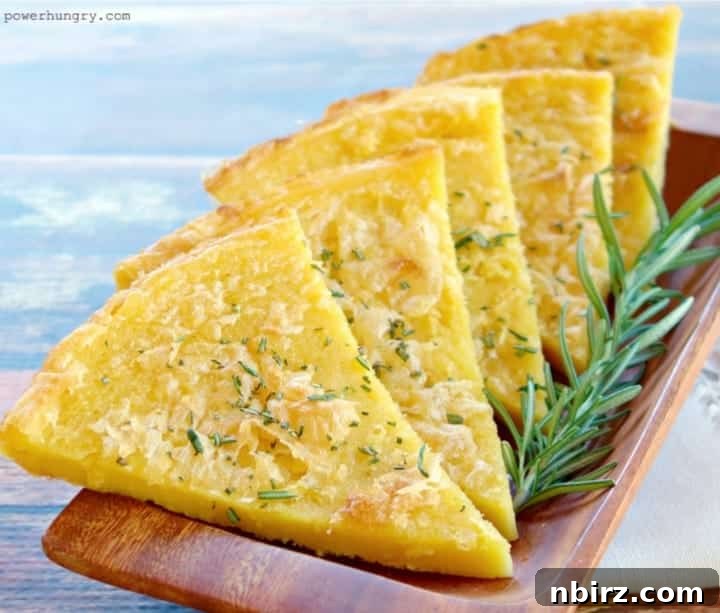
Welcome to the world of Socca, the culinary magic you’ve been waiting for! This remarkable chickpea flour crepe, often referred to as a French flatbread, requires only a handful of staple ingredients – chickpea flour, water, olive oil, and a touch of salt. It’s a truly revolutionary recipe that is naturally grain-free, vegan, and gluten-free, making it a perfect fit for a wide range of dietary preferences. Prepare to be amazed by its simplicity and versatility!
Life can be a whirlwind, filled with unexpected tasks and delightful diversions. Just recently, my day spiraled into a delightful chaos of teaching, grading, experimenting with new recipes, and enjoying some precious park time. Amidst the flurry, one thought remained constant: what to make for dinner? I craved something uncomplicated yet utterly satisfying, a dish that would feel like a culinary revelation without demanding hours in the kitchen. And then, it clicked. Socca.
While a comforting bowl of homemade tomato soup (a cherished family recipe, I might add!) was already on the menu, I knew Socca would elevate our meal from good to extraordinary. This humble chickpea flour crepe, though perhaps new to some of you, is guaranteed to impress. Its unique texture and subtly nutty flavor offer a delightful experience, transforming basic ingredients into something truly special.

What Exactly is Socca? Unveiling the French Chickpea Flatbread
Socca, pronounced “SOH-kah,” is a traditional savory pancake or flatbread hailing from the sun-drenched region of Provence in the South of France, particularly Nice. It’s also known by various names across the Mediterranean, such as Farinata in Italy and Panisse in other parts of France, each with slight regional variations. At its heart, Socca is a simple, thin crepe made from chickpea flour, water, and olive oil, baked to golden perfection in a very hot oven, ideally in a cast iron skillet.
Often described as a delightful hybrid between a fluffy pancake, a crispy flatbread, and a savory omelet, Socca offers a truly unique culinary experience. Its exterior boasts a beautiful crispness, while the interior remains wonderfully tender and slightly custardy. This contrast in textures, combined with its naturally earthy and slightly nutty flavor, makes it an irresistible treat. What’s more, its ancient origins and widespread popularity across the Mediterranean diet underscore its wholesome goodness and timeless appeal.
Beyond its incredible taste and texture, Socca stands out for its impressive dietary credentials. It is naturally gluten-free, making it an excellent bread alternative for those with celiac disease or gluten sensitivities. Being plant-based, it’s also 100% vegan, fitting seamlessly into a vegan lifestyle. And because it’s made from chickpea flour (ground garbanzo beans), it’s entirely grain-free, offering a fantastic option for paleo or grain-free diets. It’s a testament to how humble ingredients can create something truly extraordinary and universally appealing.
Minimalist Magic: The Simple Ingredients for Socca
For precise measurements and ingredient quantities, please refer to the detailed recipe card conveniently located at the end of this post. You’ll find options to toggle between US Customary (volume) and Metric (weights) for your preferred measurement system.
Prepare to be amazed by the brevity of this ingredient list! While water is a fundamental component, the true stars of this recipe are remarkably few. You only need:
- Chickpea Flour: Also known as garbanzo bean flour or besan flour. This is the foundation of Socca, providing its unique flavor, texture, and nutritional benefits. Ensure you’re using plain chickpea flour, not gram flour which can sometimes be made from split chickpeas and other legumes.
- Olive Oil: A good quality extra virgin olive oil is crucial here. It contributes to the rich flavor, helps achieve that desired crispy crust, and ensures the Socca doesn’t stick to the pan. Divided usage means some for the batter and some for the hot skillet.
- Water: Essential for creating the smooth batter. Warm water is recommended as it helps the flour blend more easily and prevents lumps.
- Salt: While optional and adjustable to your taste, a touch of salt enhances all the flavors in the Socca, bringing out its natural goodness.
That’s it! Truly, with just these four basic ingredients, you are on your way to creating a culinary masterpiece. The beauty of Socca lies in its simplicity, allowing the natural flavors of the chickpea flour and olive oil to shine. However, don’t hesitate to personalize your Socca with optional additions like a pinch of black pepper, finely chopped fresh rosemary, a dash of cumin, or a sprinkle of chili flakes to add an extra layer of flavor tailored to your palate.

Mastering Socca: Your Step-by-Step Guide to Perfection
For full, printable step-by-step instructions, including timings and ingredient quantities, please refer to the comprehensive recipe card below.
Creating your own delicious chickpea flour flatbread (Socca) is an incredibly straightforward process, almost as simple as gathering the few ingredients needed. The key is in a couple of easy steps that ensure a perfect result every time.
1. Prepare the Batter:
In a medium-sized bowl, begin by whisking together the chickpea flour, warm water, half of the olive oil, and the optional salt. The goal is to achieve a perfectly smooth batter, free of any lumps. Chickpea flour can sometimes be a bit clumpy, so vigorous whisking is recommended. If you prefer a hands-off approach, a blender, food processor, or even an immersion hand blender can make quick work of creating a silky-smooth batter.
2. The Crucial Resting Period:
Once your batter is mixed, cover the bowl and let it rest. This step is non-negotiable for achieving the best possible Socca. Allow the batter to stand at room temperature for a minimum of 30 minutes. For even better results, you can refrigerate the batter for up to 24 hours. This resting period allows the chickpea flour to fully hydrate, resulting in a creamier, more tender interior and a better overall texture. Patience truly is a virtue here; the longer the rest, the more exceptional the Socca will be.
3. Preheat and Prepare Your Skillet:
When you’re ready to cook, position an oven rack about 6 inches from the broiler element. Preheat your oven to a high temperature, typically 450°F (230°C). Crucially, place a 9-inch or 10-inch cast iron skillet directly into the oven as it preheats. Allowing the skillet to get screaming hot is fundamental to achieving Socca’s signature crispy crust. This intense heat will instantly begin cooking the batter, preventing it from sticking and creating that desirable texture.
4. Cook the Socca:
Once the oven reaches temperature and the cast iron skillet is piping hot, carefully remove the skillet (using oven mitts!). Add the remaining olive oil to the hot pan and swirl it around to coat the bottom. Let the oil heat for about 30 seconds, then pour the rested batter evenly into the skillet. Immediately return the skillet to the preheated oven on the top rack. Bake for approximately 7 to 9 minutes, or until the surface of the Socca appears set, and the edges begin to pull away from the sides of the pan and show signs of browning. At this stage, your Socca is almost complete.
5. Broil for the Perfect Finish:
To achieve that irresistible golden-brown, slightly charred finish characteristic of authentic Socca, switch your oven setting from “Bake” to “Broil” (on high). Keep the skillet in the same position on the top rack. Broil for 1 to 4 minutes, diligently checking every minute or so. Watch closely as the edges deepen to a rich golden brown, and delightful browned spots appear on the surface. The exact broiling time can vary based on your oven and desired crispness, so trust your eyes! A darker crust means more flavor and a crispier bite.
6. Serve and Enjoy:
Carefully remove the blazing hot skillet from the oven. Allow the Socca to cool for just a minute or two, then use a spatula to loosen it and slide it onto a cutting board. Slice the Socca into wedges, much like a pizza. Serve it warm and savor the moment! The versatility of Socca truly shines in how it can be enjoyed.

Endless Ways to Enjoy Your Socca
Socca is an incredibly versatile dish that can adapt to almost any mealtime or craving:
- As a Bread: It makes a fantastic accompaniment to soups, stews, or salads. Imagine dipping a warm wedge into that dreamy tomato soup – pure bliss!
- Nourishing Snack: Enjoy it plain for a simple, satisfying snack, or topped with a sprinkle of sea salt and a drizzle of olive oil.
- Sophisticated Appetizer: Cut into smaller triangles and serve with a variety of toppings like roasted vegetables, tapenade, fresh herbs, or a dollop of hummus for an elegant starter.
- Breakfast Treat: For a sweet twist, drizzle warm Socca with a bit of honey or maple syrup and serve with fresh fruit. It’s surprisingly delicious!
- Quick & Easy Pizza Crust: This is a game-changer! Spread your favorite pizza sauce, toppings, and vegan cheese (if desired) over a cooked Socca and return it to the oven for a few minutes until the toppings are hot and bubbly. It makes for an incredibly flavorful and wholesome gluten-free pizza.
Storage and Reheating
Leftovers are a delight and easily managed. Store any cooled Socca wedges in an airtight container in the refrigerator for up to one week. To rewarm, simply place a wedge in the microwave for 15-30 seconds until heated through, or for a crispier result, reheat in a lightly oiled skillet on the stovetop over medium heat until warmed and slightly crisped.
This foolproof recipe is bound to become a staple in your kitchen. Its ease of preparation, combined with its delicious flavor and healthy attributes, makes it a true winner. So go ahead, give Socca a try, and add this incredible chickpea flour crepe to your go-to recipe file!
Expand Your Culinary Horizons: Related Recipes
- Mocha Socca {Vegan & Grain-Free}
- Flourless Blender Oat Crepes {gluten-free, vegan option}
- Easy Protein Powder Power Crepes {Gluten-Free}
- 3-Ingredient Oat Chickpea Tortillas (Vegan, Oil-Free, GF)
- Zucchini Soccatas (chickpea flour omelets)

Print Recipe
Socca, French Chickpea Flour Crepe (Vegan, Grain-Free)
5 minutes
13 minutes
18 minutes
8
servings
Ingredients
-
1 cup
chickpea flour
- 1.125 cups warm water
-
3 tablespoons
olive oil
, divided - 1/2 teaspoon salt, optional and/or adjustable
Instructions
-
In a medium bowl, whisk together the chickpea flour, warm water, HALF of the olive oil, and the salt until blended and perfectly smooth (break up any small lumps).
-
Cover and let batter stand at room temperature for at least 30 minutes (or refrigerate for up to 24 hours).
-
When ready to cook, position oven rack to 6 inches below broiler. Preheat oven to 450F (230°C). Place a 9-inch or 10-inch cast iron skillet on the top rack to heat thoroughly.
-
When the oven reaches 450F (230°C) and the skillet is very hot, carefully add the remaining olive oil; let it heat for 30 seconds, then add the batter. Cook for 7 to 9 minutes until set and the socca is pulling away from the edges of the pan.
-
Keep the skillet in the oven. Switch the oven setting to Broil (HIGH). Broil for 1 to 4 minutes, checking regularly, until dark golden brown at the edges and browned in spots on the surface of the socca.
-
Remove from oven (be careful, the skillet will be very hot) and cut into wedges. Serve warm.
Notes
Warm water: Warm water is not strictly essential, but it significantly aids in blending the batter smoothly and helps prevent lumps or bumps from forming in the chickpea flour.
Nutrition
Calories: 90kcal |
Carbohydrates: 6.6g |
Protein: 2.6g |
Fat: 6g |
Saturated Fat: 0.9g |
Sodium: 123.6mg |
Fiber: 1.3g |
Sugar: 1.3g
Like this recipe? Rate and comment below!