
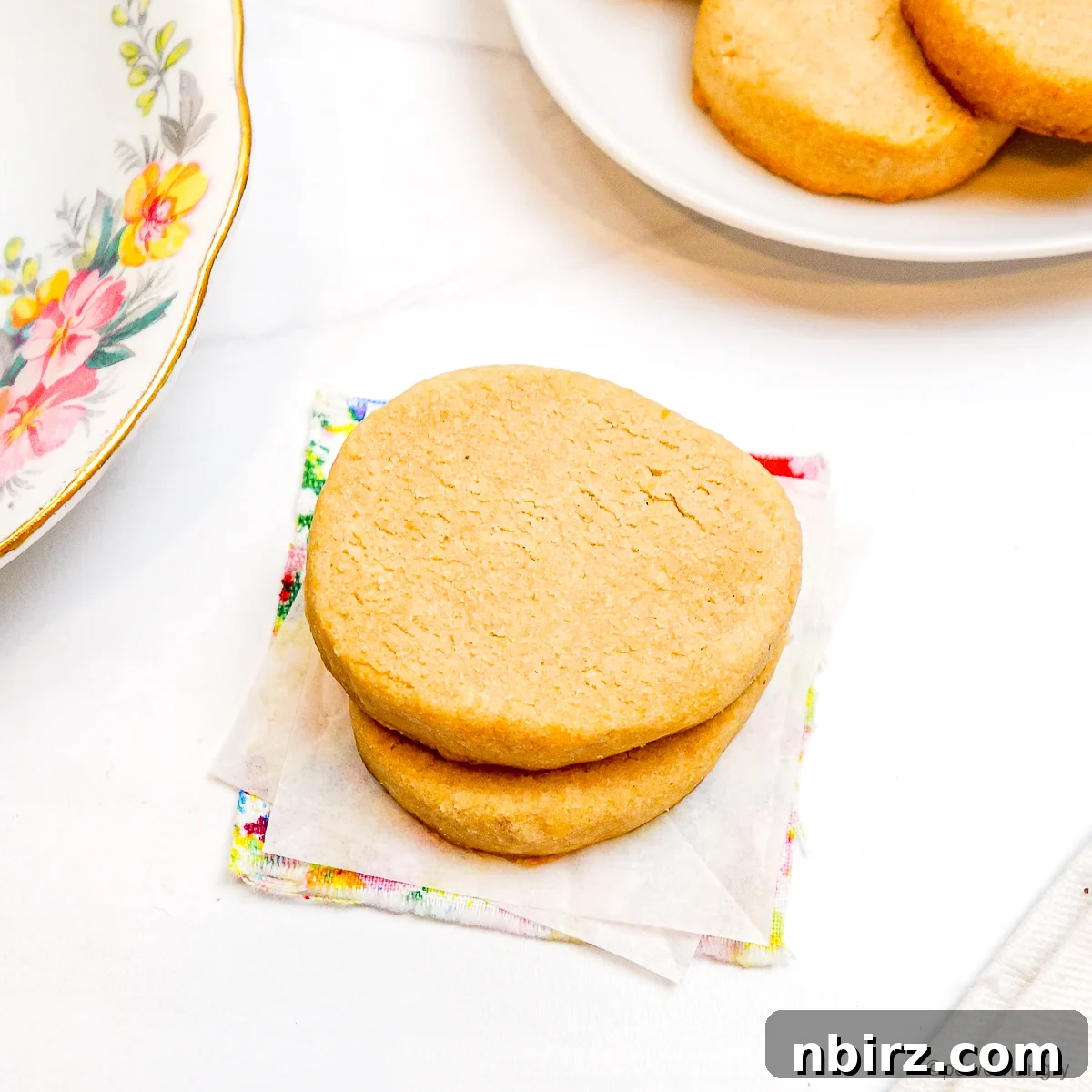
Welcome to a revolutionary approach to classic shortbread cookies! Learn how to effortlessly craft grain-free cassava flour shortbread cookies that genuinely capture the melt-in-your-mouth texture and rich flavor of their traditional counterparts. This recipe is not just delicious; it’s also remarkably adaptable, allowing you to enjoy them plain, infused with aromatic spices or bright citrus zest, or elegantly embellished with chocolate. Catering to diverse dietary needs, these cookies are entirely vegan (egg-free and dairy-free), gluten-free, and perfectly suitable for a Paleo lifestyle. Get ready to bake a batch of shortbread that truly impresses!
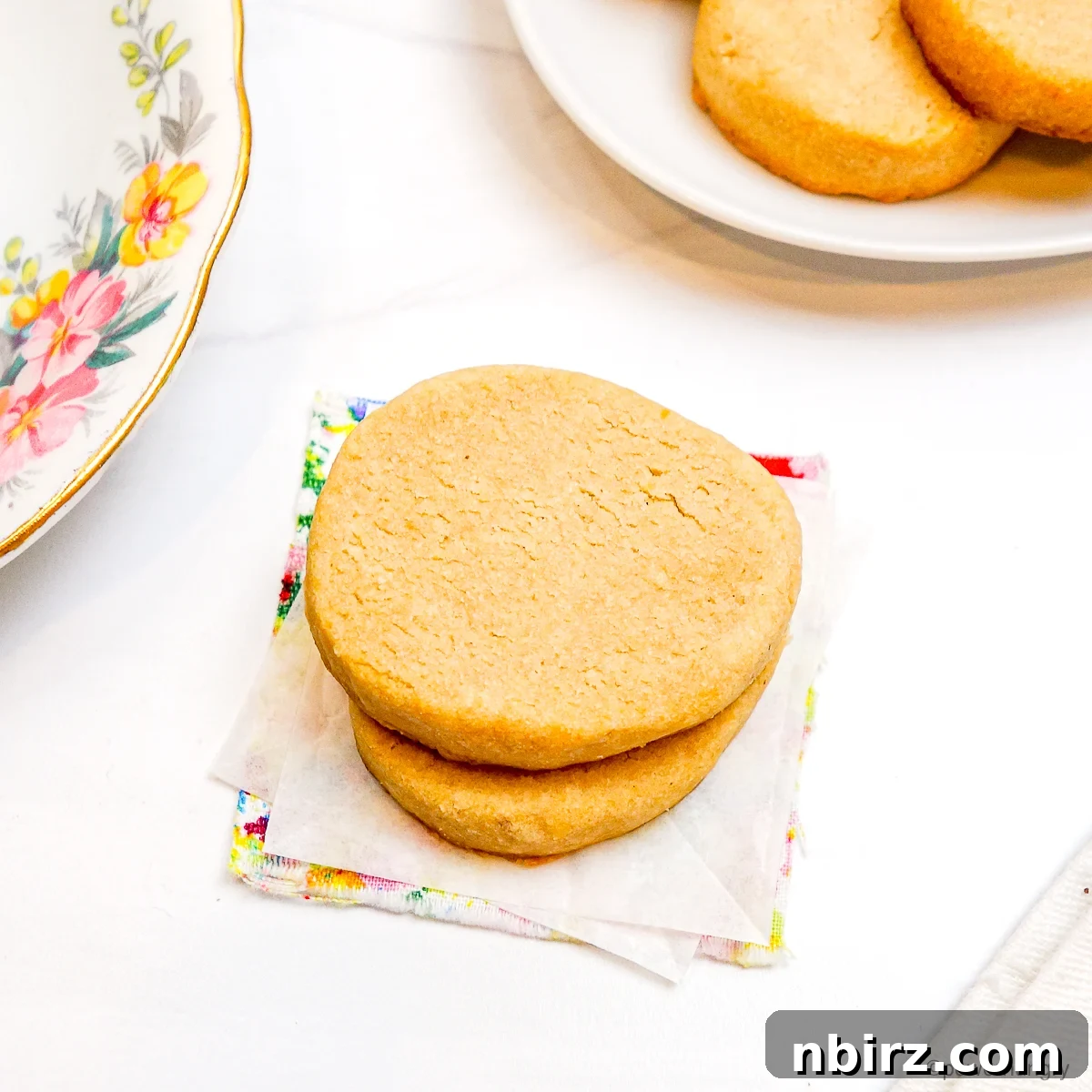
Grain-Free Cassava Flour Cookies: A Taste Revolution
These shortbread cookies represent a significant breakthrough in the world of gluten-free and vegan baking. What makes them truly extraordinary isn’t just their incredible taste, which rivals traditional shortbread, but also their impressive list of dietary accommodations: they are grain-free, gluten-free, egg-free, and dairy-free. For anyone who has struggled to find a delicious, allergen-friendly shortbread, this recipe is a game-changer.
The secret lies in a carefully selected blend of flours. Instead of conventional wheat flour, this recipe features a combination of cassava flour and almond flour. Cassava flour, derived from the whole cassava root, mimics wheat flour’s texture and binding properties beautifully, providing structure and a tender crumb. Almond flour contributes a fine texture and subtle richness, creating an ideal balance that truly elevates the cookie. Furthermore, opting for plant-based butter (vegan butter) delivers the essential richness and tender crumb that shortbread purists expect, ensuring no compromise on flavor or feel.
You might be skeptical that a cookie free from grains, eggs, and dairy could taste authentic, but we assure you, even the most discerning palates will be pleasantly surprised. The buttery richness and delicate snap are all there, making these a truly satisfying treat.
Adding to the undeniable appeal of these grain-free shortbread cookies is their sheer simplicity. Forget the need for complicated stand mixers or handheld devices to cream butter and combine dough. This recipe streamlines the process by utilizing melted plant-based butter, which is simply stirred directly into the dry ingredients. This “no mixer required” approach not only minimizes cleanup but also makes the baking process quick and incredibly approachable, perfect for bakers of all skill levels.
Why You’ll Love This Shortbread Cookie Recipe
This recipe offers a host of benefits, making it an ideal choice for a wide audience and various occasions:
- Vegan (Egg-Free, Dairy-Free): Perfect for those following a plant-based diet or managing egg and dairy allergies, ensuring everyone can enjoy a classic shortbread.
- Grain-Free: Made without any traditional grains like wheat or oats, making it suitable for specific dietary protocols and sensitivities.
- Gluten-Free: A safe and delicious option for individuals with celiac disease or gluten intolerance.
- Paleo-Friendly: Aligns with Paleo dietary principles, utilizing whole, unprocessed ingredients.
- Nut-Free Option: Easily adaptable to be completely nut-free with a simple ingredient swap, accommodating more allergy concerns.
- Easy to Make in One Bowl: Simplifies the baking process and reduces cleanup, making it a quick and convenient dessert.
- No Mixer Required: A true hands-on approach that eliminates the need for special equipment, making it accessible to all home bakers.
- Minimal Ingredients: Relies on a short list of accessible ingredients, highlighting quality over quantity.
- Highly Customizable: Offers endless possibilities for flavor variations and embellishments, allowing you to tailor each batch to your preference.
Essential Ingredients for Perfect Cassava Flour Shortbread
For precise measurements of each ingredient, please refer to the comprehensive recipe card located at the conclusion of this post. You can conveniently switch between US Customary (volume) and Metric (weights) options to suit your preferred measurement system.
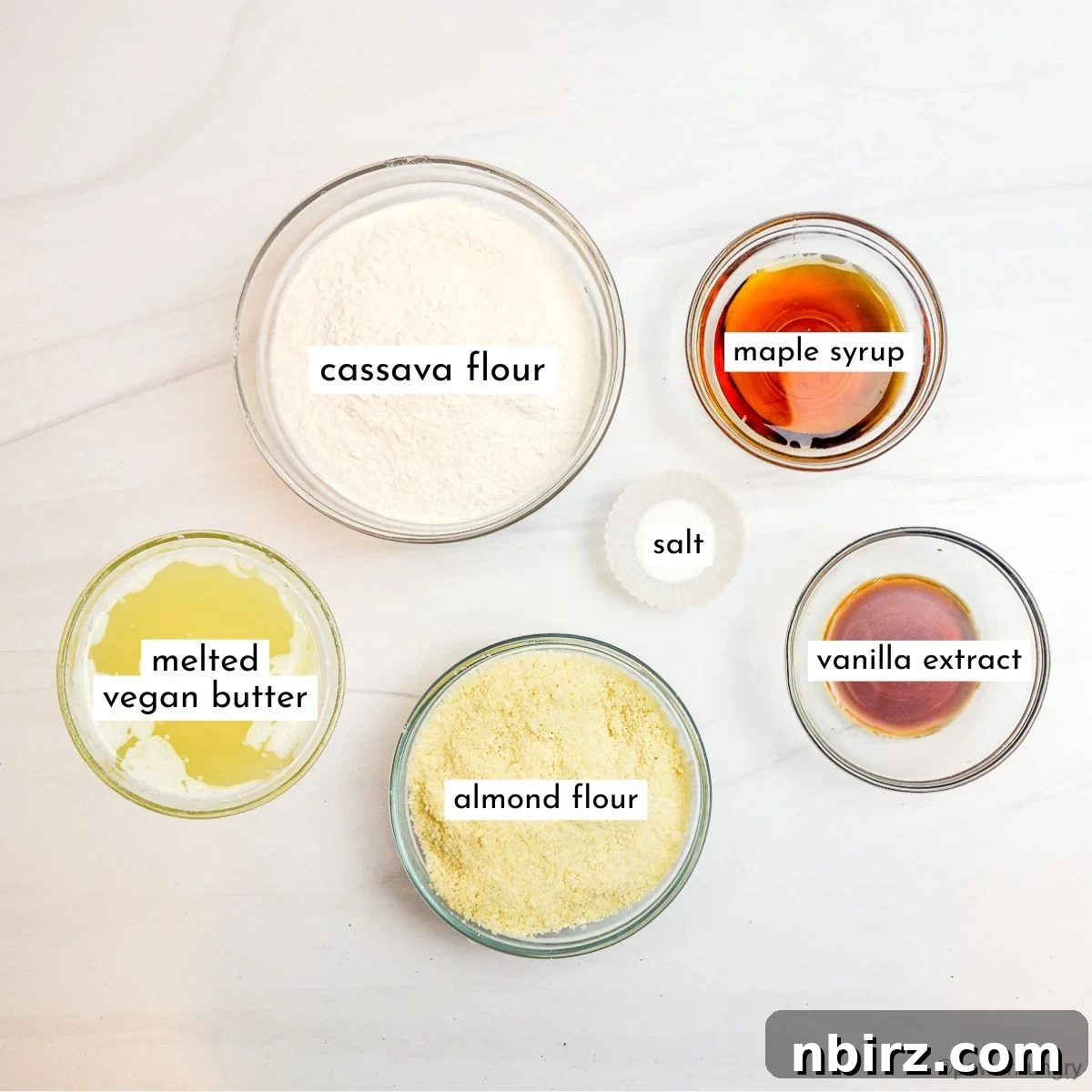
- Cassava Flour: This is the star of our grain-free shortbread. Cassava flour is unique because it’s made from the entire peeled, dried, and ground cassava root, giving it a fine, soft texture similar to wheat flour. Unlike tapioca starch (which is just the starch from cassava), cassava flour provides the necessary structure and absorbency. For consistently perfect results, we highly recommend measuring your cassava flour using a kitchen scale, especially if you’re new to grain-free baking. Precision is key in achieving the ideal crumb.
- Almond Flour: Finely ground almond flour complements the cassava flour beautifully, adding a delicate richness and contributing to that classic tender, crumbly shortbread texture. It’s important to use finely ground almond flour, not almond meal, which is coarser and can make the cookies gritty. You can use blanched (skins removed) or unblanched (skins on) finely ground almond flour, both will work well. For a nut-free alternative, please check the recipe notes below for suitable swaps like sunflower seed flour or pumpkin seed flour.
- Vegan Butter / Plant Butter: The quality and type of vegan butter significantly impact the final texture of your shortbread. Always opt for solid sticks of vegan butter, rather than the tub-style, spreadable varieties. Tub butters often contain a higher water content, which can alter the dough’s consistency and lead to a less tender, more cake-like cookie. Solid sticks ensure the rich, fatty base crucial for traditional shortbread texture.
- Maple Syrup: This natural sweetener provides just the right amount of sweetness and a lovely, subtle flavor that pairs wonderfully with the other ingredients. Maple syrup also contributes to the liquid component of the dough, helping it come together. If you need an alternative sweetener, various options, including agave nectar, brown rice syrup, or date syrup, are listed in the detailed recipe notes.
- Vanilla Extract: A touch of pure vanilla extract enhances all the flavors in the cookie, adding warmth and depth. Vanilla is a classic complement to shortbread, making it feel truly indulgent. For exciting twists, explore the recipe notes for creative flavoring and embellishment ideas, such as other extracts or citrus zest.
- Sea Salt (Optional, but Recommended): A small pinch of sea salt is truly magical in baking, as it balances and amplifies the sweetness of the cookies. While optional, it’s highly recommended. If your chosen vegan butter is salted, you might consider reducing the amount of added salt, though many bakers (including us!) still add a bit extra for that delightful salty-sweet contrast. If you opt to use unsalted coconut oil as your fat, a smidge of salt becomes even more crucial for flavor development.
Step-by-Step Directions for Grain-Free Shortbread Perfection
The full, detailed instructions are also conveniently provided in the recipe card found below.
Step One: Prepare and Whisk the Dry Ingredients
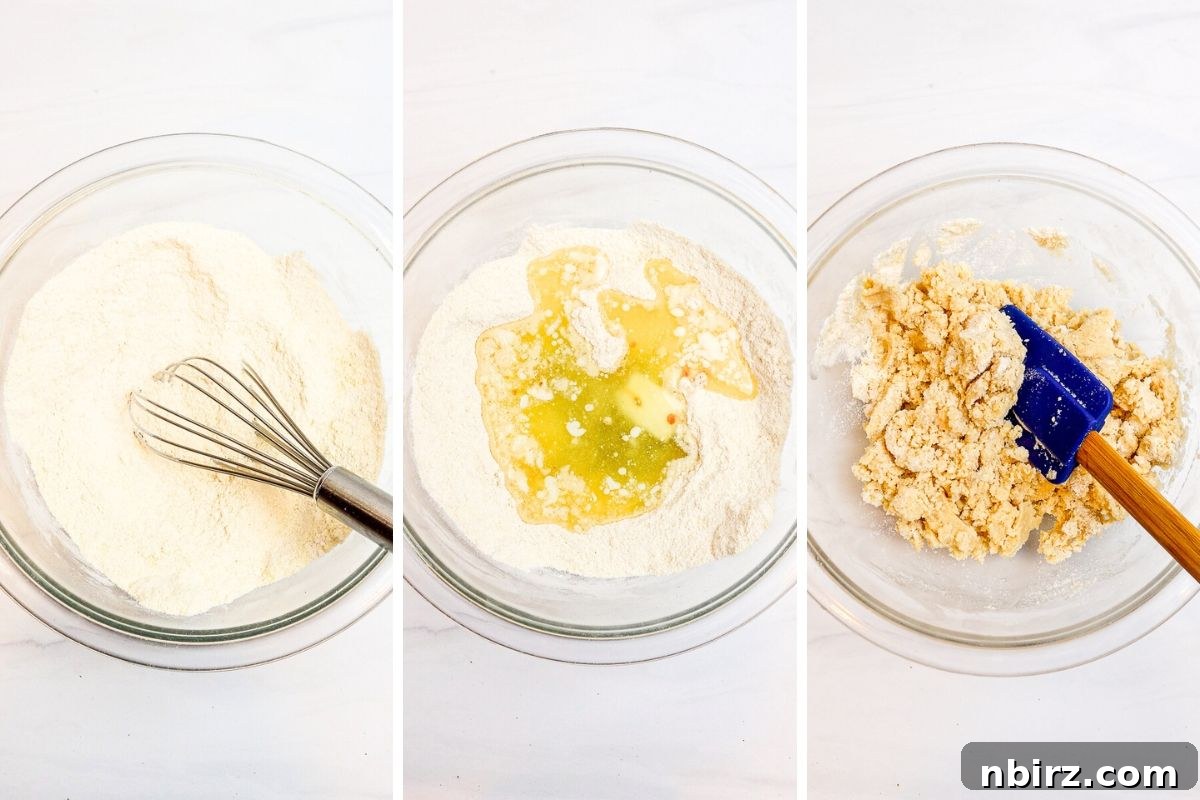
Begin by precisely measuring your flours. For optimal consistency and accuracy, especially with grain-free baking, using a digital kitchen scale to weigh the cassava and almond flours is strongly encouraged. In a spacious mixing bowl, combine the measured cassava flour and almond flour. If using, add the optional pinch of sea salt. Whisk these dry ingredients together thoroughly. This ensures an even distribution of the flours and salt, which is crucial for uniform texture in your finished cookies.
Step Two: Incorporate the Wet Ingredients to Form Dough
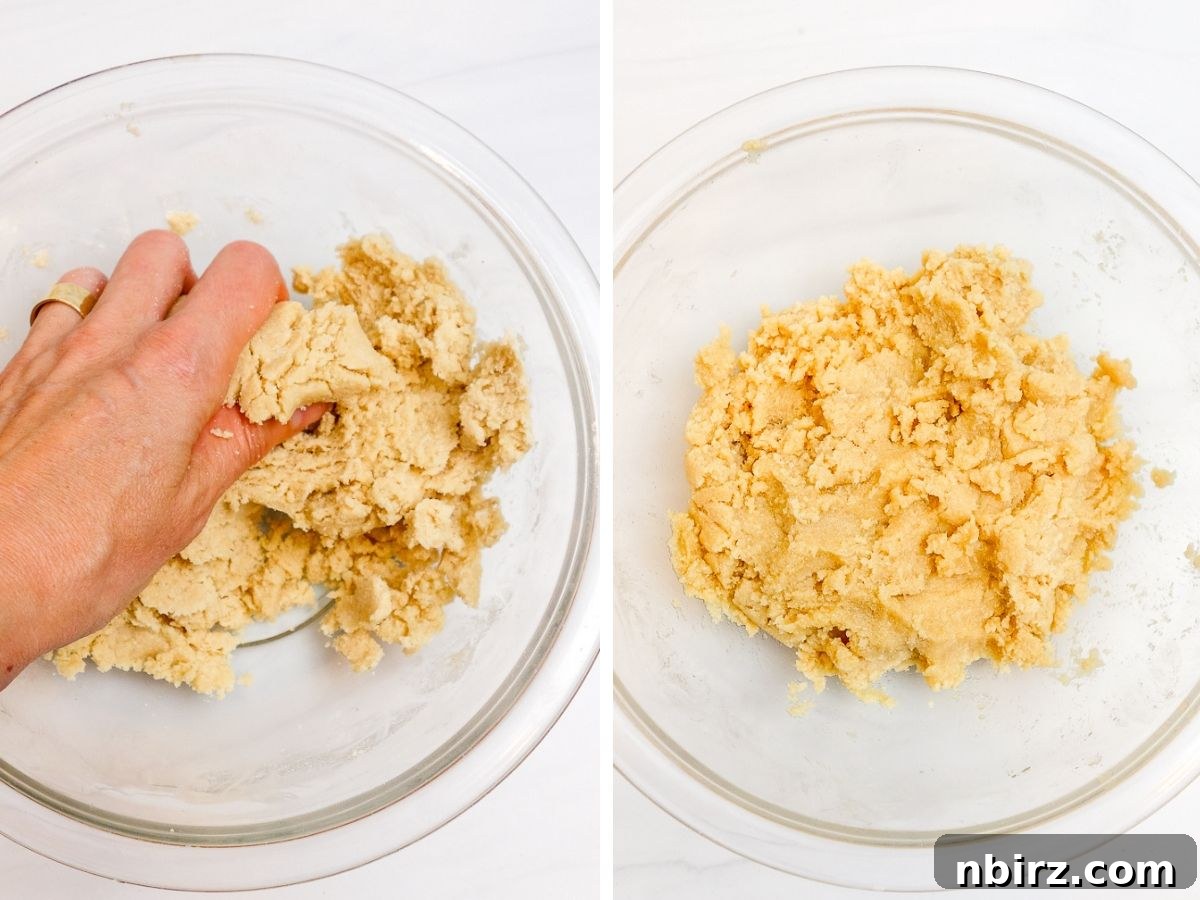
Pour the melted vegan butter, maple syrup, and vanilla extract into the bowl with your whisked dry ingredients. Initially, as you begin to stir, the mixture may appear dry and crumbly. Don’t be alarmed; this is completely normal for shortbread dough. Continue to mix patiently with a spoon or spatula. For the best incorporation and to truly feel the dough come together, I often recommend ditching the utensil and using your hands. Knead the mixture gently until all ingredients are fully combined and a cohesive, slightly pliable dough forms.
The warmth from your hands can help the plant butter further integrate, transforming the dry crumbles into a smooth, uniform dough. This hands-on step is not only effective but also a satisfying part of the baking process.
Step Three: Shape the Cookie Dough and Chill
Once your dough is ready, transfer it onto a large sheet of plastic wrap, wax paper, or parchment paper. It’s perfectly fine if the dough seems a little crumbly at this stage. Gently gather the dough and begin to shape it into a rough log. Then, use the plastic wrap (or wax/parchment paper) to help compress and smooth the dough into a firm, even log, aiming for a diameter of approximately 1.5 to 2 inches. This wrapping technique helps you achieve a perfectly uniform shape without the dough sticking to your hands.
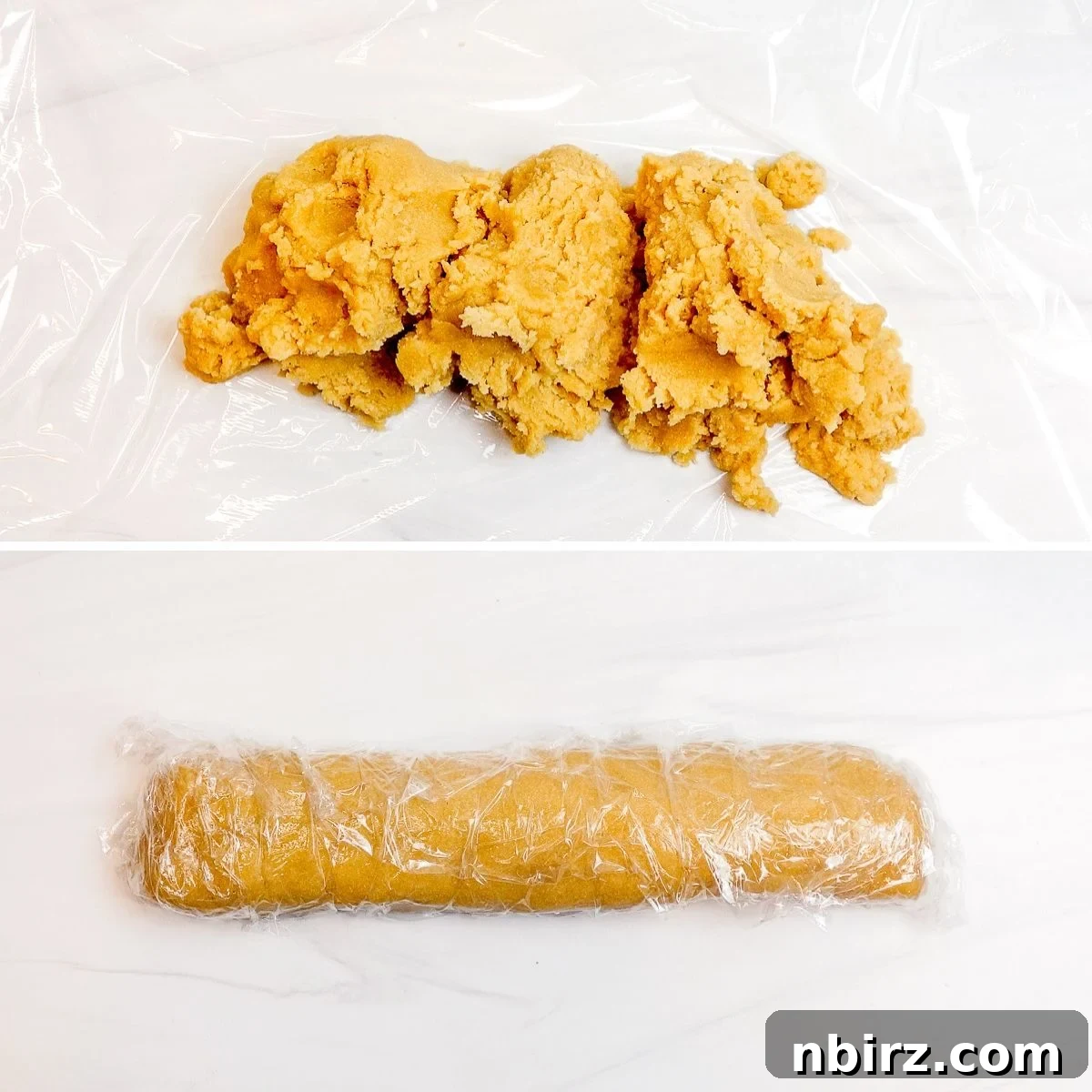
Place the tightly wrapped dough log in the refrigerator for about 1 hour, or in the freezer for approximately 20 minutes, until it becomes firm to the touch. Chilling is a critical step for shortbread, as it solidifies the butter, making the dough much easier to slice cleanly and helping the cookies maintain their shape during baking, preventing excessive spreading.
Step Four: Preheat Oven and Prepare Baking Pan
While your dough is chilling, preheat your oven to 350°F (180°C). Prepare a large baking sheet, cookie sheet, or baking tray by lining it with either parchment paper or a silicone baking mat. Lining the pan is essential for preventing sticking, promoting even baking, and making cleanup an absolute breeze. Ensure your oven is fully preheated before placing the cookies inside for consistent baking.
Step Five: Slice the Chilled Dough into Cookies
Once the dough is firm, unwrap it carefully on a clean cutting board. Using a sharp knife, slice the log crosswise into uniform 1/4-inch thick rounds. Aim for even slices to ensure all cookies bake at the same rate. Arrange these sliced cookies on your prepared baking sheet, leaving about 1 inch (2.5 cm) of space between each cookie to allow for slight expansion during baking.
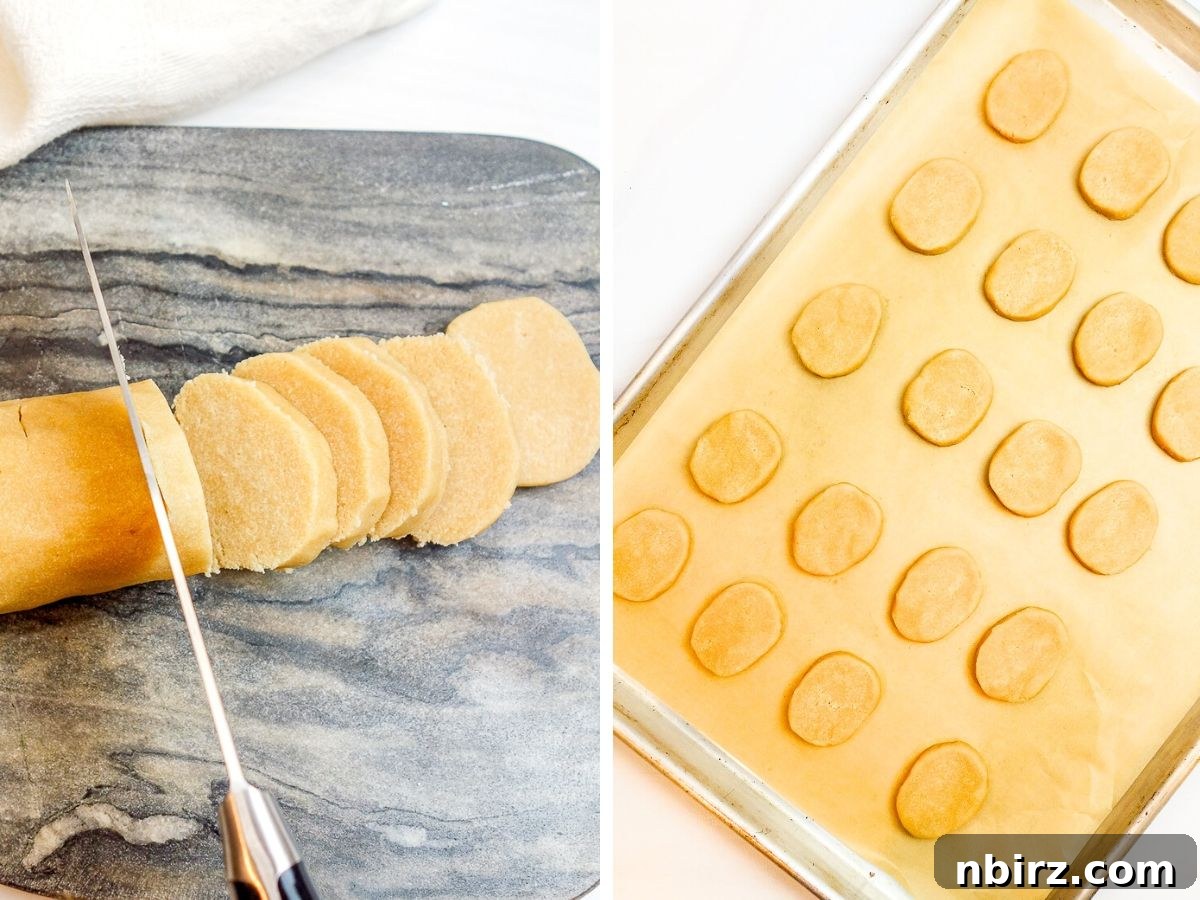
Step Six: Bake to Golden Perfection
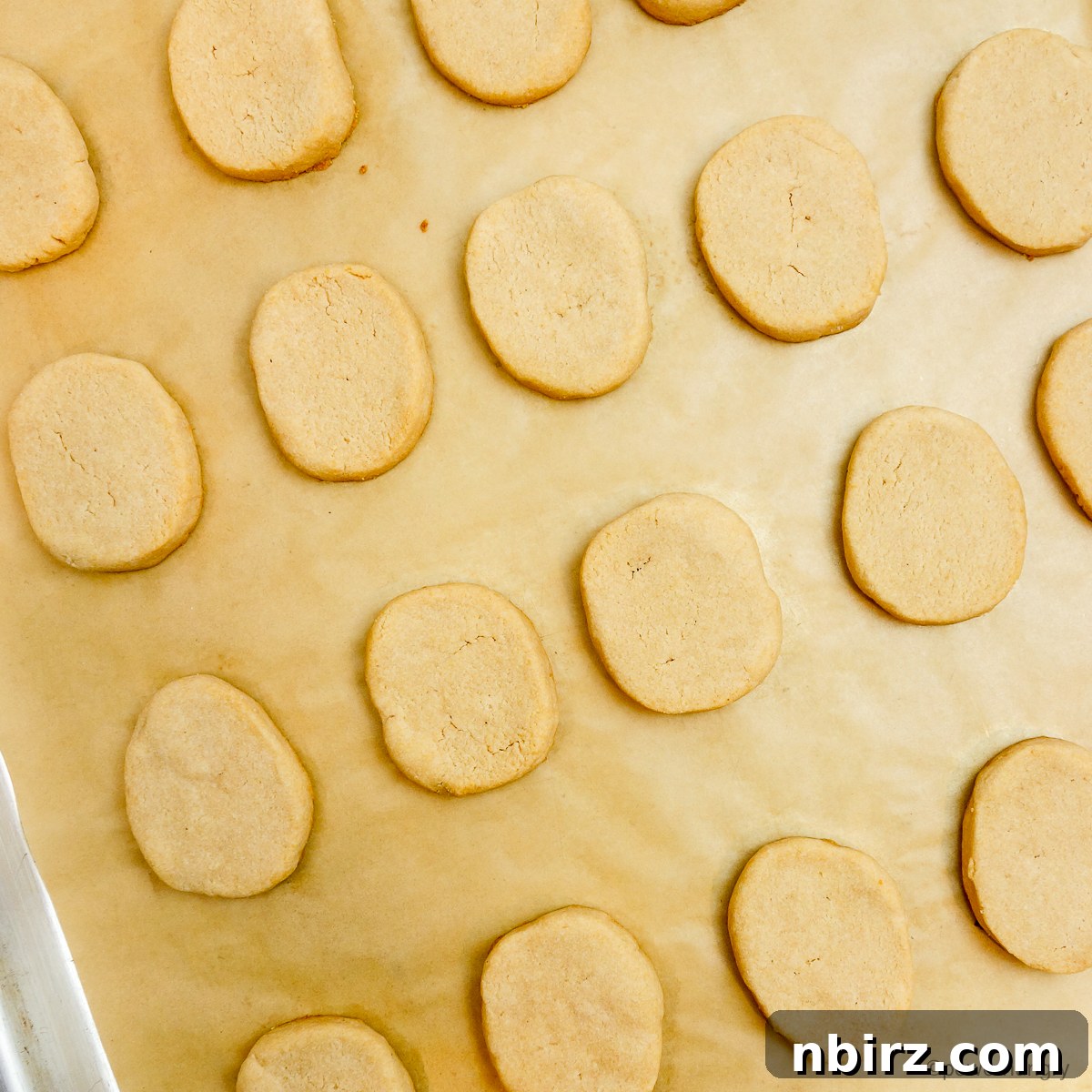
Transfer the baking sheet to your preheated oven. Bake the cookies for 8 to 11 minutes. Keep a close eye on them, as baking times can vary between ovens. The cookies are done when their edges are lightly golden brown, while the centers still remain fairly pale. They might seem a little soft when you first take them out, but they will firm up considerably as they cool. Avoid overbaking, as this can lead to dry, crumbly cookies rather than the desired tender shortbread.
Step Seven: Cool for Optimal Texture
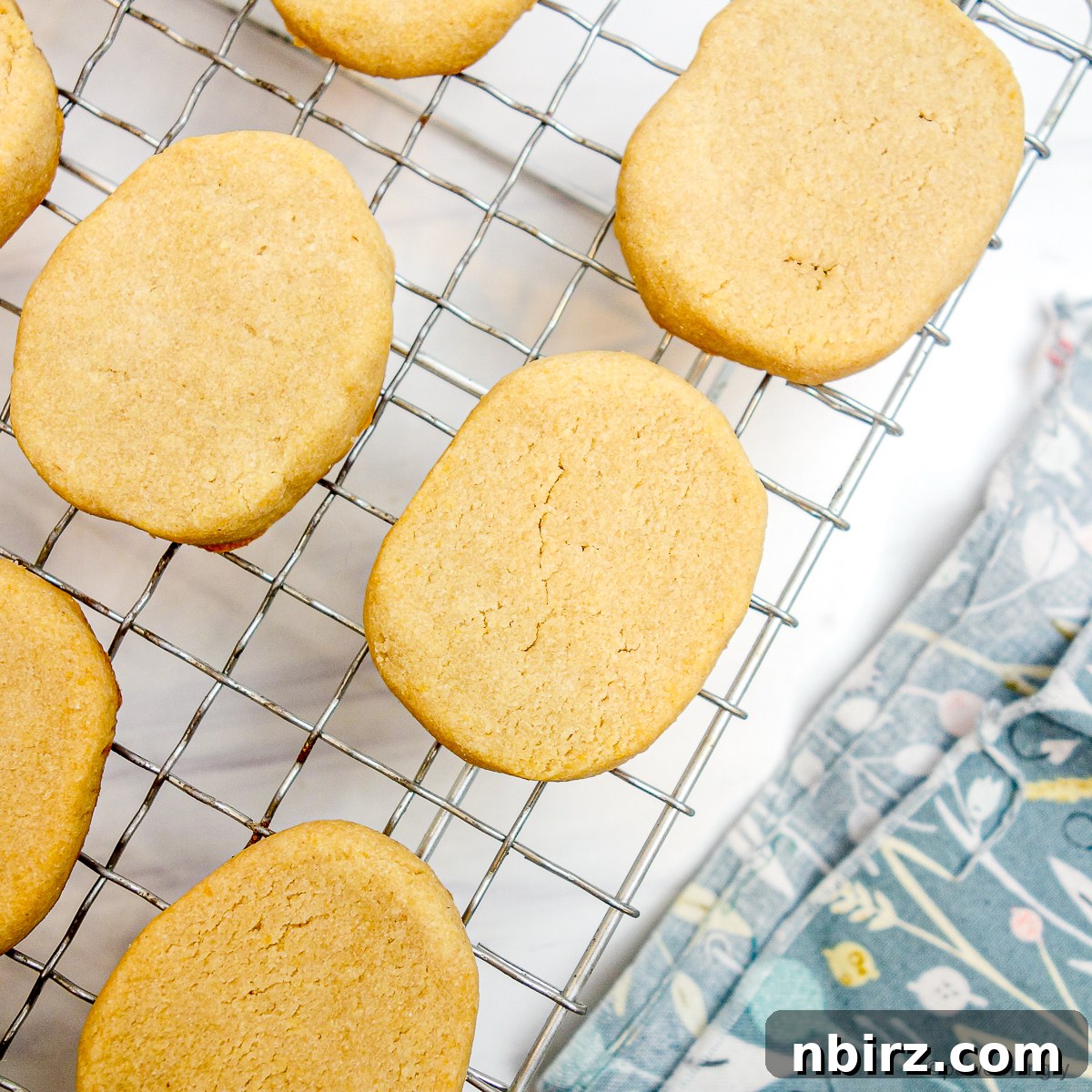
Once baked, remove the cookies from the oven. Allow them to cool on the baking sheet for just 1 minute. This brief period of cooling on the hot sheet helps them set gently without breaking. After 1 minute, carefully transfer the cookies to a wire cooling rack on your kitchen counter to cool completely. As they cool, the shortbread will fully firm up and develop its characteristic crisp yet tender texture. Resist the urge to handle them too much while warm, as they are quite fragile until completely cooled.
The Exquisite Taste & Texture of Our Cassava Flour Shortbread
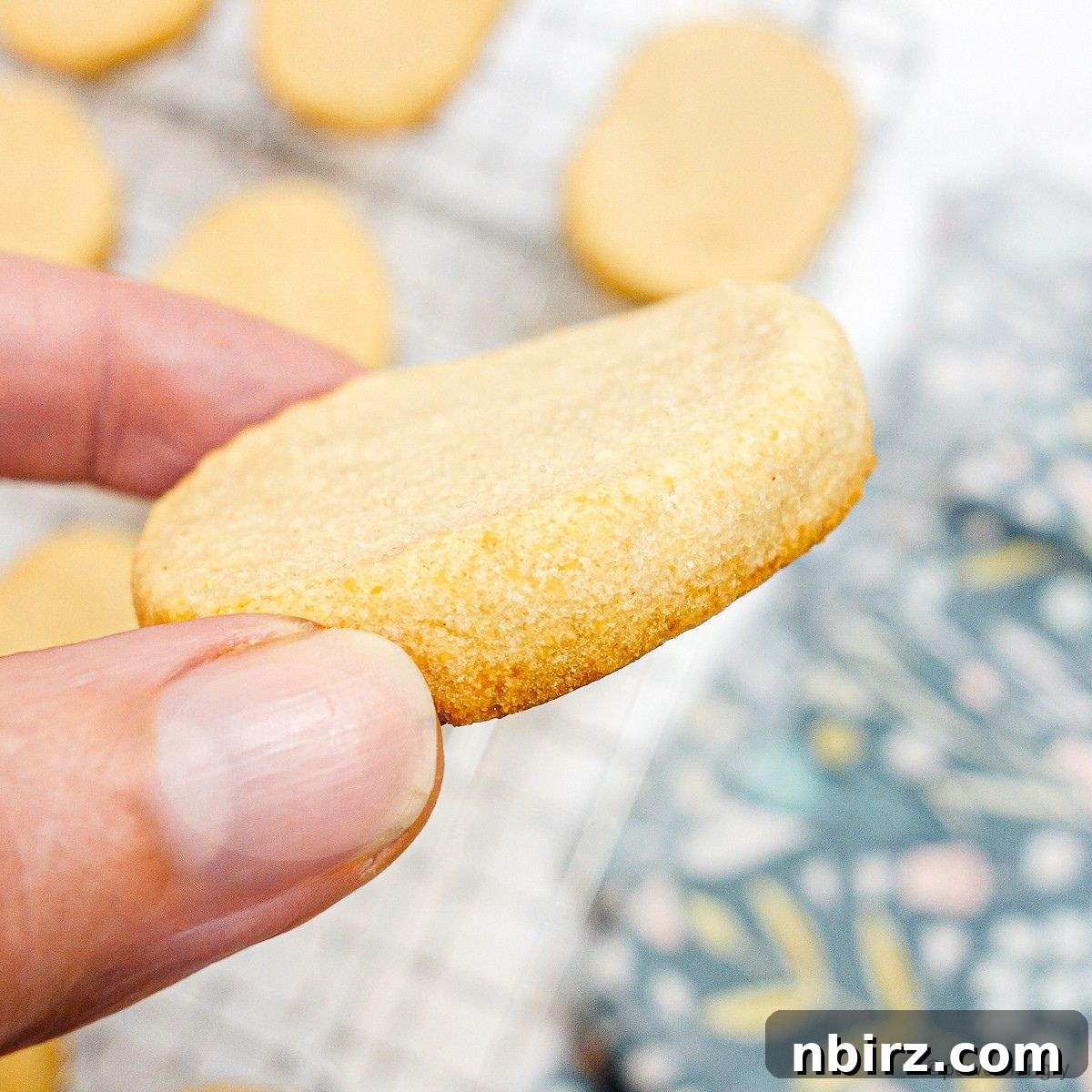
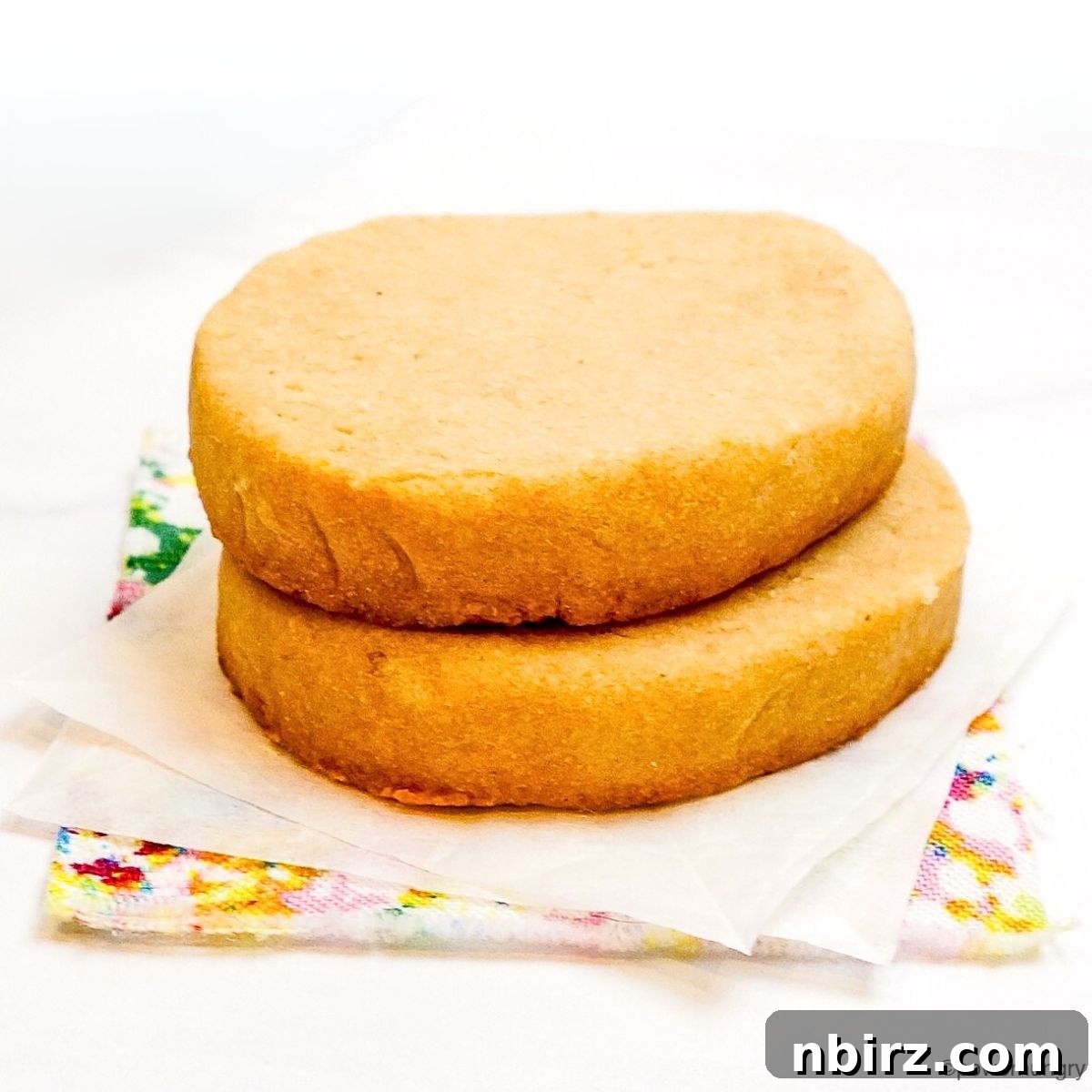
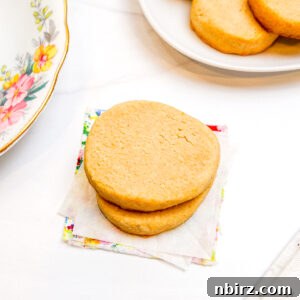
Prepare to be delighted by the sensory experience of these cassava flour shortbread cookies. The texture is a masterful blend of firm and yielding; each bite offers a delicate snap, followed by an immediate melt-in-your-mouth tenderness. This perfectly crumbly yet soft interior is precisely what you desire from a classic shortbread. The sweetness is beautifully mild, allowing subtle hints of warm maple and fragrant vanilla to shine through. These cookies are not overly sweet, making them perfect for enjoying alongside a cup of afternoon tea or coffee, serving as an elegant dessert, or simply indulging in as a sweet, satisfying treat any time of day. They are a true testament that wholesome ingredients can deliver extraordinary flavor and texture.
Essential Cooking Tips for Perfect Results
Achieving consistently amazing shortbread, especially when working with alternative flours, often comes down to a few key techniques:
- Weigh Ingredients for Precision: This tip cannot be emphasized enough, especially in gluten-free and grain-free baking. Flours, in particular, can vary greatly in density depending on how they are scooped. Using a digital kitchen scale to weigh your flours ensures you’re using the exact amount specified in the recipe every single time, leading to consistent and successful results. Volume measurements (cups) can be notoriously inaccurate, causing dough to be too wet or too dry.
- Utilize Light-Colored Baking Sheets: The color of your baking sheet plays a significant role in how your cookies bake. Dark baking sheets absorb more heat, often causing the bottoms of cookies to over-darken, or even burn, before the rest of the cookie is properly cooked. For even baking and beautifully golden-brown shortbread, always opt for heavy, light-colored metal baking sheets.
- Line Baking Sheets with Parchment Paper: Parchment paper is an unsung hero in the kitchen. It creates a non-stick surface, guaranteeing that your delicate shortbread cookies will lift off the baking sheet effortlessly without breaking. Beyond preventing sticking, it also promotes more even heat distribution, contributes to uniform browning, and makes cleanup incredibly easy. Consider investing in pre-cut parchment sheets for maximum convenience.
- Check Cookies at the Minimum Baking Time: Shortbread can go from perfectly baked to overbaked quite quickly. Begin checking your cookies for doneness at the earliest suggested baking time (e.g., 8 minutes). The key indicator is that the cookies are just barely set, with their edges turning a light golden brown. If they are not quite ready, continue baking for just one minute at a time, checking after each minute, until they reach this ideal stage. This vigilance prevents dry, hard cookies and ensures a tender, buttery result.
Exciting Flavor Variations for Your Shortbread
While delicious on their own, these gluten-free shortbread cookies serve as a fantastic canvas for a myriad of flavor enhancements. Get creative and customize your batch with these delightful additions:
- Dried Spices: Infuse your shortbread with warmth and aroma. Stir in about 1/4 to 1/2 teaspoon of ground cinnamon, ginger, cardamom, allspice, pumpkin pie spice, or nutmeg into the dry ingredients. These spices create a comforting and sophisticated flavor profile.
- Extracts: Transform the basic vanilla flavor by swapping it out. Replace the vanilla extract with 1 teaspoon of almond extract for a delicate nutty note, orange extract or lemon extract for a bright citrusy lift, peppermint extract for a festive touch, or rum extract or brandy extract for a hint of sophisticated warmth.
- Freshly Grated Citrus Zest: For a vibrant and aromatic punch, add 2 teaspoons of freshly grated orange zest, lemon zest, or lime zest to the dough. The natural oils in the zest will perfume your cookies beautifully.
- Chocolate Indulgence: Chocolate and shortbread are a match made in heaven!
- In the Dough: Fold in 1/3 to 1/2 cup of miniature dark chocolate chips or finely chopped dark chocolate pieces directly into the dough before chilling. Alternatively, for a slightly bitter contrast and added texture, use 3 to 4 tablespoons of chopped cacao nibs.
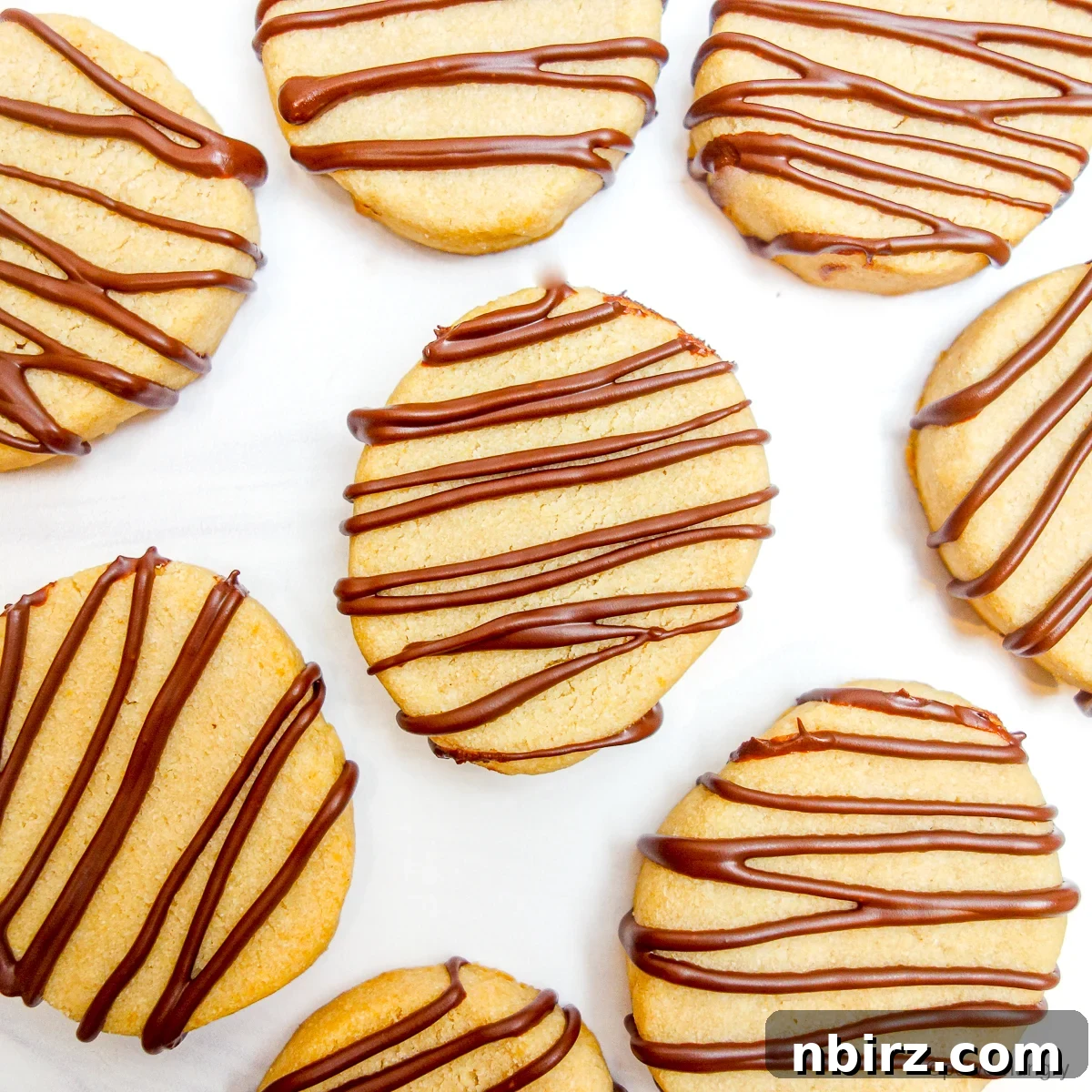
- As a Topping: For a visually stunning and delicious finish, drizzle melted dark chocolate over the cooled cookies.
- Dipped: For a truly decadent experience, dip half or all of the cooled shortbread cookies into a pool of melted dark chocolate.
Proper Storage for Lasting Freshness
To ensure your delicious cassava flour shortbread cookies stay fresh and flavorful for as long as possible, proper storage is key. Once completely cooled, place the cookies in an airtight container. At a cool room temperature, they will maintain their quality for up to 5 days, perfect for everyday enjoyment. For extended freshness, store them in the refrigerator for up to 2 weeks. If you wish to prepare a larger batch or save some for later, these cookies freeze exceptionally well for up to 6 months. When ready to enjoy frozen cookies, simply thaw them at room temperature for a few hours.
Frequently Asked Questions About Cassava Flour Shortbread
Here are answers to some common questions about this unique shortbread recipe:
- Can I use tapioca starch / tapioca flour in place of cassava flour? No, these ingredients are not interchangeable in this recipe. While both are derived from the same yucca plant, cassava flour is made from the entire root and acts as a whole flour, providing structure and bulk. Tapioca starch (often called tapioca flour) is a pure starch, primarily used as a thickener, and lacks the fibrous structure needed for these cookies. Substituting tapioca starch for cassava flour will result in a completely different, likely gummy or overly chewy, texture that is not characteristic of shortbread.
- Can I omit the almond flour and use 100% cassava flour in the recipe? Unfortunately, no, this substitution will not yield successful results. Cassava flour, while excellent, performs best in combination with other flours in specific recipes to achieve optimal texture. Using 100% cassava flour in this shortbread recipe would likely result in a very dense, dry, or crumbly cookie that doesn’t have the desired tender snap. The almond flour provides a delicate richness and helps create the traditional shortbread crumb.
- What is a good substitute for maple syrup? If you don’t have maple syrup or prefer an alternative, equal amounts of agave nectar, brown rice syrup, or date syrup can be used effectively. These alternatives will maintain the desired sweetness and liquid consistency. If you do not follow a vegan diet, honey can also be used as an equal substitute, offering a slightly different flavor profile.
- What can I use in place of the almond flour to make the recipe nut-free? To make this shortbread recipe completely nut-free, you can easily swap the almond flour for an equal amount of sunflower seed flour or pumpkin seed flour (also known as pepita flour). These seed flours offer a similar fine texture and fat content, allowing the cookies to maintain their structure and tenderness without introducing nuts.
- What can I use in place of the plant butter/vegan butter? If you don’t have vegan butter or prefer another option, an equal amount of melted coconut oil can be used as a direct substitute. Be aware that coconut oil will impart a subtle coconut flavor, which some people enjoy. If you consume dairy, an equal amount of melted dairy butter or ghee can also be used, keeping in mind that this will no longer make the recipe vegan or dairy-free.
Happy baking! We truly hope you fall in love with these wonderfully simple, minimal-ingredient cookies. If you give the recipe a try, we’d be absolutely thrilled to see your creations! Please feel free to tag #powerhungrycamilla on Instagram or @camillacooks on Pinterest so we can admire your delicious shortbread.
Discover More Delicious Grain-Free & Vegan Treats
If you enjoyed these cassava flour shortbread cookies, you might also like to explore these other fantastic recipes:
- Vegan Cassava Flour Chocolate Chip Cookies (GF) – A classic cookie favorite made grain-free and vegan.
- Easy No-Roll Cassava Flour Crackers (2 ingredients) – Simple, savory, and effortlessly delicious crackers.
- 3 Ingredient Vegan Almond Flour Shortbread Cookies (With Keto Variation) – Another easy shortbread for almond flour lovers, with a keto option.
- Cassava Flour Applesauce Cookies (Vegan, GF) – A softer, fruit-sweetened cookie option.
- Vegan Oat Shortbread Cookies (Gluten-Free) – For those who can tolerate gluten-free oats, a different twist on shortbread.
Pin Recipe
Print Recipe
Rating: 5 out of 5 stars (based on 2 votes)
Cassava Flour Shortbread Cookies (Vegan, Grain-Free)
Equipment
-
1 Large Baking Sheet (light in color, for even baking)
Ingredients
- 1 cup cassava flour
- 1/2 cup almond flour
- 1/4 cup maple syrup
- 6 tablespoons vegan butter, melted (see notes for alternatives)
- 1.5 teaspoons vanilla extract
- 1/8 teaspoon salt
Instructions
-
Measure the flours. For the greatest accuracy, weigh the flours with a digital kitchen scale. In a large mixing bowl, whisk the cassava flour, almond flour, and optional salt.
-
Add the melted vegan butter, maple syrup, and vanilla to the bowl. Stir and blend to combine (it will seem dry, at first).
-
Continue mixing, or use your hands, to finish combining the ingredients into a cohesive dough.
-
Transfer the dough to a large square of plastic wrap, wax paper, or parchment paper (it is ok if the dough is slightly crumbly). Roughly shape the dough into a log, then use the plastic wrap to smooth and compress the dough into a compacted, even log (about 1.5 to 2 inches in diameter).
-
Place the dough in the refrigerator for about 1 hour, or the freezer for about 20 minutes, until firm.
-
Preheat oven to 350F (180C). Line a large baking sheet / baking tray / cookie sheet with parchment paper or a silicone baking mat.
-
Unwrap the chilled dough on a cutting board. Slice crosswise into 1/4 inch slices. Place the slices on the prepared baking sheet, spacing 1 inch (2.5 cm) apart.
-
Bake the cookies for 8 to 11 minutes until golden brown at the edges (they will still be fairly pale overall).
-
Remove the cookies from oven and cool, on the baking sheet, for 1 minute. Transfer cookies to a cooling rack on the kitchen counter to cool completely (they will firm up as they cool).
Notes
- Storage: Store the cooled cassava flour shortbread cookies in an airtight container at cool room temperature for 5 days, the refrigerator for 2 weeks, or the freezer for up to 6 months.
- Success Tips: For best results, use the same ingredients and measurements as given in the recipe. Note that tapioca starch and cassava flour are NOT interchangeable (even though both are derived from the yucca plant).
- Maple Syrup Alternatives: An equal amount of agave nectar, brown rice syrup, or date syrup can be used in place of the maple syrup. If you do not follow a vegan diet, you can also use an equal amount of honey.
- Nut-free Option: You can make the recipe nut-free by swapping the almond flour for an equal amount of sunflower seed flour or pumpkin seed flour /pepita flour.
- Plant butter/ Vegan butter Alternative: An equal amount of coconut oil, melted, can replace the vegan butter. If you eat dairy, an equal amount of melted dairy butter or ghee can also be used.
Flavor Variations
Consider adding the following to the gluten-free shortbread cookies:
- Dried spices (about 1/4 to 1/2 teaspoon/tsp), such as cinnamon, ginger, cardamom, allspice, pumpkin pie spice, or nutmeg
- Extracts: Replace the vanilla extract with 1 teaspoon of almond extract, orange extract, lemon extract, peppermint extract, rum extract or brandy extract.
- Freshly grated citrus zest: Add 2 teaspoons of freshly grated orange zest, lemon zest, or lime zest.
- Chocolate: Add 1/3 to 1/2 cup miniature dark chocolate chips or chopped dark chocolate, or 3 to 4 tablespoons of chopped cacao nibs to the dough. Alternatively, drizzle melted chocolate on top of the cookies, or dip the cookies in melted dark chocolate.
Nutrition
Serving: 1 cookie | Calories: 78kcal | Carbohydrates: 8g | Protein: 1g | Fat: 5g | Saturated Fat: 1g | Polyunsaturated Fat: 1g | Monounsaturated Fat: 2g | Trans Fat: 1g | Sodium: 43mg | Potassium: 11mg | Fiber: 0.4g | Sugar: 3g | Vitamin C: 0.3mg | Calcium: 19mg | Iron: 0.4mg
Like this recipe? Rate and comment below!